









Materials, Metals, and UI: Designing Fashionable Smart Rings

Materials, Metals, and UI: Designing Fashionable Smart Rings
Smart rings sit at a peculiar crossroads where fashion and technology meet intimate daily wear. They are not just devices tucked away in a pocket or strapped to a wrist; they are jewelry that floats on a finger, a tactile interface that users can interact with through subtle gestures, and a data collection point that stays with you from morning routines to late-night calls. Designing fashionable smart rings means balancing beauty with biomechanics, UX with comfort, and battery life with elegance. In this guide, we’ll explore the material choices that shape not only how a ring looks but how it behaves; we’ll unpack the metal palettes that influence durability, biocompatibility, and brand tone; and we’ll dive into UI decisions that make a ring feel intuitive, unobtrusive, and delightful to use. By weaving together materials science, user experience design, and fashion sensibilities, we can create rings that people want to wear—every day, all day.
The material palette: from biocompatible bases to luxury finishes
At the heart of any smart ring is a base that must survive daily wear, contact with skin, moisture, and the occasional jolt against door frames or countertops. The choice of material sets the tone for fit, durability, finish, and even how the device ages with its owner. A smart ring typically piles on several material layers: a structural core (the “ring metal”), an interior comfort surface, an insulating barrier for electronics, and a surface finish that communicates style. Each layer serves a purpose, and the tradeoffs are real.
Common ring bases include stainless steel, titanium, and various alloys engineered for strength and lightness. 316L stainless steel is a workhorse: affordable, corrosion resistant, and capable of a high-polish finish. It’s relatively forgiving to manufacture and repair, but it’s heavier than some modern alloys and can feel cool to the touch in winter. Titanium, especially grades like Ti-6Al-4V (also known as Grade 5) and other commercially pure varieties, brings outstanding strength-to-weight ratio and corrosion resistance. Titanium feels lighter on the finger and is exceptionally skin-friendly, which is why many fashion-forward rings lean into titanium for the base. The downside? Titanium workflows can be more complex than stainless steel, and some users perceive it as a more “industrial” look unless you carefully craft the finish and profile.
Other metals—such as tungsten carbide, cobalt-chrome, or platinum—are often chosen for luxury statements or for premium durability. Tungsten carbide is incredibly hard and scratch-resistant, but it’s also brittle in thin rings and difficult to size or adjust; it can crack under certain impacts, and it does not yield gracefully if you need a perfect, custom fit. Cobalt-chrome alloys offer a balance of look and strength and can be finished with sophisticated colorations, but they require specialized manufacturing. Platinum and gold (yellow, white, or rose) bring luxury and warmth to the design language, but they require more care to prevent scuffs and can be softer in wear. One strategy many designers adopt is to combine metals—an ultra-hard inner ring (titanium or steel) with a luxury outer shell (gold or ceramic accents). This approach can deliver both durability and prestige without overburdening the wearer with weight or price.
Ceramics, particularly advanced zirconia (zirconium oxide) and alumina, offer striking scratch resistance and a smooth, cool feel. Ceramic rings can be incredibly beautiful when finished with subtle polishes or brushed textures, and they resist corrosion well. Their brittleness, however, means that they are more vulnerable to impact damage than metal rings, so designers must build in protective geometries and ensure the electronics are well-sealed and decoupled from potential fracture points. Ceramics also pose challenges for attachment of electronics, so designers frequently adopt ceramic inlays or composite constructions where the ceramic surface is aesthetically prominent but the electronics live in a metal cavity behind it.
For comfort and skin compatibility, biocompatibility matters as much as aesthetics. Nickel is a common allergen, so nickel-free stainless steels or all-titanium constructions are preferred for direct skin contact. Finishes such as PVD (physical vapor deposition) coatings can deliver rich colors—black titanium nitride (TiN), rose gold, champagne, or even iridescent tones—without plating that can wear off. PVD coatings also add a protective barrier against wear and corrosion. When choosing materials, designers ask: Will this surface be in direct contact with skin for hours at a time? Will sweat and cleansing products degrade the finish? Is the surface easy to clean without scratching the electronics? The answers guide not only the aesthetics but the functional resilience of the ring.
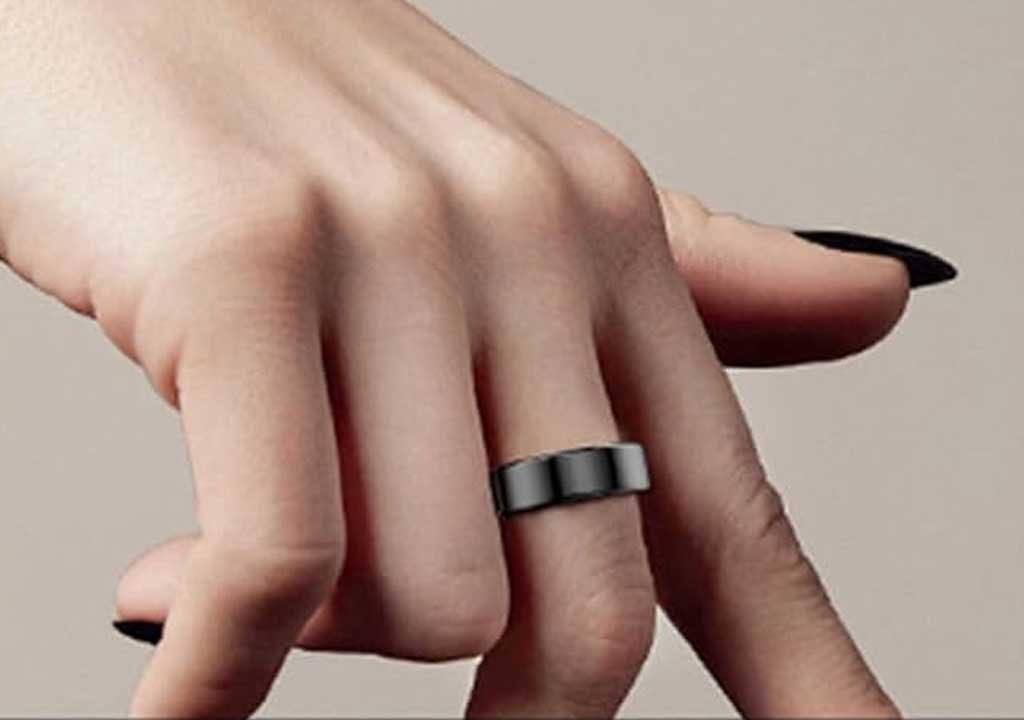
Texture and finish play a crucial role in perceived quality. A highly polished surface can look luxurious but may slip from the finger or show fingerprints easily. A brushed or satin finish often reads more wearable and can hide micro-scratches better. Textured edges can improve grip when removing or adjusting the ring, without compromising the surface feel that people touch when they use gestures. In fashion terms, material decisions become part of the brand language: a matte titanium ring with a minimal, monochrome finish might read as sleek and modern; a ceramic-and-gold hybrid could communicate luxury with a contemporary edge; a black-coated stainless steel ring might read as stealthy and tech-forward. The material story is a storytelling device as much as a functional choice.
In practice, many designers adopt a modular approach: a durable inner core for electronics and daily wear, with a surface layer that can be swapped or upgraded. This enables personal expression without sacrificing core performance. It also opens pathways to circular design—repair, refurbish, or upgrade components as technology evolves—without discarding the entire ring. The material strategy, then, is both a tactile experience and a sustainability statement.
Metals and UI integration: powering the ring and managing heat
The ring’s metal choices influence more than looks; they shape how power, thermal management, and electronics feel to the wearer. In a ring, where the electronics live in a tight cavity and the skin sits directly against the inner surface, even small decisions can affect comfort and reliability.
Powering a smart ring typically involves a compact battery (often a micro lithium polymer or solid-state variant) and a charging mechanism that can be wireless. Because the ring is small and worn all day, energy density and charging convenience are critical. Inductive charging coils are common, and many designs arrange the coil along the inside circumference of the ring. This shape minimizes bulk and allows the ring to sit comfortably against the finger while the user places it on a charging puck. The choice of ring material can influence coil placement, heat dissipation, and even the risk of EMI (electromagnetic interference). For instance, a high-conductivity metal like copper or a copper alloy used in shielding could be integrated as an outer shield to reduce EM leakage, but it must be carefully isolated from the battery and circuits to prevent shorting and skin exposure to heat or currents.
Thermal management is another concern. While we often think of smartphones heating up during gaming, a ring also experiences heat from the battery and sensors. The ring’s metal acts as a heat conduit; in some designs, this helps wick heat away from the hand, while in others it can draw heat to the skin. The right balance means selecting materials with appropriate thermal conductivity and designing internal gaps or thermal vias to route heat safely away from the finger. A soft, skin-friendly interior lining—made from medical-grade silicone or a polymer with low thermal conductivity—can further insulate the skin from surface temperatures when the ring is actively charging or running computationally heavy tasks.
Device integrity requires careful management of galvanic effects—electrochemical interactions that can occur if dissimilar metals are in contact with sweat and electrolytes. If a ring uses different metals for the outer shell and inner core, designers often insert an insulating barrier or choose a single-material construction for the parts most in contact with the skin. When multiple materials are used, careful lab testing for corrosion resistance, skin compatibility, and long-term wear is essential. In practical terms, this means selecting metals and coatings that do not form rust or patina at the ring’s interface with skin, and ensuring that any bonding agents and adhesives used to seal the electronics are food-safe and durable enough to survive repeated handwashing and exposure to water or lotions.
From a user interface standpoint, the UI language must respect the physical form. The ring relies on a mix of haptics, motion sensing, capacitive touch, and sometimes optical indicators. The metal choice affects haptic experiences: a ring with a slightly stiffer, more resonant metal can deliver crisper, more satisfying tactile feedback when a vibration motor or electroactive polymer actuator is engaged. Conversely, a softer metal or a thickness that dampens vibration can make haptic cues feel muted. Designers tune haptic feedback with the ring’s mass, the ring’s moment of inertia, and the driver’s capabilities so that a single tap, a rotate gesture, or a swipe around the finger yields a consistent, intuitive response. In short, the metal and the UI are co-design problems: you don’t want a beautiful shell that makes the interface feel inconsistent or difficult to discover.
Designing the user interface: from ring gestures to glanceable information
Unlike a smartphone, a smart ring offers a micro-gestural UI that is always on and always accessible. The UI must be discoverable, unobtrusive, and legible in a range of lighting conditions and contexts. The ring’s form—small, rounded, and worn on a sensitive digit—encourages a different design approach than a wrist-worn device. Here are some core principles for designing a fashionable yet functional ring UI.
First, keep gestures intentional and distinct. Common ring interactions include tapping the inner surface, pinching the ring’s circumference, rotating along the finger’s axis, or performing a circular “finger twist” to scroll through menus. Each gesture should map to a narrow set of actions: advance a notification, switch modes, or launch a preferred app. The UI should include a simple onboarding path so first-time wearers learn the core gestures without needing a manual. Subtle haptic feedback, paired with a short visual cue (a quick LED flash or a soft glow) helps users confirm that a gesture was recognized. The LED cues should be color-coded and not rely solely on brightness to convey meaning, so users with different lighting conditions or color perception can interpret them correctly.
Second, design for glanceability. A ring has the advantage of being close to the user’s field of view when the hand is at rest, but it’s often in motion or obscured by objects when notifications arrive. A glanceable ring should convey essential information at a micro-velocity: a single, succinct message or a color-coded state. One approach is a circumferential LED or micro-LED ring that can display a minimal set of states (e.g., green for connected, amber for attention needed, blue for message, red for critical alert). In some premium rings, a tiny color-changing surface can deliver additional nuances without requiring the wearer to pause and look at the device.
Third, personalizable aesthetics matter. Fashionable tech thrives when users can tailor the ring to their wardrobe and mood. This can mean interchangeable surface finishes (magnetic or snap-on inlays), configurable color cues, or custom gesture mappings. Designers often offer two or three distinct “language” modes—elegant, sporty, and bold—that adjust the ring’s aura through color, finish, and vibration pattern. The UI then becomes, in part, a fashion statement: a ring that reads minimal and refined in a formal setting, or vibrant and expressive in a concert or gym environment.
Fourth, privacy and context are essential. A ring is easily seen by others around you; thus, some information should be considered sensitive. The UI should default to privacy-preserving behaviors, such as showing notifications as discreet iconography rather than text, or requiring a quick, user-initiated action to reveal personal content. Hardware design can support privacy by enabling screenless notificiations or ephemeral visuals that disappear after a moment. Thoughtful defaults and straightforward opt-ins help users feel in control—another fashion cue in favor of trust and long-term adoption.
Fifth, consider integration with ecosystems. A fashionable ring does not exist in isolation; it should harmonize with smartphones, smartwatches, and the broader smart-home environment. That means adopting standard connectivity (Bluetooth Low Energy) and interoperable protocols for identity authentication, payments, and notifications. A well-considered UI will hide complexity: it triggers actions that feel natural given the ring’s physical form, rather than forcing the user to navigate a maze of app settings. The best ring UIs ultimately become invisible—felt through ease of use, not seen through a blazer of features.
Comfort, durability, and fit: the human factor in fashionable tech
A ring’s life begins with comfort. If a ring doesn’t feel good after a few hours, even the most advanced UI won’t save it. The interior geometry—radius, wall thickness, chamfers, and edge curvature—directly affects wearability. Designers favor a smooth inner surface with a rounded inner radius that minimizes pressure points against the proximal phalanx. A generous but precise clearance around the finger helps ensure that the ring slides on and off easily, even with damp or soapy hands. For some wearers, an adjustable or semi-adjustable fit (for example, a micro-spline or flex-sleeve inside the ring) can dramatically increase comfort for daily wear, especially across seasonal temperature changes that alter finger size.
Durability is a balancing act between rigidity and resilience. Rings must resist daily scratches, micro-moments of impact, and occasional immersion in water or soap. Materials chosen for outer shells should not only resist scratches but also keep a consistent appearance with minimal maintenance. Finishes that hide micro-scratches, such as matte textures or satin finishes, can be advantageous for everyday wear, while high-polish surfaces can be more striking for special occasions. The design should also consider the electronics’ protection: a sealed cavity with an o-ring seal or gasket can protect sensors from water and dust while maintaining a comfortable, low-profile exterior. The seal must not trap heat or degrade the user experience, so thermal pathways remain crucial even in a sealed design.
Fit is also about sizing options. Rings can be offered in a broad range of sizes, with a process for re-sizing or an exchange program. Some designs explore a flexible inner core that slightly adapts to finger shape while keeping electronic components secure. Alternatively, modular segments or a split-shank approach can offer adjustability without compromising the ring’s silhouette. Comfort is not just a physical matter; it’s psychological. If the ring feels luxurious, light, and almost invisible during routine tasks, it reinforces the idea that wearable tech should disappear into daily life rather than fight for attention.
Another aspect of comfort is skin safety. Many users wear rings while washing hands, applying lotions, or working with their hands. A biocompatible interior surface, a stable seal against moisture, and non-toxic assembly materials all contribute to safer wear. For those with sensitive skin, it’s important to offer materials and finishes that reduce irritation and avoid allergenic metals. The design should also account for long-term wear: the surface should age gracefully and not shed coatings or degrade in a way that irritates skin or causes discoloration.
Manufacturing realities: from 3D printing to microelectronics assembly
Turning a fashionable concept into a reliable product requires a robust manufacturing strategy. The ring’s small size makes precision manufacturing essential, and the combination of mechanical, optical, and electronic components demands a multidisciplinary approach. Here are some of the main pathways designers and manufacturers use to bring fashionable smart rings to market.
First, metal components are typically produced by machining, casting, or a combination of both. CNC machining delivers tight tolerances and smooth finishes on metal bands; precision casting can be cost-effective for intricate shapes or specialized alloys. For high-volume production, hybrid approaches—such as casting the outer shell and machining the inner core—offer a balance of speed and precision. Surface finishing through polishing, bead-blasting, or PVD coating adds personality and durability, and it’s often the most visible differentiator in the market. PVD coatings allow a broad palette of colors and textures without the risk of peeling like traditional plating, making them ideal for fashion-forward products.
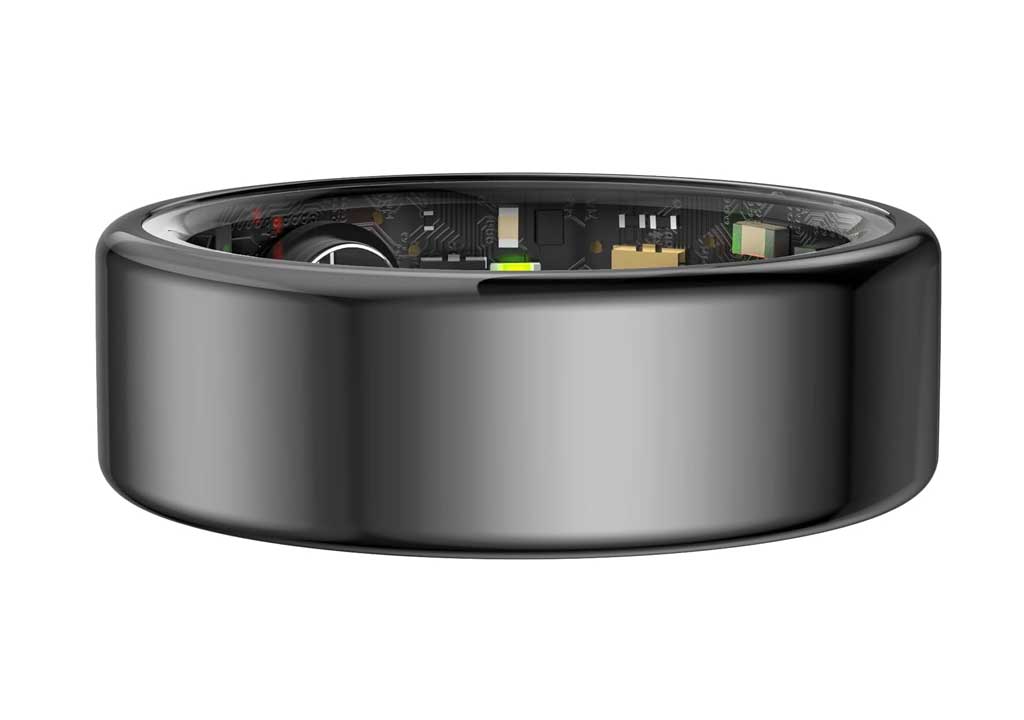
Second, the electronics assembly is a careful choreography. Tiny sensors (accelerometers, gyroscopes, optical sensors for heart rate or skin perfusion, and temperature sensors) require compact PCBs, flexible interconnects, and robust encapsulation. Flexible printed circuits (flex PCBs) enable them to bend with the ring’s circumference, creating a compact, continuous electronics spine. The battery is a delicate component that demands careful integration with the charging coil, wireless charging safety features, and heat management. Manufacturers often place the battery on the interior side to keep the outer surface smooth and comfortable while ensuring that charging access is straightforward in a dedicated cradle or wireless charger. Sealing the electronics against moisture and dust is essential, as is choosing adhesives and potting compounds that resist fatigue, exposure to sweat, and cleaning agents.
Third, assembly lines focus on reliability, not just aesthetics. Each ring undergoes functional tests (gesture recognition, haptic performance, battery health, wireless connectivity) and environmental tests (temperature cycling, humidity exposure, immersion tests). The ring’s seals must survive thousands of pressure changes as a user moves their hand throughout the day. Quality control must verify that the ring remains comfortable and visually appealing after wear tests. In the best practice, modular designs enable post-sale refreshes: customers can replace a surface panel or upgrade the electronics without discarding the entire ring, reducing waste and extending the product’s life cycle.
Fourth, sustainability and circular design increasingly drive manufacturing choices. Recycled metals, responsibly sourced gemstones or inlays, and lean, repair-friendly designs are not mere marketing lines; they influence the materials bill and the lifecycle of the product. Modular components, swappable surface finishes, and easy repair pathways help extend a ring’s usable life. In addition, repairable electronics—where possible—reduce the environmental impact of wearable tech and open up opportunities for customization and resale value. A well-executed manufacturing plan aligns the brand’s aesthetic ambitions with practical, durable engineering, ensuring the ring remains fashionable and functional across years of wear.
Sustainability and ethics: responsible fashion tech
As fashion and tech merge, ethical considerations grow in importance. Consumers increasingly expect responsible sourcing, durable products, and options for repair or upgrade rather than disposal. A sustainable smart ring program might include the following elements:
- Material traceability: Document the origin of metals and coatings, ensuring that suppliers adhere to environmental and labor standards.
- Recycling and end-of-life: Design rings so components can be separated and recycled, and offer a take-back program to recover materials.
- Modularity and repairability: Provide replaceable bands, faceplates, or electronics modules so customers can refresh only the parts that wear out or go out of date.
- Longevity over trend: Favor timeless shapes and finishes that endure, while allowing for small, reversible updates (like surface changes or software updates) that don’t require discarding the entire ring.
Brand storytelling around sustainability can become a fashion statement in itself. When customers see a ring that is designed to age gracefully, be repairable, and be upgraded rather than replaced, it resonates with the contemporary ethos of mindful consumption. Materials and UI choices should reflect not only beauty and usability but also responsibility and care for the user and the world around us.
Case studies and future directions: where fashionable smart rings are headed
While every company has its own path, some shared trajectories are visible in the market. Consider a hypothetical ring that blends a lightweight titanium core with a premium ceramic inlay and a black PVD finish. The outer shell reads as technology-forward, while the inner core remains comfortable and skin-friendly. The UI relies on a circumferential ring of micro-LEDs to convey notifications with color-coded cues, plus a subtle haptic engine that can deliver crisp, varied patterns for different events. The charging system uses a slim wireless coil with safe thermals and a replaceable battery module. The ring is rated IPX8 for water resistance, making it practical for daily life and workouts. This combination of materials, UI, and manufacturing choices demonstrates how a fashionable ring can balance aesthetics with performance, while still feeling like a premium piece of jewelry.
Future directions for fashionable smart rings may include:
- Biometric authentication integrated into the ring’s actions, enabling secure payments and access control with a simple ring gesture.
- Ultra-low-power perception: sensors and microcontrollers optimized to run longer between charges, with intelligent micro-interruptions that wake only when a meaningful event occurs.
- Advanced materials science: flexible, recyclable composites that combine metallic cores with ceramic-like properties for durability and comfort, while enabling new finish aesthetics.
- Multi-modal feedback: richer haptics, localized heat cues, and subtle optical cues that communicate context without shouting.
- Cross-device collaboration: programs that allow the ring to coordinate with phones, earbuds, cars, and home systems to create a cohesive, ambient user experience.
Designers will also experiment with new cultural codes in jewelry to ensure that smart rings feel inclusive and expressive across diverse user groups. The best designs will not simply gadgetize a function; they will embed the function into a rhythm of everyday life—where the ring is not an object that sits on the finger but a companion that understands and respects the user’s routines, preferences, and identity.
Conclusion: where fashion, materials, and UI converge
Designing fashionable smart rings requires a holistic approach that treats materials, metals, and user interfaces as an integrated system. The choice of base metals and finishes influences wearability, durability, and aesthetic language. The UI must be intuitive, discreet, and aesthetically aligned with the ring’s form to feel like a natural extension of the user’s hand. Manufacturing realities shape what is possible and guide decisions about repairability, sustainability, and cost. And, perhaps most importantly, the ring must feel like something people want to wear every day—because fashionable tech succeeds when it disappears into daily life, leaving the user with a sense of effortless control and personal expression.
As we continue to blur the lines between jewelry and technology, the rings of the near future will likely become more modular, more responsive to individual styles, and more deeply integrated with the digital ecosystems we already inhabit. They will shimmer with color and texture, deliver tactile affirmations through precise haptics, and unlock information and services with a simple, elegant motion. The core idea stands firm: the materials we choose, the metals we expose, and the UI we design are not afterthoughts; they are the fabric of the experience—a tiny, wearable canvas that sits on a finger and speaks to who we are, one gesture at a time.
Whether you are a product designer, a fashion-forward engineer, or simply an enthusiast curious about how things feel and work, the art of crafting fashionable smart rings is an invitation to think more deeply about how material reality intersects with human experience. When done well, a smart ring becomes more than a gadget; it becomes a confident extension of the wearer’s self, blending beauty, craft, and interaction into a single, elegant loop on the finger.
LIKED THIS ARTICLE? SHARE IT: