






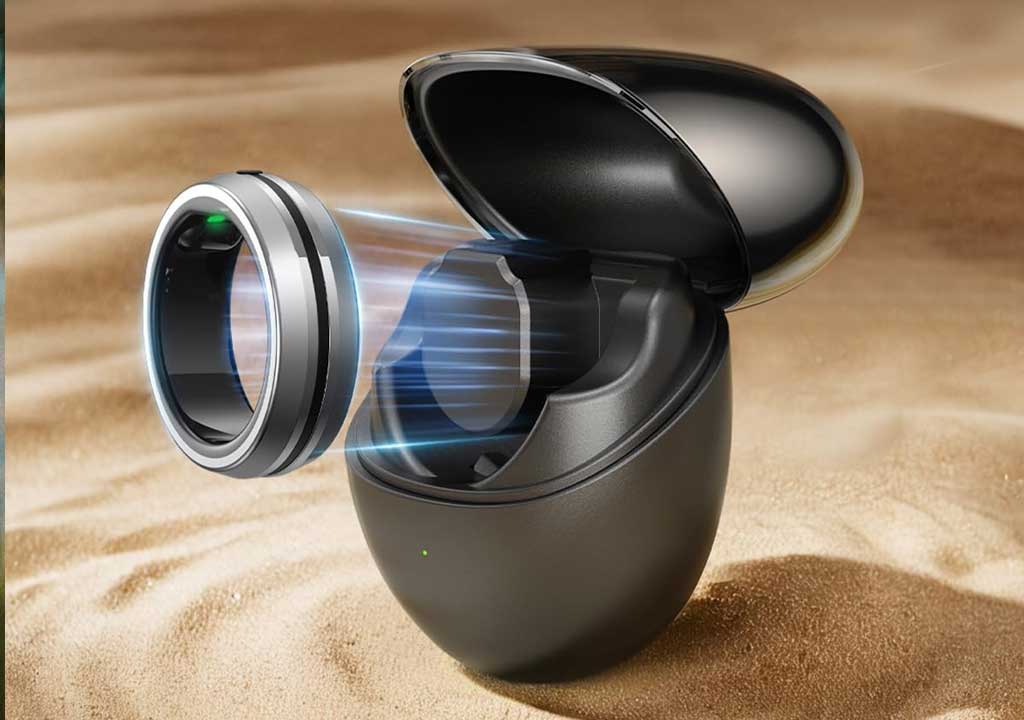
Unlock Better Sleep with Your Smart Ring: Decoding Nightly Data

Unlock Better Sleep with Your Smart Ring: Decoding Nightly Data
Sleep is not a passive state of rest—it’s an active process shaped by your physiology, environment, and daily routines. A smart ring can become your quiet, around-the-clock sleep coach, collecting a steady stream of data while you drift in and out of slumber. But data alone doesn’t improve sleep—it’s what you do with the data that matters. In this guide, we’ll decode the nightly numbers your smart ring captures, translate them into practical steps, and show you how to turn insights into better rest, next-day energy, and long-term health.
Why a Smart Ring Makes Sleep Insight Accessible
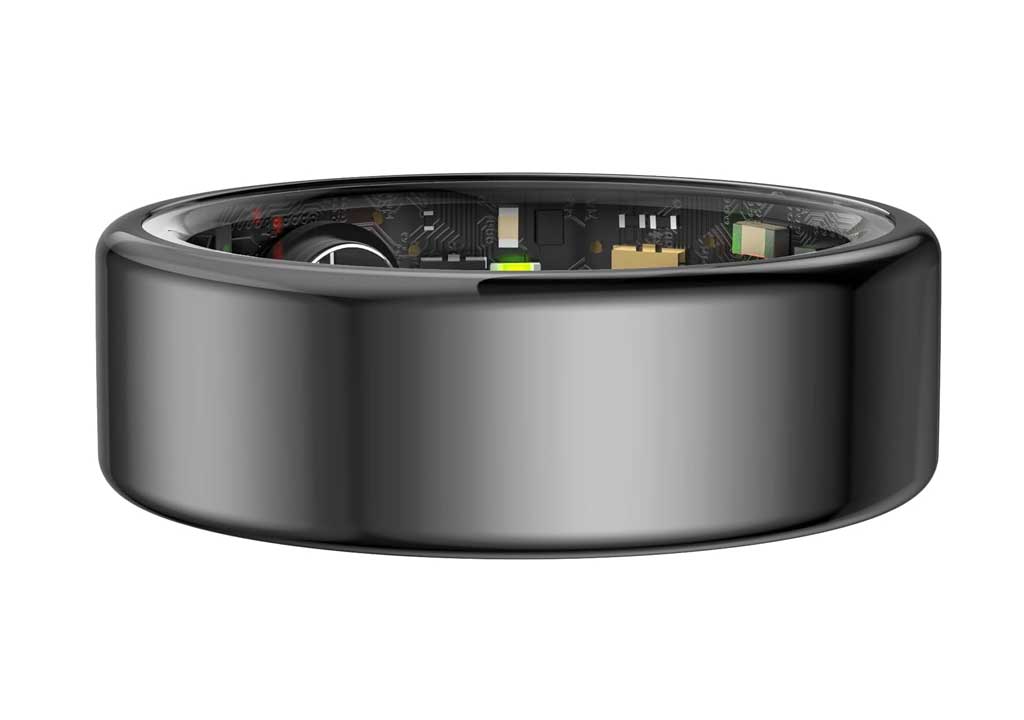
Smart rings sit on your finger and stay close to your body, often with a lower profile and longer battery life than larger wearables. They measure a constellation of signals—heart rhythm, skin temperature, movement, and more—without the bulk of a smartwatch. This simplicity offers several advantages:
- Continuous, sleep-friendly tracking: The ring’s sensors can operate calmly through the night, capturing micro-movements and subtle physiological changes that are hard to miss with daytime wearables.
- A holistic view over time: Because rings are comfortable to wear around the clock, they accumulate a rich history of nightly data, helping you spot trends and seasonal patterns.
- Actionable insights in context: Ring apps translate raw numbers into understandable scores and trends, often correlating sleep with recovery, stress, and readiness for the day ahead.
That said, a smart ring is a tool—not a silver bullet. It’s a powerful companion that works best when you pair its data with your lived experience: how you feel, how you woke up, and how your evenings unfold. In the sections below, we’ll break down what your ring measures, what the metrics mean, and how to apply them to real-life sleep improvement strategies.
What Nightly Data Your Ring Collects
Different rings offer different feature sets, but most high-quality sleep rings monitor a core set of signals. Here’s a practical breakdown of what you’ll typically see and why it matters:
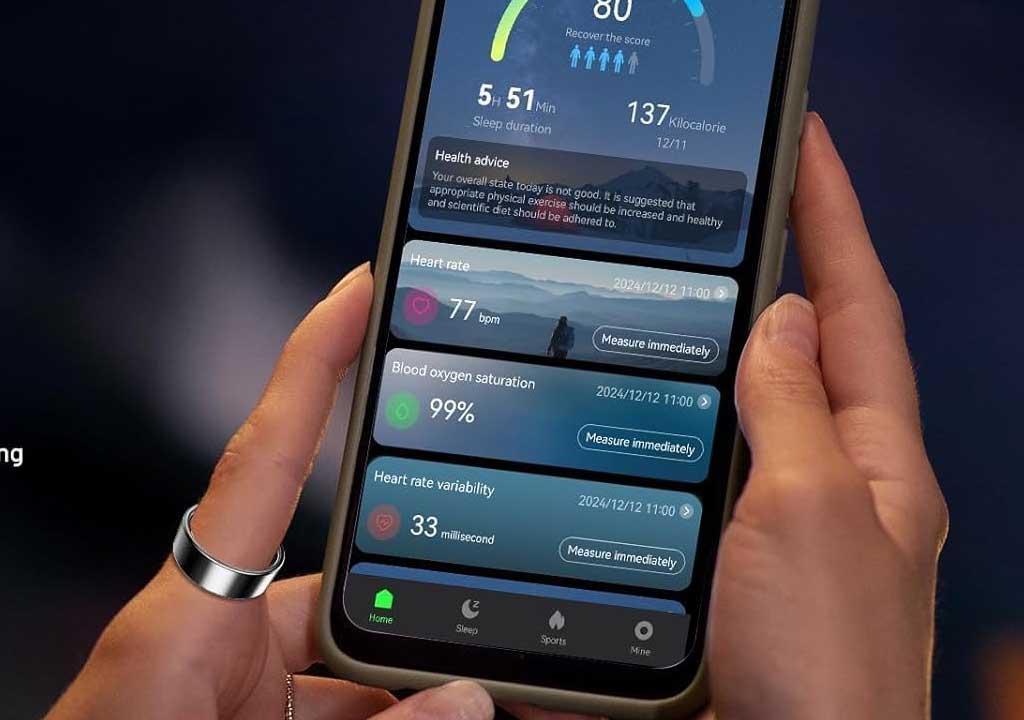
- Heart rate (HR) and resting heart rate (RHR): The heart’s tempo shifts during sleep as your body moves through cycles of light, deep, and REM sleep. A lower resting heart rate at night often indicates better cardiovascular fitness and relaxation, while sudden changes can flag stress, illness, or poor recovery.
- Heart rate variability (HRV): HRV measures the variability between heartbeats. Higher HRV generally signals a relaxed nervous system and good recovery; lower HRV can indicate stress, fatigue, or illness. Interpreting HRV requires looking at trends over days and weeks, not single-night spikes.
- Sleep stages and architecture: Ring data often estimates time spent in light sleep, deep (slow-wave) sleep, and REM sleep, plus awakenings. Understanding stage distribution helps you assess sleep quality and whether your rhythms support restorative processes like memory consolidation and tissue repair.
- Movement and sleep fragmentation: Micro-movements, toss-and-turn frequency, and body movements can indicate restlessness. Frequent awakenings or high movement during a supposed deep sleep phase may signal an unresolved sleep issue or an uncomfortable sleep environment.
- Skin temperature and peripheral signals: Skin temperature fluctuates across the night and can reflect circadian alignment. A higher or lower than typical temperature can indicate environment heat, hormonal changes, or illness onset.
- Blood oxygen saturation (SpO2): Some rings track SpO2 or provide estimates of nocturnal desaturations, which can be related to breathing disorders such as sleep apnea. Persistent dips warrant discussion with a clinician.
- Breathing patterns and respiratory rate: Subtle shifts in how you breathe at night—for example, slower or irregular breaths—can reveal relaxation levels, anxiety, or airway issues.
- Ambient influences and activity context: Some rings link data to daytime activity, caffeine intake, alcohol, and stress levels to interpret how these factors ripple into your night.
Beyond raw metrics, many rings incorporate a composite “sleep score” or “readiness/adaptability score.” These metrics synthesize multiple signals into a single number or category (e.g., excellent, good, light, poor) to give you a quick snapshot of how rested you are and what to adjust. The value is in trend over time, not every night in isolation.
How to Decipher the Numbers: A Practical Framework
When you first encounter a sea of dashboards, it’s easy to feel overwhelmed. Here’s a practical framework to translate nocturnal data into meaningful actions:
1) Establish a baseline
Spend 2–3 weeks tracking without making radical changes. Note your subjective sleep quality, mood, and energy on those nights. Your baseline will form the reference point against which you measure any adjustments. It also helps you recognize normal fluctuations versus meaningful shifts.
2) Look for patterns, not outliers
Outlier nights—like a late dinner or late caffeine—will skew one night’s data. Focus on repeated patterns: do you consistently wake with lower HRV on weekdays? Do you sleep more poorly when your room is warmer? These repeating signals point to actionable levers, not one-off quirks.
3) Track the right metrics for your goals
Different sleep goals call for different metrics. If recovery and athletic performance are priorities, HRV and deep sleep duration might be especially meaningful. If energy and mood are concerns, sleep regularity, total duration, and awakenings may be more relevant. Pick a small set of core metrics to monitor closely and review weekly.
4) Put metrics in the context of your day
Even the best-night data loses value if you ignore daytime behavior. A night of poor sleep often follows late caffeine, screens, or intense workouts. Conversely, consistent bedtimes and wind-down rituals tend to yield smoother sleep architecture. Use nightly data to inform daytime choices, not to blame yourself for one less-than-ideal night.
5) Avoid over-interpretation
Smart rings are excellent at sensing physiological signals, but they can misclassify sleep stages or misread readings due to movement, poor sensor contact, or ambient interference. Consider data as a guide, not a verdict. When in doubt, corroborate with how you feel in the morning and how you slept in real life (were you tossing and turning, or simply resting?).
Interpreting Key Metrics: What They Really Tell You
Here’s a closer look at the most important nightly numbers, including what they can reveal and how to respond when you notice changes:
Heart rate and resting heart rate
Your resting heart rate is a window into your autonomic nervous system. A steady decrease in nightly RHR over weeks often signals improved fitness and recovery. A sudden spike might indicate stress, illness, dehydration, or overtraining. If you notice a rising RHR for several consecutive nights, consider these steps:
- Assess hydration and electrolyte balance; drink water and consider a small electrolyte beverage if you trained hard earlier in the day.
- Review your evening routine: late meals, alcohol, caffeine, or intense cardio after dark can elevate RHR.
- Prioritize wind-down time, dim lighting, and a consistent bedtime to calm the nervous system.
Heart rate variability (HRV)
HRV tends to be higher when you’re relaxed and well-recovered. A drop in HRV relative to your baseline can indicate stress, poor recovery, or illness. Use HRV as a signal for rest needs rather than a rigid directive:
- If HRV drops after a stressful day, lean into lighter training, longer sleep, or deeper relaxation techniques the following night.
- On days with adequate HRV, you might train a bit more or maintain your usual routine, knowing your body is responding positively to recovery practices.
Sleep stages and duration
Balanced sleep architecture—adequate deep sleep and REM—supports physical restoration and cognitive processing. If you notice consistently low deep sleep, consider:
- Cooling your bedroom and reducing overheating, which supports deeper sleep.
- Earlier bedtimes that align with your circadian rhythms.
- Structured wind-down routines to ease transition into sleep.
REM sleep can vary with stress and caffeine intake. If REM is consistently low or fragmented, examine evening exposures to blue light and stimulants, and ensure you’re getting enough daytime light exposure to regulate circadian timing.
SpO2 and breathing signals
SpO2 dips or persistent irregular breathing patterns can flag breathing-related sleep disturbances. If your ring notes frequent dips or irregular respiratory rate, consider:
- Consulting a clinician for a sleep study if you notice repeated desaturations or long periods of irregular breathing.
- Improving airway health through posture adjustments, nasal breathing exercises, or medical advice as needed.
Movement and sleep fragmentation
Excessive movement or frequent awakenings can point to an uncomfortable sleeping environment, stress, or a misalignment of your daily schedule with your circadian rhythm. Practical responses include:
- Ensuring your mattress, pillow, and bedding support comfort and temperature regulation.
- Crafting a consistent wind-down routine to reduce late-night arousal.
- Minimizing late-day caffeine and heavy meals that can disrupt sleep continuity.
Turning Nightly Data into Real-Life Sleep Improvements
Data is most powerful when it’s translated into behavior. Here are practical steps to convert nightly insights into better sleep without turning your life upside down:
1) Build a consistent sleep window
Aim for a regular bedtime and wake time—even on weekends. Your ring will reflect improvements in sleep timing as your body learns to anticipate rest. Small shifts—15–30 minutes—can yield meaningful gains over a few weeks. If you’re naturally a night owl, gradually adjust your schedule rather than forcing a sudden change.
2) Create a calming pre-sleep routine
Establish a buffer between screens and sleep. Dim lights, gentle stretching, breathing exercises, or a short meditation can lower sympathetic arousal and set the stage for deeper sleep. If your ring highlights REM irregularities, this is a good place to start shifting your evening habits.
3) Optimize your sleep environment
Temperature, light, and noise all impact sleep quality. The ring’s temperature and movement data can guide adjustments like lowering room temperature, using blackout curtains, or white-noise devices. If HRV and deep sleep are lagging, it might indicate environmental stressors that you can control.
4) Align daytime habits with your sleep goals
Daylight exposure, exercise timing, caffeine and alcohol use, and meal timing all influence nightly physiology. A ring can help you see how these factors correlate with your sleep. For example, exercising late in the evening may elevate heart rate and disrupt deep sleep for some people, whereas others tolerate late workouts well.
5) Use data without self-criticism
Sleep data is imperfect and not a moral measure of your worth. If you have a night with poor numbers, view it as information to adjust tomorrow, not as a failure. This mindset helps sustain long-term habit formation.
Practical Tips for Using Your Ring Night after Night
To maximize the value of your smart ring’s sleep data, consider these best practices:
- Wear it consistently: For accurate trends, wear the ring on the same finger and keep the sensor clean and properly fitted. Skin temperature and movement sensors work best when the ring sits snugly but comfortably.
- Charge strategically: Many rings offer several days of battery life. Charge during the day or after a night when you don’t rely on the data as heavily, so sleep tracking remains uninterrupted.
- Keep a simple journal: Note what you ate, caffeine timing, exercise, and mood. This helps you interpret the data more accurately by adding context for the numbers.
- Review weekly, not nightly: A weekly review helps you identify patterns and avoid overreacting to single-night fluctuations.
- Inspect the data quality: If readings look unusual, ensure the ring is positioned correctly, your hands are dry, and there’s no interference from jewelry, lotions, or sweat. Poor contact can distort readings.
Privacy, Security, and Your Night Data
As with any wearable that collects intimate health information, privacy and data security are important considerations. Here are practical guidelines to protect your information while still getting maximum value from your ring:
- Understand data storage: Check whether your data stays on your device, is automatically uploaded to cloud services, or is merged with other health platforms. Cloud-backed data can be convenient for long-term trends but comes with privacy considerations.
- Review app permissions: Limit data-sharing to what you truly need, and disable features you don’t use. Be mindful of third-party integrations that may access your information.
- Use strong authentication: Enable two-factor authentication on your ring account and related apps to reduce the risk of unauthorized access.
- Understand data ownership: Most manufacturers retain some rights to aggregate anonymized data, but you should know how your personal information is used and who has access to it.
- Export and delete options: If you decide to switch devices or discontinue use, know how to export your data or delete your history if needed.
Bottom line: feel comfortable with where your data lives and how it’s used. A trusted setup—paired with thoughtful, informed use—lets you benefit from sleep insights while safeguarding your privacy.
Common Myths About Smart Ring Sleep Data
As sleep-tracking devices proliferate, myths can cloud judgment. Here are common misperceptions and the realities behind them:
- “More data means better sleep fixes.” Not necessarily. Quality over quantity matters. Fruitful changes come from identifying firm patterns and applying targeted adjustments, not chasing every metric uptick.
- “Sleep scores are perfect.” Sleep scores are convenience tools that summarize multiple signals. They’re helpful, but they aren’t definitive diagnoses. Use them as guides, not verdicts.
- “If I don’t sleep perfectly, I should quit.” Sleep is dynamic. Occasional poor nights happen to everyone. Treat deviations as informative feedback rather than personal failure.
- “The ring knows everything about my sleep.” The ring provides valuable signals, but it doesn’t replace clinical sleep assessment when you have persistent sleep disorders or daytime impairment. If you suspect sleep apnea, insomnia, or another condition, consult a clinician.
Case Scenarios: Translating Data into Real-Life Decisions
Illustrative examples can help translate numbers into action. Here are a few common patterns and practical responses:
Scenario A: Consistently low deep sleep with good total duration
What you might notice: The ring shows 6–7 hours of sleep, but a smaller portion is deep sleep. HRV is steady, HR relatively low, but you still feel groggy in the morning.
Possible actions:
- Adjust bedtime by 30–60 minutes earlier to align with your circadian peak for deep sleep.
- Screen time reduction and a relaxing pre-sleep ritual to lower arousal.
- Keep the room cool (around 65–67°F or 18–19°C) to promote deeper sleep cycles.
Scenario B: Nightly awakenings and elevated heart rate during sleep
What you might notice: Frequent awakenings or restlessness paired with a higher nocturnal HR, and maybe lower SpO2.
Possible actions:
- Check for environmental irritants—noise, light, or room temperature—and adjust accordingly.
- Experiment with a longer winding-down period and a more consistent pre-sleep routine.
- If symptoms persist, consider evaluating for sleep apnea or other conditions with a healthcare professional.
Scenario C: High morning energy but poor average HRV
What you might notice: You wake feeling alert, but HRV trends downward across several days.
Possible actions:
- Incorporate more recovery days into your exercise routine and ensure adequate hydration and nutrition.
- Prioritize stress management techniques—breathing work, meditation, or light movement on off days.
- Seek consistency in sleep timing to support autonomic balance.
Choosing the Right Ring for Sleep Tracking
If you’re shopping for a sleep-focused smart ring, here are practical features and considerations to guide your choice:
- Sensor suite: Look for PPG heart rate sensors, HRV estimation, skin temperature, and SpO2 if you’re interested in breathing-related indicators.
- Comfort and fit: A comfortable ring that you can wear all night is essential for consistent data collection. Consider ring size options and materials.
- Battery life and charging: Longer battery life reduces the risk of missed data. Some rings offer 4–7 days; others may require more frequent charging.
- Sleep-stage accuracy and validity: While no consumer-grade device is perfect, check independent reviews and look for rings with transparent algorithms and user-reported reliability for sleep staging.
- App usability and data export: An intuitive app and the ability to export data for personal analysis can enhance your ability to monitor trends and share with a clinician if needed.
- Privacy controls: Favor devices and apps with clear privacy policies, robust data controls, and opt-in data sharing options.
Remember: the best ring for you is one that you’ll wear consistently and that provides data you can actually act on. A device that’s slightly imperfect but reliable in daily use often yields better long-term sleep improvements than a theoretically perfect gadget that’s uncomfortable or intrusive.
Integrating Ring Data with Professional Guidance
Smart rings are excellent trending tools, but they don’t replace medical advice when needed. If you have ongoing sleep concerns, consider a blended approach:
- Use ring data to track patterns and inform conversations with your healthcare provider or a sleep specialist.
- Share your sleep score trends, HRV patterns, and notable events (e.g., nights of high stress or late-night caffeine) to help clinicians understand your sleep history.
- Discuss symptoms that may require a formal evaluation, such as loud snoring, gasping at night, excessive daytime sleepiness, or persistent insomnia despite good sleep hygiene.
In short, your smart ring can be a powerful adjunct to professional care, providing longitudinal data that might reveal the subtle clues clinicians use to diagnose sleep disorders or to tailor recovery strategies for athletes and high-demand professionals.
Closing Thoughts: Sleep as a Personal Data Story
Decoding nightly data isn’t about chasing a perfect score; it’s about understanding the nuanced relationship between your physiology, behavior, and environment. A smart ring helps you see patterns you couldn’t detect by memory alone—like how a warm room, late workout, or a heavy dinner affects your sleep structure. With patience and a deliberate plan, you can translate insights into practical changes that compound over weeks and months.
Here’s a simple recap to get you started:
- Set a realistic baseline with 2–3 weeks of data while keeping changes minimal.
- Identify 1–2 actionable levers (e.g., bedtime window, wind-down routine, room temperature) based on your patterns.
- Make small, sustainable changes and recheck the data weekly.
- Protect your privacy by understanding how data is stored and who can access it.
- Use the ring as a companion for better sleep, not a verdict on your worth or lifestyle.
As you continue this journey, you’ll probably discover a few surprising truths: sometimes the smallest tweaks yield the biggest gains, and sleep is a spectrum rather than a destination. Your smart ring is there to illuminate that spectrum, highlighting which factors most reliably move the needle for you. With thoughtful interpretation and steady practice, you can unlock deeper, more restorative sleep—and wake up ready to meet each day with clarity, energy, and balance.
So, put on your ring, settle in for the night, and let the data guide you toward better rest. The science of sleep is complex, but your daily routine doesn’t have to be. Small, informed adjustments—made consistently—are your fastest route to sleep resilience and a more energized you.
LIKED THIS ARTICLE? SHARE IT: