








Heart Rate Variability and Stress Management with Smart Ring Data

Heart Rate Variability and Stress Management with Smart Ring Data
In recent years, consumer wearables have moved beyond step counts and sleep tracking to offer a window into our autonomic nervous system. Heart rate variability (HRV), once the purview of clinical labs and ECG machines, is now something many people can monitor daily with smart rings. These devices collect photoplethysmography (PPG) signals from your finger to estimate rhythms in your heart rate, and from those rhythms, HRV metrics that analysts believe correlate with stress resilience, recovery, and overall well-being. If you’re curious about how to translate HRV data from a smart ring into practical stress management, you’re not alone. This blog post digs into what HRV is, how smart rings measure it, what the numbers mean in daily life, and concrete strategies to use HRV data to reduce stress and improve performance—and sleep—over time.
What HRV Actually Measures and Why It Matters
Heart rate variability is the subtle fluctuation in the time interval between successive heartbeats. It’s a proxy for how flexible and responsive your autonomic nervous system (ANS) is. The ANS has two main branches: the sympathetic system (“fight or flight”) and the parasympathetic system (“rest and digest”). Rather than a single heart rate number, HRV reflects the dynamic balance between these branches. When your body is calm, your parasympathetic system tends to dominate, producing a higher HRV. When you are stressed, fatigued, or recovering from intense exertion, sympathetic activity often rises and HRV tends to drop.
Why does this matter for stress management? Because HRV provides a non-invasive, real-time signal of how your body is handling daily stressors—mental, emotional, or physical. A higher resting HRV is often associated with better stress tolerance, quicker recovery after strenuous activity, and sharper cognitive functioning. Conversely, a persistent drop in HRV can flag cumulative stress, insufficient recovery, or overtraining. It’s not a perfect measure, and it doesn’t tell you exactly what is stressing you, but it offers a useful trend line you can use to calibrate your routines and responses.
Smart Rings as a Window into the Autonomic Nervous System
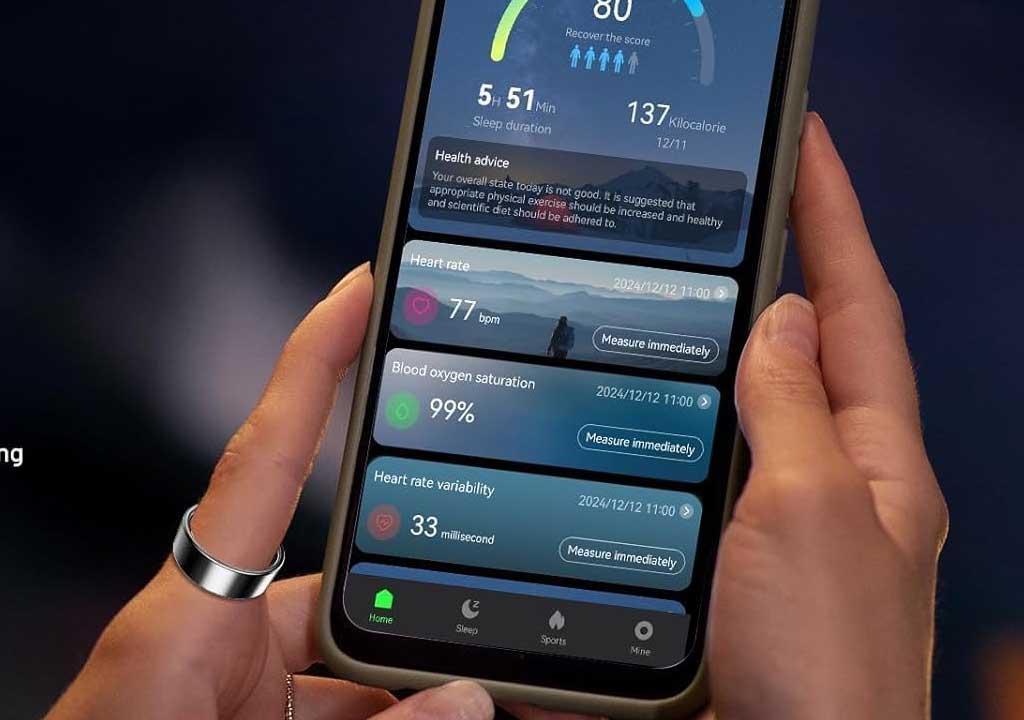
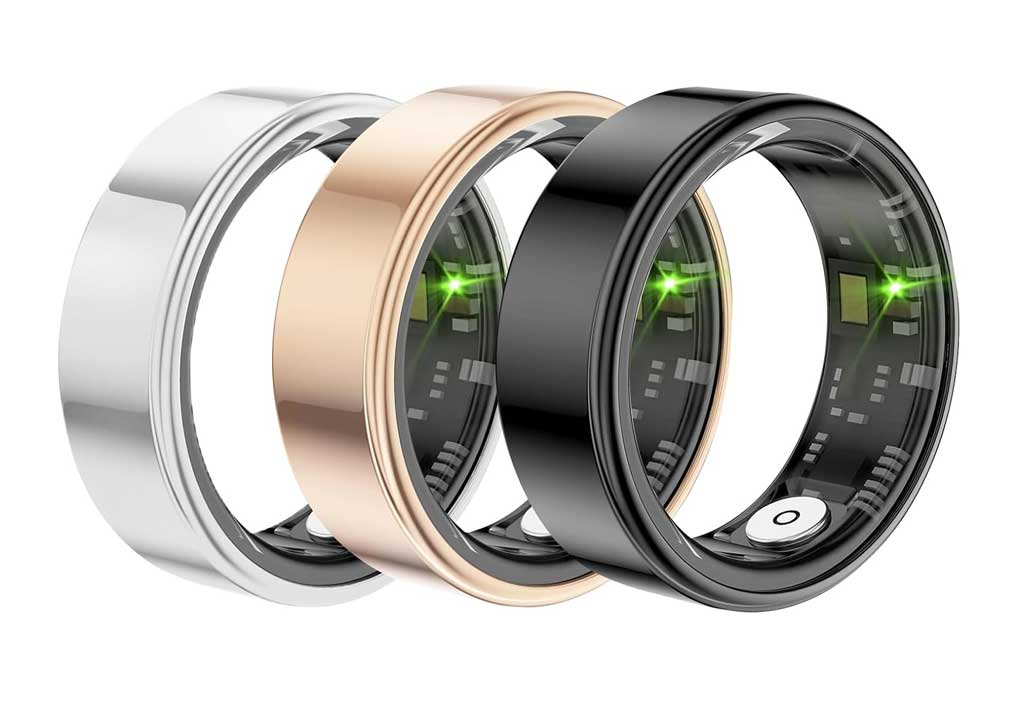
Smart rings—think models like the Oura Ring or other consumer devices—use PPG sensors to detect blood volume changes in the fingertip. From the raw PPG waveform, the device algorithms infer inter-beat intervals (the time between heartbeats) and compute HRV metrics. The ring’s advantage is continuous, long-term data collection in a comfortable, everyday form factor. You don’t have to remember to wear a chest strap or open a phone app during a busy day; the ring can passively collect signals while you sleep, work, and exercise.
There are important caveats, however. HRV derived from PPG is an estimate rather than a direct ECG measurement. Physiological noise, movement, ambient temperature, skin tone, perfusion at your fingertips, and even ring fit can affect accuracy. Consumer devices also use proprietary algorithms to calculate HRV metrics and sometimes emphasize different features (e.g., RMSSD, SDNN, or “HRV score”). The key is to treat the data as a consistent, personal trend indicator rather than an absolute clinical value. With that mindset, smart rings can be incredibly helpful for stress management, training, and sleep optimization.
Key HRV Metrics You’ll Encounter in Ring Apps
While there are many ways to describe HRV, most consumer ring apps report a handful of core metrics. Here are the ones you’re most likely to see, along with what they tend to reflect in practice:
- RMSSD (root mean square of successive differences) – A time-domain metric that captures short-term variability in beat-to-beat intervals. Higher RMSSD generally indicates greater parasympathetic activity and better recovery after stress or exercise.
- SDNN (standard deviation of NN intervals) – A broader measure of overall HRV over a period (often a 24-hour window or shorter). It reflects both sympathetic and parasympathetic influences; lower values can indicate stress or fatigue but must be interpreted in context.
- pNN50 or pNN20 – The proportion of successive intervals differing by more than 50 ms or 20 ms. It’s another index of parasympathetic activity, though less commonly exposed in every ring.
- LF/HF balance – A spectral-domain metric that some devices attempt to approximate the balance between low-frequency and high-frequency components. In consumer devices, this metric is often simplified and should be interpreted cautiously; it’s not a perfect fingerprint of autonomic balance outside a lab.
- Resting HRV or nocturnal HRV – HRV values captured during sleep or at rest. These long windows help smooth daily fluctuations and can reveal recovery quality and resilience to stressors.
In addition to the numeric values, many rings present a “HRV trend” or a color-coded readiness score that condenses the direction and magnitude of change over days or weeks. The important idea is to compare values to your own baseline rather than comparing to someone else’s numbers. Your HRV is highly individual, depending on factors like age, fitness, circadian rhythm, nutrition, caffeine intake, alcohol, and even weather. The ring’s job is to give you a consistent, personal narrative you can interpret alongside how you feel and perform.
Interpreting HRV in Daily Life: Signals, Not Snapshots
One of the most common missteps is treating a single HRV reading as a verdict. HRV data shines when you look at trajectories over days and weeks. Here’s a practical framework for interpretation:
- Baseline matters. After 2–4 weeks of consistent wearing, your device should reveal a reliable baseline. Compare daily values to this baseline rather than to an absolute target.
- Context is king. A low HRV in isolation doesn’t mean you should cancel plans. Was the day unusually physically demanding? Did you sleep poorly or have a stressful morning? Compare context and recent history.
- Acute vs. chronic signals. A temporary dip might reflect a single long flight, a tough workout, or late-night work. A sustained downward trend over a week or more is more concerning and warrants attention to recovery and stress management strategies.
- Daily rhythms. HRV often follows diurnal patterns. It tends to dip during high-stress periods and rebound after rest or sleep. Your ring’s nocturnal HRV gives you a clearer view of your recovery capacity than a morning snapshot.
Remember that HRV data is most actionable when paired with other signals: sleep quality, resting heart rate, perceived stress, mood, energy levels, and even objective outcomes like workout performance or cognitive clarity. The ring’s data becomes powerful when you connect the dots across these domains to guide behavior, not to diagnose a medical condition.
From Data to Action: A Stress-Management Playbook with Ring Data
Turning HRV insights into practical stress management involves a few structured steps. Below is a playbook you can adapt to your life. The idea is to use HRV as a guidepost for when to inject recovery, adjust workload, or implement deliberate breathing and mindfulness interventions.
- Establish your baseline. Wear the ring consistently for 2–4 weeks, aiming for a similar sleep routine and daily schedule. Record subjective well-being, energy, and mood on a simple scale (e.g., 1–10) each day. Create a personal baseline for RMSSD or the HRV metric your ring emphasizes.
- Track triggers, not just numbers. When you notice a drop in HRV, note potential triggers: late-night screen time, caffeine after noon, intense meetings, arguments, or heavy workouts. Look for overlaps between HRV dips and lifestyle choices.
- Create a quick-response stress kit. On days with lower HRV, deploy one or two immediate strategies: 5–10 minutes of paced breathing, a short mindfulness or grounding exercise, a brief walk, or a nap if possible.
- Schedule deliberate recovery after exertion. If you have a strenuous workout or a busy day, plan light days or active recovery to allow HRV to rebound. Use nocturnal HRV as your recovery feedback: a higher nocturnal RMSSD after a rest day suggests improved resilience.
- Use breathing as a reliable regulator. Slow, paced breathing can powerfully influence the autonomic balance. Try 4–6 breaths per minute for 5–10 minutes at the point of greatest stress or before bed to nudge HRV higher and promote parasympathetic activity.
- Incorporate a daily recovery ritual. A short wind-down routine—stretching, light mobility, a brief body scan, and a 5-minute breathing exercise—can noticeably improve your HRV trend over time and improve sleep quality.
- Translate HRV into sleep and performance goals. If your nightly HRV is consistently lower than baseline, adjust your sleep schedule, reduce caffeine, or limit evening activities that elevate stress. If HRV rises, you might consider slightly increasing training load or social engagement, knowing your recovery capacity remains solid.
Here’s a concrete example: you notice your RMSSD dropped 15% below baseline for three consecutive days after a heavy work week and a late flight. You might decide to dedicate two evenings to a wind-down routine with 15 minutes of gentle yoga and 10 minutes of mindfulness breathing, skip the late-night caffeine, and go to bed 30 minutes earlier. The next morning, you perform a 5-minute breathing session before waking fully. If HRV begins to recover within 24–48 hours, you know your strategy is working. If it stays depressed, you reassess workload and sleep quality and consider seeking support if stress persists.
Sleep, Recovery, and HRV: The nocturnal narrative
Sleep is one of the most powerful modulators of HRV. Overnight HRV tends to reflect recovery processes, circadian biology, and how well your body rebounded from prior stressors. Rings that track sleep quality, duration, stages, and nocturnal HRV give you a richer picture than daytime HRV alone. Some practical insights:
- Consistent sleep timing. Regular bed and wake times support stable circadian rhythms, which in turn improve HRV baseline and nocturnal recovery.
- Sleep duration vs. sleep quality. It’s not just the hours but the architecture of sleep. Sufficient deep and REM sleep often coincides with higher nocturnal HRV, signaling better restorative processes.
- Evening routines. Dimming lights, reducing blue light exposure, and avoiding stimulating activities close to bedtime can improve sleep onset and HRV rebound after sleep.
- Alcohol and caffeine timing. Alcohol can blunt nocturnal HRV by disrupting sleep stages, whereas caffeine later in the day can lower both nocturnal HRV and next-day baseline.
Interpreting nocturnal HRV alongside subjective sleep quality can reveal whether your recovery is sufficient for the next day’s demands. A rising nocturnal HRV trend across successive nights is a good sign of maturation in your recovery and stress-management practices. Conversely, persistent low nocturnal HRV may signal unresolved stress, poor sleep consistency, or continued overtraining that warrants adjustments to routine and recovery strategies.
Breathing, Mindfulness, and Ring-Guided Stress Reduction
Breathing exercises are among the most accessible and effective tools for influencing HRV in the moment. When you feel stressed, a simple, structured breathing protocol can shift your ANS toward parasympathetic dominance, boosting HRV within minutes. Smart rings can guide you by prompting breathing sessions, timing them with your current HRV, or helping you establish a daily rhythm.
Recommended approach:
- Choose a calm, quiet space and a posture you can sustain for 5–10 minutes.
- Use a breathing rate of roughly 5–6 breaths per minute (inhale for 4–5 seconds, exhale for 6–7 seconds). This longer exhale fosters parasympathetic activation.
- Pair with a brief body scan: notice tension in the shoulders, jaw, or belly, then release on the exhale.
- End with a 1–2 minute period of silent, relaxed awareness, allowing your HRV to settle back toward baseline.
Consistency matters more than intensity. A daily 5–10 minute practice, especially on days when HRV dips, can lead to noticeable improvements in baseline HRV over weeks. Many ring apps offer guided breathing sessions integrating HRV feedback, so you can see in real time how your breathing affects your heart rhythm. If you notice HRV rising during or after a session, you’ve got a tangible signal that you’re engaging your recovery system effectively.
Movement and Training: Aligning Exercise with HRV
Exercise is a double-edged sword for HRV. On one hand, regular physical activity generally supports a higher baseline HRV due to improved autonomic balance and cardiovascular fitness. On the other hand, intense or excessive training can temporarily depress HRV, signaling insufficient recovery. The smart ring can help you dial in optimal training loads by providing a day-to-day read of recovery and readiness.
Practical tips for athletes and general exercisers:
- Let HRV guide day-to-day intensity. If your HRV is in the lower end of your baseline, choose lighter workouts or active recovery rather than high-intensity sessions.
- Use HRV to structure microcycles. Build a weekly plan that alternates hard days with recovery days, ensuring nocturnal HRV trends show upward movement after recovery blocks.
- Monitor post-exercise recovery. Track how quickly HRV rebounds after workouts. Faster rebound indicates better adaptation; slower rebound suggests you may need more rest or adjustments to volume and intensity.
- Be mindful of stacking stress. If you’ve had a stressful day at work, consider reducing training intensity that evening, even if you feel ready to push. HRV often reflects the cumulative stress you carry into a workout.
Remember that the aim is sustainable progress, not chasing every momentary peak. HRV-informed training can reduce injury risk, improve mood, and enhance long-term performance by aligning training stress with recovery capacity rather than relying on subjective feelings alone.
Limitations and Best Practices When Using Ring HRV Data
While smart rings offer a powerful, user-friendly way to monitor HRV, it’s essential to acknowledge limitations and adopt best practices to avoid over-interpreting the data:
- Not a medical device. HRV trends from rings are excellent for personal insights and behavior change, but they’re not a substitute for clinical HRV measurements or medical advice.
- Measurement accuracy varies. PPG-based HRV estimates can be influenced by ring fit, finger temperature, movement, and ambient conditions. Expect some noise and learn to focus on multi-day trends rather than single-day values.
- Algorithm differences matter. Different brands use different calculation methods and definitions. A ring’s RMSSD score on Monday may not be directly comparable to another device’s RMSSD on the same day. Stay within one ecosystem for longitudinal insight.
Best practices to get reliable insights:
- Wear the ring consistently and ensure it fits comfortably so readings aren’t compromised by movement or poor blood flow.
- Prefer nocturnal HRV and resting HRV signals, which are less sensitive to daytime activity and artifacts than real-time, momentary values.
- Calibrate your interpretation to your baseline. The real power comes from understanding your personal day-to-day trajectory rather than chasing universal targets.
- Be mindful of confounders: caffeine, alcohol, illness, travel, and disruption to sleep can all affect HRV. Note these in a simple diary to improve interpretation.
If a specific metric or feature seems inconsistent between devices, check for the latest firmware, user tips from the manufacturer, and recent user reviews. Sometimes, a software update or a new algorithm release can shift baseline values slightly. Treat the data as a living story about your body rather than a fixed script.
Case Studies: Real-Life Scenarios with Ring HRV
Let’s consider two illustrative scenarios to show how HRV data can inform everyday choices:
Case A: A mid-career professional feels chronically stressed with a demanding week ahead. The ring shows a downward drift in nocturnal RMSSD over three nights, and morning resting HRV is also dipping. Interventions:
- Implement a strict wind-down routine in the evenings, including 10 minutes of guided breathing.- Schedule two lighter workdays and one short, low-intensity workout.
- Ensure caffeine is limited to morning hours and improve sleep consistency.
- Recheck HRV after two days; see a stabilization or rebound if recovery strategies are effective.
Case B: A weekend athlete notices high HRV after a couple of easy days, followed by a major training block the next morning. The ring reports elevated HRV the night before the high-intensity session and a modest drop afterward, which then rebounds quickly. Interventions:
- Plan the high-intensity session when nocturnal HRV shows a strong baseline trend.
- Include a proper warm-up and post-workout cool-down to support recovery.
- Monitor subsequent nights’ HRV to ensure no delayed fatigue signatures.
- Adjust the next few days’ training if HRV remains suppressed beyond 24–48 hours.
These scenarios illustrate how HRV isn’t just about one day’s number; it’s about context, trend, and how your body responds over days and weeks. The ring’s data, when interpreted thoughtfully, helps you align stress management with actual recovery capacity rather than relying on intuition alone.
Practical Routines You Can Start This Week
Here are a handful of accessible routines that leverage HRV data without requiring a deep dive into physiology. Pick a few that fit your lifestyle and commit to a 4-week trial to see how they influence your HRV trends and perceived stress.
- Evening wind-down (10–15 minutes): 5 minutes of slow breathing (5 breaths per minute) followed by a 5-minute body scan or progressive muscle relaxation. This routine is designed to nudge HRV higher overnight.
- Morning reset (5 minutes): A brisk walk or mobility routine combined with a 2-minute focused breathing session to set a calm autonomic balance for the day ahead.
- Caffeine and alcohol mindfulness: Track intake and avoid late-day caffeine. If HRV dips persist, reduce or eliminate alcohol for a few days to see if nocturnal HRV improves.
- Recovery-first training days: On days with reduced HRV, choose lighter training or mobility work; on days with high HRV, consider modestly increasing exercise load if your schedule allows.
- Weekly reflection: Set aside 15–20 minutes to review the week’s HRV trends alongside sleep quality, mood, and energy. Use this to adjust the coming week’s plan.
Consistency is the best predictor of benefits. The goal is not perfection in HRV signals but progress in your ability to respond to signals with smarter choices—choices that reduce unnecessary stress and improve recovery over time.
Putting It All Together: A Simple, Actionable Framework
To make the most of HRV data from a smart ring, combine the science with practical habits. Here is a compact framework you can adopt:
- Measure. Wear your ring consistently for at least 2–4 weeks to establish a baseline. Focus on nocturnal HRV and resting HRV as your primary signals.
- Interpret wisely. Look at trends rather than single-day values. Consider sleep quality, mood, energy, and workouts when interpreting HRV changes.
- Act promptly. Use simple interventions like breathing, short walks, or a wind-down routine in response to a dip in HRV.
- Gradually adjust. If HRV remains depressed, reduce training load, improve sleep hygiene, and manage stressors. If HRV improves, consider incremental training increases or more restorative activities.
- Reflect weekly. Review the weekly HRV chart alongside subjective well-being. Identify patterns (e.g., “low HRV after late-night meetings”). Use those insights to design the upcoming week.
Over months, you’ll likely observe a more resilient stress response, improved sleep, and more consistent energy. HRV-based stress management doesn’t replace good habits; it guides you to maintain them more effectively and to recognize when adjustments are needed to protect your well-being.
Ethics, Privacy, and Data Ownership
As you collect more personal data about your physiology, it’s natural to ask: who owns the data, and how is it used? When engaging with smart rings and their companion apps, consider these points:
- Understand the privacy policy: where your data is stored, who can access it, and whether it’s shared with third parties.
- Review permissions: some apps integrate with health platforms and researchers; manage data sharing settings accordingly.
- Local backups vs. cloud storage: decide how your data is stored and how long it’s kept.
- Data portability: check whether you can export your HRV data if you decide to switch devices or platforms.
Treat your HRV data as a personal wellness tool rather than a product to monetize. Use your insights to improve your health and life—privacy-conscious choices will help you sustain that trust over time.
Looking Ahead: The Future of HRV and Ring-Based Stress Science
The field of HRV research is evolving rapidly. Advances in wearable sensors, machine learning, and individualized baselines hold promise for more precise, context-aware interpretations. Expect rings to become better at distinguishing sources of HRV change (sleep vs. stress vs. physical exertion) and to offer more localized, user-friendly coaching. Some possible future directions include:
- Improved artifact rejection and more accurate HRV estimates during movement or exercise.
- Personalized coaching that adjusts recommendations based on your history, goals, and daily context.
- Deeper integration with other biosignals, such as skin temperature or respiration rate, to refine stress assessment.
- Enhanced privacy controls and data ownership frameworks to empower users with choices about data sharing and usage.
As these tools mature, the core principle remains: HRV is a flexible, personal signal of your body’s readiness, recovery, and stress tolerance. With thoughtful use, smart rings can help you harness that signal to live more balanced, resilient days.
Conclusion: Data-Driven Calm in a Busy World
Heart rate variability is not a magic bullet, but it is a powerful lens on your autonomic nervous system and your body’s capacity to handle stress. Smart rings have made HRV accessible to everyday life, enabling continuous monitoring, trend analysis, and actionable habits. By baselining your own physiology, interpreting trends with context, and layering in practical strategies—breathing, sleep optimization, recovery-focused training, and mindful movement—you can reduce stress, improve sleep, and enhance daily performance.
As you experiment with HRV-informed routines, keep a simple ethic: use the data to guide compassionate, proactive responses to stress, not to chase perfect numbers. Your goal is not to maximize HRV in a vacuum but to cultivate a resilient nervous system that supports your health, energy, and happiness even in the face of life’s inevitable pressures. The ring is a coach in your pocket—listen to its signals, answer with care, and you’ll likely find stress management feels more doable and more effective than you expected.
Disclaimer
The content provided here is for educational and informational purposes only. HRV data from wearables should not be used to diagnose or treat medical conditions. If you have health concerns or a chronic medical condition, consult with a qualified healthcare professional before making changes to your exercise, sleep, or stress-management routines.
LIKED THIS ARTICLE? SHARE IT: