







Real-Time Recovery Windows: When Your Ring Signals You Need Rest

Real-Time Recovery Windows: When Your Ring Signals You Need Rest
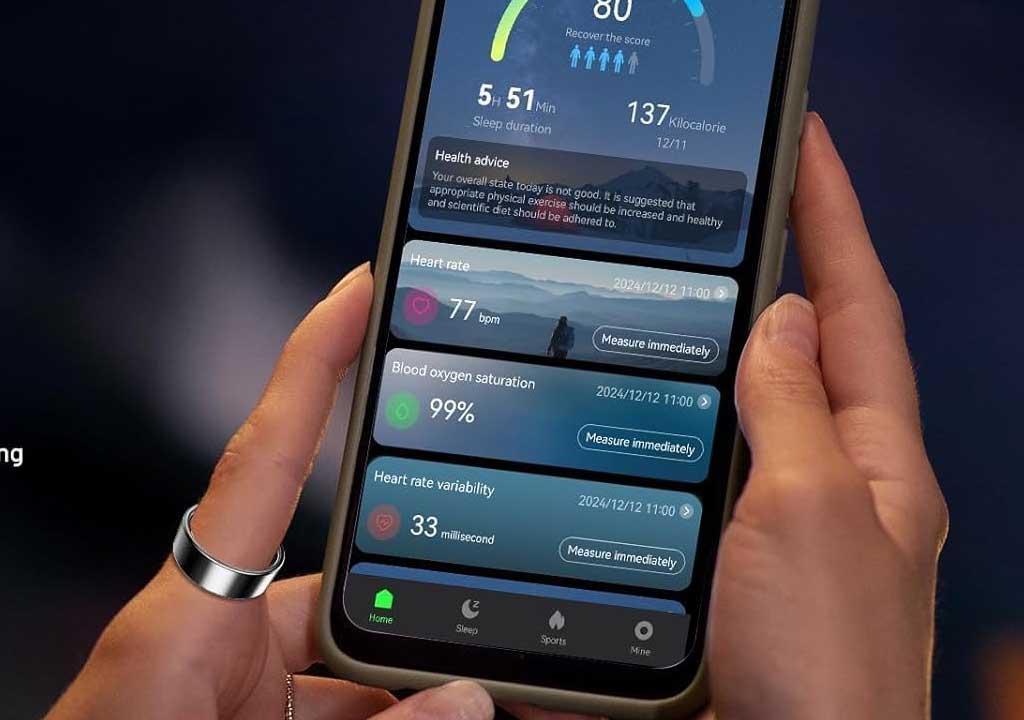
In a world that prizes productivity and hustle, wearable technology has quietly become a personal coach for the body. Rings like the Oura Ring, along with other devices, monitor heart rate, heart-rate variability (HRV), skin temperature, sleep stages, and activity load to tell you not just how you slept, but how ready you are to perform. One of the most powerful ideas these devices introduce is the concept of a Real-Time Recovery Window—a moment in the day when your physiology is primed for rest, recovery, and restoration. When your ring signals you to rest, it’s not just a notification; it’s a data-informed invitation to pause, reset, and come back stronger. In this post, we’ll unpack what Real-Time Recovery Windows are, why they matter, how rings detect them, and practical ways to act when your ring says you need rest.
What is a Real-Time Recovery Window?
Put simply, a Real-Time Recovery Window is a moment or span during your waking hours when your body’s internal signals indicate that restoration would be beneficial. It’s not a rigid schedule but a physiological moment-to-moment assessment. The concept rests on a few core ideas:
- Your autonomic nervous system is always fluctuating between a sympathetic state (think “fight-or-flight” and mental urgency) and a parasympathetic state (the “rest-and-digest” mode). A healthy balance allows you to perform with clarity and then recover efficiently.
- HRV, the variation in time between heartbeats, tends to rise when you’re more relaxed and your body is ready for recovery tasks like sleep, lighter activity, or focused breathing. A lower HRV can indicate stress, fatigue, or high cognitive load, signaling a need for rest or a break.
- Circadian rhythms and sleep debt interact to shape when your body is willing to recover. An afternoon dip, a late-night work session, or a heavy training day all modify when a recovery window is most accessible—and when it’s best to honor it.
Wearable rings constantly sample data points and translate them into actionable signals. A Real-Time Recovery Window is the intersection of real-time data and practical response: a moment when you can choose to pause, reset your cognitive load, or take a restorative nap, rather than soldiering through fatigue that will only accumulate later.
Why Recovery Windows Matter
Recovery is not just about sleeping longer at night. It’s about the quality of your waking recovery—the micro-rests, the breathing breaks, the postural changes, and the timing of your activity that allow you to perform better, feel more resilient, and avoid burnout. Here are a few reasons these windows matter:
- Cognitive performance: When you’re in or approaching a recovery window, your brain’s efficiency, attention, and working memory often improve after a short rest or reset.
- Physical performance and resilience: Short rests can reduce perceived exertion, lower heart rate during activity, and prepare muscles and the nervous system for the next bout of work or training.
- Mood and decision-making: Rest signals help regulate stress hormones and mental fatigue, supporting better choices, especially under pressure or tight deadlines.
- Sleep hygiene and debt management: Repeatedly honoring real-time recovery can reduce sleep debt over time, improving overall sleep quality and daytime functioning.
Crucially, Real-Time Recovery Windows are not about celebrating laziness or avoiding responsibility. They’re about aligning your actions with your biology so you can sustain high performance without paying a hidden fatigue tax in the days that follow.
How Your Ring Detects a Recovery Window
Smart rings gather a blend of metrics, then apply proprietary algorithms to generate insights. While the exact math varies by brand, the general signals that point to a real-time recovery window include:
- Heart-rate variability (HRV): Higher HRV levels generally signal a more relaxed autonomic state and recovery readiness. When HRV shows a favorable trend during the day, a recovery window may be present or emerging.
- Resting heart rate (RHR): A lower-than-usual resting heart rate for you can indicate reduced stress and a favorable state for rest or light activity that won’t tax the system.
- Sleep pressure and wakeful rest: If you’ve had insufficient sleep or a heavy cognitive load, your ring may register a need for micro-rests or a strategic nap window when opportunities arise.
- Skin temperature and peripheral signals: Subtle shifts can reflect circadian phase shifts, inflammation, or fatigue. When combined with HRV, these cues refine the assessment of recovery readiness.
- Activity load and recovery balance: The ring tracks daily activity against planned rest days and recovery workouts. If your body signals that it’s under-recovered, the device may prompt a rest or lighter activity window.
Importantly, rings don’t “force” rest; they inform you. The signals are most useful when you learn to interpret them in the context of your day—meeting a demanding meeting, training schedule, or household responsibilities—and choose a response that respects both your responsibilities and your physiology.
Interpreting the Signals: When the Ring Says Rest
Seeing a rest signal is only the start. The real value comes from translating the data into practical action. Here are common signals you might see and how to interpret them:
- Subtle vibration and a calm alert: This often indicates a brief rest window—think 5-15 minutes. A simple breathing exercise or a quick standing stretch can be enough to reset mental energy.
- A gentle vibration with a “rest now” or “nap recommended” message: This is typically a stronger prompt. Consider a 10-20 minute micro-nap, a dedicated breathing session, or a short walk in fresh air to reset cognitive load.
- A more urgent alert during high-stress tasks: You’re at risk of cognitive fatigue impacting performance. Pause, switch to a lighter task, or take a longer break to prevent errors and irritability.
- A circadian-aligned signal around midday: If you routinely crash after lunch, the ring might encourage a short nap window or a slow-down period to align with your natural dip.
Remember: no signal is a verdict on your worth or capability. It’s a probabilistic cue based on measurements. Your response should fit your context: your schedule, your health goals, and your energy needs. If you’re in a board meeting, you might choose a one-minute breathing protocol rather than a nap. If you’re at home on a weekend, you might opt for a longer rest or a 20-minute nap to reset for the afternoon.
Practical Steps to Act on a Real-Time Recovery Window
When your ring signals that a rest window is available or advisable, here are practical, science-informed actions you can take to maximize recovery without derailing your day:
1) Try a quick breathwork routine. The 4-7-8 or box-breathing pattern can calm the autonomic nervous system within minutes, increasing parasympathetic activity and reducing perceived stress. A minute or two of focused breathing can transform mental clarity in the next task.
2) Take a micro-nap or a deliberate rest break. A 10- to 20-minute nap can restore alertness and reduce sleep inertia if you time it strategically (not too late in the day). If you can’t nap, a quiet, dimly lit rest with eyes closed for 5-10 minutes can still be restorative.
3) Stand, stretch, and move mindfully. If a pause isn’t convenient for a nap, a few minutes of mobility work, posture resets, or a short walk can shift autonomic balance and refresh your brain.
4) Hydrate and manage caffeine timing. Light dehydration and poorly timed caffeine can worsen fatigue. A glass of water and a deliberate think-through about caffeine timing (e.g., avoiding caffeine close to bedtime) can help long-term recovery.
5) Optimize your environment. If you have a window to rest, dim the lights, reduce ambient noise, adjust room temperature to a cooler setting (around 66-68°F / 19-20°C depending on comfort), and set up a comfortable position or pillow arrangement. Even a short rest in a conducive environment can shift your physiology toward recovery.
6) Plan follow-up actions. After a rest window, you’re likely to feel more alert and capable. Use that energy to tackle high-priority tasks or schedule a lighter workload to capitalize on the refreshed state.
7) Use a consistent routine. The benefit compounds when rest windows are integrated into a routine. Consistency helps HRV stabilize and improves sleep quality over time, creating a positive feedback loop for daily performance.
8) Respect sleep debt without over-fasting your day. If you have chronic sleep debt, your ring might show frequent recovery windows scattered throughout the day. Address longer blocks of sleep on schedule while still leveraging shorter rest moments to keep you steady between sleeps.
Real-Life Scenarios: Translating Signals Into Action
Seeing a real-time recovery window in your day is most powerful when you can imagine concrete actions. Here are two common scenarios and practical responses that align with physiology and daily life:
Scenario A: Afternoon slump at work. You’ve had a morning of back-to-back meetings, and your ring signals a recovery window due to rising fatigue and lower HRV. Action: Step away for a 10-minute walk outdoors or a 15-minute power nap if possible. If you can’t leave the desk, switch to a low-cognitive-load task (data entry, organizing files) and perform a quick 90-second breathing session or a short stretch routine. Finish with a glass of water and a light, balanced snack to stabilize blood sugar and hydration.
Scenario B: Training day followed by a heavy mental task. Your ring detects that you’ve hit a high effect on cognitive load and a need for autonomic balance. Action: After your training window, schedule a 15-20 minute recovery block focusing on mindfulness, light mobility, and breathing. If you’re navigating a project deadline, defer non-urgent tasks and prioritize mentally demanding work for when your body is more recovered. A gentle cooldown and post-work nutrition can further support recovery.
Scenario C: Travel fatigue and jet lag. Your ring indicates disruptions in HRV and uneven sleep pressure. Action: Build a recovery-first day plan around local time cues, maximize daylight exposure to preserve circadian alignment, and incorporate short naps or resting breaks to ease the transition. Hydration and consistent meals will help stabilize your internal clock.
Scenario D: Busy parenthood and evenings. After a long day, a real-time recovery window might encourage a brief reset before bedtime routines. Action: A 5- to 10-minute breathing or stretching session can prevent cognitive overactivation before sleep, improving sleep onset and quality later in the night.
Designing Your Day Around Real-Time Recovery Windows
To harness the value of real-time recovery signals, you may want to structure your day with intentional windows for rest and reset. Here are practical strategies:
- Map your day to circadian patterns. Identify when you typically experience a dip (often early afternoon) and plan a recovery moment around that time. Even a short pause can re-center you for the next block of work.
- Build “micro-rest” into your routine. Short breaks for breathing, stretching, or a quick walk help maintain performance across the day. The ring can remind you to take these micro-rests before fatigue compounds.
- Align training with recovery windows. If you exercise regularly, use the ring’s recovery signals to decide whether to push for an extra set, adjust intensity, or add a cooldown. The goal is sustainable progress, not maximal daily load.
- Use naps strategically. If you’re in a position to nap, a 10-20 minute nap can be a powerful reset. If longer sleep is not feasible, shorter naps can still provide meaningful cognitive and mood benefits.
- Integrate sleep hygiene practices. Prioritize consistent bedtimes, a dark and cool sleeping environment, and pre-sleep routines. Real-time signals during the day won’t fully compensate for chronic sleep deprivation at night; long-term health hinges on good nighttime recovery too.
Tips for Getting the Most from Your Ring’s Recovery Insights
Like any tool, the value comes from thoughtful use. Here are tips to maximize the benefit of real-time recovery signals:
- Calibrate your expectations. Numbers and signals are guides, not verdicts. Use them to inform decisions, not to judge yourself for being tired or lazy.
- Personalize thresholds. Some devices allow you to customize what HRV ranges or RHR changes trigger alerts. Tailor these thresholds to your baseline so signals reflect your personal physiology rather than generic benchmarks.
- Consider your context. A signal during a high-stakes presentation may require different action than a signal on a slow weekend. Use discretion and align responses with priorities and safety considerations (e.g., avoid driving if you’re fatigued).
- Track trends, not single days. Look at patterns over weeks to understand how your recovery windows relate to sleep quality, mood, and performance. Consistency matters more than occasional heroic efforts.
- Combine data with self-report. Your subjective sense of fatigue, mood, and energy is valuable. Use the ring as a prompt to reflect on how you feel and adjust accordingly.
- Protect your brain space. If you’re inundated with notifications, turn on a quiet mode or schedule “focus windows” to ensure you can act on rest signals without feeling overwhelmed by alerts.
Common Myths and Pitfalls
As wearable wisdom enters daily life, it’s easy to slip into myths or misinterpretations. Here are common pitfalls and how to avoid them:
- Myth: If the ring signals rest, you must stop everything. Reality: Use discretion based on context. Even a short pause or breathing exercise can be valuable without derailing important responsibilities.
- Myth: HRV is the only marker of recovery. Reality: HRV is important, but it’s not the sole indicator. Combine multiple signals (RHR, sleep quality, activity balance) with your own perception of fatigue.
- Myth: You can “out-train” fatigue. Reality: Training adaptation requires recovery. Ignoring rest cues can lead to diminishing returns, injuries, or burnout over time.
- Myth: Rest signals mean you’re weak. Reality: Rest is a powerful, evidence-based tool for sustaining high performance and long-term health. It’s a sign of listening to your body, not weakness.
- Pitfall: Relying only on device data. Human experience matters. If you’re feeling unusually drained or unwell, consult a professional and consider broader health signals beyond wearables.
Ethics, Privacy, and Using Data Wisely
As you collect more physiological data, it’s reasonable to consider privacy and data use. Here are a few quick reminders:
- Understand who has access to your data. Review privacy settings and terms to understand how data is stored and who can access it, especially if you share devices or accounts with family or colleagues.
- Use data for personal optimization, not social pressure. The goal is to support your health and well-being, not to compare yourself to others or to chase an ideal numeric target.
- Be mindful of what you share. If you publish or discuss results publicly, anonymize data or focus on your own experiences rather than raw metrics that might raise privacy concerns.
Case Studies: Real-World Applications
To illustrate how Real-Time Recovery Windows can transform daily life, consider three brief case studies that reflect common patterns:
Case 1: Alex, a software engineer with a packed calendar. Alex’s ring often signals a recovery window around 2:30 p.m. He uses this signal to take a 15-minute walk and perform a five-minute breathing routine. The result is improved focus for a late-afternoon sprint while reducing caffeine reliance. Over weeks, Alex notices steadier energy, fewer mood swings, and a reduced sense of mental fatigue at the end of the day.
Case 2: Priya, a nurse balancing shift work and family. Priya’s ring shows frequent recovery cues after shifts, with longer outdoor breaks and short naps occasionally, depending on patient load. By prioritizing these windows—especially after night shifts—Priya experiences better sleep quality on days off and improved resilience during high-stress periods at work.
Case 3: Mateo, a university student juggling coursework and part-time work. Mateo uses quick recovery blocks to manage cognitive overload. He places a 10-minute nap between study sessions, followed by a 2-3 minute mindfulness exercise. The pattern reduces study fatigue, improves retention, and helps him maintain healthier study rhythms during exam weeks.
Closing Thoughts: Making Real-Time Recovery Windows Work for You
Real-Time Recovery Windows are a bridge between physiology and daily life. They remind us that rest is not a luxury but a fundamental tool for consistent performance, learning, and well-being. A wearable ring can be a generous tutor, offering nudges that help you pause before fatigue compounds and to recalibrate when energy dips. The goal isn’t perfection or never pushing through discomfort; it’s about informed choices that align your actions with your body’s signals, enabling sustainable progress over time.
As you begin to notice and act on your ring’s real-time recovery cues, a few practical habits can help embed rest into your routine:
- Build a flexible rhythm. Let rest windows guide you, but stay adaptable. Some days may require longer breaks; others may be best served by micro-rests. The key is to respond with intention.
- Prioritize sleep health. Consistent nighttime sleep enhances daytime recovery signals. View nighttime recovery as the foundation that supports your real-time strategies during the day.
- Cultivate a recovery toolkit. A short nap, a breathing drill, a stretch routine, a mindful moment—these are all tools you can draw on when signals appear. Build a small set of trusted practices you can rely on quickly.
- Share and reflect. If you live with others, sharing your rest intentions can reduce interruptions and help you honor your recovery windows. Regular reflection on what works best helps you tune your personal algorithm for living well.
Final Note: Your Ring Is a Guide, Not a Dictator
Technology can illuminate the path to better rest, but you are the one who decides how to walk it. Real-Time Recovery Windows are meant to empower, not constrain. They offer a chance to tip the balance toward recovery when fatigue begins to mount, and to preserve your energy for the moments that truly matter. With thoughtful interpretation, small shifts in daily routine, and a respectful approach to rest, your ring can become a trusted partner in maintaining your health, performance, and happiness.
So the next time your ring vibrates with a gentle nudge or flashes a reminder to rest, pause. Take a breath, check in with how you feel, and choose the action that best supports your day and your long-term well-being. Real-Time Recovery Windows aren’t about chasing perfection; they’re about building a sustainable pace—one restful moment at a time.
LIKED THIS ARTICLE? SHARE IT: