








Color, Craft, and Connectivity: The New Era of Smart Ring Fashion Tech

Color, Craft, and Connectivity: The New Era of Smart Ring Fashion Tech
In the last decade, wearable tech has moved from niche gadgets to part of our daily wardrobe. But if smartwatches brought the dashboard into our wrists, smart rings are pushing the interface deeper into the body, closer to everyday rituals, and closer to the delicate art of personal adornment. The new era of smart ring fashion tech blends three core ideas—color, craft, and connectivity—to create accessories that are not only useful but also expressive, durable, and culturally resonant. This is a moment when technology, jewelry-making, and user experience converge to redefine how we communicate, monitor, and control our environments. In this post, we’ll explore how color theory informs design choices, how traditional and modern craft intersect to produce rings that are both beautiful and capable, and how connectivity technologies transform rings from novel gadgets into trusted, context-aware companions. By examining the intersections of aesthetics, technique, and tech, we can forecast a future where smart rings are as much about identity and tactility as about data streams and notifications.
1) Color as Identity: The Palette of Personal Technology
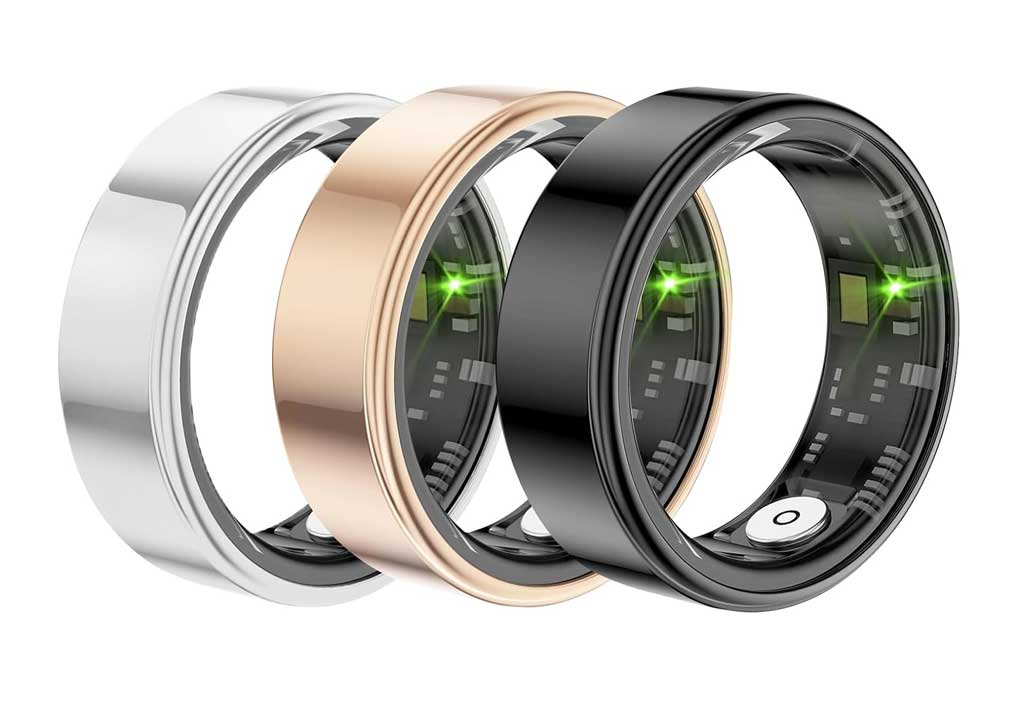
Color in fashion has always conveyed mood, status, and intention. In smart rings, color is not only a style statement but also a signal about function. Designers are increasingly treating color as a semantic layer—coding ring finishes to suggest different modes, battery states, or levels of privacy. A matte black ring might imply stealth mode or minimal distraction; a warm gold finish could signal a premium or ceremonial use; a jewel-toned enamel might invite playfulness and social warmth. This approach borrows from color psychology: warm hues can feel inviting and energizing, cool tones can feel calm and technical, and metallics can imply luxury and durability. But color does more than convey mood. It can aid comprehension in a glance. A ring that shifts from blue to cyan as a notification arrives, for example, communicates priority at a distance, reducing the need to pull out a phone in a crowded room. Designers are also exploring color in the ceramic and metal substrates themselves—partial vanishing coatings, gradient finishes, and subtle iridescence—to create a sense of depth that reflects the user’s environment and movement.
The palette extends beyond surface color to include light and shadow. Micro-LEDs embedded in a ring’s bezel or a thin, flexible display layer under sapphire glass can render color accents that respond to ambient lighting. Imagine a ring whose edges glow in a cool halo when you’re in a meeting, then shift to a warmer glow when you’re outdoors or at a social gathering. The effect is not just decorative; it becomes a user experience language. Color cues can indicate which app is active, whether you’ve completed a health goal, or if you’ve received a critical alert that deserves immediate attention. In this sense, color becomes a language of interfaces—public, legible, and inclusive—capable of communicating intent without interrupting the wearer’s flow.
Beyond signaling, color enables personalization. Interchangeable bands and rims made from different materials—titanium, high-grade stainless steel, ceramic composites, even recycled ocean plastics—allow users to curate a ring that reflects their evolving identity. A ring can be a steady daily companion with a minimalist monochrome finish, or it can transform for a party, a formal event, or a creative collaboration with bold patterns. The ability to customize color schemes also supports accessibility: high-contrast combinations can improve readability for users with certain visual impairments, while tactile finishes paired with color can provide richer, multi-sensory cues.
2) Craft as Craftsmanship: From Jewel to Micro-Engineering
The craft of smart rings is a testament to how jewelry-making traditions and micro-engineering can harmonize. Rings have always existed at the intersection of utility and beauty, but today’s rings must also endure micro-battery life cycles, waterproofing, thermal management, and safe skin contact. This demands a synthesis of artisanal methods and precision manufacturing. On one hand, skilled metalsmiths and gem-cutters bring a human touch to shaping, polishing, and finishing; on the other hand, engineers leverage CAD/CAM, 3D printing, and micro-machining to realize tolerances measured in micrometers. The result is a product that respects the tactile heritage of jewelry while embracing the exactitude and repeatability of modern fabrication.
Materials selection is central to this craft. Titanium and medical-grade stainless steel provide strength and biocompatibility, while ceramic composites offer a premium, scratch-resistant surface that remains cool to the touch. Some rings employ sapphire crystal for the outer faces—hard, scratch-resistant, and optically clear—allowing subtle display elements to stay legible through daily wear. The interior surfaces, meanwhile, are engineered for comfort: beveled edges, smooth radii around knuckles, and hypoallergenic coatings to minimize irritation during hours of wear. Finishes matter as much as function. PVD (physical vapor deposition) coatings create durable color layers that resist wear, while anodization can yield smoky or iridescent hues that shift with light and angle. The craft challenge is to balance durability with aesthetics, ensuring a ring that feels luxurious yet never burdensome as you type, gesture, or sleep.
Finishing techniques borrow from traditional jewelry and extend into contemporary electronics assembly. A hand-lapped edge might meet a precisely placed micro-sensor array, a seam sealed with skin-safe adhesives, and a waterproof seal designed to resist sweat and immersion. The assembly must be compact and elegant, yet robust enough to survive years of daily use. This is where modularity becomes a virtue. Interchangeable components—such as sensor modules, battery segments, or decorative inlays—can be swapped or upgraded without discarding the entire piece. Modular design lowers long-term costs for users and reduces waste, aligning with sustainability goals that many brands are embracing. The craft ethos here is reverence for both the art of the ring and the science of the chip, acknowledging that elegance is born at the seam where aesthetics meet engineering.
Craft also means collaboration. Designers partner with artisans who bring regional techniques—engraving styles, inlay work, patinas, or traditional gilding—to life in a modern context. This collaboration yields unique editions that feel rooted in culture while still feeling contemporary. It’s a reminder that smart rings aren’t just machines; they are heirlooms in the making—objects that gain meaning through time, use, and personal narrative. The craft-first mindset invites wearers to value tactile experience, not merely digital features, and it encourages responsible consumption by emphasizing longevity, repairability, and care in materials choice.
3) Connectivity at the Core: The Ring as a Quiet Gatekeeper
Connectivity is the invisible engine behind a smart ring’s value proposition. While we often associate wearable tech with screens and apps, rings excel in delivering context-aware functionality in a discreet, low-friction form factor. The most common backbone is Bluetooth Low Energy (BLE), which enables seamless pairing with smartphones and smart home ecosystems. But the ring’s connectivity toolkit is broader than BLE. Near-field communication (NFC) can enable contactless payments and quick authentication for door access or secure workstations. Ultra-wideband (UWB) offers precise ranging to unlock devices at a distance or to enable more secure, proximity-based interactions. Sub-1 GHz and other wireless options sometimes appear in specialized rings for extended range or robust, low-power operation in challenging environments. The aim is to keep energy use minimal while delivering reliable, real-time responses when you need them.
Security and privacy are paramount in smart rings. Unlike screens that can be easily locked or erased, rings are always on your finger, so the data they capture—heart rate, sleep patterns, location cues, or usage habits—requires careful design. The most trusted rings implement multi-layered protection: secure enclaves for sensitive data, encrypted communication channels for both pairing and data transfer, and user-consent-driven data sharing that can be paused or revoked at any time. On-device processing can further minimize data leaving the ring, with edge computing for routine tasks (like tapping the ring to mute a notification) handled locally rather than in the cloud. Many manufacturers are also exploring privacy-preserving features such as decoupling sensitive actions from cloud processing, or giving users explicit control over which apps and services can awaken the ring for notifications, payments, or access control.
One practical value of connectivity is the ability to orchestrate multi-device scenarios. A ring can act as a master control for a smart home: dimming lights, adjusting climate, opening the garage, or broadcasting a “you’ve arrived” cue to a smart speaker. It can also coordinate with other wearables to create a holistic health narrative—sharing insights with a clinician, calibrating a fitness routine with a coach, or syncing data across devices used in a clinical or enterprise setting. Connectivity also enables offline modes. For example, a ring could store a subset of secure credentials locally, allowing quick authentication even when a phone isn’t in range, then synchronize once a trusted connection is reestablished. The design philosophy is to minimize friction without compromising safety, providing a sense of continuity that feels invisible and effortless to the wearer.
From a design perspective, connectivity also informs how rings interact with the physical world. Tiny vibration motors provide haptic feedback for alerts or guided interactions, while micro-light emitters offer non-intrusive visual cues. The challenge is balancing sufficient feedback with the natural, unobtrusive presence of a ring. After all, a ring is worn on a finger that constantly moves and touches objects; any cue must be discernible but not disruptive. Some rings adopt subtle color shifts or gentle pulse patterns to indicate notifications, while others may rely on a quick tactile tap or a soft vibration to confirm a user’s action. The best designs make connectivity feel like a natural extension of the wearer’s own body—quiet, responsive, and almost invisible until needed.
4) The User Experience: Subtle Interfaces, Rich Interactions
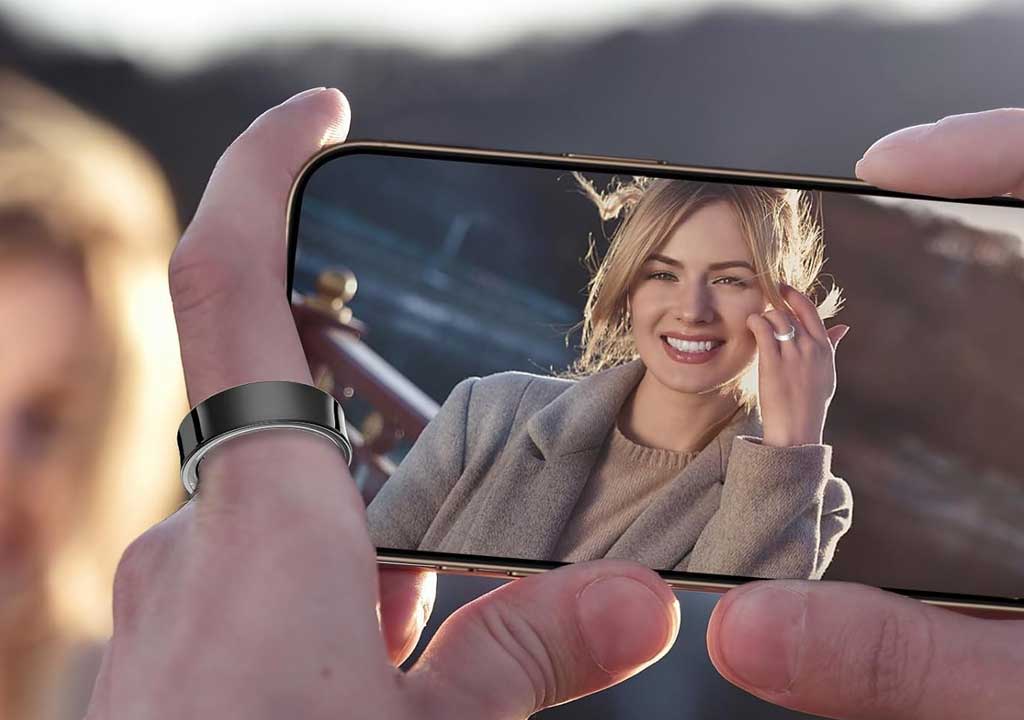
Smart rings redefine not just what you can do, but how you do it. A ring-based interface often relies on gestures, taps, and rotations that map to essential tasks without demanding screen time. A single tap might silence your notifications or skim through a playlist; a double tap could take a photo or toggle a mode; a twist or rotate of the ring’s bezel could adjust volume or brightness. The design challenge is to teach intuitive gestures that feel natural yet are precise enough to avoid accidental activations. The best rings offer a combination of tactile feedback and visual cues, reinforcing the mapping between action and outcome. If a gesture fails, the user should be able to recover quickly with a predictable alternative rather than confronting a dead-end error.
Accessibility is a core consideration in the user experience. That means larger, higher-contrast indicators for those with visual differences, audio cues for users with limited vision, and configurable haptic strengths to accommodate a broad range of tactile sensitivity. The goal is to maintain universal design principles while still delivering the personal flair that makes a ring feel unique. App ecosystems play a critical role here. A well-designed companion app should extend the ring’s capabilities without overcomplicating them. It should offer clear onboarding, straightforward customization options, and transparent energy management, so users understand how the ring is using power and how to extend its battery life through simple adjustments.
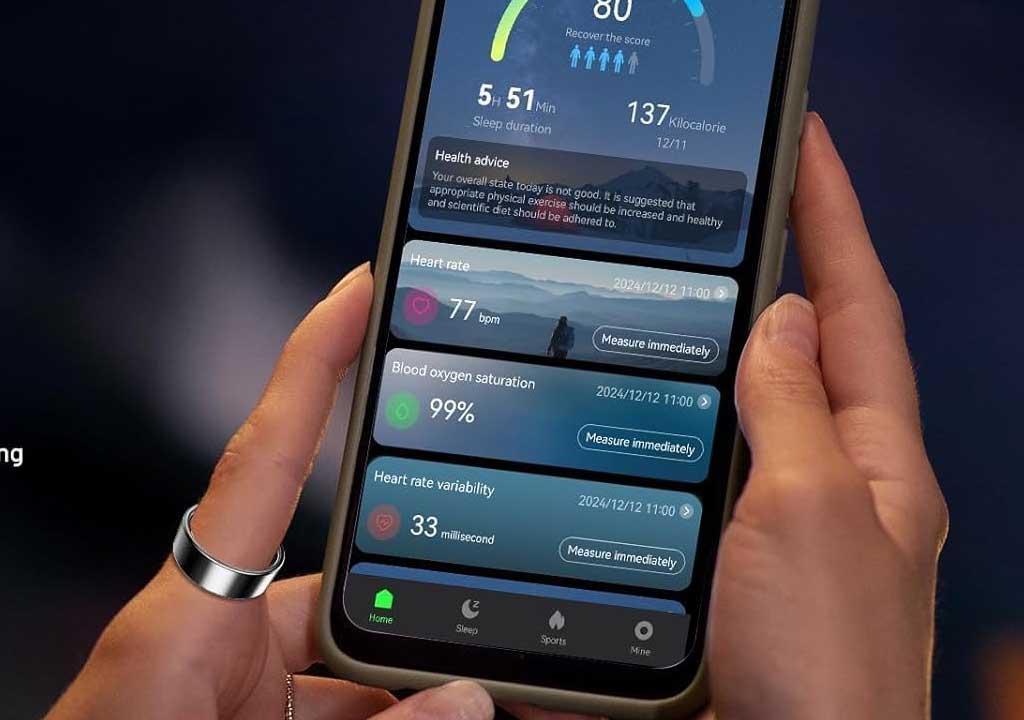
Beyond notifications and controls, rings are increasingly used for wellness and privacy-conscious data collection. Subtle sensors can track heart rate variability, skin temperature, sleep stages, and activity patterns, presenting insights in digestible formats. The act of wearing a ring—less obtrusive than a wristband—can encourage longer-term data collection and more natural daily rhythms. But with this comes responsibility: users must consent to data collection, understand what is being collected, and have meaningful control over how their data is stored and shared. The ideal experience respects user autonomy, blends health insights with lifestyle, and remains faithful to fashion-forward aesthetics that encourage ongoing wearability rather than one-off novelty.
5) Real-World Uses: From Wellness to Access
Smart rings have found a place in diverse contexts—each favoring the ring’s blend of discretion and capability. In the wellness realm, rings offer continuous, unobtrusive monitoring of physiological signals. By tracking heart rate, sleep patterns, skin temperature, and activity, rings can help users identify stress patterns, optimize recovery, and support personalized fitness programs. The advantage over other wearables is the less visually invasive form factor; wearing a ring is a daily habit for many, which means long-term data can be gathered more consistently without the friction of remembering to wear a device on the wrist.
In the realm of productivity, rings can streamline day-to-day tasks without interrupting flow. For example, a ring that can silence a phone, switch modes, or trigger ambient adjustments (like lighting scenes) with a subtle gesture reduces the cognitive load of toggling screens and apps. Payments and authentication become seamless through NFC and secure elements built into the ring, enabling fast, contactless transactions or door access in corporate campuses, coworking spaces, and hotels. The sense of security paired with convenience changes how people move through spaces—less rummaging for cards, less fumbling with phones, and more confidence in managing privacy and access in a frictionless way.
Smart rings also offer new possibilities for social rituals and fashion economies. In creative communities, rings act as wearable canvases, with finishes, textures, and colorways evolving through collaborations, limited editions, and regional craftsmanship. Fans can customize rings to reflect group identities or subcultures, using color motifs and symbolic engravings that encode meaning within a trusted circle. In professional spheres, rings can be calibrated to provide discreet alerts to teammates or supervisors, or to trigger safe, compliant actions during sensitive tasks. The ring thus becomes a portable, contextual assistant—quiet, reliable, and closely aligned with the wearer’s daily routines.
As rings become more capable, they also become more complex. A balance must be found between capability and simplicity: adding more sensors, more color options, and more interaction modes can enrich the experience but also raise concerns about comfort, battery life, and ease of use. The most successful products are those that reveal capabilities through gentle, intuitive cues rather than overwhelming the user. Designers are increasingly focusing on user journey mapping, ensuring that each feature has a clear purpose, aligns with real-world activities, and does not create cognitive load that detracts from the ring’s beauty or reliability.
6) Design Challenges: Comfort, Durability, and Daily Life
No matter how advanced, a smart ring lives or dies by everyday practicality. Comfort is paramount because rings are worn for long periods, often around activities that involve writing, cooking, typing, or washing hands. The ring’s font-size footprint must accommodate a compact electronics core and a battery while preserving a slim silhouette that won’t snag on fabric or hardware. Ergonomic design also matters: a ring must feel balanced across a wide range of finger sizes and shapes, withstand daily wear, and remain comfortable when hands are warm or cold, damp or dry. Designers tackle this through careful radius design, internal channeling for wiring, and careful selection of skin-friendly materials that resist irritation and allergen exposure.
Durability is another central challenge. Water resistance, chemical exposure from lotions and cleaners, and mechanical wear are realities of daily life. The ring’s seals must be robust yet non-obtrusive, and the housing must protect delicate sensors without insulating heat in ways that could cause discomfort. Heat management is a subtle but important consideration: battery operation and sensor activity generate heat, which must be dissipated in a way that remains safe and comfortable for the wearer. The best rings gracefully shed heat through materials with favorable thermal conductivity and clever internal architecture that places heat-generating components away from contact surfaces.
Power efficiency increasingly dictates form. Battery life is a constant conversation: can a ring last several days on a single charge? Can fast charging be implemented without compromising compactness? Do energy harvesting approaches play a role? In practice, many rings use tiny, efficient lithium-polymer cells combined with ultra-low-power components and intelligent software that gates power to nonessential features when the device is idle. The design objective is straightforward: deliver essential functionality with consistent reliability while ensuring the ring remains comfortable, stylish, and trustworthy enough for daily use across contexts—from morning commutes to late-night gatherings.
Another set of challenges comes from interoperability and ecosystem considerations. As users collect rings across brands and platforms, ensuring interoperability becomes important. The possibility of standardizing some interfaces or data formats can help, but it must be balanced with brand identity and proprietary features. The industry is gradually exploring open standards where feasible, while preserving the distinctive character and competitive advantages that come with unique hardware and software integrations. The goal is a future where rings can be part of broader digital wardrobes—easily synchronized with phones, laptops, and smart home devices—without requiring a user to abandon familiar ecosystems or reconfigure their entire device set every time they try a new ring.
7) The Future: Modularity, AI, and Cultural Richness
The next era of smart rings is likely to emphasize modularity and context-aware artificial intelligence. Modularity could enable users to upgrade or replace specific components—sensors, battery modules, or aesthetic inlays—without discarding the entire piece. This would reduce waste, extend the life of each ring, and invite a more deliberate relationship between the wearer and their device. Imagine a ring with a sustainable base that can accommodate different sensor packs, allowing a user to tailor the ring to a marathon training plan, a medical monitoring regimen, or a fashion-forward edition for a special occasion. This modular thinking aligns with circular design principles that are increasingly important to both brands and consumers seeking responsible technology.
AI and machine learning can personalize the ring’s interactions without compromising privacy. On-device learning can refine gesture models, notification preferences, and health insights based on the wearer’s routines. The ring could learn that you tend to mute notifications during meetings and adapt its behavior to minimize interruptions, or it could infer when you are traveling and adjust data-sharing settings to protect sensitive information. These improvements depend on transparent data governance: the user must know what data is collected, how it’s used, and how long it’s retained, with robust controls to review, export, or delete that data. The promise is a more human-centric ring that anticipates needs with consent and clarity, rather than an always-on data siphon.
Culturally, smart rings will continue to converge with art, fashion, and regional craft. Collaborations between tech companies and artisans can yield editions that fuse digital functionality with time-honored techniques—engraved motifs, enamel work, and hand-finished textures that reflect local traditions. This fusion helps prevent the tech-hardware narrative from eclipsing the ring’s identity as a personal ornament. It also invites diverse communities to participate in shaping how smart rings look, feel, and behave in daily life. The best designs will be those that honor the wearer’s story through color, texture, and tactile cues while delivering reliable, context-aware technology in a manner that respects daily human rhythms.
As rings become more embedded in social rituals, considerations around etiquette and consent will grow in importance. A visible ring notification can be disruptive in certain contexts, so designers will need to provide intuitive controls for managing visibility and interruptions. Equally, rings offer an opportunity to reframe expectations around privacy. By making data access explicit and controllable—allowing users to toggle which apps can interact with the ring, adjust consent levels, or define data-sharing rules—brands can build trust and encourage responsible adoption. The future of smart ring fashion tech hinges on delivering more control, clearer communication, and a stronger sense of personal agency in a world where devices increasingly live at the nexus of style and privacy.
Conclusion: A Ring for the Moment and the Journey
Color, craft, and connectivity are three threads weaving together a new category of wearable technology that respects both aesthetics and function. Smart rings have evolved from curiosities to meaningful accessories that can complement a person’s lifestyle, values, and ambitions. By embracing color as a communicative language, honoring craft as a bridge between tradition and innovation, and grounding connectivity in secure, considerate design, the industry is creating rings that feel like natural extensions of the wearer—capable, subtle, and personal. The days when a piece of tech dominated a moment with a bright screen are giving way to rings that stay with us through chapters of daily life, silently guiding, rewarding, and honoring our choices. As we look ahead, the smart ring ecosystem will continue to mature through thoughtful materials, responsible manufacturing, and user-centered design. We can anticipate rings that are even more expressive—colorful, tactile, and dynamic—without sacrificing comfort or privacy. We can also expect deeper integration with health, wellness, and social rituals, making rings a trusted companion for daily routines and meaningful moments alike. In this new era, the ring is not merely a gadget; it is a wearable philosophy—an elegant, functional, and personal platform that invites us to reimagine how we interact with the world and with ourselves. The future of smart ring fashion tech is not just about smarter devices—it’s about smarter, more intentional living, wrapped around a finger.
LIKED THIS ARTICLE? SHARE IT: