





The Smart Ring Playbook for Peak Focus and Flow

The Smart Ring Playbook for Peak Focus and Flow
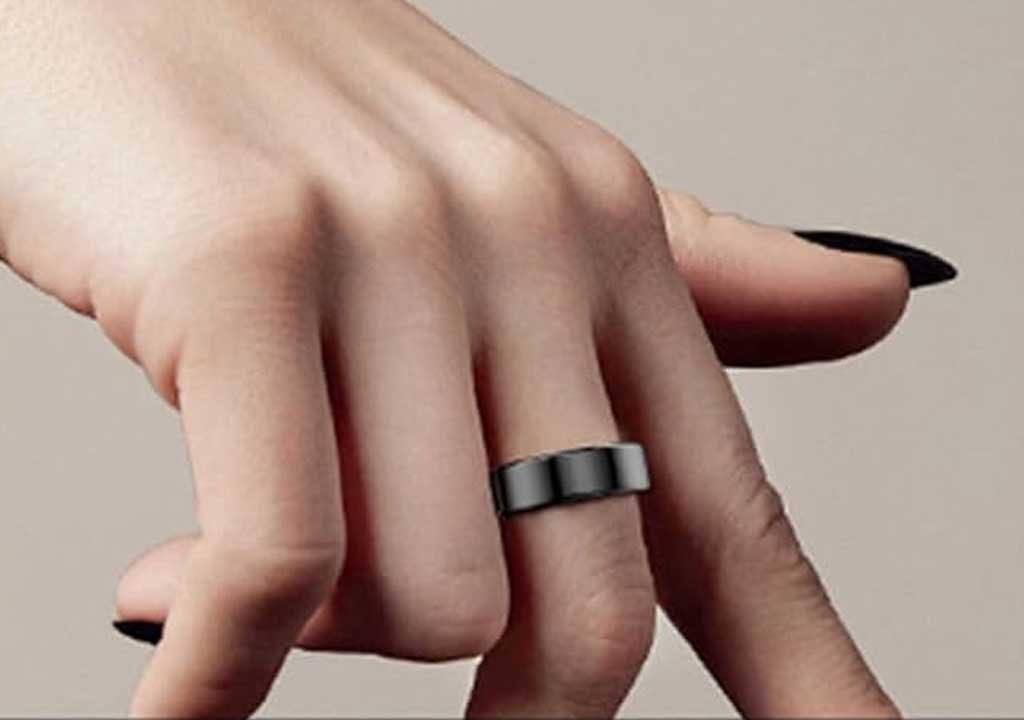
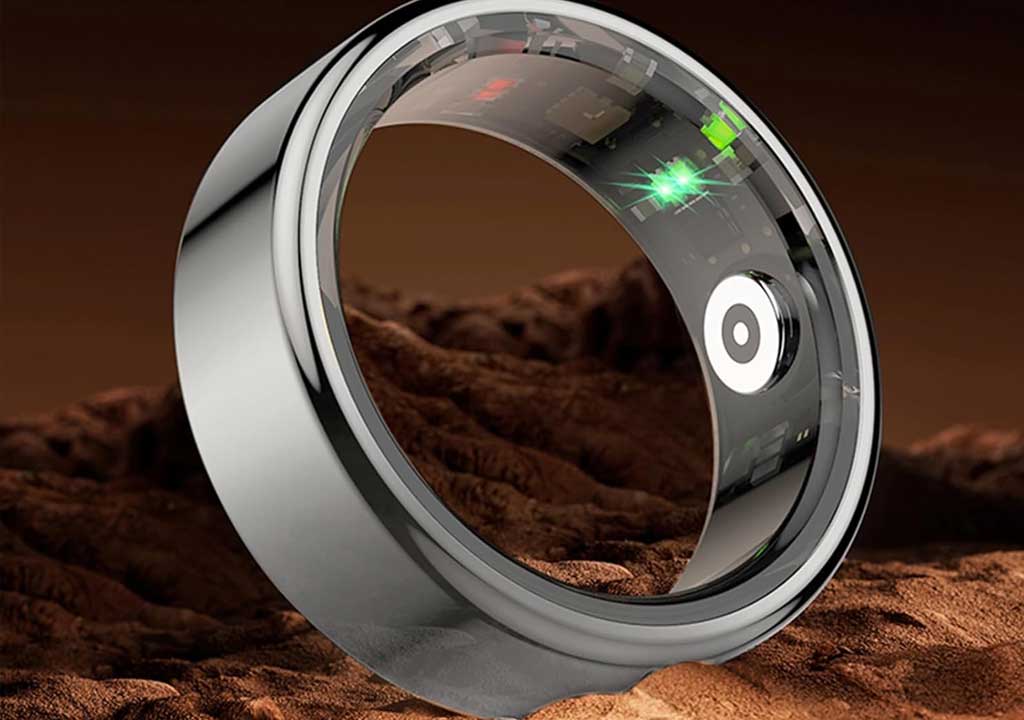
In an age of relentless notifications and non-stop to-do lists, the smart ring has quietly emerged as a pocket-sized coach designed to optimize your cognitive performance. Unlike big-screen dashboards or invasive wearables, a smart ring sits on your finger, collecting data from your physiological signals while keeping you moving through your day. From heart-rate variability (HRV) and resting heart rate to sleep stages, skin temperature, and activity, these devices build a picture of how prepared your body is to focus, learn, and enter flow.
The goal of this playbook is simple: translate the science of focus and flow into practical, wearable-guided actions. You’ll learn how to use a smart ring to time your deep work, prime your nervous system for peak performance, and create conditions that foster sustained attention and creative momentum. Below is a comprehensive, step-by-step guide you can adapt to your life, routines, and work style.
1) Start with a clear understanding of the data your ring provides
The first step is to know what your ring can and cannot tell you. Most smart rings track a core set of metrics:
- Heart rate and resting heart rate trends
- Heart-rate variability (HRV), a proxy for autonomic balance and recovery readiness
- Sleep stages (light, deep, REM) and overall sleep duration
- Skin temperature and peripheral signals that reflect circadian alignment
- Activity metrics such as steps, movement, and sometimes standing or sedentary time
- Periodicity markers like daily readiness or sleep quality scores
What these numbers mean for focus and flow is context-sensitive. A rising HRV often signals parasympathetic dominance and recovery, which can support calm, alert attention, while a low HRV trend might indicate stress or fatigue. Sleep efficiency and duration influence daytime energy and cognitive flexibility. Skin temperature shifts can reflect circadian misalignment or environmental stressors. The key is to use trends, not isolated data points, and to couple physiological signals with your subjective state.
Tip: start a simple habit of weekly data interpretation. Pick three metrics (for example HRV, sleep efficiency, and focus duration) and note how they relate to your best and worst focus days. This baseline will anchor your playbook and help you decide when to push, rest, or adjust your environment.
2) Establish a baseline and a measurement window
To make data actionable, you need a baseline. Designate a measurement window of 2–4 weeks, during which you observe how your body behaves across typical workweeks, weekends, and off days. During this period, you’ll answer questions like:
- What times of day do I feel most mentally sharp, and how do these windows line up with my HRV trends?
- What sleep patterns predict successful deep-work blocks or creative sprints?
- How do caffeine, food timing, and exercise affect my focus blocks and flow episodes?
During this baseline period, implement a few simple practices to normalize data collection:
- Keep a consistent wake and bedtime as much as possible.
- Record subjective energy levels on a 1–5 scale each morning and after major tasks.
- Schedule two or three 25–50 minute deep-work blocks per day, with deliberate breaks, and note how they feel in real time.
Why two to four weeks? HRV and sleep architecture require multiple cycles to reveal reliable patterns, and your focus state is a function of both physiology and routine. A solid baseline makes it possible to recognize when a deviation is a normal day-to-day variation or a signal you should adjust your plan around.
3) Use sleep as the foundation for peak daytime performance
Peak focus and flow rarely occur on shattered sleep. Smart rings give you a window into your sleep architecture—how much light, deep, and REM sleep you’re getting, plus overall sleep duration and efficiency. Consider the following sleep-focused practices to set the stage for high-quality focus:
- Regular bedtimes and wake times: your circadian rhythm thrives on consistency. Even a small shift can throw off alertness and cognitive throughput the next day.
- Wind-down rituals: dim lights, gentle stretching, journaling, or a short mindful breathing session signal to your body that it’s time to prepare for sleep.
- Light exposure timing: bright light in the morning and darkness in the evening help regulate melatonin onset and circadian phase, which your ring will translate into readiness signals.
- Room temperature and environment: while your ring can’t alter the thermostat, it can track how your sleep responds to environmental changes and help you identify your optimal sleep conditions.
How to translate sleep data into focus readiness:
- If sleep efficiency is consistently high and HRV trends are favorable, you’re likely in a “go” window for demanding tasks in the morning.
- If sleep is fragmented or HRV is depressed, consider easing into deep work with lighter cognitive loads, or scheduling your most creative or strategic work for when your energy rebounds later in the day.
Practical plan:
- Choose a fixed wake time and a target bedtime (e.g., wake at 6:30 a.m., lights out by 10:30 p.m.).
- Plan a 15–20 minute wind-down routine that you actually enjoy and can repeat nightly.
- Use the ring to monitor whether you hit sleep consistency targets and adjust your evening routine accordingly.
By letting sleep drive the timing of your focus blocks, you maximize your odds of hitting that coveted higher-energy state that makes deep work feel almost effortless.
4) Build focus blocks aligned with your body’s energy signals
Focus blocks are the backbone of high-output work. The smart ring helps you align these blocks with your body’s readiness, so you don’t fight your biology. Here’s a practical framework you can adopt:
- Identify your high-energy windows: use your ring’s HRV and resting heart rate trends in conjunction with subjective energy ratings to determine when you’re most alert.
- Schedule deep work during those windows: allocate 25–50 minute blocks with 5–15 minute micro-breaks to prevent cognitive fatigue.
- Reduce cognitive load on non-focus times: during lower-energy periods, handle routine tasks, admin, or light reading instead of pushing for complex problem solving.
- Leverage notifications strategically: use “focus mode” or Do Not Disturb during your blocks. Some rings support smart haptic cues or gentle vibrations to signal the start and end of a block without breaking concentration.
Flow-friendly sequencing means you’re not forcing flow through sheer will. You’re structuring your day so that your ring-reported readiness supports deep, immersive work. Two practical templates you can borrow:
- Template A: Morning Deep Work Sprint
1) Wake, hydrate, and a quick 5-minute breathwork to prime the nervous system.
2) 50-minute focus block with 5-minute break.
3) Short movement break (2–3 minutes) and a light task before repeating. - Template B: Creative/Strategic Block
1) 25–40 minutes of immersive work focused on a single objective.
2) 5–10 minute reflective break (journaling or quick review of progress).
3) Optional 25–40 minute second block if HRV and energy metrics align.
Note: The exact timings aren’t sacred. The aim is to align your work with physiological readiness, not to rigidly force a schedule. Your ring will help you calibrate over time, slowly expanding or adjusting the duration of blocks based on consistency in outcomes and subjective sense of flow.
5) Prime flow with HRV, breathing, and micro-rituals
Flow is characterized by a deep immersion in an activity, a sense of control, and a distortion of time. The smart ring can help you reach the inaugural states that lead to flow by guiding you into the right autonomic balance and minimizing disruption.
How to use the ring to prime flow:
- Use HRV-informed breathing practices to nudge your nervous system toward a balanced, parasympathetic state without downward drift into fatigue. Try this quick protocol before attempting a challenging task:
- Box breathing: inhale 4 seconds, hold 4, exhale 4, hold 4 (repeat 4–6 cycles)
- 4-7-8 breathing: inhale 4, hold 7, exhale 8 (repeat 4–6 cycles)
- Coherent breathing: inhale for 5 counts, exhale for 5 counts (continue for 3–5 minutes) - Track HRV response to breathing sessions. A rising HRV during or after a breath exercise signals a favorable autonomic shift and readiness for focus.
- Set a micro-ritual cue that signals “flow start” to your brain—for example, a specific ambient sound, a tactile cue from a wristband, or a short visualization. The ring’s feedback (vibration or notification) can reinforce this cue without pulling you out of focus.
Important caveats: flow is not guaranteed by breathing alone. It emerges when challenge and skill are aligned, the tasks have clear feedback, and you are sufficiently engaged. The ring helps by ensuring your body is not fighting against you when you attempt to enter a high-focus state.
6) Create frictionless focus with smart ring-driven automation
One of the subtle advantages of a smart ring is its ability to orchestrate your devices and environment, reducing cognitive load and decision fatigue. Use this to your advantage by automating non-essential interruptions and aligning your external environment with your focus blocks.
- Automatic notifications control: program your ring to trigger a “focus mode” on your phone or computer when you are about to begin a deep work block. The goal is to minimize context-switching caused by alerts coming from apps, email, or calendar reminders.
- Smart environment cues: integrate with smart lighting or climate controls. A ring-driven cue can turn on a room’s lights at a warmer hue and adjust temperature for optimal cognitive performance as you begin a focus block.
- Calibrate caffeine and meals to HRV-ready windows: if your ring shows a depressed HRV in the morning, you might delay caffeine to prevent jitters or adjust meal timing to avoid postprandial dips that can degrade focus.
- Parking distractions with gentle nudges: a ring can remind you at the end of a block to take a longer break, stretch, or switch tasks if your data shows stagnation or fatigue creeping in.
The objective is not control for its own sake but to reduce friction and cognitive load while keeping your body in an optimal state for focus. By automating routine adjustments and using your ring’s signals as triggers, you free mental energy for the work itself.
7) Build rituals that support sustained flow and learning
Rituals create predictable cues that your brain associates with deep work and learning. A few practical, ring-informed rituals to consider:
- Goal clarity ritual: before starting a block, write a one-sentence objective and the minimum viable outcome. Your ring’s data can track whether you complete blocks aligned with this objective.
- Environment optimization ritual: check environmental readiness—lighting, noise, temperature—before you begin. The ring can remind you to adjust, and subsequent HRV changes can validate whether your adjustments helped.
- Post-block reflection ritual: after a block, quickly rate focus quality and jot down one thing that would improve the next block. Data from the ring will help you identify which adjustments matter most over time.
- Recovery ritual: schedule micro-breaks focused on movement, light stretching, or a brief walk outside. Movement has a favorable effect on HRV and can help reset attention for the next block.
Rituals are not about rigidity; they are about consistent cues that help your brain switch into a focused state with less friction. The ring can provide a gentle, private nudge to honor those cues throughout the day.
8) Nutrition, caffeine, and movement timing guided by data
What you eat and when you move matters for focus. The ring doesn’t directly measure digestion, but it can help you infer the cognitive impact of nutrition and activity patterns through energy level trends, HRV, and sleep quality.
- Caffeine timing: if HRV is favorable in the morning, caffeine can amplify alertness without causing jitteriness. If HRV is depressed, you might delay caffeine or switch to a smaller dose to avoid overstimulation.
- Hydration and meals: dehydration and heavy meals can degrade HRV and cognitive flexibility. Use your ring to notice days when focus blocks underperform after meals, and adjust hydration or meal composition accordingly.
- Movement windows: regular movement improves circulation and HRV. Short, deliberate movement breaks between blocks can reset attention and prepare you for the next task.
Try this practical pattern: schedule a light movement break and a glass of water after every two focus blocks. Observe how HRV responds to these micro-interventions and whether your post-break focus improves. You’ll likely notice smoother transitions between blocks when your physiology isn’t bogged down by stiffness or fatigue.
9) The weekly review: turning data into actionable changes
Your smart ring will accumulate a lot of data, but without a weekly review, it’s easy to drift. A focused weekly review helps you convert signals into a smarter plan for the next week.
- Identify the strongest focus days and the times when you enter flow most reliably. Note what you ate, your sleep quality, and your environment on those days.
- Look for patterns: do certain evenings correlate with poor sleep and lower focus the next day? Do HRV dips align with poor task performance?
- Set 2–4 actionable experiments for the upcoming week: adjust bedtime, shift focus blocks by one hour, modify caffeine timing, or trial a different focus ritual.
- Update your calendar and automation: ensure that your focus mode triggers align with the times you’ve identified as optimal for deep work.
Document results in a simple system—your ring’s data, your subjective notes, and a short summary of what worked. If a particular tactic consistently yields better focus or longer flow bouts, scale it up and incorporate it more permanently into your routine.
10) Privacy, ethics, and the limits of wearable data
Smart rings collect personal health information. It’s important to consider privacy, data ownership, and how you use this data. A few guidelines:
- Know where your data lives and who can access it. Review privacy settings and consent options in your ring’s companion app.
- Use data as a guide, not a verdict. Physiological signals can be noisy and influenced by factors outside your control, such as illness or environmental stressors.
- Respect boundaries with teammates and colleagues. If you work in a team environment, avoid sharing detailed personal health metrics unless you’re comfortable doing so.
- Combine objective signals with subjective experience. Your personal sense of focus is valid and essential; metrics are a tool to augment your awareness, not replace it.
With thoughtful use, a smart ring becomes a private coach that respects your privacy while helping you craft better focus, more time in flow, and a healthier relationship with your work.
Putting it into practice: a practical 14-day starter plan
If you’re ready to begin, here’s a compact, practical plan you can start this coming week. Each day features a clear goal, a few actions, and a reflection prompt. Adapt the schedule to your time constraints and energy patterns.
Day 1–3: Baseline and intention
- Set your wake and bedtimes and establish a 2-block per day deep-work target (morning and early afternoon).
- Enable focus mode during blocks and experiment with a 25–40 minute deep-work cadence with 5–10 minute breaks.
- Practice 5 minutes of box breathing before each block. Observe HRV changes and subjective focus.
Reflection: Which times of day feel most natural for deep work? Are there consistent signals of readiness from the ring?
Day 4–7: Tuning the rhythm
- Shift one block later or earlier by 30–60 minutes where you notice higher focus or better HRV.
- Try a short post-block reflection ritual (2 minutes) and track whether it improves subsequent block performance.
- Experiment with an earlier wind-down routine to improve sleep quality and morning readiness.
Reflection: What environmental adjustments (lighting, temperature, noise) correlate with improved focus?
Day 8–11: Breathing and cues for flow
- Incorporate a 3–5 minute breathing routine before the first deep-work block of the day.
- Introduce a consistent “flow cue” (e.g., a specific playlist, ambient sound, or tactile cue) that signals “start of focus.”
- Test caffeine timing relative to HRV in the morning; note any changes in focus block quality.
Reflection: Does the flow cue reliably trigger a more immersive focus? How does HRV respond to breathing before blocks?
Day 12–14: Consolidation and plan for ongoing improvement
- Review your data and identify the single most impactful change you made in the last two weeks.
- Lock in a sustainable rhythm that supports both sleep and focused work—this becomes your baseline going forward.
- Plan the next two-week cycle with one new variable to test (e.g., a different focus block length or a different post-block ritual).
Reflection: What’s your personal “flow window” and which rituals reliably lead you into it? How will you adjust your calendar to protect that time?
Common myths and practical truths about smart rings and focus
Myth: More data automatically means better decisions.
Truth: Data helps, but context matters. Correlations do not equal causation, and human judgment remains essential. Use ring insights to inform decisions—not dictate them.
Myth: You must follow a rigid plan to achieve flow.
Truth: Flow thrives on structure, not rigidity. Use the ring to create a reliable framework, then allow flexibility within that framework as your energy and work demands shift.
Myth: Sleep and HRV are the only keys to focus.
Truth: Sleep is foundational, but nutrition, hydration, movement, environment, and cognitive load all influence focus. A holistic approach, guided by ring data, yields the best results.
Myth: Privacy concerns make smart rings a non-starter.
Truth: While privacy is important, you can take control by choosing devices with transparent data policies, adjusting sharing settings, and treating health data with care. The goal is to use data responsibly to improve work and wellbeing.
Real-world case studies: what this playbook looks like in action
Case Example A: A software engineer in a high-demand role used a smart ring to time three 40-minute deep-work blocks each day. By aligning blocks with mornings when HRV was higher and sleep had been consistent, they reported fewer interruptions, clearer problem-solving, and a smoother transition between tasks. They adopted a 4-minute wind-down routine and a specific flow cue (soft chime) that signaled the start of each block. After two weeks, they found a stable rhythm that reduced cognitive fatigue and increased the number of tasks completed by the end of the day.
Case Example B: A content creator experimented with caffeine timing based on HRV signals. On days when HRV was depressed in the morning, they waited an extra hour before consuming caffeine and began with lighter tasks to prevent jitters and impaired focus. Over three weeks, their focus stability improved, and they could extend creative sprints by 15–20 minutes without losing quality.
Case Example C: A project manager used the ring’s sleep data to restructure the weekly cadence of standups and planning sessions. By scheduling high-cognitive-load meetings after mornings with better sleep quality, they observed faster decision-making and less mental fatigue during critical planning cycles.
Conclusion: your path to peak focus and flow starts with one decision
The smart ring is not a magic wand, but it is a powerful, patient coach—one that sits on your finger and quietly reads the signals your body sends about readiness, sleep, and stress. The playbook above is a practical framework to turn wearable data into reliable actions: timing your focus blocks to your physiology, priming yourself for flow with breathing and cues, and reducing friction through automation and rituals. By building a sustainable rhythm—anchored in sleep quality, HRV trends, and mindful disruption of distractions—you can elevate your day-to-day performance and cultivate longer, more meaningful flow experiences.
Start with a concrete baseline, run a two-week experiment to test one new variable at a time, and use weekly reviews to translate data into small, doable changes. Remember: focus is a practice, not a destination. The smart ring is there to guide your practice, not to replace your judgment. With consistent use, you’ll discover a personal blueprint for peak focus and a steady journey into flow.
If you’re ready to begin, pick one neural rhythm to optimize this week—your ring will help you notice when you’re ready, when you’re not, and how to nudge yourself toward the next level of focus and flow. The journey is yours to shape, one focused block at a time.
LIKED THIS ARTICLE? SHARE IT: