








From Runway to Wrist: Smart Rings Redefining Accessory Tech

From Runway to Wrist: Smart Rings Redefining Accessory Tech
In the age of wearable tech, the ring has emerged as a surprisingly potent canvas for innovation. Once a symbol of commitment, status, and personal expression, rings are now also carriers of data, sensors, and smart capabilities. The phrase From Runway to Wrist captures a growing trend: fashion-forward design meeting practical intelligence in a tiny form factor. Smart rings are redefining what an accessory can do, blending seamless usability with meaningful technology. They’re transforming access control, payments, health monitoring, and even social rituals—without demanding to be worn like a bulky gadget on the wrist. This is not merely gadgetry; it’s a cultural shift toward discreet, intimate technology that mirrors the way we live, work, and style ourselves today.
To understand why rings are gaining momentum, we must trace a short arc from the first automated wearables to today’s fashionable, capable devices. Early smartwatches and fitness bands popularized the idea that technology could live on the body in convenient formats. But wrists offer a unique combination of accessibility and social signaling, while fingers provide a highly secure surface for authentication and quick interactions. With advances in low-power sensors, compact processors, flexible battery chemistry, and high-density NFC, the smart ring emerged as a compelling alternative—especially for people who want daily interactions to feel effortless rather than device-centric.
The Rise of Smart Rings: A Brief History
The concept of ring-based technology isn’t new. Museums show ancient signet rings that carried seals; today’s digital analogs carry identity, access, and data instead of wax. The modern smart ring movement began to coalesce in the 2010s as microelectromechanical systems (MEMS), wireless charging, and low-energy Bluetooth improved. Early prototypes were clunky and expensive, but they proved a principle: if you could pack essential sensing and communication into a ring, you could unlock hands-free convenience without changing everyday habits.
By the mid-2020s, consumer-facing smart rings reached a tipping point. Companies introduced models focused on different priorities: some prioritized health metrics like heart rate, sleep, and temperature; others emphasized secure payments and effortless authentication; some sought a hybrid, offering fashion-forward design with pragmatic features. The Oura Ring popularized ring-based sleep and wellness tracking, expanding the conversation about non-wrist wearables. Meanwhile, NFC-enabled rings and gesture-controlled devices demonstrated that rings could function as pocket-sized access cards, car remotes, and door keys. The runway-to-wrist momentum was clear: designers and engineers started collaborating in earnest to create rings that could pass as jewelry while delivering genuine capabilities beneath the surface.
Today’s smart rings are a synthesis of two strengths: design and utility. On the design side, luxury materials, precise fit, and customizable finishes render rings that feel like personal statements. On the utility side, rings offer frictionless authentication, secure payments, contactless actions, and discreet health insights. The result is a category that sits at the intersection of fashion, wellness, and everyday efficiency. It’s not about the biggest feature set but about the most meaningful ones—delivered in a form that people want to wear every day.
What Makes a Smart Ring Smart
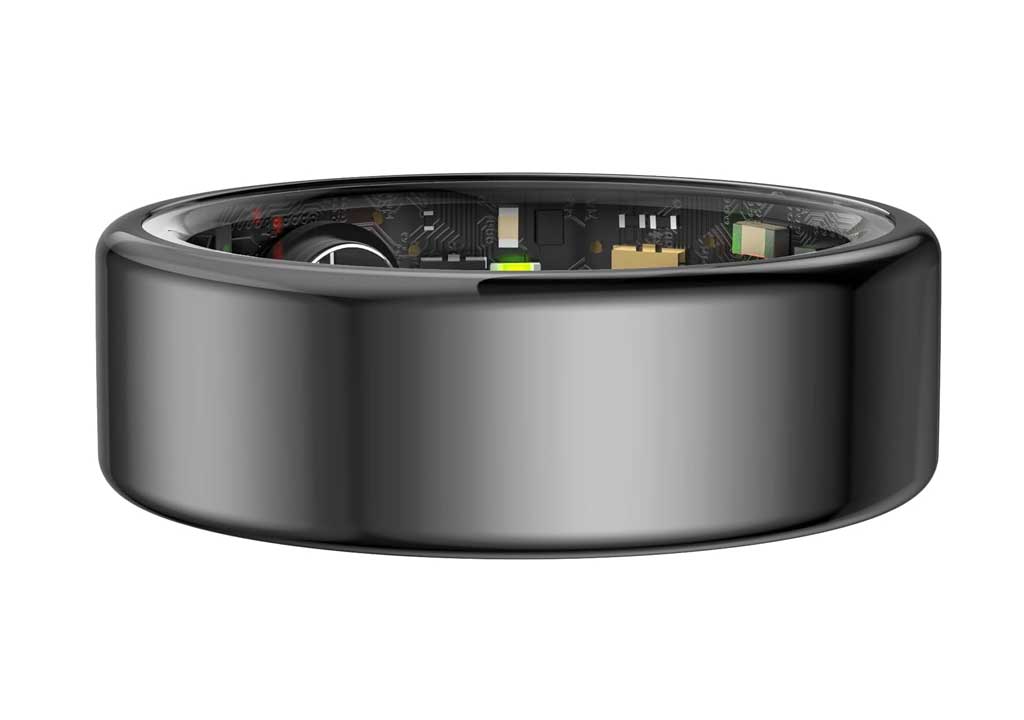
At their core, smart rings are small, efficient computing devices that leverage a few key technologies to deliver practical value without demanding attention. The essential components typically include:
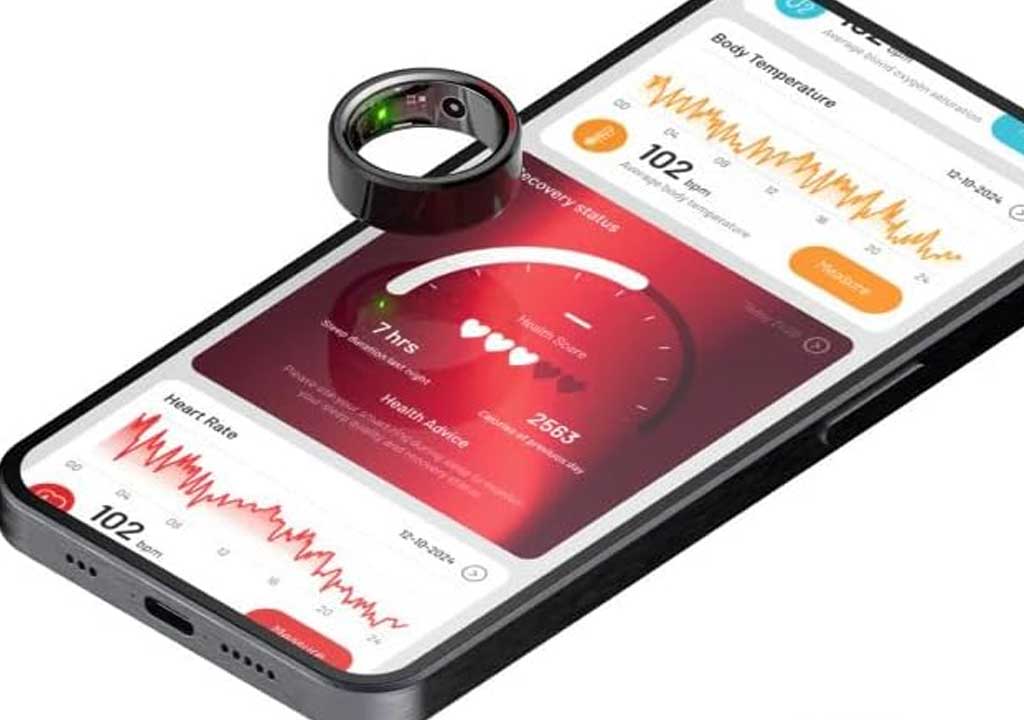
- Sensors: A smart ring may house a photoplethysmography (PPG) sensor for heart rate, a temperature sensor, a 3D accelerometer, and sometimes a SpO2 sensor. These enable health monitoring, activity tracking, and context awareness.
- Connectivity: Bluetooth Low Energy (BLE) keeps the ring in sync with a smartphone or, in some cases, a hub. Near-field communication (NFC) enables tap-to-pay, card emulation, and quick pairing.
- Authentication and security: A secure element (SE) or trusted execution environment (TEE) protects data and enables trusted transactions. Biometric data, while not always stored on the ring itself, is handled with strict privacy controls.
- Actuation and interface: Haptics or subtle vibrations provide feedback, while gesture recognition can interpret finger movements for quick commands. Some rings also support on-ring controls or touch-sensitive surfaces.
- Power: A compact battery and efficient power management keep the ring usable for days or weeks on a single charge, depending on usage and features.
Importantly, the most compelling smart rings don’t rely on a fragile ecosystem of devices. They’re designed to be interoperable across platforms and use cases. Whether you’re an Android or iOS user, a fashion-conscious buyer, or a wellness enthusiast, the ring should feel like a natural extension of your daily routine—not a separate gadget that interrupts it.
Design Meets Function: Where Fashion and Technology Converge
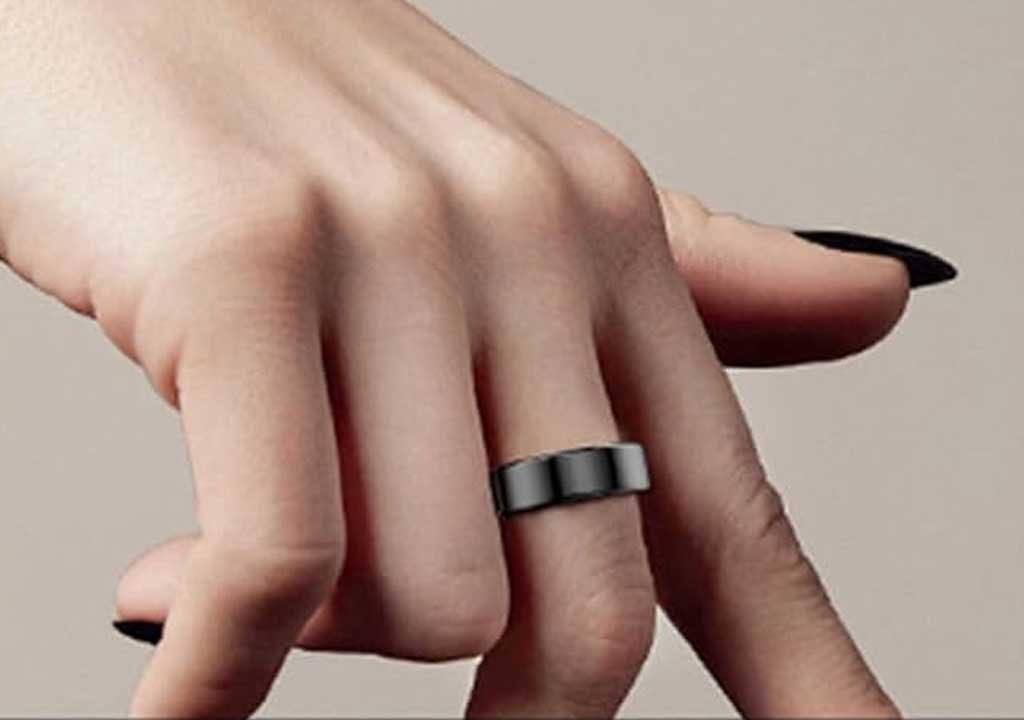
Smart rings live in a space where aesthetics and engineering must harmonize. The best examples combine durable materials, comfortable fit, and a look that suits both formal occasions and casual wear. Materials range from traditional precious metals—sterling silver, white gold, rose gold, and platinum—to high-tech ceramics and ceramic composites, to strong, lightweight alloys. Some rings incorporate precious or semi-precious stones, while others emphasize clean minimalism with matte or polished finishes. The design language is varied, but the throughline is clear: a ring should be as beautiful as it is capable.
Fit and comfort are non-negotiable. A ring sits on a complex contour of finger joints, and it must accommodate swelling due to heat, exercise, or fluid shifts. Manufacturers often provide multiple sizes, sizing kits, and even adjustable options. The best rings account for left- and right-hand wearing preferences, daily activities, and ring-to-band balance to avoid discomfort during long wear. Materials are chosen not only for aesthetics but for skin compatibility and durability. Hypoallergenic metals, smooth inner surfaces, and protective coatings help minimize irritation and wear-related issues. The design process also considers maintenance: some rings are easier to clean than others, and coatings can wear with time, revealing new character or requiring re-plating to maintain the look.
In addition to the physical form, the user interface is a critical design concern. Many rings use palm-side sensors and discreet touch surfaces that allow gestures and taps to trigger actions. Haptics provide feedback so you know a command registered without looking at a screen. When done well, this interaction feels natural and almost invisible, which is precisely the point: the technology should disappear into your routine, not demand attention.
Fashion collaborations and limited editions are increasingly common in the smart ring space. Designers partner with technology brands to create rings that tell a story, reflect cultural moments, or celebrate artwork. These collaborations push the boundary between jewelry and gadgetry, inviting wearers to see their ring as a piece of personal storytelling as much as a tool. The runway influence is visible in colorways, textures, and silhouette choices that appeal to trend-aware consumers while maintaining core technical performance.
Core Features Shaping the Smart Ring Era
Although individual rings may emphasize different features, several core capabilities define the current and near-future landscape:
1) Contactless Payments and Authentication
NFC enables seamless tap-to-pay experiences and secure identity verification. A smart ring can replace or augment cards and keys for door access, workplace entry, or hotel check-ins. The convenience is clear: a quick tap at a reader, no wallet digging, no phone unlocking. On the security side, payment-enabled rings must adhere to robust standards, including tokenization, device binding, and transaction encryption. Consumers gain speed and convenience, while financial networks benefit from the security assurances of modern token-based systems.
2) Device and Service Unlocking
Rings can unlock smartphones, laptops, smart locks, and other compatible devices. This can be particularly valuable in shared environments, offices, or smart homes where a hand gesture or a ring tap is quicker and more hygienic than entering a code or searching for a device. Some ecosystems allow cross-application login using a ring-based authentication token, which reduces the friction of multi-factor authentication while retaining security controls.
3) Health and Wellness Sensing
PPG sensors, temperature readings, and motion data enable insights into activity, sleep, and circadian rhythms. While rings don’t replace medical devices, they can provide longitudinal trends that inform lifestyle choices, recovery planning, and early detection of anomalies. Data privacy remains a central concern, so manufacturers implement encryption, local processing when possible, and transparent data-sharing controls within apps and platforms.
4) Gesture Control and Shortcuts
Gesture recognition allows users to perform simple actions with finger movements. For example, a specific fingertip gesture could play or pause music, snooze an alarm, or trigger a smart-home routine. By delivering intuitive control, rings minimize context-switching and help users stay present in their activities. The precision and reliability of gesture control continue to improve as sensors and firmware optimize.
5) Notifications and Quick Interactions
Given their proximity to the hand, rings can surface subtle haptics or small notifications without pulling out a phone. Filters, vibration patterns, and LED indicators (where present) allow users to stay informed at a glance. This makes rings useful for quick status checks during meetings, workouts, or social events without being disruptive.
6) Customization and Personalization
From adjustable sizes to interchangeable bands and customizable finishes, many rings offer a degree of personalization. App ecosystems often enable users to tailor notification preferences, health metrics, and security settings. Personalization reinforces ownership: the ring becomes a platform for both fashion and function that aligns with a user’s identity and lifestyle.
Practical Use Cases: From Daily Routines to Special Moments
The strength of smart rings lies in how seamlessly they integrate into everyday life. Here are some representative use cases that illustrate practical value:
• Workplace efficiency: Unlock office doors, authenticate to computers, and switch between tasks with simple gestures. In fast-paced environments, the ring reduces friction and keeps work flowing.
• Payments on the go: A tap-to-pay capability makes coffee runs, transit rides, and small purchases painless while avoiding card skimming risks or phone-fishing.
• Health-informed living: Track sleep quality, resting heart rate, and activity. Over time, users can detect patterns linked to stress, recovery, or training load. This is especially appealing for athletes, students, and mindful practitioners.
• Travel and access security: A ring can serve as a portable, low-profile credential for hotels, resorts, or corporate campuses, reducing the need to carry multiple access devices.
• Social and personal rituals: Rings can be used to initiate shared experiences—like initiating a smart-home lighting scene for a date night or sending a quick digital token to a friend as a gesture of appreciation.
These scenarios demonstrate a broader shift: the smart ring is less about a single killer feature and more about enabling smooth, reliable interactions that align with how people spend their time. The best rings fade into the background, turning everyday actions into moments of effortless efficiency.
Privacy, Security, and Ethical Considerations
As with any connected device, smart rings raise important questions about privacy, data ownership, and security. The compact nature of a ring means that sensitive information—biometric data, payment tokens, and access credentials—must be protected with robust hardware and software protections. Key concerns include:
- Data Minimization: Collecting only what is necessary for a given feature, and giving users clear controls over what is stored, processed, or shared.
- Local Processing: Favoring on-device computation for health metrics and authentication where possible, to minimize data exposure.
- End-to-End Encryption: Ensuring that data transmitted to paired apps or cloud services is protected from interception or tampering.
- Secure Element and TEEs: Utilizing dedicated secure hardware modules to store tokens and credentials, with strong isolation from general-purpose computing components.
- Physical Security: The ring’s small form factor can be a target for theft or coercion. Designers must consider rapid lockout, spoof resistance, and user education about what to do if a ring is compromised.
- Skin Compatibility and Safety: Materials and coatings must be skin-friendly, with clear guidance about potential allergies or irritation. Battery safety and device failure modes should be clearly communicated to users.
Regulatory landscapes are evolving as wearables become more capable. Privacy-by-design approaches, transparent terms, and easy-to-find data controls help build trust. Consumers should read privacy policies, understand data-sharing agreements, and review permissions requested by companion apps. For designers and brands, ethical considerations—such as sustainable sourcing, responsible marketing, and inclusive sizing—are not afterthoughts but essential parts of product development.
From a fashion standpoint, the partnership between designers and technology teams raises interesting questions about aspirational value versus practical utility. The best products balance aesthetics with a strong privacy and security framework, avoiding gimmicks that could undermine user trust. In practice, success hinges on clear communication about what data is collected, how it’s used, and the controls users have to manage it.
Ecosystems, Interoperability, and the User Experience
Smart rings do not operate in a silo. Their value increases when they work seamlessly with a user’s existing devices, apps, and services. Interoperability considerations include:
- Platform Compatibility: How well does the ring integrate with iOS, Android, and other ecosystems? Are there platform-specific features that enhance the user experience, or do all core functions work consistently across devices?
- App Ecosystems: Companion apps should present a clean, intuitive interface for managing payments, security settings, and health metrics. They should also support quick onboarding, easy updates, and robust help resources.
- Third-Party Integrations: Smart rings are most valuable when they connect to home automation systems, fitness services, and enterprise tools. Open APIs enable developers to create new actions and routines that extend the ring’s capabilities.
- Data Portability: Users should be able to export or share data with other apps and platforms where appropriate, with controls that respect privacy preferences.
In practice, successful rings emphasize a frictionless onboarding experience, reliable pairing, and predictable performance. If a ring requires repeated troubleshooting, disconnects frequently, or demands heavy app configuration, users will look for alternatives. Simplicity and reliability become the primary differentiators in a crowded market.
Battery Life, Charging, and Longevity
Battery life is a critical usability lever for smart rings. Because rings sit on a finger and have less surface area than a watch, manufacturers must optimize power consumption aggressively. Typical patterns include:
- Energy-efficient sensors and microprocessors: Low-power hardware and firmware strategies extend life between charges.
- Sleep-friendly duty cycling: The ring reduces activity when the user is inactive, preserving power.
- Wireless charging or magnetic docks: Some rings charge via wireless pads, while others use small cradle solutions. Quick-charge options can reduce downtime during travel.
- Replaceable components and modular designs: In some designs, components like sensor modules or battery packs can be upgraded, extending the ring’s useful life.
Practical expectations vary by use case. A health-tracking ring may benefit from more frequent syncing and richer sensor reads, potentially reducing battery life. A payment-focused ring may prioritize standby readiness and quick unlock performance. Consumers should consider not only initial battery life but also the ease of charging, the availability of spare parts, and the support ecosystem when evaluating value over time.
Materiality and Sustainability: Ethical Sourcing and Durability
As the fashion industry increasingly centers sustainability, smart rings are no exception. Consumers are increasingly aware of where metals come from, how stones are sourced, and how products are built to last. Relevant considerations include:
- Materials: The choice between recycled metals, responsibly mined alloys, ceramics, and biocompatible polymers affects environmental impact and skin safety.
- Durability: Rings should resist daily wear, including exposure to water, sweat, and abrasions. A durable finish extends the product’s life and reduces waste.
- End-of-life: Brands may offer recycling programs or take-back schemes to reclaim materials and responsibly dispose of components.
- Packaging: Minimalist, recyclable packaging with clear environmental disclosures helps reduce the overall footprint.
Transparency about sourcing, manufacturing conditions, and lifecycle impact is increasingly expected by consumers. Brands that combine style with responsible practices often gain more loyal customers who view their purchases as statements about values as well as aesthetics.
Inclusion, Accessibility, and the Human Experience
Smart rings offer unique opportunities to broaden access to technology for diverse users. Important considerations include:
- Size inclusivity: A wide range of sizes and adjustable fits ensures more people can wear rings comfortably.
- Left and right-hand compatibility: Ring sensors and controls should function reliably on either hand, recognizing differing user preferences and activities.
- Sensory accessibility: Clear, haptic feedback and high-contrast app interfaces help users with varying sensory needs.
- Cost and value: Pricing strategies should account for different budgets, with tiered options that don’t sacrifice core security or performance.
When design and policy emphasize inclusion, smart rings become more than a gadget; they become a tool for everyday empowerment. The best products invite a broad audience to experience frictionless access, personal health insights, and expressive design without sacrificing safety or privacy.
The Runway Effect: Marketing, Cultural Narrative, and Consumer Perception
The “runway effect” on smart rings is about curves, color palettes, and storytelling that makes a technical product feel aspirational. Fashion collaborations—whether with haute couture houses, streetwear brands, or artist collectives—help normalize tech in daily life and broaden appeal beyond early adopters. This intersection also invites more rigorous attention to inclusivity in marketing: people of diverse backgrounds, abilities, and ages deserve design that respects their realities. When marketing emphasizes authenticity, sustainability, and practical benefits rather than speculative novelty, smart rings gain legitimacy in both tech circles and fashion communities.
Brand storytelling also influences how rings are perceived in social contexts. A ring that visually communicates personal values or a sense of identity can become a conversation starter and a symbol of personal tech ethos. In that sense, smart rings aren’t just devices; they’re wearable statements about how we want to interact with the digital world—quietly, confidently, and with a touch of elegance.
Future Trends: What Comes Next for Smart Rings
Forecasting the future of smart rings involves balancing speculation with signal from ongoing research and product roadmaps. Several trends look likely to shape the next wave:
- Greater biometric fidelity: Advances in multi-sensor fusion, improved skin contact, and refined algorithms will yield more accurate heart rate, temperature, hydration, and stress indicators. This could empower personalized wellness guidance and early health warnings, while emphasizing privacy-preserving data handling.
- Modular, upgradable architecture: A modular approach could allow users to upgrade sensors or power sources without replacing the entire ring, reducing waste and extending product lifespans.
- Expanded payment and identity ecosystems: As financial networks and security models evolve, rings may support more localized wallets, offline transactions, and more seamless identity verification across services and venues.
- Bio-integrated materials: Research into biocompatible, flexible materials could enable rings that adapt to skin temperature and environmental conditions, improving comfort and performance in various climates and activities.
- Ethical luxury and provenance: Consumers may demand transparent material sourcing and serialization that supports product authentication, repairability, and responsible end-of-life handling.
There’s also room for creative breakthroughs at the design level. We could see more customizable bands that seamlessly switch from day to night, or even adaptive finishes that shift color or texture based on lighting. If the industry continues to prioritize privacy and sustainability alongside style and convenience, smart rings could become an example of technology that compliments, rather than dominates, daily life.
Choosing Your Smart Ring: Practical Guidance
If you’re considering joining the smart ring movement, here are practical steps to help you choose a model that fits your life:
- Define your must-haves: Is your priority health data, contactless payments, access control, or fashion-forward design? Clarifying priorities helps narrow choices.
- Check compatibility: Ensure the ring is compatible with your phone’s OS, preferred payment networks, and the services you use most often.
- Try fit and comfort: If possible, try on different sizes and materials to gauge which ring feels comfortable after a full day of wear. Consider swelling, climate, and activities like typing or workouts.
- Review battery expectations: Some rings excel in health tracking but need more frequent charging; others balance longer battery life with a narrower feature set.
- Examine the app experience: A well-designed companion app matters. Look for intuitive controls, clear privacy settings, meaningful insights, and helpful customer support.
- Understand security features: Look for a secure element, device-binding, and transparent data policies. If you handle sensitive information, prioritize these aspects.
Finally, consider the long-term value: a ring should be more than a stylish accessory. It should integrate into your routines in a way that enhances efficiency, privacy, and wellbeing. If it feels like a burden to use, you’ll likely stop wearing it. The best rings become a natural extension of your daily life—an invisible assistant that respects your time and your style.
Conclusion: Why Smart Rings Are Redefining Accessory Tech
Smart rings have earned their place in the pantheon of wearable technology by delivering a distinctive blend of elegance, practicality, and privacy-conscious design. They offer a way to carry power and data close to the fingertip—literally at your fingertips—without the conspicuous hardware often associated with gadgets. By prioritizing secure payments, fast authentication, discreet health insights, and fashion-forward design, smart rings bridge the gap between the runway and the real world. They let us stay connected, unlock doors, and track wellness, all while feeling like we’re wearing a refined piece of jewelry rather than a gadget strapped to a limb.
As the technology matures, we can expect smarter sensors, more seamless ecosystems, and smarter materials that enhance comfort and sustainability. The social and cultural implications will continue to evolve as people adopt rings as both fashion statements and practical tools. If you believe that technology should disappear into your life rather than insist on stealing your attention, the smart ring is likely to feel like a natural fit—an accessory that finishes your look while quietly expanding what you can do with a single, elegant motion. From runway-inspired designs to day-to-day reliability, smart rings are redefining accessory tech—and the future looks bright, stylish, and surprisingly hands-free.
Closing thought: the next time you reach for a ring, pause for a moment and imagine the possibilities on your finger. It’s not just about looking good; it’s about having a trusted, efficient companion that respects your time, your privacy, and your personal style. In that sense, smart rings aren’t just a trend. They are a practical reinterpretation of what an accessory can be in the 21st century: intimate technology that fits your life as neatly as your favorite ring fits your finger.
LIKED THIS ARTICLE? SHARE IT: