









Turn Sleep Scores into Action: Practical Habits from Smart Ring Feedback

Turn Sleep Scores into Action: Practical Habits from Smart Ring Feedback
Sleep scores from smart rings offer more than just a number to chase. They’re a structured pulse check on how well your body recovered from yesterday and prepared for today. A good score isn’t a verdict; it’s feedback you can translate into concrete habits. This guide digs into what your ring is actually measuring, how to interpret those signals, and, most importantly, how to turn feedback into practical daily routines that boost sleep quality, daytime energy, and long-term health.
Whether you’re new to wearable sleep tracking or you already see yourself as a data-driven sleeper, the goal remains the same: create habits that align with your circadian rhythm, optimize recovery, and make incremental improvements that compound over time. Below, you’ll find a clear framework, ready-to-apply habits, and a simple roadmap you can adapt to your life. And yes, you’ll get actionable steps you can start tonight.
Understanding Sleep Scores and What Smart Rings Measure
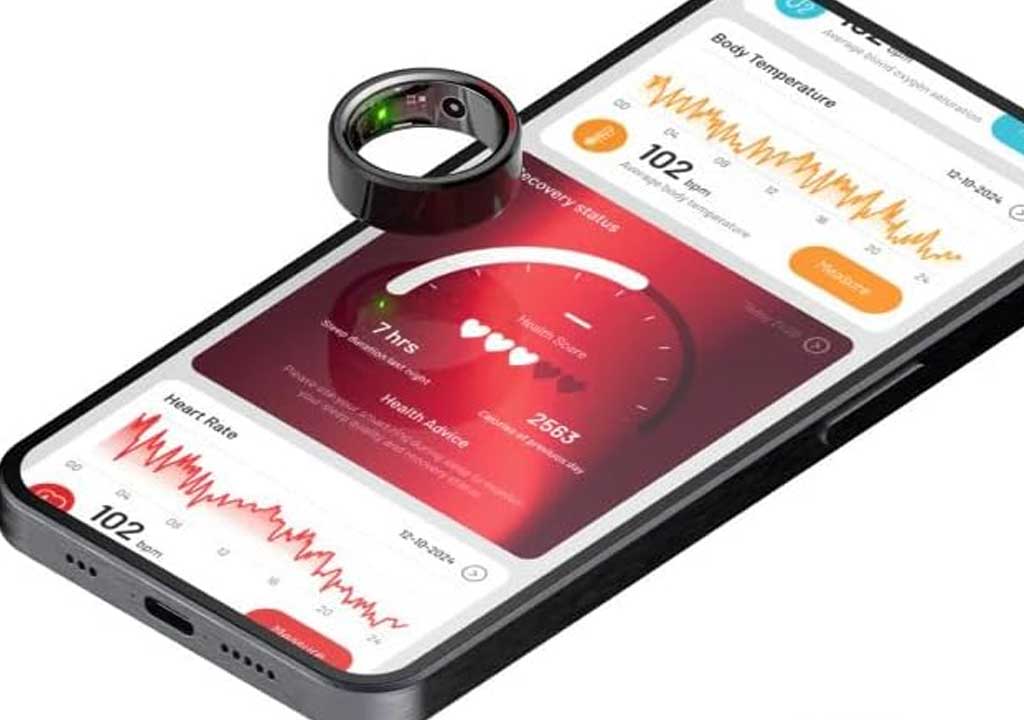
Sensors in modern smart rings monitor a blend of physiological signals to estimate sleep quality and readiness. The exact scoring algorithm varies by brand, but the core pillars are similar: sleep duration, sleep continuity (how often you wake up), sleep stages (light, deep, REM), heart rate variability (HRV), resting heart rate (RHR), temperature changes, and movement. The ring stitches these data points into a nightly score and an in-depth breakdown that you can review over time.
What your sleep score communicates is not a passport or a verdict; it’s a snapshot of recovery status and sleep efficiency. Some nights you’ll see a higher score even if you didn’t sleep “long,” because you woke up refreshed, your HRV was favorable, and your deep sleep proportion was sufficient. Other nights with longer sleep might still yield a lower score if sleep was fragmented or you carried elevated resting heart rate. The value, then, is in trend tracking and actionable interpretation, not a single number.
Key signals to watch within the data include:
- Sleep duration vs. recommended window (often 7–9 hours for adults; individual needs vary).
- Sleep efficiency (the percentage of time in bed that you’re actually asleep).
- Continuity (number and duration of awakenings during the night).
- Time in each sleep stage (especially deep and REM sleep).
- Resting heart rate trend and HRV drift (indicators of stress and recovery).
- Body temperature fluctuations (can reflect circadian alignment and environment).
Interpreting these signals in a practical way means asking simple questions: Am I going to bed early enough to complete a full sleep cycle before my alarm? Is my wake time consistent? Do I feel restored or groggy on waking? Are there patterns that suggest caffeine timing, exercise intensity, or evening routines are pulling my sleep score down?
From Data to Action: A Framework for Practical Change
Turning sleep scores into action rests on a lightweight framework you can repeat weekly: assess, adjust, implement, and review. This loop helps you translate numbers into habits without getting overwhelmed by the data noise that naturally occurs from night to night.
1) Assess the trend, not the nightly blip. Look at a 7–14 day window to identify patterns. A single poor night is not a reason to overhaul your life; a consistent downward trend is.
2) Align with circadian timing. Your body’s clock responds to light exposure, meal timing, and exercise. Small adjustments in bedtime and wake time often yield the most meaningful improvements in sleep score.
3) Focus on the gap between current score and your target. If your target is a score above a certain threshold (your personal best or a healthy-range benchmark), identify the biggest contributors to the gap (duration, efficiency, or fragmentation) and tackle those first.
4) Make tiny, testable changes. Instead of a sweeping overhaul, implement one habit for a week, measure impact, and iterate. This keeps motivation high and reduces overwhelm.
5) Create simple if-then rules. “If I woke after 4 a.m., then add a 10-minute wind-down routine at 9 p.m. to reduce fragmentation,” for example. Clear rules reduce decision fatigue at night.
The core benefit of the framework is consistency. Sleep optimization is rarely about a single brilliant hack; it’s about reliable daily behaviors that nudge your physiology toward better recovery across weeks and months.
Practical Habits You Can Start Tomorrow
Here are practical, evidence-informed habits you can implement now. They’re organized around common driver categories for sleep quality and recovery. Pick a few to start, track your sleep score alongside each habit, and adjust as needed.
- Set a consistent bedtime and wake time. Target a regular schedule even on weekends. A stable circadian rhythm makes it easier to fall asleep and stay asleep. Start by setting a bedtime within a 30-minute window around your current average, then gradually tighten the window by 10–15 minutes over a few weeks.
- Create a 60–90 minute wind-down ritual. Dim lights, lower stimulation, and avoid heavy meals. Consider light stretching, reading a physical book, or a warm shower. The key is signaling to your body that sleep is coming.
- Reduce screen exposure after a certain hour. Blue-light-blocking modes help, but the best approach is to stop scrolling and switch to non-screen activities. If you need to use a device, enable night mode and keep brightness low.
- Monitor caffeine timing and intake. Cut off caffeine by early afternoon, and avoid taking caffeine within 6–8 hours of your typical bedtime. If you’re sensitive, shorten that window further.
- Optimize your sleep environment. Keep your bedroom cool (around 60–67°F or 15–19°C), quiet, and dark. Invest in blackout curtains, a white-noise machine, and a comfortable mattress and pillow appropriate for your sleep style.
- Stabilize pre-sleep routines away from stressors. If work emails spike at night, set a boundary: no work after 8 p.m.; use a “brain dump” notebook to park thoughts before bed.
- Use daylight exposure strategically. Get bright light in the morning to anchor your circadian rhythm, and avoid very bright light late in the day to prevent delays in melatonin release.
- Structured exercise, with timing in mind. Regular aerobic or resistance training supports sleep, but late-evening workouts can disrupt it for some people. If you see score dips after late workouts, move the session earlier in the day or finish at least 3 hours before bed.
- Mindful recovery practices. Incorporate short mindfulness or breathwork sessions (5–10 minutes) in the evening to lower heart rate and reduce sympathetic activation. Apps can guide you, but a simple box breathing pattern works well.
- Hydration strategy aligned with sleep. Hydration matters, but avoid heavy fluids close to bedtime to minimize nocturnal trips to the bathroom. A small sip of water if dry mouth hits around bedtime is fine.
- Evening nutrition that supports sleep. Favor balanced meals that are not overly heavy late in the evening. If you’re a late eater, include easily digestible proteins and healthy fats with a small amount of complex carbs to stabilize blood sugar overnight.
- Gentle breathing or meditation before bed. A 5–10 minute practice can reduce arousal and improve sleep onset latency. Try a guided meditation or a simple box-breathing routine (inhale 4, hold 4, exhale 6, repeat).
As you experiment, you’ll notice that different habits affect different people. For some, cutting screen time 60 minutes before bed yields a noticeable year-over-year lift in sleep score; for others, maintaining a cooler room matters more. The most important thing is to test one change at a time and observe how it changes your nightly score and how you feel in the morning.
Week-by-Week Plan: A Gentle Path to Better Sleep Scores
If you’re starting from scratch or you want a structured program, use this four-week plan. It’s designed to be progressive, practical, and adaptable to most schedules. The plan emphasizes consistency over intensity and helps you build habits that stick.
Week 1: Baseline and boundaries
- Choose a consistent wake-up time and aim for 7–9 hours of time in bed each night.
- Establish a simple 60-minute wind-down: dim lights, no screens, and a calming activity.
- Move caffeine cutoff to 2–3 p.m. to begin adjusting your physiology for sleep without withdrawals or headaches.
- Adjust the sleep environment: darken the room, reduce noise, and set a comfortable sleeping temperature.
Week 2: Optimize timing and routine
- Shift bedtime earlier by 15 minutes if your score shows late sleep onset or fragmentation.
- Incorporate a brief 5–10 minute wind-down breathing or meditation routine nightly.
- Expose yourself to natural light in the morning within 30–60 minutes of waking to stabilize your circadian rhythm.
- Limit heavy meals and alcohol close to bedtime for a week to assess impact on sleep fragmentation and deep sleep duration.
Week 3: Strengthen consistency and recovery
- Introduce a short evening stretch or mobility routine (5–10 minutes) if you feel restless before sleep.
- Maintain a fixed wake time even on weekends; aim for a weekly average within 15 minutes of your target.
- Plan a light-to-moderate exercise window earlier in the day, avoiding intense workouts late in the evening.
- Review HRV and resting heart rate trends. If you see consistently elevated RHR or lower HRV, you may need a longer wind-down or more stress management.
Week 4: Fine-tuning and automation
- Automate your bedtime reminder and create a one-click routine (lights off, device put away, say goodnight to yourself) to reduce decision fatigue.
- Experiment with a slightly cooler or warmer room setting to see what yields the best balance of comfort and sleep onset speed.
- Refine caffeine timing if scores remain lower on days with later workouts; consider a morning-only caffeine strategy on active days.
- Implement a weekly review: note your average sleep duration, efficiency, number of awakenings, and subjective energy, then choose one improvement to sustain next month.
By the end of Week 4, you should have a smoother routine, better alignment with your circadian rhythm, and a clearer sense of which habits most positively influence your sleep scores and daytime energy.
Tools, Templates, and How to Use Your Ring’s Feedback
Make your data useful by pairing it with simple templates and regular reviews. Here are practical ways to leverage your ring’s feedback without feeling overwhelmed:
- Weekly sleep review template: Create a 1-page summary that includes (a) average sleep duration, (b) sleep efficiency, (c) nights with awakenings, (d) time in deep and REM sleep, (e) resting heart rate trend, (f) HRV trend, (g) mood/energy level on waking.
- One-change-per-week rule: Each week, pick one habit from the Practical Habits list to test, and track whether the sleep score improves on average for the week.
- Simple action log: Maintain a short daily log of your wind-down routine, last screen time, caffeine timing, exercise (time and intensity), room conditions, and your perceived sleep quality.
- Visual trend chart: Use your app’s trends or export data to create a simple line chart showing sleep duration, sleep score, and RHR over a 4–6 week window. Visual cues can reinforce progress and highlight correlations (e.g., better scores with steadier bedtimes).
If your ring supports guided insights, use them. The goal is not to replace your own judgment but to augment it with structured, repeatable feedback. A practical habit becomes powerful when you can attribute improvements to a concrete change in routine rather than a fluky good night.
Case Study: A Real-Life Example of Turning Feedback Into Action
Meet Lena, a 34-year-old project manager balancing late-night work, family, and workouts. Her ring consistently flagged decent sleep duration but frequent awakenings and a rising resting heart rate over several weeks. The pattern suggested stress and fragmented sleep were the main culprits, despite sufficient time in bed. Lena implemented a targeted plan based on the framework above:
- She established a fixed wake time and a 60-minute wind-down ritual, including 15 minutes of light stretching and 5 minutes of box breathing.
- She moved evening workouts to earlier in the day and reduced caffeine after 2 p.m.
- She redesigned her bedroom with blackout curtains and a cooler set-point, and she started using a white-noise machine to minimize disturbances.
- Over the next three weeks, Lena tracked changes in her sleep score and reported feeling more refreshed in the morning. Her average sleep duration remained consistent, but sleep efficiency and the number of awakenings dropped, and her resting heart rate stabilized at a lower level. Her HRV also showed improvement, suggesting reduced physiological stress and improved recovery.
After a month, Lena’s sleep score climbed by a meaningful margin, and she reported a more reliable energy level throughout the day. Her example shows how a few targeted changes, informed by the ring’s feedback, can translate into tangible improvements in both sleep quality and daytime functioning.
Common Pitfalls and How to Avoid Them
Tracking sleep scores is valuable, but there are pitfalls to avoid so you don’t misinterpret the data or burn out chasing perfection.
- You chase the score, not the process. A higher score is a proxy for better recovery, not an ultimate goal. Focus on sustainable habits that improve both score and well-being.
- You ignore day-to-day variability. Night-to-night fluctuations happen due to stress, travel, or schedule shifts. Look for longer-term trends rather than a single night’s score.
- You overlay emotion on data. A bad night can lead to guilt or harsh self-judgment. Treat it as feedback and adjust one small thing next night, rather than overcorrecting.
- You overcomplicate your routine. Too many changes at once can backfire. Start with one or two changes per week and build gradually.
- You neglect environment and routine consistency. Small differences in lighting, temperature, or screen time can undermine even the best intentions. Consistency matters more than intensity.
Final Thoughts: Sleep as Feedback, Not Punishment
Your sleep score is a friendly feedback signal, not a verdict on your worth or your discipline. The most powerful way to use this data is to convert it into a small, repeatable set of daily actions that improve recovery and daytime function. Start with one or two habits that align with your lifestyle, track their impact over two to four weeks, and adjust based on what your ring tells you. Over time, these small adjustments compound, leading to steadier sleep, clearer mornings, and better performance across work, workouts, and life in general.
Remember, the goal is to create a sustainable system, not to chase perfection. A consistent bedtime, a calm wind-down, and aligned light exposure can transform your sleep score—and, more importantly, how you feel every day.
If you’d like, tell me about your ring model and the exact metrics you see (for example, your average deep sleep duration, HRV trend, or wake-after-sleep occurrences). I can tailor a 4-week plan with specific habit tweaks based on your data and routines.
LIKED THIS ARTICLE? SHARE IT: