









Circadian Rhythm Mastery: Using Sleep Stage Data to Time Your Day

Circadian Rhythm Mastery: Using Sleep Stage Data to Time Your Day
Most of us grasp the idea that our bodies follow a daily clock, but few leverage that clock with precision. Circadian rhythm mastery isn’t about forcing yourself to wake at five every morning; it’s about listening to your own biology and using sleep-stage data to time your day for better energy, focus, productivity, and well?being. If you’ve ever wondered why some mornings you feel sharp and others you stumble through the first few hours, the answer often lies in the invisible choreography of your sleep stages and the circadian signals that wake up your brain and body. This guide will walk you through the science, the data, and practical steps to align your daily schedule with your unique sleep architecture.
Understanding Circadian Rhythm and Sleep Architecture
Two processes govern most of what we experience as energy and performance in a 24-hour cycle. The first is homeostatic sleep pressure, or Process S, which ramps up the longer you’re awake and dissipates during sleep. The second is the circadian process, or Process C, which is driven by your internal clock and the day–night light cycle. Together, these processes determine when you feel alert, when you crave sleep, and how deeply you sleep.
Sleep itself is not a single uniform state. It cycles through distinct stages across the night:
• N1 (light sleep) – a brief transition from wakefulness to sleep; easy to wake from.
• N2 – a deeper stage where your body temperature drops and heart rate slows; sleep spindles and K-complexes occur, helping you consolidate learning and reduce disturbances.
• N3 (slow-wave sleep, deep sleep) – the deepest stage, crucial for restorative processes, memory consolidation, and recovery.
• REM (rapid eye movement) sleep – characterized by sawtooth brain activity, dreaming, and significant processing of emotional and procedural memories; muscle tone is reduced to protect you from acting out dreams.
Typical sleep architecture follows a pattern: more deep sleep in the first half of the night (N3 dominates early), with REM periods increasing and lengthening in the second half. As we age, the amount of deep sleep tends to decrease, and REM distribution can shift. External factors such as caffeine, stress, light exposure, exercise timing, and sleep disorders can disrupt this architecture, making sleep data not just a clock but a real signal about how well your body is repairing and learning each night.
What Sleep Stage Data Actually Measures (and What It Doesn’t)
Most consumer devices estimate sleep stages using combinations of motion, heart rate, heart-rate variability, skin temperature, and, sometimes, skin perfusion or respiration signals. They are incredibly useful for tracking trends, identifying patterns, and triggering personalized strategies. However, it’s important to acknowledge limitations:
• Accuracy varies. Polysomnography (the clinical gold standard) measures brain activity directly and is the most accurate for distinguishing N1, N2, N3, and REM. Wearables approximate these stages and may misclassify light wakefulness as sleep or mistime REM periods by several minutes.
• Individual variation matters. Some people naturally have longer REM periods, others deeper N3 sleep segments, and these patterns can shift with age, illness, and travel.
• Context matters. Sleep stage data is a snapshot of one night or a few nights. The real value comes from trends across weeks and consistent patterns rather than a single night’s data point.
• Data quality depends on wearability. A well-fitted sensor, clean skin contact, and consistent nighttime routine improve signal quality.
With those caveats in mind, you can still gain actionable insights: how long your nights tend to be, when REM dominates, how often you wake, how deep your sleep tends to be, and how your body responds to lunch or training in the afternoon. Those signals, interpreted over time, become a map for timing your day more aligned with your biology.
How Sleep Stage Data Can Guide Daily Timing
Think of your day as a schedule that can be tuned by your body’s internal clock. Sleep-stage data offers a mirror into how ready your brain is to tackle different tasks, how recover from activity, and how to pace your energy. Here are practical ways to translate sleep-stage data into daily timing decisions.
1) Define your natural wake time and create a consistent anchor – Your circadian rhythm tends to stabilize around a consistent wake time, especially when coupled with regular exposure to daylight and a stable evening routine. Use sleep-stage data to confirm how you feel on different mornings after similar wake times. If your data consistently shows you wake after a night with more N2 and less REM, you might experience more grogginess, suggesting you protect the first 60–90 minutes after waking for low-stimulation activities rather than sprinting into deep work. If a night with substantial N3 coincides with a clearer morning, your body might welcome a slightly earlier start as the recovery signal has peaked.
2) Time cognitive work around circadian peaks and sleep-stage cues – Cognitive performance generally follows a pattern: alertness and executive function are high in the late morning for many people, with a dip in early afternoon. If your sleep-stage data shows that you woke up with robust REM coverage or a longer morning light exposure window, you may experience sharper recall, language fluency, and creative problem-solving in the mid-morning. Conversely, if your sleep data indicates shallow early-night sleep and a shorter REM window in the latter half of the night, you might schedule complex problem solving to late morning or postpone to an ideal window after a refreshed wake. Use a 2–3 week data baseline to identify your own specific rhythm rather than rely on generic patterns.
3) Align physical training with recovery signals – Sleep-stage data can help tailor workouts. Deep sleep (N3) supports physical restoration and growth hormone release. If your night shows a substantial N3 block early on, you may find you perform better in a mid-day or late-morning workout session, when your muscles are primed by improved recovery signals. If REM dominates in the second half of the night and you wake more alert, a moderate to high-intensity workout earlier in the day can work well, as your body has already started its arousal processes and your energy systems are primed by cortisol and catecholamines in the morning. Test and log how your training felt in relation to the prior night’s sleep-stage profile, and adjust accordingly.
4) Schedule meetings and collaborative work when social processing is strongest – REM sleep plays a role in emotional processing and social cognition. If your sleep data shows strong REM activity on certain nights, you might leverage those mornings for collaboration, brainstorming, or tasks requiring nuanced communication. If REM is reduced or fragmented, prefer rather independent tasks or shorter, frequent check-ins that don’t demand sustained social interaction.
5) Use strategic naps to fill windows or reset your clock – Short power naps (~10–20 minutes) can refresh attention without deep sleep, while ~90-minute naps allow a full sleep cycle including N3 and REM, which can refresh memory consolidation and mood. If your data reveals a post-lunch dip with shallow sleep opportunities (and you’re not forced to wake from deep sleep), a brief nap can be a useful reset. If you have access to detailed sleep-stage data, you can optimize nap length to arrive at a wake moment that minimizes sleep inertia and aligns with your next high-performance window.
6) Plan meals and light exposure to reinforce your rhythm – Light exposure is a primary cue for the circadian clock. If your data suggests a misalignment (for example, waking during a prolonged period of dim light exposure), consider a controlled light exposure strategy in the morning to advance or stabilize your rhythm. Conversely, if you notice REM-rich nights when waking is smoother but you feel sensitive to late-evening light, you can adjust evening lighting and screen exposure to protect sleep quality. Meal timing also interacts with circadian timing: early meals support a stronger morning energy profile, while late meals can shift your clock and influence sleep stage distribution the following night.
A Practical, Step-by-Step Plan to Master Your Schedule
Below is a pragmatic 4-week plan to go from data collection to informed daily timing. Each week builds on the previous, and every step relies on your personal sleep-stage data rather than generic calendars.
Week 1: Baseline and awareness – Choose a device that estimates sleep stages and wear it consistently for at least 7–10 days. Track wake time, bedtime, total sleep duration, and your subjective energy at several times during the day. Note any obvious afternoon slumps, morning grogginess, or periods of peak focus. Don’t change your schedule yet; simply observe and log.
Week 2: Map your sleep-stage pattern to your day – Review your data to identify typical patterns: Do you have deeper N3 sleep early in the night and longer REM in the late night? Do mornings feel crisp after nights with certain sleep-stage distributions? Start by aligning your wake time with your natural rhythm—keep it as consistent as possible—and note how your cognitive tasks feel in the early, middle, and late morning. Begin to time non-critical activities to when your data suggests you are more alert (as indicated by your recent nights’ Stage distributions and subjective energy).
Week 3: Experiment with targeted scheduling – Create a weekly schedule that aligns with your sleep-stage data. For example, if you notice sharper morning alertness after nights with strong REM, place high-demand cognitive tasks in the late morning. If you tend to perform better after a moderate deep sleep period, plan intense tasks on days following nights with extended N3. Introduce one well-timed nap if your data shows a recurring mid-afternoon decline with adequate nap opportunities.
Week 4: Refine and solidify your rhythm – Use a simple feedback loop: after each day, record your perceived performance and mood, plus a quick note about how you slept (e.g., “N3 strong, REM moderate, woke at 6:15”). Compare this with your planned schedule and adjust gradually. The goal is a stable, repeatable daily rhythm that leverages your natural peaks and troughs rather than fighting them.
As you progress, you’ll begin to notice a personal “clock map” emerge: a set of time windows when you’re most likely to excel at specific tasks, and a routine that supports steady energy and better sleep quality. Remember, the objective isn’t rigid adherence to a fixed timetable but a flexible framework that works with your biology.
Tools and Devices for Sleep-Stage Tracking
Several consumer devices and apps can estimate sleep stages with varying degrees of accuracy. Here are common options and what they offer:
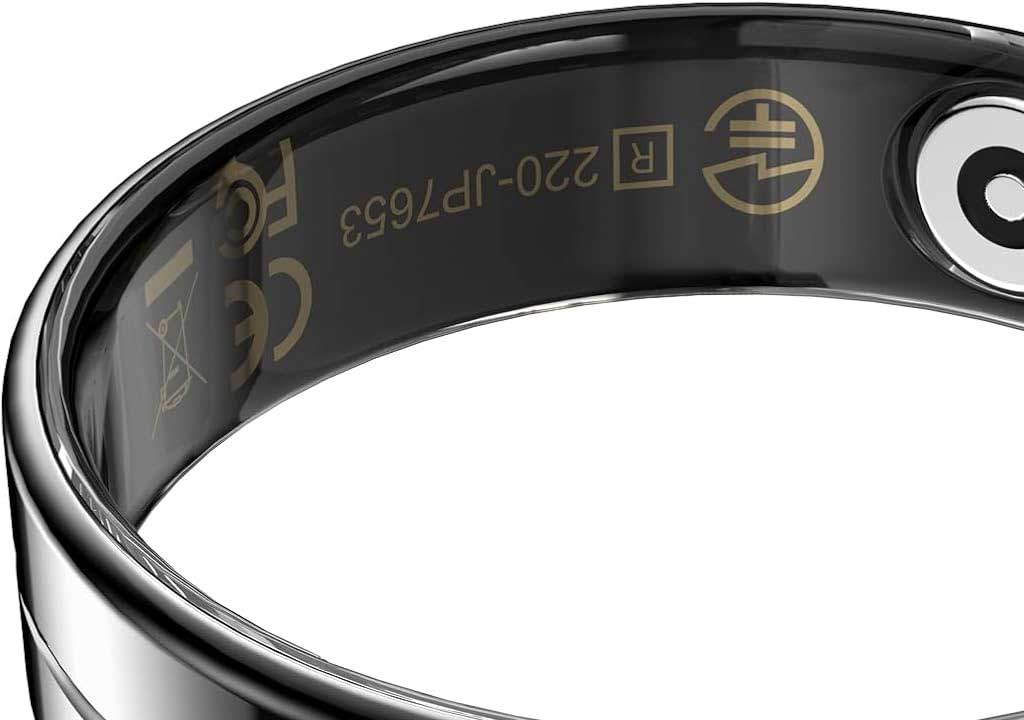
• Wearables with sleep-stage estimation – Smart rings (like Oura), wristbands ( Fitbits, Amazfit), and smartwatches often provide nightly breakdowns into light, deep, and REM sleep, plus overall sleep duration and awakenings.
• Smart devices and apps – Some apps pair with wearables or use phone sensors to track sleep patterns and offer coaching, reminders, and visualization dashboards.
• Sleep data integration – If you use a calendar or task manager, look for integrations that allow sleep data to trigger focus blocks or reminders for breaks.
• Clinical-grade options – For precise measurement, polysomnography or actigraphy under clinical supervision is available; these are typically reserved for medical assessment rather than routine daily optimization.
Tips for getting the most from sleep-stage data:
• Ensure a consistent nighttime routine to improve signal quality (dark room, cool temperature, electronics-free wind-down).
• Fit the sensor properly and keep it dry and comfortable to maintain good data capture.
• Interpret data in trends rather than day-to-day fluctuations; one night of poor data can happen for many reasons but consistent patterns over weeks are more informative.
• Combine sleep-stage data with subjective well-being measures (moreness, mood, productivity) to triangulate conclusions about your daily timing.
• Use caution in the first weeks if you’re making big sleep schedule shifts; gradual changes reduce sleep inertia and misalignment.
Case Scenarios: How Different Sleep-Stage Profiles Might Affect Your Day
Case A: The Early Riser with Consistent Deep Sleep – You wake consistently around 6:30 a.m. after nights with a sizable N3 block in the first half of the night and a solid REM tail later. Your mornings feel crisp, and you can tackle complex tasks by 9–10 a.m. without a heavy coffee reliance. Your schedule centers around a strong morning block for strategic planning, followed by lighter administrative tasks in the early afternoon. You reserve intense workouts for late morning if your data shows you’re ready, rather than immediately after waking.
Case B: The Night Owl Struggling with Early Starts – Your sleep data shows later bedtimes and fragmented sleep with shorter deep sleep early in the night, then a patchy REM distribution in the early morning. Grogginess is common until mid-morning, and you often hit a cognitive dip around 11 a.m. You shift your main productive tasks to late morning or early afternoon, and you use a brief, strategic nap after lunch to reset. Exposure to bright light in the early wake period helps advance your rhythm gradually, with the aim of bringing your peak period earlier without sacrificing sleep quality.
Case C: The Sleep-Challenged Shift Worker – Irregular shifts disrupt your circadian timing, and sleep stages fluctuate widely. Your best strategy is to construct a target schedule for your “anchor days” (the days when you’re on a regular shift) and keep your wake/sleep window as consistent as possible within a 1–2 hour range. Sleep-stage data helps you identify when you’re most alert after a given shift, and you can build a flexible plan that includes strategic naps and carefully timed light exposure to facilitate phase shifts when you switch shifts.
Common Pitfalls and How to Avoid Them
As you begin to use sleep-stage data to time your day, you might encounter several pitfalls. Here are practical tips to avoid them:
• Don’t chase perfect sleep-stage perfection. The signals from wearables are estimates and trends. Use them as directional guides, not prescriptive commandments.
• Avoid overloading mornings with intense tasks if your data shows inconsistent or poor sleep stages. It’s better to schedule lighter tasks and protect your sleep opportunity than to push through fatigue.
• Don’t neglect wake-time variability. If you’re consistently waking at the same time but feel worse because your environment or routine is off, adjust your light exposure, caffeine timing, or meal schedule rather than forcing a different wake time.
• Be mindful of caffeine and alcohol. Both can disrupt sleep architecture and reduce the reliability of sleep-stage signals. Use them strategically, not habitually, if you rely on precise daily timing.
• Consider health and age. Sleep-stage distribution changes with age and health. If you notice dramatic shifts (e.g., sudden loss of deep sleep), consult a clinician to rule out sleep disorders such as sleep apnea or periodic limb movement disorder.
Closing Thoughts: The Rhythm of Your Day, Orchestrated by Sleep Stages
Sleep-stage data isn’t a magic wand that will instantly make you productive in every moment. It’s a powerful feedback loop that helps you align your daily activities with the natural rhythms of your brain and body. By watching how your nights unfold—the length of deep sleep, the timing and duration of REM, and the moments when you wake—you gain a practical map for scheduling work, workouts, meals, and rest. The result is a healthier, more energetic day that respects your biology rather than fighting it.
To begin, pick a reliable device, commit to a consistent sleep-wake routine, and start tracking for at least three weeks. Identify your own high-energy windows, your preferred times for intense cognitive tasks, your optimum workout slots—or nap opportunities—and your most receptive times for collaboration. Then craft a flexible daily plan that uses your data to adapt to inevitable variations in life: travel, illness, stress, or shifting work hours. The aim is not perfection but alignment: a day designed around the tempo of your body and the natural cadence of your sleep.
As you gain confidence, you’ll notice a growing sense of autonomy: you’re no longer chasing energy in real time, you’re guiding it from a foundation of data and biology. The practice of circadian rhythm mastery becomes less about rigid schedules and more about a responsive, personalized framework—one that evolves with you as you learn more about your sleep stages and how they orchestrate your day.
Final Tips for Long-Term Success
• Keep a simple, consistent baseline: regular bedtimes and wake times where possible, anchored by natural light exposure in the morning.
• Treat sleep as non-negotiable work—consistency builds better data quality and more reliable daily timing.
• Use a minimal, practical approach to adjustments: small shifts (15–30 minutes) and one behavioral change at a time.
• Combine objective data with subjective mood and performance notes to triangulate the best schedule for you.
• Reassess periodically: as you age, or if your lifestyle changes, you may need to re-map your rhythm to maintain alignment.
Ultimately, Circadian Rhythm Mastery is about harmony. When your daily plan resonates with the rhythm your sleep-stage data reveals, you’re not simply functioning—you’re thriving on a schedule that your biology inherently supports. The nights you spend with your deepest sleep, your REM windows, and your wake moments become the foundation of a more productive, healthier, and more intentional day. Start today with a simple tracking plan, and let your sleep stages guide you toward a day that feels natural, energetic, and true to your personal rhythm.
LIKED THIS ARTICLE? SHARE IT: