









Custom Nudges and Quiet Modes: Smart Rings for Daily Efficiency

Custom Nudges and Quiet Modes: Smart Rings for Daily Efficiency
Smart rings are quietly becoming a centerpiece of daily productivity. Small enough to wear like a wedding band, they carry powerful capabilities: subtle vibrations, contextual reminders, and intelligent timing that help you stay on task, conserve energy, and optimize your routines. But the real magic happens when you tailor these devices to your life—when you design custom nudges that fit your work style, and when you embrace quiet modes that keep interruptions at bay without making you feel isolated from your world. In this blog post, we’ll explore how custom nudges and quiet modes in smart rings can boost daily efficiency, along with practical tips, design considerations, and real-world scenarios you can adopt today.
Let’s dive into how these tiny wearables become big-time productivity partners.
What are smart rings, and why do they matter for daily efficiency?
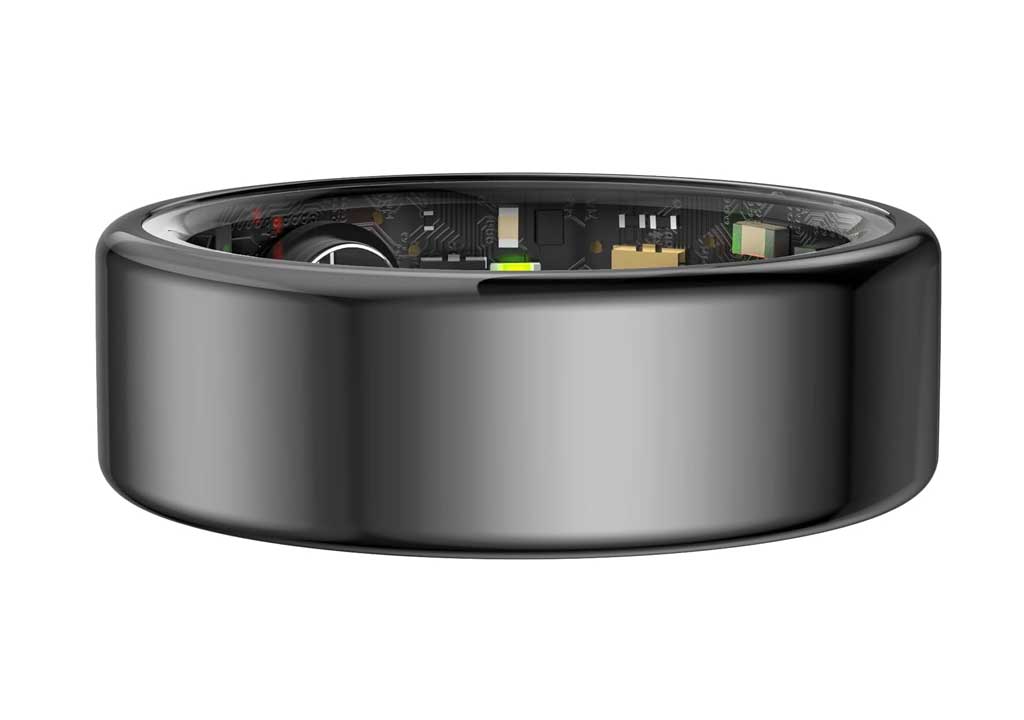
Smart rings are wearable devices worn on the finger that pack sensors, microprocessors, and a tiny battery into a form factor that’s almost unnoticeable. Their strength lies in ubiquity and context. Typical capabilities include:
- Haptic feedback: vibrations or taps that convey information without shouting via a notification light or loud phone alert.
- Gesture and motion sensing: detecting pinches, taps, or rotations to trigger actions—hands-free commands when your hands are full.
- Vital signs sensing: heart rate, variability, skin temperature, and sleep stages that help tailor nudges to your energy levels.
- Context awareness: tying events to time, location, calendar items, and routine patterns.
- Notifications and gentle reminders: quiet nudges that help you stay on track without overflowing your attention.
Where a smartphone can be a constant source of distraction, a well-tuned smart ring can be a discreet productivity assistant. It slides into your day with minimal friction and, when configured correctly, nudges you toward desirable behaviors—like taking a focused work block, standing up after a long stretch, or pausing to plan your next task—without pulling your attention away from the moment you’re in.
That subtle difference—quiet, context-aware prompts instead of loud alerts—can be the key to lasting daily efficiency.
Custom nudges: turning reminders into personal prompts
Nudges are small, behaviorally designed prompts that guide choices without limiting freedom. In the context of smart rings, nudges become tactile, timely, and personalized signals that nudge you toward productive outcomes. Here’s how to think about customizing nudges for daily life:
- Timing and cadence: Decide when nudges should arrive. Do you want a nudge for a deep work session each morning at 9 a.m., a reminder to stand every 50 minutes, or a wind-down cue at 9 p.m.?
- Modality: Choose vibration patterns, taps, or subtle visual cues (on devices that pair with the ring) to differentiate types of nudges—focus, hydration, posture, breaks, or social interactions.
- Context sensitivity: Leverage location, calendar events, activity level, and sleep data to tailor nudges. For example, you might want a stronger prompt to start a task after you’ve walked for five minutes, or a gentle reminder to slow down if your heart rate elevates during peak work hours.
- Granularity: Decide how specific nudges should be. A general “start focus time” prompt is different from a task-specific prompt like “begin editing the Marketing Q2 draft now.”
- Escalation and smoothing: Build a ladder of nudges. If you ignore a nudge, you can have a softer follow-up later or a different cue (e.g., a slower vibration vs. a quick tap). Conversely, successful nudges can be celebrated with a brief positive cue to reinforce the habit.
Examples of custom nudges you can set up include:
- Focus blocks: A 45-minute vibration pattern signals the start of a distraction-free work session aligned to your calendar.
- Transition prompts: A gentle nudge to wrap up meetings when you’re near the end of a scheduled call, reducing context-switching fatigue.
- Hydration and movement: Timed nudges to drink water and stand up every hour, calibrated to your activity level and posture data.
- Learning and reflection: Short prompts after a learning session to summarize what you’ve just absorbed or to set a micro-goal for the next step.
- Sleep hygiene: A wind-down cue 60–90 minutes before bedtime that dims ring-induced alerts and nudges you toward pre-sleep rituals.
Designing effective nudges is less about more alerts and more about smarter signals. The goal is to align nudges with natural rhythms and meaningful tasks—prompts that augment your decisions rather than hijack them. When done well, nudges become almost invisible, but their impact compounds over days and weeks, helping you maintain momentum without cognitive overload.
Quiet modes: from do-not-disturb to ambient awareness
Quiet modes are the other side of the coin. They are the rings’ way of honoring your need for focused attention, deep work, and downtime. Quiet modes aren’t about turning off the world; they’re about prioritizing what matters in the moment and reducing unnecessary interruptions. Key concepts include:
- Do-not-disturb (DND) with smart exceptions: You can silence non-urgent notifications while allowing certain critical events to break through—like a calendar appointment with direct messages from specific people, or emergency alerts.
- Scheduled focus hours: Pre-programmed blocks of time where nudges and notifications are restricted to essential actions only, so you can maintain a steady flow of work.
- Ambient awareness: Instead of buzzing with every notification, the ring uses a gentle, almost tactile cue to indicate priority status—enough to catch your attention without pulling you away from the task at hand.
- Context-aware quieting: The ring can automatically switch to quiet mode during tasks that require high concentration, or in situations where your calendar indicates deep work periods or meetings.
- Mode layering: Quiet modes can be layered—your ring might be in a general quiet mode but allow critical reminders (e.g., an urgent work item or a time-sensitive alert) to surface in a controlled way.
Quiet modes are not about perpetual silence; they’re about intelligent, situational interruptions. In practice, you can set a “Meeting Focus” mode that silences social media alerts and non-urgent messages during meetings, while still allowing your calendar to ping updates from teammates who are directly involved in the meeting. You can also create a “Family Time” mode that reduces work-related nudges after 6 p.m., except for essential family communications. The beauty of quiet modes is that they scale with your life: you can craft multiple modes for home, work, travel, workouts, and downtime, all accessible with a quick ring gesture or a mobile app toggle.
Designing your ring experience: user experience and ergonomics
To truly leverage custom nudges and quiet modes, you need a thoughtful user experience that blends hardware design with software flexibility. Here are practical design considerations:
- Haptic language: Define a small, distinct set of vibration patterns for different nudge types. A short buzz might signal a micro-nudge, a longer ripple pattern could indicate a focus block, and a rapid sequence might warn of an urgent but non-critical alert. Consistency matters—the more predictable the haptic language, the easier it is to interpret without looking at your ring.
- Gesture integration: Consider simple on-ring gestures to trigger actions—double-tap to pause a nudge, a twist of the ring to cycle through modes, or a long press to review your day’s nudges. Gestures should feel natural and not require fine motor precision in busy moments.
- Visual cues and accessibility: If your ring pairs with a phone, use color-coded or LED indicators on the companion device to reinforce ring messages for users who are visually or hearing-impaired, ensuring inclusivity while maintaining discretion.
- Battery life and charging: A long-lasting battery reduces friction in daily use. Favor efficient sensors and low-power microprocessors, plus convenient charging that doesn’t require stepping away from routines (e.g., magnetic charging dock or ring-compatible puck).
- Privacy-first design: Data on nudges, activity, and context should be stored securely, with clear opt-ins and granular controls. Users should own their data and have transparent options to export or delete history.
Another important design principle is context: nudges should feel like a natural extension of who you are and how you work. When a nudge aligns with your goals and your routine, it’s less likely to feel intrusive. If a nudge feels off, you can tune it, switch it off, or replace it with a different cue that better matches your behavior. The best smart rings empower you to iterate—continuously refining nudges and quiet modes as your routines evolve.
Practical scenarios: daily routines reimagined with smart rings
Let’s explore a handful of real-world scenarios where custom nudges and quiet modes can transform daily efficiency. These examples show how to tailor the ring’s behavior to different parts of your day:
- Morning ramp-up: A gentle nudge sequence prompts a consistent morning routine—hydration, quick stretch, review of top three tasks for the day. The ring stays quiet during early morning hours, but a subtle signal signals the moment to start your plan.
- Deep work blocks: You schedule two 90-minute focus sessions with a 15-minute break in between. The ring uses a distinct, non-intrusive vibrational pattern to mark the start and end of each block, with a hold-to-snooze option if you’re in the middle of a task.
- Meetings and collaboration: During meetings, a dedicated “Meeting Mode” silences non-essential interruptions but ensures essential team communications can come through. If someone important messages you during the meeting, you can set a high-priority exception or opt to receive a brief, time-limited alert afterward.
- Move and energy management: Each hour, a lightweight nudge reminds you to stand or move. If your heart rate or activity data suggests fatigue, nudges adjust to a gentler cadence and encourage micro-breaks rather than more intense prompts.
- Learning and note-taking: After a learning session, the ring nudges you to summarize what you learned and structure the next step. This reinforces retention without pulling you away from the content you’re absorbing.
- Evening wind-down: An adaptive quiet mode reduces screen time cues and nudges you toward pre-sleep rituals—dim lighting, a final hydration note, and a reminder to prepare for the next day.
In each scenario, the ring acts as a discreet coach—offering helpful prompts at the right moment, while preserving your agency and focus. The trick is to map your actual tasks and energy patterns to a simple set of cues, then layer on quiet modes that keep distractions in check when you need them most.
Privacy, data, and ethics: what to consider when using smart rings
With great power comes great responsibility—both for the user and the product designers. Smart rings collect data about your movement, heart rate, sleep, and interaction patterns. Here are essential privacy and ethics considerations to keep in mind:
- Data minimization: Favor devices and apps that collect only what’s necessary to deliver nudges and insights. Avoid products that gather excessive personal data without clear benefits.
- On-device processing: When possible, choose solutions that process sensitive data on-device rather than uploading raw data to cloud servers, reducing exposure risk.
- Transparency and control: Look for clear explanations of what data is collected, how it’s used, who can access it, and how long it’s stored. Make sure you have easily accessible options to disable or delete data.
- Granular permissions: Use apps that let you opt into specific data categories (e.g., motion data but not heart rate) and control nudge features independently from data collection.
- Security: Ensure robust encryption for data in transit and at rest, regular security updates, and reputable privacy practices from the device maker.
Open conversations about privacy are essential. If your body and behavior data is mapped to insights about your productivity, you should be comfortable with how it’s used and have the ability to opt out or review data behaviors you don’t want surfaced beyond your device itself. A thoughtful approach to privacy helps ensure that the ring remains a trust-worthy partner rather than a source of anxiety around surveillance or misuse.
Choosing a smart ring: features and trade-offs
The market for smart rings has matured, but choices still vary widely. Here are key features to weigh when selecting a ring for custom nudges and quiet modes:
- Sensors and accuracy: Look for multi-sensor support (accelerometer, optical heart rate, temperature, skin conductance) that can enrich context for nudges without being overly invasive or power-hungry.
- battery life and charging: Consider how often you’re willing to charge. Some rings last days, others a week, depending on feature usage. A convenient charging mechanism matters for daily adoption.
- Notification management: How flexible is the app in configuring which notifications are delivered through nudges? The ability to set per-contact or per-app rules is valuable for personalizing quiet modes.
- App ecosystem and integrations: A strong app ecosystem can integrate with calendar apps, task managers, fitness apps, and smart assistants. The more integrations you have, the richer your nudges can be.
- Privacy controls: Ensure you can opt out of data sharing, export data, and review privacy policies clearly.
- Comfort and durability: The ring should feel comfortable for extended wear, be resistant to water exposure, and offer a range of sizes and materials.
- Price and value: Weigh the cost against the productivity benefits you expect to gain. A well-configured system can deliver meaningful ROI through time saved and reduced cognitive load.
One design caveat: more features don’t always translate into better daily efficiency. The most impactful rings are those that strike balance—rich enough to enable meaningful nudges and quiet modes, but simple enough to avoid overwhelming you with options. Look for a model that emphasizes intuitive setup, sensible defaults, and easy customization as you grow more confident with it.
Getting started: a practical 2-week setup plan
To avoid overwhelm and maximize the value of your smart ring, here’s a practical, incremental two-week plan to implement custom nudges and quiet modes:
- Clarify primary goals (Day 1–2): Identify the biggest productivity bottlenecks—e.g., frequent context-switching, difficulty starting tasks, perpetual interruptions, or poor energy management. Define clear outcomes (e.g., 2 hours of uninterrupted focus per day, 5 hydration reminders, fewer late meetings).
- Baseline data gathering (Day 3–4): Wear the ring as you normally would. Let the sensor data accumulate to understand your routines (wake, work blocks, breaks, meals, sleep). Don’t tweak nudges yet—just observe how the ring’s default behavior feels.
- First set of nudges (Day 5–7): Create 3–4 core nudges aligned with your goals—focus prompts, break reminders, hydration cues, and a gentle wind-down nudge. Choose clear, distinct haptic patterns for each.
- Introduce quiet modes (Day 8–10): Set up a basic “Work Focus” mode and a “Evening Wind-Down” mode. Add exceptions for essential people or time-sensitive alerts. Ensure the modes switch automatically based on calendar events and time of day.
- Test and refine (Day 11–12): Review what worked and what didn’t. Did you miss a critical alert? Were you overwhelmed by too many nudges? Adjust cadence, sensitivity, and mode rules accordingly.
- Extend and optimize (Day 13–14): Add one or two more nudges based on your evolving needs (e.g., a task-start cue tied to your to-do list, or a post-meeting recap nudge). Fine-tune quiet modes for different contexts (home, office, gym, commute) and ensure a smooth handoff between modes as your day changes.
By the end of two weeks, you should have a personalized suite of nudges and quiet modes that feel natural, not intrusive. The key is iteration: start simple, measure impact, and expand gradually as you gain confidence and clarity about your routines.
Integrations and future-proofing: getting more out of your ring
A smart ring shines brightest when it plays well with the rest of your digital ecosystem. Consider how nudges and quiet modes can leverage data from other sources to become smarter over time:
- Calendar synergy: Nudges tied to your calendar events (start times, durations, location) help you anticipate transitions and plan blocks of flow time.
- Task management integration: Link nudges to active tasks in your preferred task manager. A nudge can prompt you to start a task queued in your to-do list or remind you to review next steps after a meeting.
- Sleep and recovery data: If you source reliable sleep data (from the ring or another device), nudges can adapt to your rest quality, encouraging longer stretches of deep work on high-energy days and gentler pacing on tired days.
- Smart assistants and automation: If you use voice assistants or automation platforms, you can create voice-activated or routine-driven nudges. For example, a single voice command could enable “quiet mode” for a work sprint or trigger a specific nudge sequence to start a new habit.
As technologies evolve, smart rings will likely gain more refined context-awareness, better battery performance, and more private, edge-based processing. This means nudges could become even more precise and less burdensome—delivering exactly what you need when you need it, with even greater respect for your attention and privacy.
Common pitfalls and how to avoid them
Getting the most out of custom nudges and quiet modes requires avoiding a few common pitfalls:
- Over-nudging: Too many prompts become noise. Start with a small, meaningful set of nudges and expand only when you have a clear payoff.
- Misaligned timing: Nudges that arrive at the wrong moment can derail your focus. Use context (calendar, location, activity level) to calibrate timing and allow quick overrides when necessary.
- Rigid modes: If quiet modes are too rigid, they can cause you to miss urgent information. Build flexible rules with sensible exceptions for high-priority events or people.
- Ignoring opt-outs: If you don’t like a nudge, you’ll disable the ring entirely. Make sure you feel empowered to tailor or disable specific nudges rather than turning off everything.
- Privacy complacency: More data can lead to better nudges, but it can also raise concerns. Prioritize devices with strong privacy controls and opt for on-device processing when possible.
By staying mindful of these pitfalls and regularly revisiting your goals, your ring can remain a trusted ally rather than a constant source of distraction.
Real-world advice: turning theory into practice
People who implement smart rings for daily efficiency often report three recurring benefits:
- Increased focus and momentum: Focus blocks reduce fragmentation and help you deliver more high-quality work in less time.
- Better energy management: Timed breaks and wakeful rest support sustainable energy, reducing burnout and improving overall productivity.
- Improved decision quality: With fewer interruptions, you can think more clearly, plan more effectively, and make better decisions.
However, the real magic is personalization. If you try to copy someone else’s configuration, you might miss the friction you felt in your own day. Use the ring as a partner to design nudges that reflect your responsibilities, your energy cycles, and your values. A setup that makes sense for a busy manager, an academic researcher, or a healthcare professional will look different because their daily rhythms diverge. Embrace the differences and tailor accordingly.
The cultural shift: nudges, quiet modes, and the art of constraint
Beyond gadgetry, smart rings encourage a broader cultural shift toward intentional constraint—a mindful structuring of the day that makes focus easier, interruptions rarer, and tasks more intentional. This shift isn’t about hermetically sealing yourself off from the world; it’s about creating reliable scaffolding that helps you decide when to engage and when to step back. In this framework, nudges are not commands but invitations to act in ways that align with your goals. Quiet modes, then, become the garden fence that protects your productive space while still allowing social connection and timely information to pass through when truly needed.
What to expect in the coming years
As sensor technology improves, and as AI continues to learn and adapt, smart rings are likely to become even more capable and less obtrusive. Anticipated trends include:
- More sophisticated context awareness: Rings will infer intent from a richer array of signals—micro-movements, gaze direction, and environmental cues—leading to even more precise nudges.
- Adaptive habit coaching: Nudges will evolve into ongoing coaching, offering progressive habit-building guidance and personalized routines that align with your lifestyle goals.
- Wearable battery breakthroughs: Longer life with faster charging will reduce friction and increase daily adoption.
- Greater privacy-preserving analytics: On-device learning and transparent privacy controls will become standard expectations, enabling meaningful insights without compromising data security.
- Multi-device harmony: A growing ecosystem of wearables (rings, wristbands, glasses) will coordinate nudges and quiet modes, creating a cohesive productivity network rather than isolated devices.
These developments promise a future where your ring becomes not just a device that sends reminders, but a thoughtful companion that guides you toward healthier work habits, more meaningful focus, and smoother daily rhythms.
Conclusion: your pocket-sized executive assistant
Custom nudges and quiet modes in smart rings offer a powerful, unobtrusive way to optimize daily efficiency. By tailoring timing, modality, and context, you can transform abstract goals into practical, actionable prompts that support focus, energy management, and thoughtful downtime. Quiet modes help you protect your attention and foster deeper work, while custom nudges gently steer you toward productive behaviors without undermining autonomy.
If you’re ready to experiment, start small: pick a couple of core nudges and one quiet mode, then observe how your day unfolds. Iterate weekly, refine your rules, and let the ring learn from your patterns. As you build confidence, gradually expand your nudges to cover more aspects of your life—without letting them overwhelm you. The result is a more intentional, efficient daily routine where technology acts as a supportive partner rather than a distracting force.
In the end, a smart ring’s value isn’t just in the data it collects or the notifications it delivers. It’s in how those nudges feel in the moment: brief, respectful prompts that help you choose the next right action. It’s in quiet modes that respect your attention and your relationships. It’s in a design that harmonizes hardware, software, and human behavior to unlock a smoother, more productive day. If you approach it with curiosity, patience, and a clear plan, you’ll discover a vibrant new dimension of daily efficiency—right on your finger.
So, whether you’re aiming to reclaim two hours of focused work each day, improve your sleep hygiene, or simply reduce the cognitive load of constant notifications, the combination of custom nudges and quiet modes on a smart ring can be a surprisingly potent ally. The journey begins with a single, thoughtful setup—and with time, your ring becomes a quiet, incredibly reliable partner in your pursuit of a more efficient, more intentional life.
LIKED THIS ARTICLE? SHARE IT: