








From Activity to Recovery: Using a Smart Ring for Balanced Health

From Activity to Recovery: Using a Smart Ring for Balanced Health
In a world increasingly saturated with data about our bodies, the smart ring has quietly become one of the most reassuring wellness companions you can wear. Sitting on a finger rather than on a wrist, a smart ring collects continuous signals about your activity, sleep, heart health, and recovery without demanding attention. The result is a long-running narrative about your balance between effort and rest—an ongoing story that can guide smarter training, better sleep, and steadier energy. This post explores how to move from simply logging activity to actively fostering recovery, using a smart ring as a trusted guide on your journey to balanced health.
What is a smart ring and what does it measure?
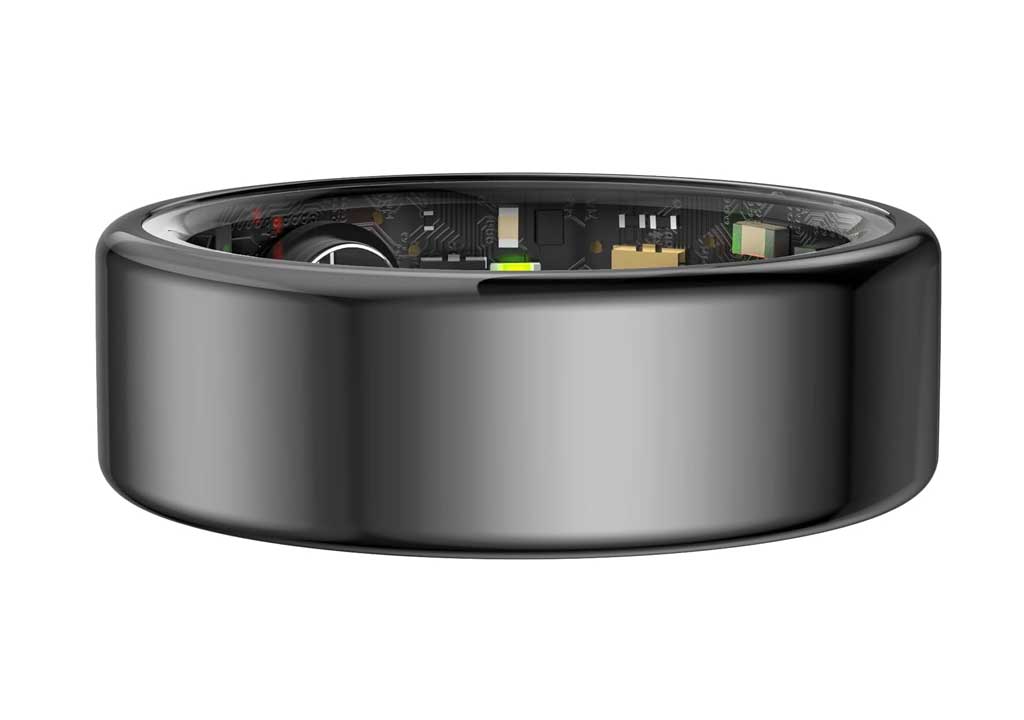
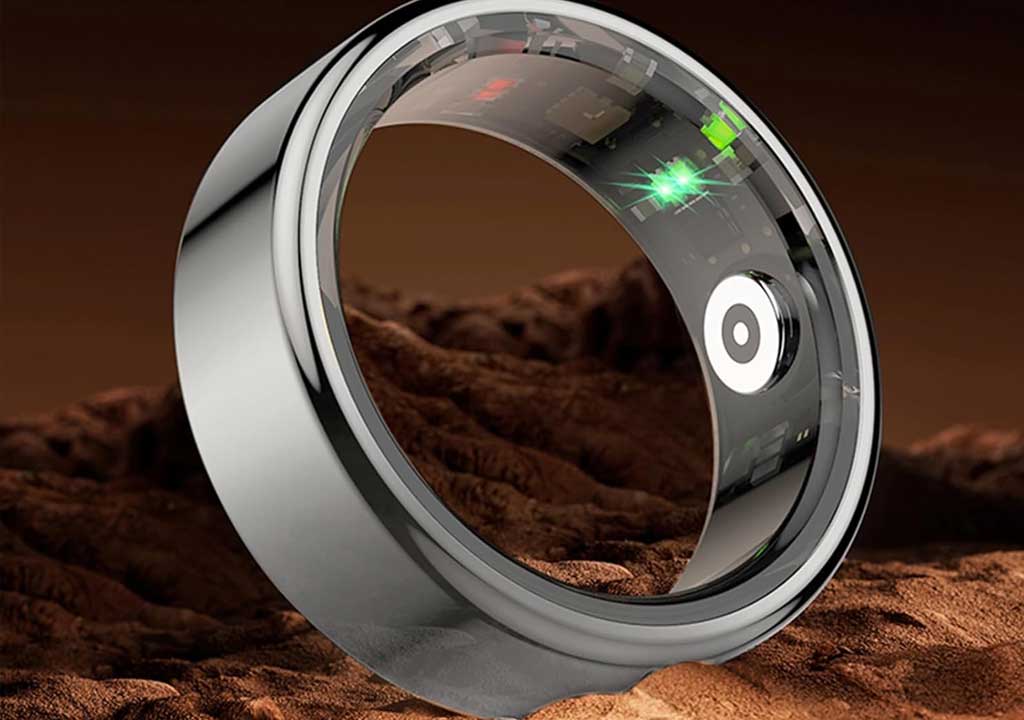
A smart ring is a compact wearable designed to be worn all day and night, usually featuring sensors that monitor heart activity, movement, temperature, and sometimes blood oxygen levels. The ring’s form factor makes it comfortable enough to wear around the clock, which means it can capture patterns you might miss with other devices. Core sensors typically include photoplethysmography (PPG) for heart rate and heart rate variability (HRV), an accelerometer for movement and activity, and often a temperature sensor to detect changes in skin temperature and ambient circadian signals.
Beyond basic tracking, many rings offer sleep staging estimates (light, deep, and REM sleep), nightly recovery or readiness scores, and trend charts that emphasize changes over days and weeks. Some rings also measure resting heart rate, nocturnal heart rate, and respiration patterns. While the data is powerful, the real value comes from how you interpret it in the context of your life—your workouts, your sleep routine, your stress levels, and your personal health history.
Key metrics that matter for balance
Understanding the metrics your smart ring provides is the first step toward using them for balanced health. Here are the core signals and how they fit into the activity-recovery loop.
- Resting heart rate (RHR) — A lower RHR often signals improved fitness and better recovery, but it can vary with illness, dehydration, caffeine, and sleep debt. Track the trend rather than any single number.
- Heart rate variability (HRV) — HRV reflects autonomic nervous system balance. Higher HRV typically indicates greater resilience and recovery capacity, while lower HRV can signal fatigue, stress, or overtraining. Interpret HRV changes over days to weeks rather than in isolation.
- Sleep duration and quality — Total sleep time, sleep efficiency, and sleep stages give clues about recovery. Deep sleep and REM sleep play unique roles in restoration and cognitive processing; disruptions can signal stress or health issues.
- Sleep consistency and circadian alignment — Regular bedtimes and wake times support circadian rhythm stability, which in turn supports hormones, metabolism, and performance.
- Skin temperature and variability — Small, consistent changes can reflect circadian phase shifts, illness onset, or environmental stressors. Sudden spikes or drops may indicate a need to adjust routines.
- Respiration rate during sleep — An elevated or irregular breathing pattern at night can flag stress, congestion, or sleep-disordered breathing patterns that may impair recovery.
- Activity and training load — Steps, active minutes, and intensity distribution help quantify daily exertion. When combined with recovery metrics, you can tailor training to avoid chronic fatigue.
- Recovery or readiness scores — Some rings synthesize the above signals into a single score that aims to reflect how prepared you are for training or how much recovery you need. Use it as a guide, not a verdict.
Interpreting these metrics requires context. A high activity day with a modest HRV drop isn’t necessarily bad; it could reflect purposeful exertion. Likewise, an unusually good HRV reading after a late night may be optimistic. The key is to compare patterns over time and to align them with how you feel and perform in real life.
From activity to recovery: the cycle
Balanced health is not about maximizing activity or chasing a single “perfect” score. It’s about navigating the cycle of effort and rest so your energy systems can adapt and improve. A smart ring helps you see this cycle in three linked layers: the daily pulse of activity, the nightly archive of recovery, and the longer arc of adaptation.
1) Daily pulse: Each day, you have a set of intentional choices—workload, workouts, meals, hydration, stress management, and sleep. The ring’s metrics give you a read on how your body is responding to those choices in real time. If RHR is higher than usual, HRV is low, and sleep was poor, it’s a signal to ease the day or adjust the plan.
2) Nightly recovery: Sleep and nocturnal physiology are where the body repairs tissue, consolidates memory, and resets hormonal systems. By monitoring sleep stages, HRV during the night, and temperature, the ring provides a window into how well your body recovers from the day—and how prepared it is for the next one.
3) Longer-term adaptation: With data across weeks and months, you begin to identify patterns. Do you perform better after lighter weeks? Does consistency in sleep translate into better overall energy and more robust HRV? The ring helps you connect the dots between training load, recovery, and performance, turning scattered experiences into actionable insight.
The practical upshot is simple: use the ring to detect mismatches between your effort and your recovery, and adjust before fatigue, burnout, or injury crept in. The ring doesn’t replace introspection or professional advice, but it gives you a richer, more objective map of your balance.
Strategies to use a smart ring for balanced health
3.1 Build a baseline you can trust
Begin by collecting data for two to four weeks without making drastic changes. Wear the ring consistently, go to bed and wake up around the same times, and record your workouts and daily routines. Look for patterns: what is your typical sleep duration? How does sleep quality correlate with next-day performance or mood? How does your HRV vary with workload or stress? Building a baseline helps you distinguish meaningful shifts from normal variation.
3.2 Interpret data in context
Numbers are most powerful when placed in context. Consider:
- Are you recovering well after a tough workout, or do you wake up stiff and fatigued?
- Did you have a late-night meeting or social event that disrupted sleep?
- Are you experiencing persistent fatigue, irritability, or decreased performance?
Use the ring’s trends alongside your subjective sense of recovery (how rested you feel, energy levels, mood) to decide next steps. A useful rule of thumb is to treat a multi-day trend as more meaningful than a single data point.
3.3 Align training with readiness
Once you have a reliable baseline, you can begin to tailor your training to your readiness signals. For example:
- On days when readiness scores are high and HRV is strong, you can maintain or slightly increase training load.
- On days when readiness is lower, or HRV is depressed and sleep was disrupted, consider reduced intensity, added rest, or lighter cross-training that still keeps you moving without pushing for peak performance.
- Use HRV and sleep data to guide longer cycles: 4–6 week build phases followed by easier deload weeks, especially if you notice a downward HRV trend or recurring sleep disturbances.
3.4 Prioritize sleep and circadian alignment
Sleep is the primary recovery tool you have. The ring’s sleep insights can help you shape a healthier routine:
- Set a consistent bedtime and wake time to stabilize your circadian rhythm.
- Create pre-sleep rituals that reduce arousal (dim lights, avoid screens, light stretching, gentle breathing).
- Keep the sleep environment cool, dark, and quiet, and consider the timing of caffeine and heavy meals.
By prioritizing sleep, you often improve HRV, reduce resting heart rate, and increase daytime energy—creating a virtuous cycle that reinforces balanced health.
3.5 Manage stress and recovery techniques
Recovery isn’t passive. It’s a skill that includes restful strategies, nutrition, hydration, breathwork, and movement that supports tissue repair and autonomic balance. When data suggests stress accumulation or persistent fatigue, try:
- Short, controlled breathing sessions (box breathing or paced breathing) to nudge the autonomic nervous system toward rest.
- Micro-breaks during the day: 1–2 minutes of mindful movement, mobility work, or a quick walk to reset energy without adding fatigue.
- Hydration and balanced meals that support energy metabolism and HRV stability.
- Evening wind-down routines that lower sympathetic arousal and promote sleep quality.
3.6 Nutrition, hydration, and caffeine timing
Nutrition can influence recovery signals such as HRV and sleep quality. Consider:
- Balanced meals with adequate protein and carbohydrates to support muscle repair and glycogen replenishment.
- Hydration patterns that prevent dehydration, which can elevate heart rate and reduce HRV.
- Caffeine use earlier in the day to avoid sleep disruption if you’re sensitive to stimulants.
3.7 Consistency beats intensity in the long run
Consistency—regular sleep, regular activity, and steady routines—tays at the core of balanced health. A smart ring helps you notice when a week slips into irregular patterns and prompts corrective action before a slip becomes a slide. Use the ring to celebrate small wins (a week with improved sleep efficiency) while acknowledging days that require gentler treatment (a heavy training day followed by a low-stress recovery day).
Practical daily workflow with a smart ring
Turning data into daily action requires a reproducible routine. Here’s a simple, repeatable workflow you can adapt to your life.
Morning
- Review the readiness score and HRV trend from the previous night.
- Check sleep duration and any sleep debt carried into the day.
- Set a plan that aligns workout intensity with readiness. If readiness is high, schedule a harder session; if not, plan a lighter workout or mobility work.
Midday
- If available, glance at the activity rings to ensure you’re meeting your daily movement goals without letting sitting dominate the day.
- Do a short breath or mobility break if stress is elevated or HRV dips during the day.
Evening
- Review sleep quality expectations and prepare for a consistent bedtime routine.
- Log any notable factors that might affect recovery—late meals, travel, alcohol, or intense stress.
By weaving the ring’s feedback into your routine, you create a feedback loop: actions today shape recovery signals tonight, and those signals guide your actions tomorrow. The goal is not perfection but a responsive system that helps you sustain energy, mood, and performance over the long haul.
Case studies: two paths to balanced health
Case Study 1: Alex, the weekend warrior
Alex loves weekend long runs and occasional cycling with friends. Weekdays are busy with a demanding job, which often leads to irregular sleep. The smart ring shows that on most weekdays, HRV is moderate and resting heart rate sits at a normal baseline, but sleep quality drops when work deadlines loom. After a few weeks of monitoring, Alex notices that days following late nights or high-stress workdays yield lower HRV and higher resting heart rate.
With this insight, Alex adjusts: prioritizes lighter, mobility-focused workouts on work-heavy days and schedules harder sessions only after good sleep and a higher readiness signal. Even on days with mediocre HRV, the ring encourages a moderate workout instead of a complete rest day, ensuring consistency without overreaching. Over several weeks, sleep quality improves, HRV trends upward, and energy during weekend workouts becomes more stable. The ring didn’t stop the fun; it helped maintain it with smarter pacing and recovery awareness.
Case Study 2: Priya, new to training
Priya began a couch-to-5K program and uses a smart ring to track her adaptation. Initially, Priya experiences inconsistent sleep, caffeine late in the day, and frustration about slow progress. The ring reveals frequent nights of short sleep duration and elevated resting heart rate. HRV shows a downward drift as training volume increases, suggesting the body is mounting a stress response and may need more recovery time.
Priya responds by establishing a consistent sleep window, limiting late workouts, and deliberately scheduling rest days around HRV dips. She also uses brief mobility and breathing routines on days with elevated stress signals. Over time, HRV stabilizes, sleep becomes steadier, and her pace improves gradually without feeling overwhelmed. The smart ring acts as a gentle coach, helping Priya avoid burnout and build sustainable momentum.
Privacy, data, and choosing a smart ring
When you rely on a device that continuously records physiological signals, privacy and data handling matter. Here are practical considerations to keep in mind as you evaluate options:
- Data ownership and access — Understand who owns your data, where it’s stored, and who can access it (the manufacturer, cloud services, or third parties). Look for clear privacy policies and opt-out options for data sharing.
- Data security — Ensure strong encryption for data in transit and at rest. Consider devices that support local analytics to minimize cloud exposure if privacy is a priority.
- Transparency of algorithms — Learn how recovery or readiness scores are calculated. While exact models are often proprietary, reputable brands explain the general inputs and limitations.
- Device longevity and updates — Check battery life, charging cycles, and how firmware updates may affect metrics you rely on.
- Fit, comfort, and durability — A ring should fit well enough to stay on during sleep and workouts. Consider materials, water resistance, and comfort in day-to-day life.
Finally, the right ring is the one you will wear consistently. Comfort, reliability, and useful insights come from regular use, so choose a device that fits your lifestyle and preferences—one that you’ll forget you’re wearing rather than one you repeatedly forget to charge.
Choosing a smart ring: practical tips
When shopping for a smart ring to support balanced health, consider these practical criteria:
- Sensor suite — At minimum, ensure HR, HRV, sleep tracking, and activity monitoring. Some models add skin temperature, SpO2, and respiration metrics for richer context.
- Battery life — Look for rings that can last several days to a week on a charge, reducing the friction of daily charging.
- Size and fit — Ring size matters for comfort and accuracy. Many brands provide multiple sizes and a sizing kit; ensure the ring sits snugly but comfortably on your finger without causing numbness or heat buildup.
- App and data export — A robust app with clear visuals, trend lines, and the ability to export data for your own analysis can be very valuable.
- Community and support — Some rings come with coaching features, guided recovery programs, and a community that shares insights. If you find guided support motivating, this can be a bonus.
Remember that no single metric defines health. A smart ring is a tool to help you observe patterns and make informed adjustments. Pair its data with your own intuition, medical advice when needed, and a holistic view of your well-being.
Integrating a smart ring with other health practices
To maximize the benefit, integrate your smart ring data with other healthy habits and routines:
- Consistent sleep hygiene— Prioritize a wind-down routine and a bedroom environment that supports restorative sleep. The ring’s sleep data will reflect your consistency.
- Structured training plans— Use readiness signals to guide training blocks, easier weeks, and rest days rather than relying on a calendar alone.
- Mindfulness and stress reduction— Incorporate regular breathing, meditation, or gentle yoga to improve autonomic balance and HRV.
- Nutrition and hydration— Plan meals around workouts to optimize recovery windows; ensure hydration supports circulatory and metabolic processes that influence HRV and sleep.
- Medical context— If you have a chronic condition, use ring-derived patterns as supplementary information and consult healthcare professionals for interpretation aligned with your treatment plan.
When these threads are woven together, you’re less likely to overtrain or under-recover, and you’ll gain a more precise picture of how your daily choices influence longer-term health and performance.
Limitations and realistic expectations
Smart rings are powerful tools, but they are not perfect. Some limitations to keep in mind:
- Accuracy variance — Sensor readings can be influenced by skin tone, temperature, movement, and device fit. Focus on trends and relative changes rather than absolute values.
- Estimation, not diagnosis — Sleep stages and recovery scores are estimates. They should inform decisions rather than replace medical advice.
- Overemphasis risk — It’s possible to become overly fixated on numbers. Balance data-driven decisions with listening to your body and managing expectations about performance goals.
Use the ring as a coach-like companion that nudges you toward healthier patterns rather than a tyrant that dictates every move. The healthier pattern is the one that feels sustainable over weeks, months, and years.
Conclusion: a practical path from activity to recovery
A smart ring offers a quiet, continuous stream of information about how your daily activities shape your nights and, ultimately, your long-term health. By focusing on balanced recovery as a partner to activity—rather than a rival to be conquered—you can create a sustainable rhythm that supports energy, mood, and performance.
Start with a reliable baseline, interpret data in context, and align training and life decisions with what your body is signaling. Prioritize sleep, manage stress, and use nutrition and hydration to support recovery cycles. Let the ring’s insights guide you toward smarter pace, smarter rest, and smarter choices overall. In a world that sometimes equates busyness with success, the idea of balanced health—achieved through informed recovery—can be your real win.
Closing note: the human in the data
Ultimately, your health is not a dashboard to tweak in isolation but a living system that responds to your care. A smart ring can illuminate the path from activity to recovery, but the journey remains deeply human: listening to your body, honoring boundaries, and choosing habits that nourish you over the long haul. If you approach the data with curiosity and kindness, you’ll not only achieve better metrics but also cultivate a healthier, more resilient life.
LIKED THIS ARTICLE? SHARE IT: