







HRV for Recovery: What Smart Rings Reveal About Training Readiness

HRV for Recovery: What Smart Rings Reveal About Training Readiness
For athletes, coaches, and health-minded individuals, training readiness isn’t a single number, it’s a story told by the body after a night of sleep, a session of intervals, and days of growing fatigue. Heart rate variability (HRV) has emerged as a practical window into that story. When you pair HRV with the convenience of wearable tech—especially smart rings that monitor overnight signals—you get a daily narrative of how recovered you are and how ready you might be for the next training phase. This article explains what HRV is, how smart rings measure it, and how you can use those signals to optimize your recovery and your training plan.
What HRV really measures and why it matters for training
Heart rate variability is a measure of the variation in time between consecutive heartbeats. Contrary to what the word “variability” might imply, a higher HRV generally signals a more adaptable autonomic nervous system (ANS) that’s able to switch between sympathetic (fight-or-flight) and parasympathetic (rest-and-digest) states with ease. In practice, a higher HRV is often associated with better recovery, lower physiological stress, and greater readiness for demanding training. A lower HRV, on the other hand, can reflect fatigue, acute stress, insufficient sleep, illness, or simply the body pulling back on training load to protect itself.
HRV is not a single number; it’s a family of metrics that capture different aspects of autonomic balance. RMSSD (root mean square of successive differences) is one of the most commonly reported short-term HRV measures in consumer devices. SDNN (standard deviation of NN intervals) reflects overall variability across a longer window. Some devices also report pNN50 (the proportion of successive intervals that differ by more than 50 ms) or composite wellness scores that synthesize HRV with resting heart rate, sleep, and activity data. For training, the practical takeaway is this: HRV trends upward with recovery and downward with fatigue or stress. The exact numbers vary between people and measurement contexts, so the focus should be on each person’s baseline and how it shifts from day to day.
What makes HRV particularly relevant for recovery is its link to the autonomic nervous system, which governs how hard your body has to work to recover between bouts of stress—be that a hard training session, a late-night workout, or emotional strain. When the ANS is balanced toward parasympathetic dominance (rest-and-digest), the body can repair tissues, restore energy stores, and consolidate learning from training. When sympathetic activity dominates (stress response), recovery slows, inflammation can rise, and performance may dip. Because honeycombs of sleep, exertion, and lifestyle all influence ANS tone, HRV serves as a compact proxy for the overall recovery state.
Smart rings: what they measure and what they reveal
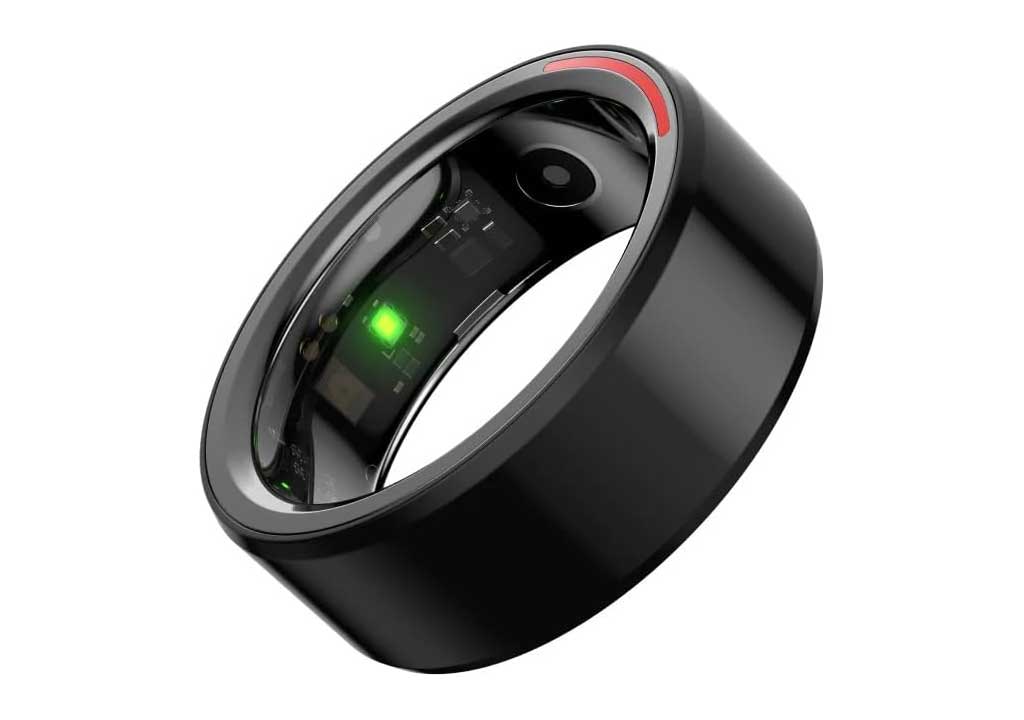
Smart rings bring HRV monitoring into a comfortable, unobtrusive form factor. Most leading rings use photoplethysmography (PPG) sensors to detect blood flow pulses through the finger while you sleep. From that signal, the device derives HRV metrics, resting heart rate, sleep stages, skin temperature, and other indicators that together form a picture of recovery and readiness. The ring’s primary advantages are continuous, overnight data collection with minimal behavioral change (you wear it like a ring, you forget it’s there). This makes it easier to accumulate long-running baselines and detect meaningful trends that might not show up in a once-a-day measurement from a chest strap or wrist device.
Because rings are worn on the finger, movement artifacts and peripheral blood flow can influence signal quality, especially if you grip, turn, or lie still in unusual positions. Modern rings are highly optimized for overnight reliability, but they are not a perfect substitute for chest-strap HRV in a laboratory setting. The value, then, lies in consistency and trend over time rather than one-off numbers. If you’re using a ring to guide training decisions, the most important element is how your HRV and other metrics move relative to your personalized baseline and your recent training load.
Key HRV metrics you’ll likely see on rings
Most consumer rings present a few core outputs that matter for training decisions. Here’s what to look for and how to interpret it:
- RMSSD-based HRV: This is the most common short-term HRV signal. Higher RMSSD generally indicates stronger parasympathetic activity and better recovery.
- Resting heart rate (RHR): Often reported alongside HRV, a rising RHR can signal fatigue or stress, especially when HRV falls in tandem.
- Sleep quality and duration: Deep sleep, REM sleep, and total sleep time influence recovery and HRV. Poor sleep often coincides with lower HRV.
- Sleep consistency and awakenings: Frequent awakenings or irregular sleep can dampen recovery signals, even if total sleep time looks adequate.
- Baseline trend charts: Most rings plot HRV and other metrics against personal baselines, so you can see whether you’re above or below your typical values.
- Readiness or recovery scores: Some devices package HRV, sleep, and activity into a composite readiness score. Use these scores as a guide, not a verdict, and always weigh them against how you feel and perform.
Remember that HRV is highly individual. A value that signals fatigue for one person might be routine for another. The strength of ring data is in longitudinal tracking: the trajectory over weeks and months tells you more than any single snapshot.
How to interpret HRV for training readiness
Interpreting HRV for training readiness is less about chasing a universal threshold and more about honoring your personal baseline and recent context. Here are practical interpretations you can apply:
- Trending higher HRV with good sleep: If your HRV is higher than usual and your sleep quality/duration is good, you likely have good recovery and ready-to-tolerate training. This is a signal to consider a quality workout—perhaps a higher-intensity session or a targeted strength block—while still listening to how you feel.
- HRV below baseline with signs of fatigue: A sustained drop in HRV (relative to your baseline) combined with longer or disrupted sleep and higher resting heart rate suggests the body is under stress. In this case, consider reducing training load, focusing on technique or mobility, or prioritizing recovery modalities rather than hammering hard.
- Mixed signals: Sometimes HRV is context-dependent. You might have a lower HRV after a big session but feel energized and perform well. Don’t rely on a single day—check the trend over several days and how you actually perform in training and daily life.
- Acute vs chronic patterns: A single bad night can temporarily dent HRV, while a prolonged pattern of low HRV can indicate chronic fatigue, overtraining, or insufficient recovery. Use longer windows to decide on major changes to your plan.
In practice, many athletes set a simple guideline: compare today’s data to your 7- to 14-day baseline. If HRV is notably lower for two consecutive days (and sleep or mood is poor), back off. If HRV remains elevated and you feel strong, you may maintain or gently push your planned workload. The key is to combine HRV with subjective measures—how rested you feel, mood, muscle soreness, appetite—and objective performance cues from your workouts.
Building a reliable baseline with a smart ring
To use HRV effectively, you need a dependable baseline. Here’s how to build one with a smart ring:
- Consistency is king: Wear the ring every night during sleep, preferably for several weeks, so the device can account for your natural variation due to the day-night cycle and daily activities.
- Standardize pre-sleep conditions when possible: Try to keep caffeine intake, alcohol, and intense evening workouts consistent. Big deviations can skew HRV and sleep data.
- Stay mindful of external factors: Illness, travel, jet lag, and heat exposure can affect HRV independently of training. Note these factors in a training log so you can interpret anomalies correctly.
- Pair HRV with other metrics: Track resting heart rate, sleep duration, sleep efficiency, and perceived exertion. A multi-metric baseline is more robust than HRV alone.
- Be patient: Baselines take time. Expect variability in the first few weeks as your body adapts to the device’s data stream and your routine stabilizes.
Some athletes find it helpful to visualize baseline periods with simple charts or apps that allow you to overlay HRV, RHR, and sleep metrics. The visual trend makes it easier to notice meaningful shifts and align training decisions accordingly.
Using HRV to plan training microcycles
HRV can help you structure short training cycles with data-driven nudges rather than rigid calendars. Here’s a pragmatic approach you can adapt to your sport and schedule:
- High-readiness phase: When HRV trends above baseline consistently, you may tolerate or purposely insert higher-intensity sessions (e.g., interval workouts, tempo runs, heavy resistance training). The goal is to capitalize on the body’s recovery state to elicit adaptation.
- Moderate-readiness phase: If HRV sits near baseline with solid sleep and you feel good, maintain a balanced mix: some quality workouts with a modest increase in volume or intensity, balanced by easy days and recovery work.
- Low-readiness phase: When HRV is notably below baseline for several days, and you notice fatigue, soreness, or mood changes, reduce the training load, swap in lower-intensity sessions, add extra rest days, or shift to technique, mobility, or economy work that’s less taxing on the nervous system.
- Deload or reset: If HRV remains depressed but life stress is high (e.g., travel, exams, deadlines), consider a planned deload week with reduced volume and intensity, allowing a stable period for recovery and adaptation.
In this framework, HRV isn’t a go/no-go gate for every workout. It’s a signal that helps you balance training stress with recovery capacity. A practical habit is to draft a weekly plan that includes a “readiness target” for each workout, but remain flexible to adjust based on what HRV and how you feel.
Integrating sleep quality and other recovery signals
HRV doesn’t exist in a vacuum. Sleep quality and duration, daytime energy, appetite, mood, and soreness all color the recovery story. When you interpret HRV, consider the broader recovery canvas:
- Sleep: Consistently good sleep supports parasympathetic dominance and can raise HRV. Disturbed sleep can blunt this signal even if you feel rested in the afternoon.
- Sleep architecture: The balance between deep sleep, REM, and lighter stages can influence recovery. Rings that track sleep stages provide context for HRV readings.
- Training load: The cumulative load across a week matters. A high-load week may depress HRV temporarily, but if sleep and nutrition are solid, your readiness may still be adequate for the next hard session.
- Nutrition and hydration: Fuel availability and hydration status influence autonomic tone and recovery processes, subtly shaping HRV.
- Stress and mood: Psychological stress can depress HRV independently of physical exertion, so mental state matters too.
Your goal is to create a coherent signal by integrating HRV with these recovery indicators. Over time, you’ll learn which combinations of HRV, sleep, and mood predict when you’re ready to push and when a lighter day is the wiser choice.
Case studies: how HRV-informed decisions look in real life
Case 1: A college athlete with a heavy academic schedule notices a two-day dip in HRV, rising resting heart rate, and a restless night. He feels a bit fatigued and notes muscle soreness. Rather than forcing a high-intensity interval session, his plan shifts to a low-impact conditioning workout and an extra recovery day. The result: the following day, HRV partially rebounds, sleep improves, and he returns to his plan with better readiness than if he’d pressed through. The ring data helped him avoid overreaching during a stressful period.
Case 2: A recreational runner tracks HRV for several weeks and sees a steady upward trend. One morning, HRV spikes again after a restful weekend, and he feels unusually energized. He seizes the moment to do a tempo run that would have felt risky a month earlier. The workout goes well, and he experiences improved pace and cadence in that session. While not every spike guarantees a PR, the readiness signal aligned with performance, reinforcing confidence in training strategy.
Case 3: A rider experiences inconsistent HRV data during travel. Nights on the road show mixed sleep quality and a slightly elevated resting heart rate. The coach encourages a shift to technique-focused sessions and longer warm-ups, along with mindful recovery practices. This approach helps maintain training continuity without accumulating fatigue from disrupted sleep and unfamiliar surroundings.
These scenarios illustrate a broader point: HRV is most powerful when used as part of a storytelling toolkit. It adds nuance to decisions that you would already be making based on how you feel, how you perform, and what your schedule demands.
The limitations and caveats: what HRV can and cannot tell you
As useful as HRV data can be, it’s important to recognize its limitations. HRV is sensitive to a wide range of factors beyond training load. Some key caveats include:
- Individual variability: People differ in baseline HRV due to genetics, age, fitness, and even time of day. A healthy baseline requires personalized interpretation, not universal thresholds.
- Measurement context: Ring-based HRV is typically derived from overnight recordings. Short afternoon measurements can differ in reliability and interpretation from morning readings from a chest strap.
- Signal noise and artifacts: Movement, cold fingers, or improper ring fit can introduce noise. Consistency in wearing the ring and maintaining fit helps minimize this.
- Overemphasis risk: Focusing too much on a single metric can lead to inappropriate decisions. HRV should be integrated with sleep data, subjective feeling, and performance outcomes.
- Learning curve: It takes time to get good at interpreting HRV signals. Start with simple rules, refine them as you accumulate data, and stay flexible.
If you notice unusual HRV readings that don’t fit your body’s typical pattern, consider confounding factors—illness, travel, vaccine effects, caffeine timing, and heat exposure—and give the data a few days to normalize before making major changes to your plan.
Practical tips to get the most from your HRV-informed recovery approach
Ready to put HRV into action? Here are practical steps you can follow to maximize its value for recovery and training readiness:
- Commit to a baseline window: Track HRV and recovery signals for at least 2–4 weeks before making long-term training adjustments. Use this period to understand your normal variability.
- Wield trend analysis: Look for directional changes rather than isolated numbers. A downward drift over several days is typically more informative than a single low value.
- Combine metrics: Use HRV with resting heart rate, sleep quality, and perceived exertion. A holistic view reduces misinterpretation from any single metric.
- Plan adaptable workouts: Build weekly plans with built-in flexibility—easy days or technique work when readiness signals aren’t strong, higher-intensity blocks when signals are favorable.
- Respect circadian and lifestyle factors: Recognize that factors like late-night workouts, caffeine, alcohol, and travel can shift HRV. Don’t overreact to one-off deviations.
- Tune your recovery tools: Prioritize sleep quality, hydration, nutrition, and stress management. Effective recovery practices can raise HRV over time, reinforcing a positive feedback loop.
- Document your decisions: Keep a simple log of HRV, sleep, mood, and training choices. Over weeks, patterns emerge that improve decision quality.
Beyond HRV: a holistic approach to training readiness
HRV is a powerful signal, but it’s one piece of a larger puzzle. Readiness also depends on sport-specific factors such as technique, neuromuscular fatigue, and skill acquisition. For endurance athletes, substrate availability (carbohydrate stores and fat utilization) and heat acclimation can influence how you feel during workouts. For strength-focused athletes, muscular soreness and connective tissue readiness play prominent roles. Recovery quality reflects not only the autonomic nervous system but also the integrity of tissues and the mind-body connection that underpins performance.
Smart rings help operationalize this broader perspective by providing a reliable, unobtrusive stream of data. The true value comes from synthesizing HRV with your sleep metrics, daily energy, mood, and subjective readiness. When used this way, HRV becomes a practical tool for planning training microcycles, preventing overtraining, and sustaining progress over months and years.
Common questions about HRV, recovery, and smart rings
Here are quick answers to typical questions athletes ask when starting with HRV data:
- Do I need a ring to measure HRV? No, but rings offer convenient, overnight data with minimal setup. Chest straps or patch sensors can provide high-fidelity HRV data for researchers or those who want maximum precision. For most athletes, rings provide a good balance of practicality and insight for daily readiness decisions.
- Should HRV be the only factor in deciding workouts? No. Use HRV as a guide, not a verdict. Combine it with sleep, mood, soreness, and actual performance outcomes to make well-rounded decisions.
- How quickly can I improve my HRV? Regular sleep, consistent training, stress management, and proper recovery can improve baseline HRV over weeks to months. Short-term spikes reflect good recovery, while sustained improvements require steady lifestyle optimization.
- What if my HRV is high but I’m not feeling well? There can be exceptions. Some people experience high HRV while dealing with subclinical issues or recent training adaptations. If you feel off, treat the overall picture with caution and consider a lighter training day to see how you respond.
Conclusion: making HRV a practical ally in your training journey
Heart rate variability, especially when tracked with smart rings, offers a pragmatic way to quantify recovery and inform training readiness. The ring’s overnight data, layered with sleep quality and resting heart rate, provides a personalized narrative of how well your body is recovering and how prepared it is to meet next-week demands. The key to turning HRV data into real-world benefits is consistency, context, and restraint: be patient with baselines, avoid overreacting to single readings, and always weigh HRV against how you feel and how you perform in your workouts.
If you approach HRV with curiosity rather than alarm, you create a feedback loop that helps you train smarter, recover faster, and keep progress sustainable. Smart rings won’t replace a coach, a thoughtful training plan, or your own lived experience of training. They will, however, enhance your ability to listen to your body, notice patterns, and make informed decisions that align with your goals. In the end, HRV is less about chasing a number and more about understanding your unique rhythm of recovery—so you can show up ready to train at your best, day after day.
End of article. If you’d like, I can tailor a simple 2-week readiness plan based on a hypothetical baseline HRV and sleep data, or help you design a log for tracking HRV alongside workout outcomes.
LIKED THIS ARTICLE? SHARE IT: