






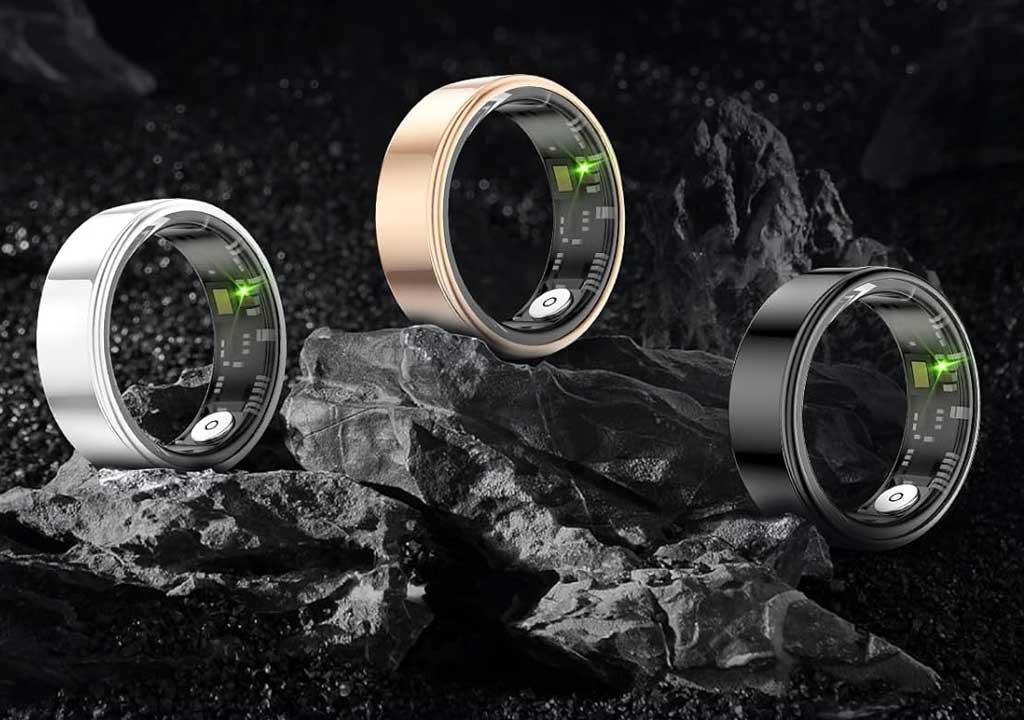
Sleep, Recovery, and Focus: Smart Ring Features You Need

Sleep, Recovery, and Focus: Smart Ring Features You Need
In the modern world of wearables, the smart ring has emerged as a discreet yet powerful ally for sleep, recovery, and daily focus. While wrist-worn devices have popularized the idea of tracking, a well-designed ring sits close to the arteries, often offering higher signal quality for heart rate, heart rate variability (HRV), skin temperature, and oxygen saturation without being bulky on the wrist. If you’re chasing sharper mornings, steadier energy, and a calmer mind, a smart ring can become a trusted companion. This guide breaks down the essential features to look for, how to interpret the data, and practical ways to leverage sleep, recovery, and focus for real-life results.
Why sleep, recovery, and focus matter—and how a smart ring helps
Sleep is the foundation of cognitive performance, emotional regulation, and physical repair. Inadequate or fragmented sleep can blunt attention, slow reaction time, impair working memory, and skew mood. Recovery—often measured through physiological signals like HRV and resting heart rate—reflects how well your body has rebounded from stress, exercise, or illness. When you connect sleep quality to next-day focus, you create a loop: better sleep improves focus; improved focus helps you perform better during the day, which in turn can reduce stress and improve sleep preparation at night.
A smart ring helps by collecting continuous data during sleep and wakefulness with a design that’s comfortable enough to wear overnight. The best rings provide a holistic view: sleep duration and quality, HRV-based recovery, respiration indicators, skin temperature trends, and even circadian alignment cues. They translate streams of data into actionable insights and gentle nudges—without getting in the way of your day or your sleep.
Key data signals you’ll encounter
To make the most of a smart ring, you should understand the core signals most rings track and how they relate to sleep, recovery, and focus.
Sleep duration and efficiency: Total time asleep and the percentage of time in bed that you’re actually sleeping. Sleep efficiency is affected by awakenings and sleep onset latency (time to fall asleep). Higher efficiency generally correlates with deeper rest and more restorative benefits.
Sleep stages: Light sleep, deep sleep (slow-wave), and REM sleep. Each stage serves different restorative roles: deep sleep supports physical repair and immune function; REM sleep supports learning, memory consolidation, and emotional processing. A high-quality ring will attempt to infer stage distribution from autonomic signals, although exact accuracy can vary across devices.
Heart rate (HR) and resting heart rate (RHR): Your HR profile during sleep tells you about autonomic balance and stress load. A rising RHR over several nights can indicate insufficient recovery or mounting stress, while a lower or stable RHR suggests your body has settled into repair mode.
Heart rate variability (HRV): HRV is a measure of the variation between heartbeats and serves as a proxy for parasympathetic nervous system activity. Higher HRV generally implies better recovery readiness and resilience to stress, while lower HRV can indicate fatigue or overload.
SpO? (blood oxygen saturation) and respiration: SpO? trends during sleep can flag breathing interruptions or sleep-disordered breathing. Some rings estimate respiration rate, which can reveal changes in breathing patterns that accompany stress, illness, or exertion.
Skin temperature: Subtle shifts in peripheral temperature can reflect circadian phase and body load. Warmer nights or gradual temperature trends can influence sleep onset and depth, especially when combined with environmental factors like room temperature.
Sleep consistency and bedtime routine: Rings can help you maintain regular sleep and wake times, track consistency across weekdays and weekends, and suggest gradual adjustments to protect your circadian rhythm.
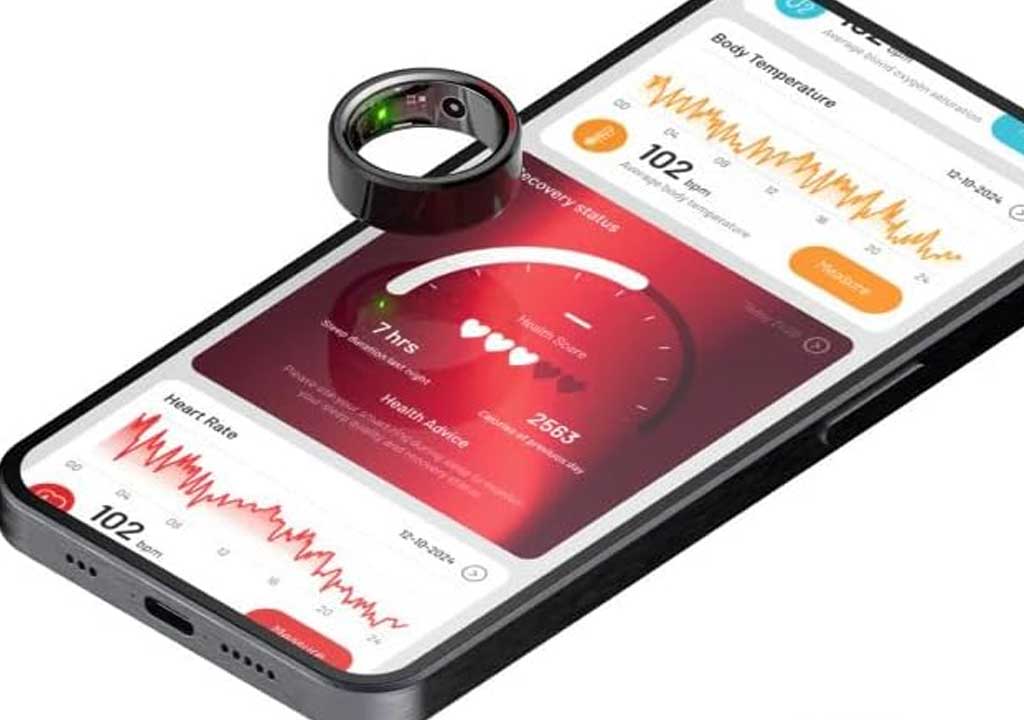
Recovery score or readiness metric: Many rings combine HRV, HR, sleep, and activity data into a single recovery or readiness score. This composite metric can help you decide when to push hard in training, take a lighter day, or prioritize sleep and wind-down routines.
What smart rings typically offer for sleep tracking
The best rings don’t just log numbers; they translate data into a practical narrative. Here are the features you want to see for sleep tracking:
Accurate, comfortable sensors: Rings use photoplethysmography (PPG) sensors to capture HR and HRV with high signal quality while you sleep. The compact form factor reduces motion artifacts and is less prone to measurement interference than some larger wearables. Comfort matters; if a ring irritates your finger or feels bulky, you’ll be less likely to wear it consistently.
Detailed sleep stage estimation: Look for a ring that reports time in deep sleep, light sleep, and REM, plus awakenings and sleep onset latency. While no consumer device is a medical-grade sleep lab, consistent trends across nights provide valuable context for your routines.
HRV-based recovery insights: Recovery or readiness scores that combine HRV with HR and sleep metrics can help you decide when to train, when to back off, and how to schedule high-focus tasks. The best systems let you see HRV trends over weeks to understand your personal baseline.
SpO? and respiration signals: SpO? is especially important for detecting nocturnal breathing issues, which can impair sleep quality long before you notice daytime symptoms. If you have a history of snoring or sleep apnea risk, this data is particularly valuable.
Skin temperature trends: Temperature data can inform circadian alignment and help you tune room conditions, bedtime timing, and even seasonally adjusted routines.
Smart alarms and wind-down reminders: A gentle alarm that tracks your sleep stage to wake you during a light sleep window can improve morning grogginess. Wind-down guidance—like a suggested bed-alarm, breathing exercises, or ambient cues—can ease transitions to sleep.
Sleep coaching and personalized recommendations: Some rings offer coaching that adapts to your patterns, suggesting nap times, pre-sleep routines, caffeine timing, and exercise scheduling to optimize sleep and recovery.
Recovery: turning sleep into daily performance
Recovery is more than resting in the body; it’s a dynamic process that influences cognitive agility, focus, mood, and resilience to stress. Smart rings are particularly effective at surfacing the physiological signs of recovery, so you can align your workouts, work sessions, and break schedules with your body’s readiness.
HRV as a business card of recovery: HRV reflects autonomic nervous system balance and parasympathetic activity. When you’ve had a good night’s sleep and a moderate training load, HRV tends to be higher and more stable. After intense exertion, illness, or poor sleep, HRV can dip. Having a continuous readout helps you calibrate daily plans—do you push hard on a high-HRV day or prioritize restorative work on a low-HRV day?
Resting heart rate as a baseline: A rising RHR over several days can indicate cumulative fatigue, stress, or insufficient recovery. Conversely, a well-rested state often shows a modestly lower RHR. Monitoring this trend helps you decide when to rest and when to train.
Recovery score as a decision aid: Some ecosystems combine sleep quality, HRV, HR, and activity to yield a daily recovery score. It’s not a verdict on your worth or your fitness; it’s a signal to guide your planning. Use it in conjunction with how you feel, not as the sole determinant.
Nap optimization: For many people, naps can be a powerful recovery tool when timed correctly. Rings that track circadian markers can help you plan a brief nap window that won’t interfere with nocturnal sleep, typically early to mid-afternoon for most adults, though individual rhythms vary.
Focus and cognitive performance: translating sleep and recovery into sharp days
Focus is a product of energy, motivation, and mental clarity. Sleep deprivation and poor recovery erode working memory, sustained attention, and decision-making. Conversely, well-timed sleep and robust recovery can unlock a higher ceiling for focus. Smart rings can support this cycle by offering insights that help you structure your day for peak cognitive performance.
Circadian alignment and daylight cues: Many rings infer circadian phase by integrating sleep timing, activity, and light exposure. Understanding your body’s clock helps you schedule demanding tasks during windows when alertness is naturally higher and reserve less critical work for lower-energy periods.
Focus-friendly features in the app: Some rings pair sleep and recovery data with cognitive or productivity coaching—suggesting when to tackle high-concentration tasks, schedule deep work blocks, or take micro-breaks to refresh attention. The goal isn’t to micro-manage you but to align your day with your biology.
Breathing and stress modulation: Stress can erode focus even when you feel alert. Rings that provide guided breathing exercises, autonomic balance cues, or short relaxation sessions can help regulate arousal levels between tasks, improving sustained attention and reducing cognitive fatigue.
Performance planning around meals and caffeine: Caffeine timing and meal composition can influence focus. By correlating sleep debt, HRV, and wake times with caffeine intake, you can build a plan that minimizes jittery spikes and crashes and supports steady attentional control across the day.
Smart ring features you should look for
When evaluating a smart ring for sleep, recovery, and focus, prioritize a combination of accuracy, practicality, and customization. Here are the features that make the biggest difference in real life:
Comfort and design: The ring should be comfortable enough to wear all night and during the day. Materials, size options, and a snug but not constricting fit matter. If a ring feels uncomfortable, you’ll skip wearing it, and you’ll miss out on continuous data that adds up over time.
Battery life and charging convenience: A long battery life reduces the frequency of charging, making nightly wear more reliable. Some rings offer magnetic charging docks, wireless pads, or even quick-charge options that fit into your morning routines without friction.
Sensor quality and data accuracy: Look for rings with validated sensors for HR, HRV, SpO?, and skin temperature. A reputable device will publish the sampling rates and show consistent performance across night-to-night comparisons. Read user reviews and independent validation studies if available.
Data depth and granularity: The broader the data streams, the more nuanced your insights. Prioritize rings that offer stage-based sleep data, HRV-derived recovery metrics, temperature trends, respiration, and reliable wear detection to reduce gaps in your data.
App experience and insights: A clean interface that presents trends over time, intuitive graphs, and easy-to-understand explanations makes it more likely you’ll use the data. Look for nightly summaries, weekly reviews, and actionable recommendations rather than raw numbers alone.
Personalization and coaching: A good ring adapts to your lifestyle. It should tailor reminders, wind-down suggestions, and training advice to your schedule, sleep history, and goals. The ability to adjust targets (e.g., sleep duration or recovery goals) helps you stay motivated as you progress.
Sleep scheduling and smart alarms: A smart alarm that wakes you during a light sleep phase can dramatically improve morning function. A programmable wind-down routine—such as a reminder to dim lights, reduce screen time, or perform a few breathing exercises—helps you fall asleep faster and more consistently.
Recovery and training integration: If you’re active, a ring that syncs with your fitness apps, training plans, or coaching platforms adds a lot of value. The ring should translate sleep and recovery data into practical workout recommendations and rest days that fit your overall program.
Focus-enhancing features: Some rings include features designed to improve daytime focus, like gentle vibrations for micro-breaks, cognitive load indicators, or personalized scheduling that aligns high-focus work with optimal alertness windows.
Stress tracking and breathing guidance: Real-time or daily stress signals, paired with guided breathing or relaxation routines, can help you manage arousal levels and keep focus sharp throughout the day.
Privacy and data control: Data ownership and privacy are increasingly important. Look for rings with clear privacy policies, local data storage options, and robust controls over what is shared with apps or third parties.
Interpreting the data: practical guidance
Data only helps you if you know how to read it and translate it into action. Here are practical guidelines to interpret sleep, recovery, and focus data from a smart ring:
Use trends, not snapshots: A single night of data can be noisy. Look for patterns across a week or two before making significant changes to your routine. Consistency matters more than perfect nights.
Context is king: Consider what else is happening in your life—travel, stress, illness, caffeine, alcohol, and exercise. The same sleep score or HRV value can mean different things depending on context.
Don’t chase a number; chase a rhythm: Aim for a stable bedtime, regular wake time, and predictable energy patterns. Let the recovery score guide decisions about training intensity and daily focus, but use personal perception and productivity as a check against the numbers.
Corroborate with practical outcomes: If a night with lower HRV correlates with poor focus the next day, that’s meaningful. If it doesn’t affect your performance, you may be experiencing natural variance or an outlier night.
Protect your sleep environment: Data can help you identify environmental causes of poor sleep—noise, light, room temperature, or late-evening activity. Use the ring’s insights to adjust your bedroom setup for better sleep quality.
Practical tips to maximize sleep, recovery, and focus with a smart ring
Here are actionable steps you can take to translate your smart ring’s data into better sleep, recovery, and daytime performance:
Set a consistent schedule: Pick a target bedtime and wake time, then stick to it as much as possible. The more regular your schedule, the stronger your circadian alignment and the more reliable your sleep quality will be.
Create a wind-down routine: Allocate 30–60 minutes before bed for relaxing activities. Dim lights, limit screen time, and try gentle stretching, journaling, or breathing exercises. Use the ring’s reminders if available to reinforce the routine.
Optimize your sleep environment: Keep the bedroom cool, dark, and quiet. Consider blackout curtains, white noise, and a comfortable mattress and pillow. A stable environment can elevate sleep efficiency and depth, which the ring will reflect in improved sleep metrics over time.
Time caffeine and meals thoughtfully: Avoid caffeine late in the day and align meals with your activity and sleep window. Use your ring’s circadian and energy signals to guide when you should eat or pair meals with lighter activity to prevent energy crashes that affect focus.
Use recovery data to plan workouts: If your ring shows low HRV and elevated resting heart rate, consider a lighter workout day or more emphasis on mobility and recovery rather than high-intensity sessions.
Practice breathwork and stress reduction: Short breathing sessions can improve autonomic balance and readiness for sleep. Use guided breathing cues from the ring’s app or a separate mindfulness routine to reduce pre-sleep arousal.
Address potential sleep-disordered breathing: If your SpO? trends and pauses in breathing surface repeatedly, consult a clinician. The ring’s data is a screening signal, not a diagnosis, but it can prompt important conversations with healthcare providers.
Case scenarios: practical routines built around a smart ring
Scenario 1: A busy professional with variable early-evening commitments
Aim: Improve morning focus and reduce evening stress. Strategy: Maintain a consistent bedtime, use the ring’s wind-down prompts, and schedule deep-focus work during the late-morning window when HRV is typically higher. If the ring shows reduced sleep quality on a given night, prioritize lighter tasks or a shorter, well-timed nap instead of a late, high-intensity workout.
Scenario 2: An athlete balancing training and recovery
Aim: Align training loads with recovery signals. Strategy: Review recovery scores and HRV in the evening and plan the next day’s session accordingly. On days with high HRV and robust sleep, schedule higher-intensity workouts or speed-focused sessions. On lower HRV days, emphasize technique work, mobility, or a recovery session instead of a hard effort.
Scenario 3: A night-shift worker trying to stabilize sleep during rotating schedules
Aim: Protect circadian alignment across shifts. Strategy: Use the ring’s bedtime flexibility to create a predictable pre-sleep routine after each shift, optimize room conditions, and rely on the smart alarm to wake during the lightest possible phase when sleep is feasible. Track trends across weeks to identify patterns that can be stabilized despite irregular hours.
Privacy, ethics, and long-term use considerations
While smart rings offer rich data, it’s essential to consider privacy and personal data usage. Be mindful of where your health data is stored, who has access to it, and how it’s used for product improvements or marketing. Prefer devices with transparent privacy policies, local data storage options, and clear controls over data sharing. In addition, use your data as a guide, not a decree—sleep and recovery are influenced by many factors, including stress, illness, and life events that may temporarily skew metrics.
Choosing the right smart ring for your goals
To select the right device, reflect on your primary goals: sleep quality, recovery readiness for training, or focused cognitive performance across the workday. Here are quick decision criteria:
If sleep quality is your primary goal: Look for high-fidelity sleep stage estimation, robust night-time data (HR, HRV, SpO?, respiration), and strong wind-down features. Ensure the ring is comfortable for overnight wear and has a reliable, easy-to-use app for nightly summaries.
If recovery and training beacons drive you: Prioritize HRV-based recovery metrics, trend visualization, and integration with your training log or gym app. A clear readout of readiness and adaptive coaching can be particularly valuable.
If focus and productivity are the aim: Seek rings with circadian insights, focus-oriented prompts, and breathing or stress-management features. A ring that helps you schedule tasks during peak alertness windows can be a big win for busy days.
Compatibility and ecosystem: Ensure the ring works with your smartphone, preferred apps, and any wearables you already use. Consider whether you want cross-device synchronization for a fuller picture across wearables, or if you prefer a single-source solution.
Limitations and realistic expectations
Smart rings are powerful tools, but they’re not medical devices. They provide estimates based on physiological signals, which can be influenced by factors like movement, ambient temperature, nail color, and skin moisture. Don’t over-interpret a single night’s data. Use trends, contexts, and your own perception of energy and performance to inform decisions. If you have a diagnosed sleep disorder, chronic illness, or mental health concerns, rely on professional medical advice and use your ring data as a supplementary guide rather than a substitute for clinical care.
Integrating a smart ring into your lifestyle
To truly leverage a smart ring, integrate it into a holistic routine rather than using it in isolation. Pair ring-derived insights with an evidence-based sleep strategy, regular exercise, healthy nutrition, and stress management practices. A practical framework might include:
Weekly reviews: Set aside time to review sleep, recovery, and focus data for the past week. Look for patterns, celebrate gains, and adjust targets accordingly.
Sleep-first mindset: Prioritize sleep as a foundation for performance. Treat a poor night as a cue to adjust the next day’s workload and emphasize recovery.
Adaptive planning: Build flexibility into your schedule. On high-recovery days, schedule more intense work sessions. On low-recovery days, reduce cognitive load or insert restorative activities.
Experiment with routines: Try small, controlled adjustments (different bedtimes, wind-down exercises, or caffeine timing) and observe how your sleep and focus metrics respond over two weeks.
Bottom line: the smart ring you need for sleep, recovery, and focus
A thoughtful smart ring can become an indispensable tool for aligning sleep, recovery, and daytime performance. The right device offers accurate, multi-faceted sleep data, HRV-based recovery insights, environmental and circadian context, and practical guidance that translates into actionable daily decisions. It’s not about chasing perfect numbers; it’s about building a sustainable rhythm that supports your goals, day after day.
As you evaluate options, prioritize comfort, battery life, data quality, a clear and helpful app experience, and features that genuinely support your sleep routines, recovery planning, and focus strategies. With a smart ring that fits your life, you’ll watch sleep become a foundation for energy, resilience, and clarity—both in the gym and in the boardroom.
Final thoughts
The relationship between sleep, recovery, and focus is a dynamic, personal system. A smart ring can illuminate that system, helping you see how late nights, training cycles, stress, and daily choices ripple through your attention and productivity. Use the insights as a compass, not a verdict. Small, consistent improvements compound over time, and your ring can be a reliable partner in guiding you toward better nights, stronger recoveries, and sharper days.
If you’re starting out, pick a target you can sustain for 2–4 weeks—whether that’s a fixed bedtime, a regular wind-down routine, or a simple daily recovery check. Track your data, reflect on how you feel, and adjust. Before you know it, sleep will become less of an afterthought and more of a strategy—one that quietly supports your focus, energy, and success across the hours you care about most.
LIKED THIS ARTICLE? SHARE IT: