







How Smart Rings Are Redefining Daily Wellness Tracking

How Smart Rings Are Redefining Daily Wellness Tracking
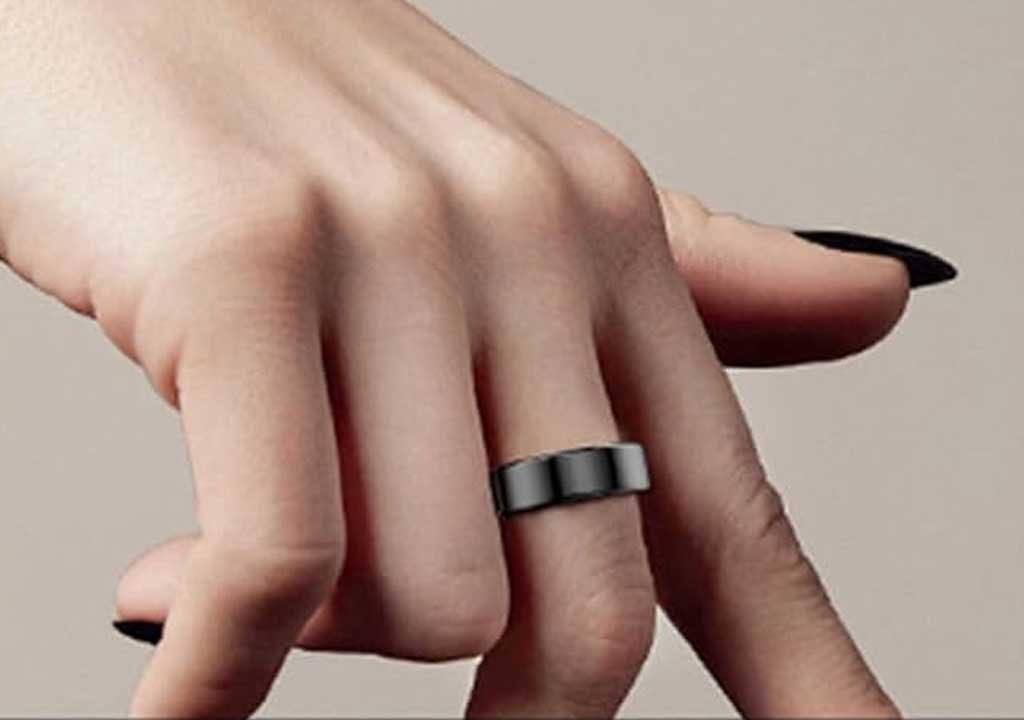
In the quest for healthier living, wearable tech has moved beyond bulky wrist devices and clunky fitness bands. The latest leap forward comes in a form that is almost invisible: the smart ring. Small, stylish, and capable of a surprising amount of insight, smart rings are changing how we monitor sleep, stress, activity, and overall well-being on a daily basis. This isn’t merely a trend in gadgetry; it’s a shift toward continuous, unobtrusive data that can inform better decisions about how we live, rest, and recover.
What a smart ring is and how it works
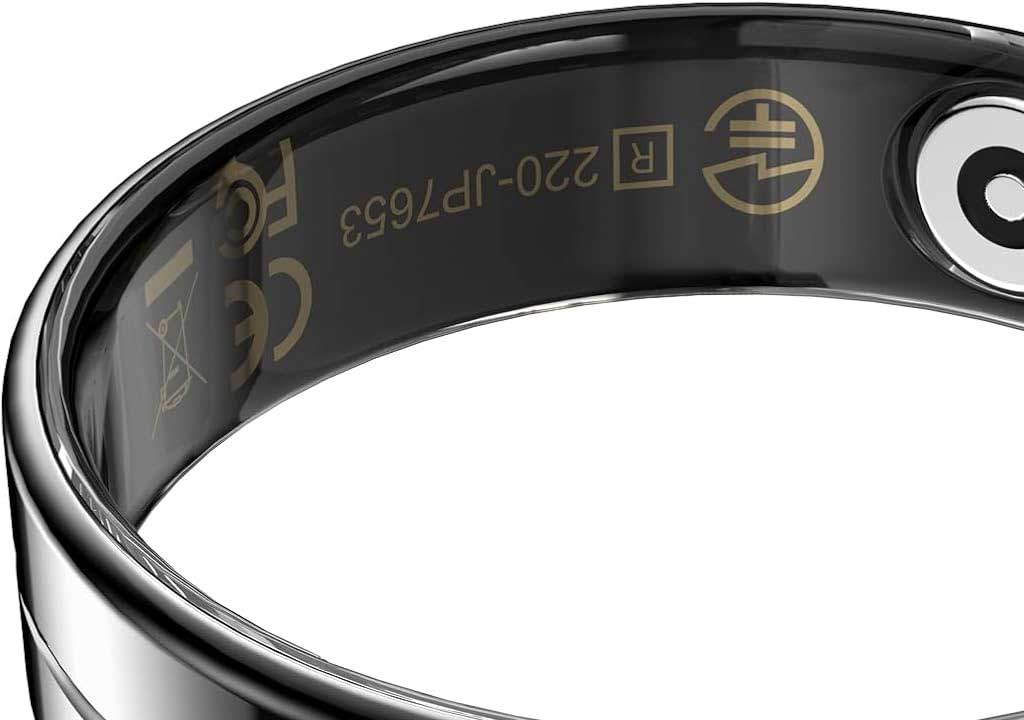
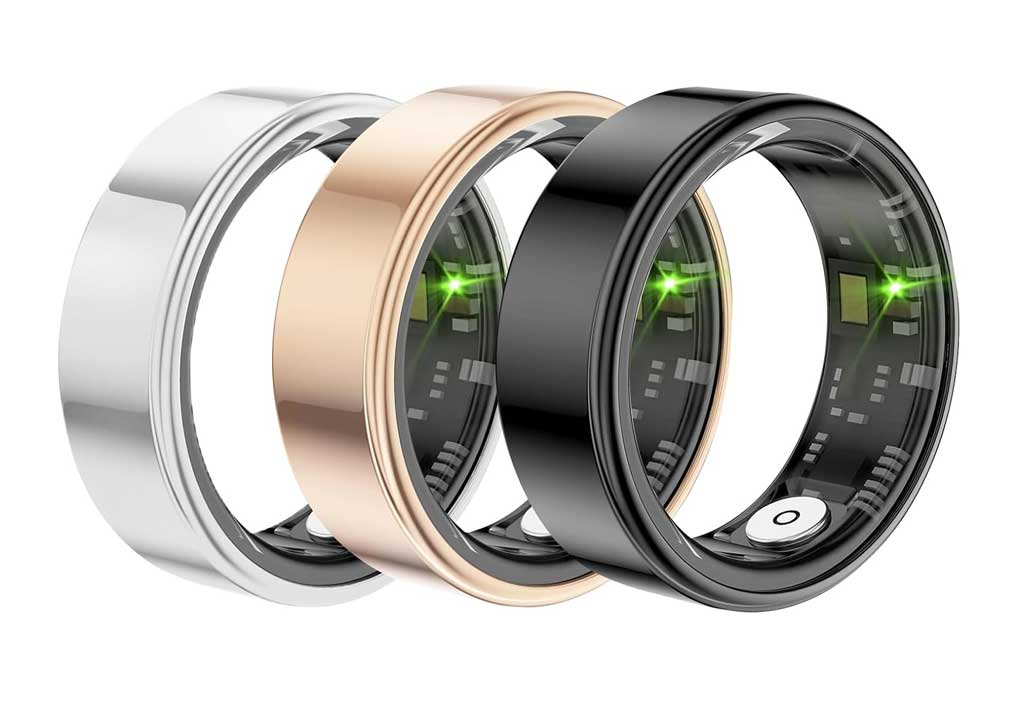
A smart ring is a compact, wearable device worn on a finger that packs sensors and connectivity into a minimal form factor. Unlike bulkier watches or bands, rings are designed to be worn 24/7 with minimal interference in daily activities or sleep. Most smart rings rely on photoplethysmography (PPG), a light-based method that detects blood flow through the skin to measure heart rate. Some models also include accelerometers to sense movement, skin temperature sensors to track subtle body temperature changes, and ambient light sensors to improve data interpretation.
From there, data is streamed to a companion app, where algorithms translate raw signals into meaningful metrics. You might see your resting heart rate, heart rate variability (HRV), sleep stages, skin temperature trends, respiratory rate, and activity levels presented in easy-to-read dashboards. Many rings also offer a readiness or recovery score, which aggregates several signals to suggest how prepared you are for training or daily tasks. The end result is a continuous stream of feedback, delivered without needing to strap on a bulky device or constantly check a smartphone.
Core sensors and the metrics that matter
Smart rings bring together a handful of core sensors that enable a broad picture of daily wellness. Here are the most common components and the metrics they power:
- Photoplethysmography (PPG) sensor: The backbone of heart rate monitoring, extracting the pulse from light reflected through the skin.
- Heart rate (HR): The number of beats per minute, useful for gauging resting state, exertion, and cardiovascular fitness.
- Heart rate variability (HRV): The time gaps between heartbeats, which correlates with autonomic nervous system balance and stress resilience. Higher HRV generally indicates better recovery and adaptability.
- Motion sensor (accelerometer): Detects step counts, movement, and sleep-related movement. It helps differentiate light from deep sleep and tracks daily activity.
- Skin temperature: Subtle shifts can reflect circadian rhythms, illness onset, or physiological stress, integrating with other signals to refine sleep and stress assessments.
- SpO2 (blood oxygen saturation) sensing: Some rings measure small fluctuations in oxygen saturation, which can be informative for sleep-disordered breathing patterns and respiratory health.
- Breathing rate: Derived from HR and movement data, offering a window into respiratory health during sleep and rest.
Together, these sensors create a multi-dimensional signal about how your body is functioning across the day and night. It’s not just about “how many steps” or “how long you slept”—it’s about the quality and adaptability of your physiology across contexts, from a stressful workday to a deep night of rest.
Why smart rings can redefine daily wellness
The appeal of smart rings rests on a combination of discreet design, continuous data collection, and meaningful interpretation. Here’s how they stand apart from other wearables and why they’re reshaping daily wellness tracking.
Discreet wearability. Rings are small, lightweight, and rarely in the way of daily tasks or workouts. For many users, a ring feels like a natural extension of their daily routine, rather than a conspicuous gadget that demands attention. This means higher adherence for 24/7 data capture, which in turn improves the reliability of trends over time.
All-day, uninterrupted data. Because people typically wear rings for extended periods, the data stream is continuous. Sleep, recovery, circadian alignment, and subclinical stress can be tracked with fewer gaps, enabling more accurate baselines and personalized insights.
Battery life that respects your time. Most smart rings offer multi-day to week-long battery life, with charging sessions that are quick and infrequent. This reduces the friction of daily charging rituals and keeps data flowing even during travel or busy periods.
Comfort leads to better behavior change. When the device isn’t a reminder of discomfort or inconvenience, it’s easier to act on insights. A ring that feels comfortable can support sustainable changes—like adjusting bedtime, tweaking workout intensity, or adopting stress-reduction practices—without constant reminder or hassle.
Granular, nuanced data for daily decisions. The combination of HRV, sleep staging, and skin temperature can illuminate patterns you can act on. For example, a day of higher-than-usual resting heart rate and lower HRV after a night of disturbed sleep might signal the need for lighter activity or earlier bedtime, rather than pushing through fatigue.
Interpreting the data: what the metrics say about your day
Understanding the numbers is where smart rings prove their value. It’s not about chasing perfect scores; it’s about recognizing patterns, identifying stressors, and making small but meaningful adjustments. Here are some common metrics and practical interpretations:
HR and HRV provide a window into your autonomic nervous system. A lower resting HR generally indicates good cardiovascular fitness, while HRV offers insight into recovery and stress resilience. A sudden drop in HRV after a high-stress day or a late night could suggest you need more restorative time or sleep. Look for trends over days and weeks rather than single-point readings.
Sleep stages and quality rings often estimate time spent in light, deep, and REM sleep, plus wake periods. Improvements in sleep duration and deeper sleep stages tend to correlate with better next-day performance and mood. If your sleep efficiency dips or REM sleep shortens after late caffeine or screen use, you’ve got actionable signals to adjust routine or environment.
Skin temperature trends can reflect circadian rhythm alignment and physiological responses to stress, illness, or environmental changes. Persistent deviations from your baseline may warrant closer monitoring of sleep quality, hydration, or room temperature.
Respiratory rate and related signals can hint at respiratory health and sleep-disordered breathing patterns. Subtle increases won't diagnose issues, but they can prompt you to discuss concerns with a clinician if readings consistently drift upward during sleep.
Activity and readiness scores combine movement data with heart-rate signals to estimate daily readiness for training. A high readiness score after a restful night and balanced HRV suggests you’re primed for higher intensity workouts, while a low score may indicate that a lighter session or additional recovery is wise.
Taken together, these metrics create a narrative: are you recovering well? Do you need more sleep or better sleep quality? How does your body respond to stress across workdays, travel, or illness? The goal isn’t to chase perfect numbers but to recognize meaningful patterns and to use that insight to optimize daily choices.
Real-world use cases: translating data into daily actions
People use smart rings in a variety of practical, everyday ways. Here are some common scenarios where the ring becomes a helpful companion rather than an abstract gadget.
Sleep optimization. By tracking sleep stages and disturbances, the ring helps you pinpoint factors that disrupt rest (late workouts, caffeine, alcohol, temperature). With that information, you can adjust bedtime routines, create a cooler sleep environment, or experiment with wind-down rituals to improve sleep continuity.
Stress management and resilience. HRV drops can signal stress. Pairing this with breathing exercises or mindfulness routines on days when the ring flags higher stress helps you build resilience over time. Some users set reminders to practice brief breathwork when HRV dips, creating a proactive wellness loop.
Cycle and hormonal health. For many, smart rings provide patterns that align with menstrual cycles, especially when combined with manual tracking. Subtle temperature shifts and sleep changes can inform when to tune training intensity, energy expenditure, or rest needs throughout the month.
Exercise planning and recovery. Readiness scores help optimize when to push hard or recover. If a high-intensity session is planned but readiness is low, you might swap in a lighter cardio day, mobility work, or a social activity that doesn’t tax the body as much.
Hydration and lifestyle tweaks. Temperature and HR data can reveal how dehydration or caffeine intake affects your body’s signals. Users report noticing small effects—like slightly elevated resting HR after a night of poor hydration—and adjusting water intake accordingly.
Rings vs. watches: what’s the difference in daily wellness tracking?
Smart rings offer distinct advantages compared with wrist-worn devices, but they also have trade-offs. Understanding these can help you pick the right tool for your goals.
Advantages of rings include discreet wear, minimized interference with sleep and workouts, and strong battery life. The form factor naturally encourages continuous use, which translates to richer data over time. For many people, a ring stays on during workouts, showers, and sleep without the need to manage a device on the wrist.
Limitations of rings can involve a smaller surface area for sensors, which sometimes affects accuracy in extreme positions or during vigorous activity. Some rings may lag slightly behind wrists devices in certain metrics or require careful ring sizing to maintain steady readings. Not all rings measure the same suite of metrics; some models focus more on sleep and recovery, while others emphasize HRV and readiness scores. Additionally, the aesthetics of a ring may not suit every wardrobe, though many designs are stylish and unobtrusive.
Watches and bands often provide more comprehensive on-device dashboards, richer navigation, and quick access to notifications. They may deliver more robust GPS-based activity tracking and may have a longer history with third-party health platforms. For users who want an all-in-one device with abundant interactive features, a smartwatch can complement—or in some cases replace—a ring for certain use cases.
In practice, many wellness routines benefit from a hybrid approach: wearing a ring for continuous biometric data and a watch for event-driven metrics (like GPS-based runs) and notifications. The key is to align the tool with your goals and to ensure you’re not overwhelmed by conflicting signals or data overload.
Privacy, data ownership, and ethical considerations
As with any health-related technology, smart rings raise questions about privacy, data ownership, and how information is used. Here are some practical considerations to keep in mind as you evaluate a device or service:
Data ownership and portability. Look for platforms that allow you to access, export, and download your raw data. Open formats or clear export processes make it easier to share data with healthcare professionals or to move to a new service without losing your history.
Data sharing with third parties. Some ecosystems share insights with researchers or partners. Review privacy policies to understand what data is shared, who can access it, and for what purposes. Opt for services that minimize sharing by default and require explicit user consent for broader use.
Security and encryption. Ensure that data is encrypted in transit and at rest. Strong authentication, device pairing controls, and transparent breach notices are important features to prioritize.
Anonymization and aggregate insights. Many platforms offer aggregated, de-identified insights for trends and research. While this can advance wellness science, it’s important that individuals can opt out and that the data remains truly anonymized.
Privacy matters most when you treat fitness data as sensitive personal information. If a platform’s policies feel vague or overly permissive, it’s wise to pause and seek alternatives that respect your data rights and preferences.
Getting started: choosing a smart ring and building a sustainable routine
Embarking on a smart ring journey involves a few practical steps: selecting the right device, getting a proper fit, and establishing a routine that makes the most of the data. Here’s a straightforward roadmap to help you begin.
1) Define your goals. Decide what you want to learn or improve. Is it sleep quality, stress management, workout recovery, or cycle tracking? Clarity helps you interpret data meaningfully and avoid information overload.
2) Choose a ring that aligns with your needs. Consider the metrics you care about (HRV, sleep, SpO2, skin temperature, readiness), battery life, ring style, and how it integrates with your preferred smartphone ecosystem. Read reviews focusing on accuracy, comfort, and app usability. If possible, try on rings for sizing accuracy and comfort before committing.
3) Get a proper fit. Ring size matters for accurate readings. If you’re between sizes or your fingers swell with temperature changes, you may prefer a slightly looser fit that still makes consistent contact with the skin. Follow sizing guides carefully and consider re-measuring if you notice readings drifting.
4) Establish a baseline period. Give your ring a couple of weeks to learn your patterns. During this time, focus on consistent sleep schedules, regular wake times, and routine activity. Baselines make it easier to spot meaningful deviations later.
5) Build simple routines around insights. Use insights to inform daily choices: set a consistent wind-down plan for better sleep, schedule easier days after nights with lower HRV, or adjust exercise intensity based on readiness scores. Avoid chasing every daily fluctuation; look for recurring patterns and respond with small, sustainable changes.
6) Prioritize sleep and recovery. Because sleep quality has a cascading effect on mood, energy, and performance, use your ring to protect sleep windows, optimize bedroom conditions, and create predictable routines that support restorative sleep.
7) Maintain privacy hygiene. Review app permissions, disable unnecessary data sharing, and back up or export your data regularly. Regularly audit connected devices and third-party integrations to minimize risk.
Common myths and truths about smart rings
As with any emerging technology, several myths circulate around smart rings. Here are some common misconceptions debunked, along with practical truths to guide your expectations.
Myth: A ring can diagnose health issues. Truth: Smart rings provide trends, patterns, and proxies for well-being, not medical diagnoses. If you notice persistent symptoms or concerning changes, consult a healthcare professional.
Myth: Rings are always accurate. Truth: Accuracy depends on fit, sensor quality, algorithms, and user behavior. They are most useful for tracking trends over time rather than precise single-point measurements.
Myth: You don’t need a baseline; the numbers speak for themselves. Truth: Baselines matter. Personal variation is normal, and comparing yourself to your own historical data yields more meaningful insights than chasing universal targets.
Myth: More metrics equal better outcomes. Truth: More data can be overwhelming. Focus on a small set of metrics that align with your goals and interpret them in the context of your daily life.
Myth: Rings are only for tech enthusiasts. Truth: While the tech behind rings is sophisticated, many users appreciate the simplicity of wearability and the practical value of having actionable signals integrated into daily life.
The future of smart rings in daily wellness
The trajectory of smart rings points to deeper integration with health ecosystems, more nuanced analytics, and broader adoption in everyday life. Here are a few trends on the horizon:
Expanded sensor payloads. Expect additional sensors that can measure skin hydration, accelerometry with higher fidelity, or even more precise temperature mapping. As sensing technology evolves, rings will capture a richer, more granular portrait of daily physiology.
Enhanced algorithms and personalization. Machine learning models will tailor insights to your unique physiology, lifestyle, and environment. Expect smarter notifications that adapt to your routines, with anticipatory guidance based on historical patterns rather than generic recommendations.
Deeper app integrations. Health data from rings will increasingly sync with nutrition apps, sleep tools, mental health platforms, and clinician-facing dashboards. Interoperability will empower more precise coaching, remote monitoring, and collaborative wellness planning with healthcare providers.
Privacy-by-design improvements. As user demand for control grows, devices and platforms will offer stronger data governance, transparent consent flows, and easier data export options, helping people maintain autonomy over their personal information.
Design and personalization. Aesthetics and comfort will continue to mature, offering a broader range of styles to suit different wardrobes and occasions. Comfort, fit stability, and skin-friendly materials will be prioritized to maintain long-term wearability.
Conclusion: embracing a quiet revolution in daily wellness
Smart rings symbolize a quiet revolution in how we track and respond to our own health signals. Their discreet design, multi-sensor capabilities, and powerful but approachable analytics enable a more proactive and personalized approach to wellness. Instead of waiting for a monthly check-in with a doctor or enduring a day of fatigue without understanding why, you can observe continuous patterns in sleep, stress, and activity and make informed adjustments in real time.
As with any technology designed to influence behavior, the value comes from thoughtful use: selecting metrics that matter to you, safeguarding your privacy, and turning insights into simple, sustainable habits. A smart ring isn’t a magic bullet; it’s a companion that helps you listen to your body more closely and respond with intention. If you’re ready to experiment with a gentler, data-informed approach to daily wellness, a smart ring could be a practical, empowering addition to your toolkit—one that lets you move through life with a bit more awareness, balance, and resilience.
In the end, the ring’s value isn’t measured by the number of features it has, but by how accurately and meaningfully it helps you live better day after day. It’s about turning streams of data into actionable wisdom that fits into real life—whether you’re grinding through deadlines, chasing personal bests, or simply aiming to feel more rested and present. That’s the redefinition at the heart of smart rings: not just tracking wellness, but enabling better daily decisions with grace and ease.
LIKED THIS ARTICLE? SHARE IT: