









Breath, Rest, Recover: A Smart Ring Guide to Calmer Sleep

Breath, Rest, Recover: A Smart Ring Guide to Calmer Sleep
Sleep is the great equalizer. It heals, resets, and recalibrates our bodies and minds after each day’s demands. Yet in a world of screens, buzzing notifications, and irregular schedules, calm, restorative sleep can feel elusive. The good news is that you don’t have to guess your way to better rest. A modern smart ring, when understood and used intentionally, can become a quiet coach—measuring what matters, guiding your breath, and nudging your body toward deeper, more resilient sleep. This guide explores how to use a smart ring to Breath, Rest, and Recover for calmer sleep.
What a smart ring can measure and how it helps your sleep
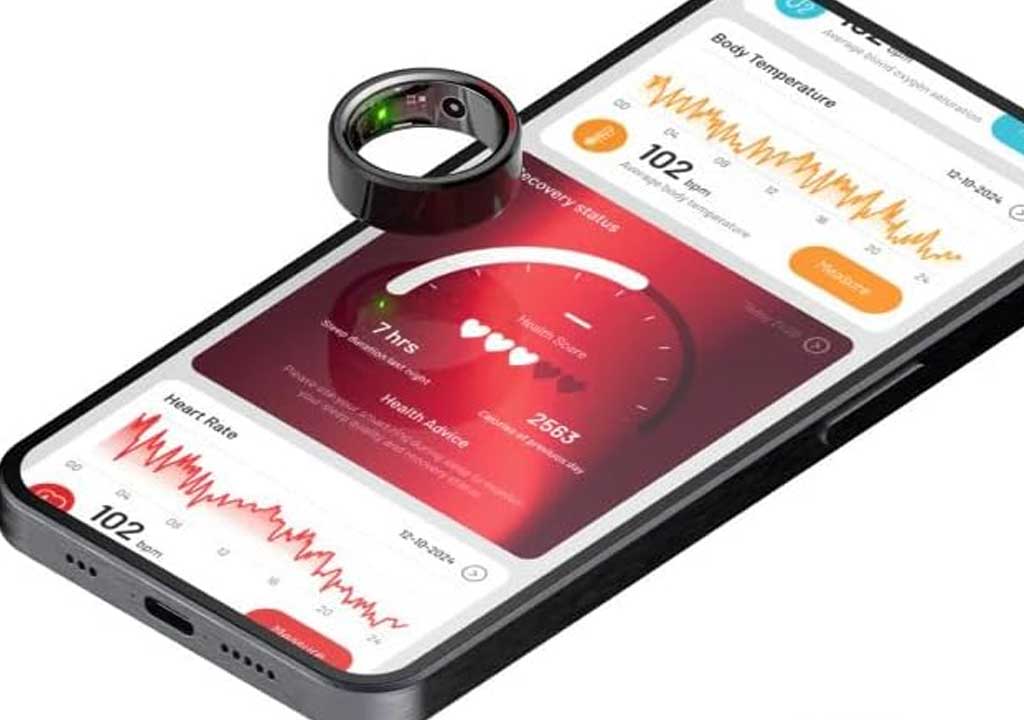
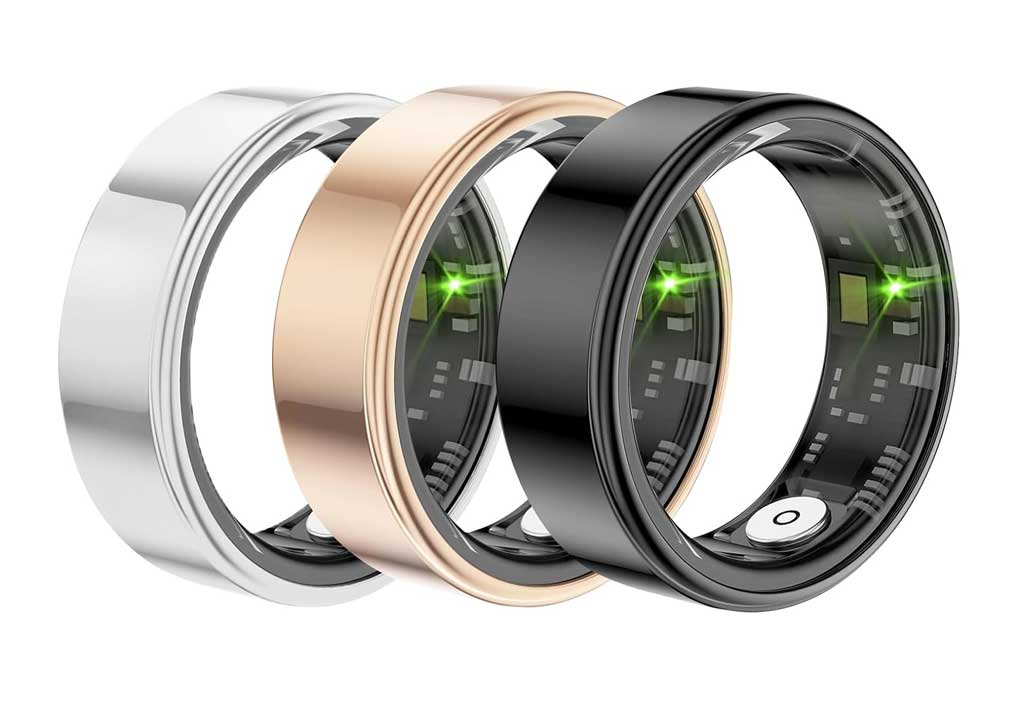
Smart rings are compact sensors that stay on your finger while you sleep, tracking a constellation of signals that reflect your body's nighttime rhythms. The core metrics most commonly captured include heart rate (HR), heart rate variability (HRV), resting heart rate, respiratory rate, skin temperature, blood oxygen saturation (SpO2), and movement. Some rings also estimate sleep stages such as light, deep, and REM sleep. While the precision can vary by device and fit, the trend is simple: when your body is relaxed, when breathing becomes slower and steadier, and when you are free from micro-movements and awakenings, the ring tends to show better sleep efficiency and more favorable recovery scores.
Why should you care about these metrics? Because they map to two central ideas: autonomic balance and recovery readiness. HRV is a proxy for vagal tone—the balance between the sympathetic (fight-or-flight) and parasympathetic (rest-and-digest) systems. Higher HRV typically indicates a more resilient nervous system and a better capacity to recover from stress. Respiratory rate and patterns reveal how smoothly your breathing transitions during the night. Consistently slow, regular breathing aligns with a calmer autonomic state. When a ring detects these favorable patterns, it not only reports them; it can also guide you toward habits that sustain them.
Remember that no single data point defines a good night. Sleep is a dynamic process with multiple inputs: daylight exposure, caffeine use, physical activity, emotional stress, room temperature, and even room acoustics. A smart ring shines when it’s used as a feedback loop—not as a verdict. It helps you notice patterns over time and test small changes to your routine with measurable results.
Breath as a bridge to calmer sleep
Breath is biology’s most accessible router for calming the nervous system. Slow, deliberate breathing can shift the autonomic balance toward parasympathy and reduce the physiological arousal that keeps you awake. A smart ring, with its hourly or nightly breathing rate estimates and HRV data, can validate your breathing practice and show you when your efforts are paying off.
Key ideas to apply at night:
- Exhale longer than inhale: A ratio such as 4:6 or 4:7 can extend the exhale, nudging the nervous system toward rest.
- Practice diaphragmatic (belly) breathing: Let your abdomen rise with the inhale and fall with the exhale to engage the vagal system more completely than shallow chest breathing.
- Establish a rhythm: Aim for roughly 5–7 breaths per minute during calm down periods, which supports HRV and creates a predictable physiological state that’s easier to drift into sleep.
- Make it a cue: Pair the breathing practice with a pre-sleep ritual so your body learns to associate the routine with winding down.
Your ring can help you fine-tune these practices. For example, you might notice that on nights when you perform a 5-minute box-breathing exercise before bed, your nocturnal HRV is higher and your breathing rate during the first sleep cycle is steadier. Conversely, on nights you skip the practice, you might see more nocturnal fluctuations. Let the data guide you, not judge you.
Breathwork protocols you can use with a smart ring
Here are practical, ready-to-try breathing protocols you can pair with your ring’s insights. Each routine takes about 5 to 10 minutes and can be done in a comfortable seated or lying position just before you turn out the lights.
Box breathing (4-4-4-4)
The simplest way to start is box breathing, a pattern that provides a steady rhythmic cadence. Inhale for 4 counts, hold for 4, exhale for 4, hold for 4, and repeat for several minutes. The ring’s data can show you how your HRV responds to the controlled pattern and whether you’re able to sustain a calm breathing pace across minutes.
4-7-8 breathing
This classic technique uses a longer exhale to promote relaxation. Inhale for 4, hold for 7, exhale for 8, and repeat. The longer exhale helps reduce sympathetic arousal, and the rhythm tends to slow your breathing to a comfortable rate for sleep onset.
Diaphragmatic breathing (belly breathing)
Place one hand on your chest and the other on your abdomen. Inhale through the nose so the belly, not the chest, rises. Exhale slowly through pursed lips. If you use the ring, watch the ways HRV expands as your breathing becomes more diaphragmatic. Practice for 5–10 minutes, lowering the overall breathing rate toward 5–6 breaths per minute as you feel more at ease.
Alternate nostril breathing (Nadi Shodhana)
An optional but effective practice that can be used before bed. It’s a balancing breath that can quieten mental chatter and settle the nervous system. Inhale through one nostril, exhale through the opposite, and switch sides for several cycles. If you’re new to this, start with just a few minutes and monitor how your ring’s recovery score responds in the minutes after practice.
Tips for using these protocols with a ring:
- Run the practice in a quiet, dimly lit environment to minimize external stimulation.
- If your mind wanders, gently return to the breath without judgment—consistency matters more than perfection.
- Use the ring’s retrospective insights after each session to adjust duration and intensity for future nights.
Rest and recovery: how a ring helps you know when to press pause
“Rest” is not passive; it is a deliberate state of lowered physiological arousal. The right pre-sleep routine can tip you into that state sooner and keep you there longer. A smart ring supports this by translating subtle bodily cues into actionable feedback.
HRV as a readiness signal. HRV tends to drop when you’re stressed or fatigued and rises when you recover well from exertion. At night, higher HRV during sleep generally aligns with more restorative states, while persistent low HRV can indicate elevated sympathetic activity or poor sleep quality. The ring tracks these patterns night after night, revealing trends that inform your routine choices—like when to extend wind-down time, adjust caffeine timing, or modify room temperature.
Breathing as a mediator of sleep pressure. Slow, regular breathing can help you fall asleep faster and reduce nocturnal awakenings. If you notice your ring’s data showing erratic breathing rate or frequent awakenings, a short breathing session before bed can reset the autonomic tone and help you settle in more smoothly.
How to leverage the data for rest:
- Set a wind-down window that aligns with your circadian rhythm. If your bedtime is 11:00 PM, start winding down at 10:15 PM. The ring’s quiet alerts can remind you to begin your breathing routine at the start of this window, not mid-late when you’re already wide awake.
- Use HRV trends to time your naps and evening workouts. If HRV dips significantly in the late afternoon, consider easier activities and an earlier evening cooldown.
- Prefer consistent sleep schedules. The ring will reward regularity with more stable sleep patterns and improved recovery scores over weeks.
Calmer Sleep in Practice: A Routine You Can Try Tonight
Below is a practical, step-by-step routine you can implement this week. It’s designed to fit around a typical weekday schedule, but you can adjust the timing as needed. The goal is to create a predictable evening cadence that trains your body to transition from wakefulness to restful sleep smoothly, with your smart ring providing ongoing feedback.
Step 1: Set the environment (10–15 minutes).
Dim the lights to resemble sunset. Cool the room to around 18–19°C (64–66°F) if you can—slightly cooler environments often promote deeper sleep. Limit blue-light exposure from screens at least an hour before bed. If your ring supports ambient light data, use it to ensure your room is sufficiently dark.
Step 2: Gentle movement and release (5–7 minutes).
Engage in light stretching or a short, mindful walk around your living space. The aim is to ease muscle tension and quiet racing thoughts without stimulating your body too much. The ring might show a gentle drop in resting heart rate as your body begins to unwind.
Step 3: Breathwork session (5–10 minutes).
Choose one of the breathing protocols above. Start with 5 minutes and gradually extend to 8–10 minutes as your comfort grows. Watch how your HRV responds in real-time if your ring displays that metric; use it as a cue that you are entering a calmer state.
Step 4: Minimize cognitive load (15–20 minutes).
Turn to low-stimulation activities: reading a paperback, journaling a few lines, or practicing a short gratitude sequence. If you’re using an app on your phone, switch to a monochrome display or enable night mode to reduce stimulation. The goal is to quiet the mind so sleep can arrive more readily.
Step 5: Final check-in with your ring (5 minutes).
Before turning off the lights, review the ring’s data from the prior night and tonight’s wind-down. Look at your resting heart rate, HRV, breathing rate, and any notes the app provides about sleep stages. Use these insights to refine your routine: did you drift off more quickly? Was your first cycle calmer? Did HRV trend higher after the breathing session? Small adjustments can accumulate into meaningful improvements over time.
Step 6: Lights out and sleep (aim for consistency).
Once you feel relaxed and ready, close your eyes. If you wake during the night, practice a brief diaphargmatic breathing cycle to re-enter a calm state without fully waking yourself up. The ring’s nocturnal data will reflect your efforts, offering a sense of progress even on nights when sleep isn’t perfect.
Interpreting the data: what the ring tells you and what it doesn’t
Smart rings can provide a wealth of information, but it’s essential to interpret it with context and caution. Here are some practical guidelines to help you read the signals without overreacting to single-night fluctuations.
What the ring can tell you:
- Trends in HRV and resting heart rate across nights, which reflect your autonomic balance and cardiovascular recovery.
- Breathing rate patterns during sleep and during wind-down sessions, which reveal how calm your body becomes before sleep and during the night.
- General sleep architecture indicators, such as time spent in light, deep, and REM sleep, to the extent your device can estimate them.
- Movement and awakenings that disrupt sleep continuity, offering clues about your environment or bedtime routine.
Important caveats:
- Ring measurements are estimates. They are excellent for tracking trends and relative changes but may not be as precise as chest-worn devices or clinical-grade sensors.
- External factors such as alcohol, caffeine, illness, or a poor night’s sleep can skew metrics. Look for multi-night patterns rather than fixating on a single night.
- Privacy and data handling vary by device and vendor. If you’re concerned about who sees your data, review the company’s privacy policy and control options for sharing or exporting data.
With these caveats in mind, you can use the data as a practical compass rather than a verdict. The goal is to establish a feedback loop: deliberate breath work, consistent wind-down rituals, and a setup that invites calm into your nights. The ring’s data becomes the map, not the terrain itself.
Advanced tips: personalization, apps, and privacy
As you grow more comfortable with your ring, you’ll discover how to tailor it to your unique physiology and lifestyle. Here are some advanced ideas to maximize usefulness without turning sleep into a data-drenched chore.
Personalization tips:
- Set individualized sleep windows. If you naturally fall asleep earlier on some nights but still wake mid-evening, a flexible schedule can reduce the fight with your circadian rhythm.
- Color-coded insights. Use the app to assign different colors to various metrics (e.g., blue for sleep duration, green for HRV stability) so you can glance and understand the data quickly.
- Targeted breath reminders. Schedule gentle reminders to practice breathing before bed on nights when the ring detects elevated HR or lower HRV.
App and ecosystem tips:
- Pair the ring with a mindfulness or meditation app if your ring supports it. A short 5–10 minute guided practice can complement breathwork and nutrition strategies for sleep.
- Export and review weekly trends. A simple weekly digest can help you notice slower, meaningful improvements and celebrate small wins.
- Use gentle wake alerts or no alarms for low-sensory mornings if your ring supports quiet wakeups. A soft, natural wake can influence mood and cognitive function later in the day.
Privacy considerations:
- Review data-sharing options in the app settings. Disable analytics sharing if you prefer to keep your sleep data private.
- Understand who has access to your data within your household or workplace and how it could be used. Enable any available on-device processing to reduce cloud exposure where possible.
- Back up data securely and periodically. If you switch devices, ensure you export data safely to preserve longitudinal insights.
Common myths and realities
Sleep technology is powerful, but it’s not magic. Here are some common myths debunked so you can approach your smart ring with clarity:
- Myth: The ring will instantly fix all sleep problems. Reality: Consistency matters. Data-driven tweaks accumulate over weeks, not days.
- Myth: More HRV always means better sleep. Reality: HRV is a signal among many. Acute stress, illness, or travel can temporarily reduce HRV without meaning you’re failing to recover.
- Myth: The ring replaces the need for sleep hygiene. Reality: It complements good routines (dark room, consistent schedule, comfortable bed, and limited stimulant exposure), not replaces them.
- Myth: Breathing exercises are a cure-all. Reality: They’re a powerful tool, but their benefits are most pronounced when used with a consistent wind-down routine and a conducive sleeping environment.
Troubleshooting common challenges
If you’re not seeing the calm, restorative sleep you hoped for, try a few practical adjustments before reaching for a new gadget or medication:
- Slow your cues: If you’re trying to accelerate sleep onset, you may be inadvertently increasing physiological arousal. Slow, predictable routines work better than trying to force sleep quickly.
- Beat the wake-ups: If the ring shows frequent awakenings, look to your environment. Consider earplugs, white noise, a cooler room, or a slightly heavier blanket.
- Dial in caffeine and alcohol: Timing matters. Avoid caffeine after mid-afternoon and limit alcohol, which can fragment sleep even if it helps you fall asleep initially.
- Hydration and electrolytes: Mild dehydration can spike heart rate and disrupt sleep. A small glass of water or a light electrolyte drink can help, but avoid drinking too much right before bed.
- Consistency is key: Even small shifts in bedtime or wake time can impact sleep the next night. Aim for a regular schedule, even on weekends.
Integrating breath, rest, and recovery into daily life
Calm sleep is not an isolated event; it’s the culmination of daytime habits that prepare the body and mind to retire well. The smart ring is a helpful reminder of this link, not a standalone solution. Here are ways to translate your nightly data into daily choices:
- Morning reset: Start with a brief morning breathing practice to set a calm tone for the day. A lower morning heart rate variability isn’t a failure; it’s a data point that can inspire a healthful reset tomorrow.
- Movement mindful: Regular physical activity improves HRV and sleep depth, but avoid intense training close to bedtime. If your ring shows elevated nocturnal heart rate after late workouts, schedule workouts earlier in the day.
- Light exposure: Seek bright light in the morning to reinforce circadian timing. This helps your body know when to wind down in the evening, especially if you’re traveling across time zones.
- Stress management: Use ring insights to tailor stress-reduction practices, such as short mindfulness breaks or journaling, to reduce overall autonomic arousal at night.
A compassionate, science-informed mindset
Progress toward calmer sleep is best grounded in curiosity rather than self-criticism. Your smart ring provides a mirror to your physiology, but it does not prescribe your emotions or happiness. Some nights will be more restorative than others, and that variability is a natural part of human sleep. When you notice a night with lower HRV, instead of blaming yourself, acknowledge what changed—did you have a late-night screen session, an extra cup of coffee, or a stressful conversation? Use that insight to adjust, not to criticize.
Celebrate the wins, too. A string of nights showing stable breathing, higher HRV, and fewer awakenings is a sign that your routine is aligning with your biology. The ring is a coach that helps you stay attentive to the signals your body sends, but the ultimate judge is how rested you feel during the day, your mood, your focus, and your energy for activities you value.
Conclusion: a mindful approach to breathing, rest, and recover
Breath, Rest, and Recover are not three separate practices but a single, evolving approach to calmer sleep. A smart ring can illuminate the terrain, quantifying how breathing shapes your nervous system, how rest supports your brain’s repair processes, and how recovery-ready you are for the next day. By pairing intentional breathwork with a consistent wind-down routine, understanding the ring’s feedback, and honoring your body’s natural rhythms, you create a sustainable path to sleep that is both measurable and humane.
As you begin this journey, start small. Choose one breathing protocol to practice 5–10 minutes before bed, establish a predictable wind-down window, and review your ring’s data in the morning to notice trends. Over weeks, you’ll likely experience shorter sleep onset, fewer awakenings, deeper sleep cycles, and a more resilient sense of well-being. And if you ever feel overwhelmed by the data, pause, breathe, and simply aim for a calmer breath and a calmer night. The ring is there to guide you, but the real calm lives in the steady practice you choose to cultivate every evening.
Note: If you have chronic sleep issues, sleep disorders, or any medical concerns, consult with a healthcare professional. Technology can support healthy sleep, but it does not replace medical advice or treatment when needed.
LIKED THIS ARTICLE? SHARE IT: