









Privacy, Security, and Health Data: What Smart Ring Apps Really Do With Your Data

Privacy, Security, and Health Data: What Smart Ring Apps Really Do With Your Data
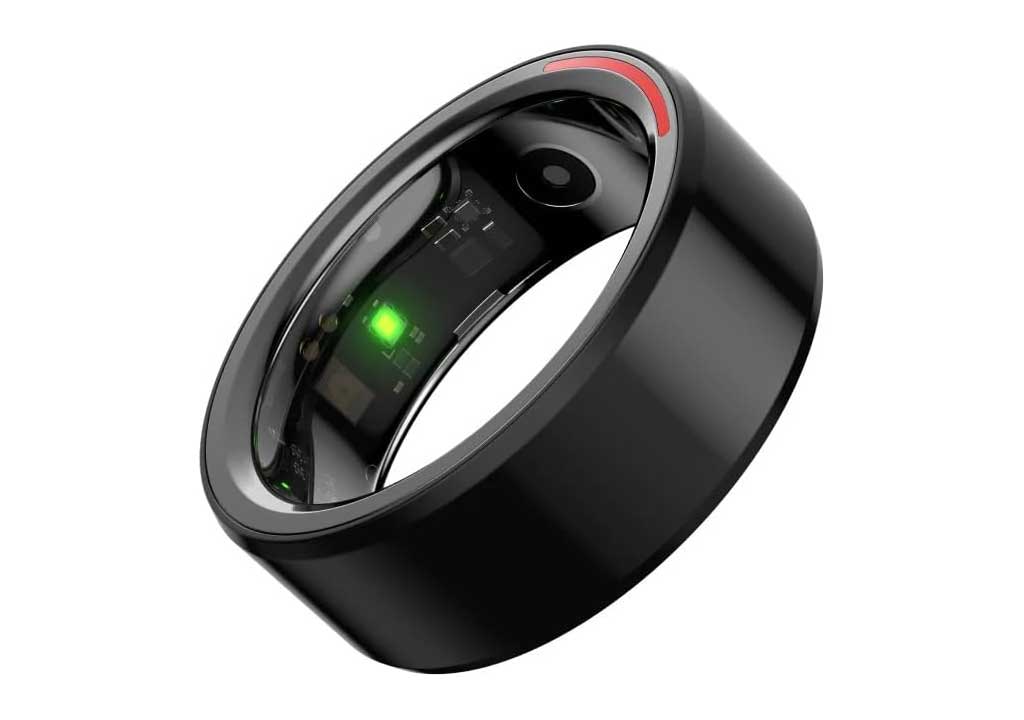
Smart rings promise a future where health insights arrive at a glance—from heart rate and sleep to temperature and activity—all from a discreet device worn on your finger. But behind the sleek hardware and intuitive app interfaces lies a complicated data ecosystem. Every tap, ring pulse, or calibration rhythm can generate personal information that travels from your body to cloud servers, partner apps, and sometimes third?party vendors. In this guide, we’ll explore what smart ring apps actually do with your data, how it is stored and shared, and what you can do to protect your privacy and improve your security without sacrificing the benefits these devices offer.
What data do smart rings collect and why?
Smart rings collect a mix of physiological signals, activity metrics, and device telemetry. The exact data set varies by model and app, but common categories include:
- Heart rate and heart rate variability (HRV), used to infer stress, recovery, and sleep quality.
- Sleep stages, duration, awakenings, and overall sleep efficiency.
- Activity data such as steps, distance, calories burned, and sometimes training load.
- Temperature, skin contact, and sometimes peripheral tissue data, which can help detect fever or circadian fluctuations.
- Movement and gesture data, which support features like ring–to–phone interactions or wake mechanisms.
- Device metadata such as ring battery level, firmware version, and usage patterns.
- Location hints or geospatial context, if the ring or companion apps use location services to refine analytics or enable features like “check-in” at a gym or event.
Why do apps collect this data? For basic functionality, to personalize insights, and to improve algorithms over time. Data enables sleep stage classification, heartbeat trend analysis, and personalized guidance on recovery, workouts, or daily rhythms. It also feeds product development—the company learns which features are used, which aren’t, and where to invest in new capabilities. While the benefits can be substantial, every data point also expands the surface area where privacy and security concerns can arise.
Where does the data go? The data flow explained
Understanding the path data takes helps illuminate privacy and security implications. A typical data flow looks like this:
1) The ring collects data and stores it temporarily on the device.
2) The data is transmitted to a companion smartphone app via Bluetooth. This transmission is usually encrypted in transit using standard protocols like TLS.
3) The smartphone app uploads the data to the vendor’s cloud servers for processing, storage, and analytics. Some calculations may happen on-device, but most advanced analytics occur in the cloud.
4) The cloud infrastructure stores data, often in a multi-tenant environment with backups and redundancy. Data might be aggregated or anonymized for research, product improvement, or marketing purposes, depending on policy and consent.
5) The vendor’s apps and dashboards (and sometimes partner apps) access the data to present insights to you, and to power features such as trend graphs, notifications, and recommendations.
In this ecosystem, your data can traverse multiple jurisdictions and pass through various service providers, including cloud hosting, analytics platforms, and marketing or research partners. Each handoff introduces potential privacy and security considerations, including data minimization, data retention limits, and the risk of re?identification from seemingly innocuous data combinations.
Who has access to your data, and under what conditions?
Access to health data from smart rings is governed by a combination of product design, privacy policies, and applicable laws or regulations. Here’s who usually has access—and what that access means in practice:
- You, the owner: You control the primary access to your own data via the app and device, including the ability to view, export, or delete data. You can often adjust what data is synchronized to the cloud and which features are enabled.
- The device maker and app developers: The company that makes the ring and its companion app typically has access to raw data in order to provide services, fix bugs, and improve algorithms. This access is usually governed by terms of service and privacy policies, which describe data handling practices and retention periods.
- Data processors and service providers: Cloud providers, analytics suites, and other contractors may access data as part of processing, storage, and transmission. They are bound by data processing agreements (DPAs) and confidentiality obligations.
- Third?party partners (with consent): Some vendors share data with third parties for purposes like product research, feature development, marketing, or health studies. The extent of sharing and whether data is de-identified or aggregated varies by policy and user consent.
Important caveats include the possibility of optional data sharing with advertisers, research groups, insurers, or healthcare providers. Even when data is “de-identified” or "anonymized," there is a non-zero risk of re-identification through data linkage, especially when multiple data sources are combined. Vendors sometimes provide aggregated statistics to partners or publish anonymized datasets for research; even in those cases, careful privacy engineering is essential to minimize re?identification risk.
What do apps do with your data?
Smart ring ecosystems typically use data to support four broad purposes: operational functionality, user experience, product improvement, and research or marketing. Here’s how these often play out:
- Operational functionality: Real?time or near?real?time insights (e.g., “you woke up rested” or “your HRV trend suggests recovery needs”) rely on historical data, models, and threshold triggers. Data is used to calibrate sensors, optimize battery life, and ensure reliable notifications.
- Personalization: The app learns your routines and preferences to tailor suggestions, reminders, or goal recommendations. The more data it has, the more nuanced the personalization, but this also increases privacy considerations if the system stores sensitive attributes (e.g., health trends, sleep disturbances).
- Product improvement and research: Aggregated or pseudonymized data helps vendors improve algorithms, test new features, and validate studies. In some cases, data may be used in clinical or consumer health research with user consent or under specific agreements. Even when data is de-identified, the intent is to extract value while attempting to minimize privacy risks.
- Marketing and business development: Some companies share aggregated insights with advertisers or strategic partners, or they may use data to segment audiences for promotions. Opt?out options and clear disclosures are essential here to avoid surprise data sharing.
Security vulnerabilities or misconfigurations can lead to unintended exposure — for example, a poorly protected API could allow unauthorized retrieval of historical analytics, or a backend leak could expose pseudonymous but linkable data. Beyond deliberate sharing, inconsistencies in privacy disclosures across products and regions can create a confusing landscape for consumers who want to understand what data is being used and why.
Security: how smart ring data is protected (and where it can fail)
Security is not a single feature but a lifecycle that includes device design, software engineering, network protections, and operational practices. Here are the main lines of defense and common failure points:
- Encryption in transit and at rest: Data should be encrypted as it travels from the ring to the phone, from the phone to cloud servers, and while stored on servers. Strong, modern encryption standards are essential to minimize the risk of eavesdropping, tampering, or data theft.
- Access controls and authentication: User accounts should implement robust authentication, ideally with multi?factor authentication (MFA), and strong password requirements. Access to data from internal teams and contractors should be restricted on a need?to?know basis.
- Secure firmware and OTA updates: Ring firmware should be signed and validated to prevent tampering. Regular security updates help close known vulnerabilities and reduce attack surfaces.
- API security: Public or partner APIs should enforce strict authentication, rate limiting, input validation, and least privilege access. Insecure APIs are a common vector for data leakage.
- Data minimization and retention controls: Vendors should avoid collecting more data than necessary and should define retention periods. Automatic deletion policies and user?driven data deletion requests are critical safeguards.
- Incident response and disclosure: When breaches occur, a clear incident response plan, timely notifications, and remediation steps are essential to protect users and maintain trust.
- Privacy by design: Security and privacy should be embedded in product development from the outset, not tacked on after features ship. This includes threat modeling, risk assessments, and privacy impact analyses.
Despite best efforts, security is not perfect. Firmware vulnerabilities, misconfigured cloud storage, or misaligned third?party services can leak data or enable malicious access. Users can reduce risk by enabling features like device?level passcodes, two?factor authentication for account access, disabling unnecessary data sharing, and keeping devices updated with the latest firmware and app versions.
Regulatory landscape: what protects your data?
The privacy and security protections for smart ring data vary significantly by jurisdiction and by how the data is categorized. Here are key frameworks and what they typically mean for consumers:
- United States: There is no single comprehensive federal health data law that covers consumer wearables in all contexts. Instead, privacy protections emerge from a mix of sectoral laws (e.g., HIPAA for covered entities and business associates in healthcare contexts) and state privacy laws. Some states have vigorous consumer privacy laws (e.g., California's CCPA/CPRA) that grant rights to access, delete, or opt out of certain data practices. The patchwork can be challenging to navigate, especially when data moves between healthcare, fitness, and advertising domains.
- European Union: The General Data Protection Regulation (GDPR) provides strong protections for personal data, including health data. It emphasizes lawful bases for processing, data minimization, purpose limitation, data subject rights (access, correction, deletion), and requirements for security and breach notification. Data processors and controllers must conduct data protection impact assessments for high-risk processing and ensure cross?border transfers comply with transfer mechanisms.
- Other regions: Canada (PIPEDA and provincial regimes), the UK (data protection regime aligned with GDPR), and various Asia Pacific jurisdictions each offer different privacy protections. Some regions provide more explicit health data protections or stricter consent requirements for data sharing with third parties or advertisers.
Regulatory frameworks influence what vendors can do with data, how long they can retain it, and what rights you have to access, export, or delete your data. They also shape the disclosures you should expect to see in privacy policies and the diligence you should demand from the companies you trust with your health data.
Risks and concerns: what could go wrong?
Privacy and security risks associated with smart ring data are multifaceted. Some of the most salient concerns include:
- Data aggregation and re?identification: Even de?identified or aggregated data can sometimes be linked back to individuals when combined with other data sources, especially if the dataset includes seemingly unique traits like specific sleep patterns or unusual activity profiles.
- Third?party sharing and consent drift: Users may consent to a particular use case when setting up the ring, but data could be shared with additional partners over time or through default opt?outs that aren’t clearly communicated.
- Behavioral profiling and targeted advertising: Health signals can be highly sensitive. If health data or inferences about health are used to target ads, price insurance, or influence employment or lending decisions, the implications extend beyond personal privacy and into discrimination concerns.
- Security lapses: Insecure APIs, exposed backups, weak authentication, or outdated firmware can expose data to unauthorized access or theft, with potentially serious consequences given the health context.
- Data retention and portability: Long retention periods can create ongoing risk. If data storage is indefinite or not easily exportable, users lose control over their own health narrative over time.
There is also a practical risk: the more data you share, the more you rely on the vendor’s privacy practices and the robustness of their security posture. If a vendor experiences a breach or a policy reversal change, your historical data could be exposed or reinterpreted under new terms, sometimes without a clear opt-out option.
Practical steps to protect privacy and strengthen security
If you’re using a smart ring and want to protect your privacy without giving up the benefits, consider the following steps. They balance practicality with a respect for your health insights.
- Start with the privacy policy and data practices: Read the vendor’s privacy policy, data processing addenda, and any privacy notices. Look specifically for what data is collected, how it is used, who it is shared with, whether data is de?identified, retention periods, and your rights (access, deletion, portability).
- Review privacy controls and opt?outs: Find whether you can limit data sharing with third parties, disable marketing analytics, or opt out of certain data uses. If available, use granular controls rather than blanket “share everything” permissions.
- Limit data collection where possible: Turn off non?essential sensors or features (e.g., continuous location tracking, extended data collection beyond what’s necessary for core features). Use on?device processing when feasible, or minimize cloud syncing unless you need it for a feature.
- Protect your account: Use a strong, unique password for your ring account and enable two?factor authentication (preferably with an authenticator app rather than SMS). Regularly review connected devices and sessions and revoke access you no longer recognize.
- Secure the pairing device: Keep your smartphone secure, as it often acts as the bridge between the ring and cloud. Ensure the phone has up?to?date OS security patches, app updates, and a lock screen with an appropriate level of protection.
- Manage data retention: Use options to delete data you no longer need, export data if you want to archive it locally, and understand how long data stays in the cloud. If you anticipate changing services, consider data portability options to avoid losing your health history.
- Validate app permissions: Periodically audit app permissions on your phone. Revoke access to features you don’t use or don’t understand. Remember that some data flows through both the ring app and any linked health ecosystems (e.g., fitness, meditation, temperature tracking).
- Be cautious with sharing and third parties: Be mindful of data sharing agreements with third parties. If a feature relies on a partner API, understand what data leaves your control and how it is used by that partner.
- Stay informed about security updates: Enable automatic firmware and app updates when possible. Patches and bug fixes often close vulnerabilities that could expose your data.
- Consider regional options: If you live in a jurisdiction with strong privacy protections, you may benefit from choosing apps that explicitly support GDPR rights or offer robust data deletion and export options. Some regions require explicit consent for health data processing; prefer vendors with transparent regional practices.
Choosing a smart ring with privacy in mind
When selecting a smart ring, you’re choosing not only a hardware device but a data ecosystem. Here are questions and criteria to help you prioritize privacy and security:
- Where is my data stored? Is it in the cloud, on the device, or both? Is data stored in a region with stringent privacy protections?
- What data is shared with third parties? Are there explicit opt?outs for marketing or research use? Is data shared in a de?identified or aggregated form?
- Can I access, export, and delete my data easily? Is there a straightforward data portability process, and can I delete data or close the account without losing essential features?
- What security measures are in place? Is data encrypted in transit and at rest? Are firmware and app updates automatic? Is MFA supported?
- How transparent is the vendor about data practices? Do they publish a data processing agreement, third?party audit reports, or a privacy impact assessment? Are there independent security assessments or bug?bounty programs?
- How long is data retained? Are there explicit retention periods, and can I specify shorter durations for certain data types?
- How is health data used for product development? Is there a clear boundary between personal insights and research data, and do I have to opt in or opt out explicitly?
Future trends: privacy?preserving technologies on the horizon
The next wave of smart ring privacy and security innovations aims to reduce data exposure without sacrificing usefulness. Some trends to watch include:
- On?device or edge computing: More analytics performed directly on the ring or the user’s phone can reduce the amount of sensitive data sent to the cloud. This approach minimizes exposure and can improve user trust.
- Federated learning and differential privacy: Instead of sending raw data to a central server, models learn locally and only aggregate, privacy?preserving updates are shared. This helps improve global models without exposing individual health histories.
- Stronger data governance and transparency: Vendors increasingly publish privacy impact assessments, security testing results, and clearer user rights. Greater transparency helps users make informed choices.
- Granular consent frameworks: Fine?grained consent options allow users to authorize specific uses of data (e.g., “share only heart rate data for algorithm improvement” but not location data or sleep data). Clear revocation mechanisms matter.
- Safer data sharing ecosystems: As wearables connect with more health services and insurers, the industry is likely to adopt standardized, privacy?friendly data ecosystems with robust privacy assessments and consent flows. The goal is to balance innovation with user control.
Conclusion: empowerment through awareness
Smart ring technology offers exciting possibilities for personalized health insights, goal setting, and behavioral feedback. The implicit trade?off is that with greater visibility into your body comes greater visibility into your data flows. By understanding what data is collected, how it is used, where it goes, and who can access it, you can make informed choices about which ring to use, how to configure it, and what protections to put in place. Privacy and security aren’t obstacles to enjoying the benefits of wearable health tech; they are essential practices that let you keep control of your health narrative while you unlock the insights these devices provide.
As you consider your next steps, remember these practical takeaways: read privacy policies with a critical eye, use privacy controls to limit sharing, enable strong account security, and demand transparency from vendors. If you stay curious and proactive about your data, you can enjoy the benefits of smart ring technology without compromising your personal health information.
LIKED THIS ARTICLE? SHARE IT: