







From Light Sleep to Deep Sleep: Interpreting Ring Data for Recharge

From Light Sleep to Deep Sleep: Interpreting Ring Data for Recharge
Sleep is not a single event but a cyclical journey through stages that work together to restore your body and mind. Modern wearable rings promise to turn that journey into a readable story: how long you slept, how deeply you slept, and how recovered you feel when you wake. But data without context can be confusing. If you’ve ever stared at a sleep dashboard wondering what the numbers actually mean for your energy the next day, you’re not alone. This guide walks you through understanding ring sleep data—especially the transition from light sleep to deep sleep—and translates those numbers into practical steps to recharge more fully.
What a Ring Actually Measures: The Basics
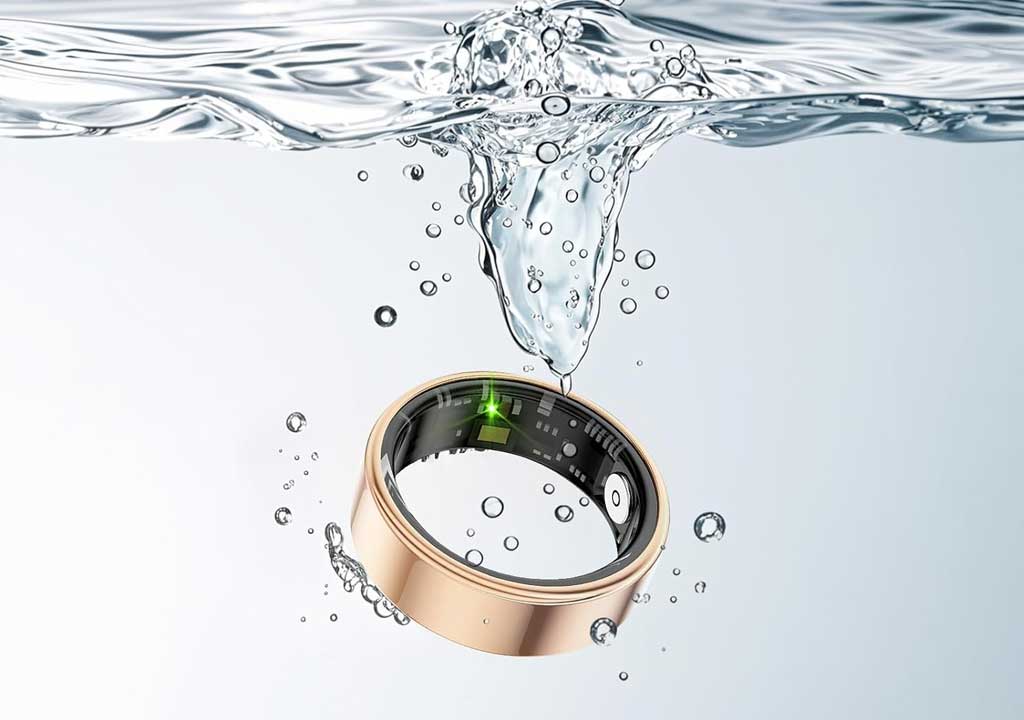
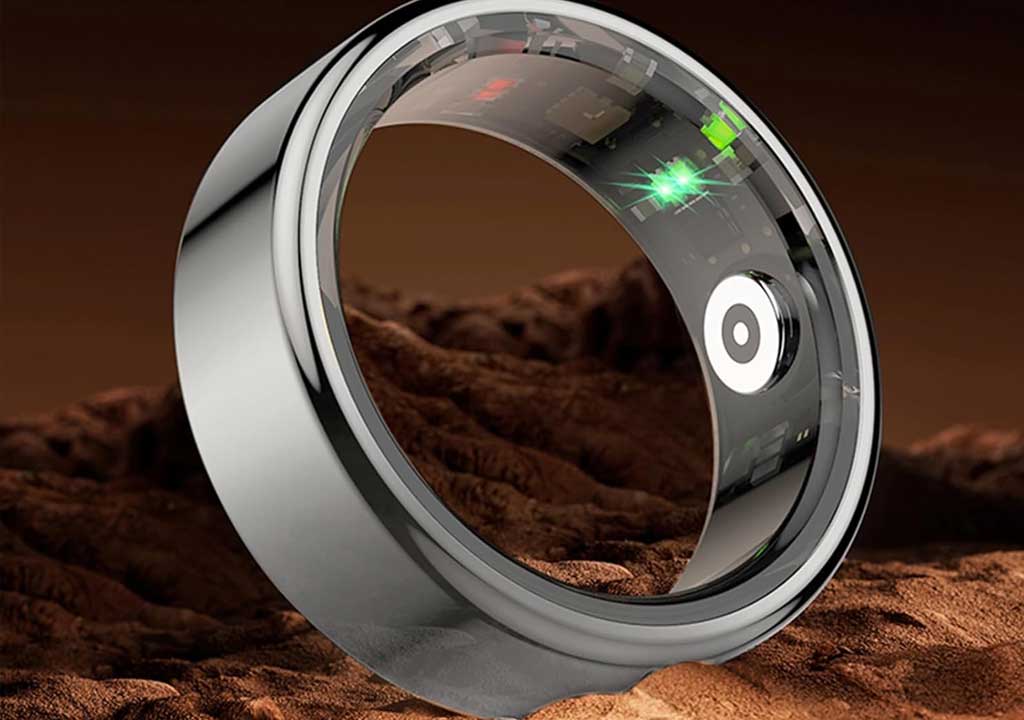
Most sleep-tracking rings rely on a mix of sensors housed in a small, comfortable ring. The core technologies typically include:
- Photoplethysmography (PPG) to track heart rate (HR) and heart rate variability (HRV).
- Actigraphy, using a three-axis accelerometer to detect movement and stillness.
- Skin temperature sensors to capture nocturnal temperature trends that accompany circadian rhythms.
- Occasionally ambient light sensors and, in some models, SpO2 (blood oxygen) data.
From these inputs, the ring runs an algorithm to classify sleep into stages (light sleep, deep sleep, REM sleep) and to produce a score or index that many users interpret as overall recovery or “readiness” for the day ahead. It’s important to remember that this is an estimation, not a medical-grade sleep study. Still, when you compare nights and look at trends, the data can be incredibly informative for daily routines and long-term recharge.
Understanding Sleep Stages: Light Sleep, Deep Sleep, and REM
Sleep occurs in cycles across the night, typically repeating every 90 to 110 minutes. Each cycle contains distinct stages, with different physiological signatures and recovery functions:
- Light Sleep (N1 and N2): This is the transition into sleep and the broader, lighter phases of non-REM sleep. The body cools down slightly, respiration slows, and brain activity becomes slower and more regular. Ring data often shows longer periods of stillness and lower variability in heart rate during light sleep, with occasional brief awakenings or shifts in position.
- Deep Sleep (Slow-Wave Sleep, N3): The restorative cornerstone of the night for many people. Deep sleep supports physical recovery, immune function, tissue repair, and memory consolidation. Physiologically, HR drops, breathing becomes slower and more regular, and HRV tends to increase when the nervous system shifts toward a restful state. Deep sleep is typically the most sensitive to circadian timing and overall sleep pressure.
- REM Sleep: Rapid eye movement sleep is associated with vivid dreaming and cognitive processing, emotional regulation, and memory integration. Brain activity resembles wakefulness, but the body remains largely immobile. REM duration can be influenced by prior sleep debt, alcohol, and certain medications.
When a ring reports “deep sleep”, it’s identifying stretches of time where the sensors’ patterns most closely match slow-wave activity, based on heart rate, HRV, movement, and temperature signals. It’s not a direct EEG readout, but it is a useful proxy that correlates with the restorative processes you experience in the night.
From Data to Recharge: What Deep Sleep Tells You About Recovery
If you’re here to maximize recharge, the big question is how the data on light versus deep sleep translates to how you feel the next day. Here are the core ideas to keep in mind:
- Deep sleep is a primary driver of physical recovery. Growth hormone tends to peak early in the night during deep sleep, aiding muscle repair and immune function. More deep sleep generally signals stronger physical recharge.
- Light sleep and REM sleep support cognitive and emotional rest. While deep sleep is the star for bodily repair, lighter stages and REM contribute to learning, memory consolidation, and mood regulation. A balanced distribution matters for overall wellness.
- HRV as a gauge of recovery. Higher HRV during your sleep window often indicates a more resilient autonomic nervous system and a better recovery status. If your ring shows higher nocturnal HRV on some nights and lower on others, you’re seeing day-to-day shifts in recharge capacity.
- Consistency matters more than perfection. The trend across several nights—whether you’re gradually increasing deep sleep duration or maintaining stable, restorative sleep—offers clearer insights than a single “good night.”
With these ideas in mind, you can interpret ring data not as a verdict on your worth for the day but as a guide to optimizing your routine for better recharge over time.
Interpreting the Data: A Practical Framework
Here’s a practical way to interpret your ring’s sleep data and turn it into action. Think of it as a triad: timing, quantity, and quality. Each pillar will help you understand how light-to-deep sleep transitions influence your recharge—and what you can adjust to improve them.
1) Timing: When you fall asleep and wake up
Sleep timing matters for circadian alignment. Your ring may show you when you’re in various sleep stages and how long you slept, but the timing of your sleep window can shift the proportion of deep sleep you get. Since deep sleep tends to be concentrated in the first half of the night, a later bedtime can compress the deep-sleep window and reduce overall deep sleep duration.
How to use this:
- Aim for a consistent bedtime and wake time, even on weekends. Your body thrives on rhythm, and consistent lighting and meals reinforce that cycle.
- Observe the early-night window. If your ring shows you’re spending more time in light sleep late in the night, try an earlier target bedtime to preserve the potential for deep sleep in the initial cycles.
- Use light exposure strategically. A bright morning light cue can advance your clock if you’re waking too late, while dimming lights in the evening supports melatonin release and smoother sleep onset.
2) Quantity: How much sleep you get and the balance of stages
Two key indicators your ring reports are total sleep time and the distribution of sleep stages. The goal isn’t to chase an exact number of hours blindly but to ensure you’re meeting your personal threshold for sufficient deep sleep across nights. Some people need longer sleep to accumulate enough deep sleep, while others can achieve robust deep sleep with shorter, consistent schedules.
To make the data actionable:
- Track total sleep time and sleep efficiency (the percentage of time in bed spent asleep). If you’re regularly in bed for eight hours but only sleeping six, investigate factors that disrupt sleep or consider an earlier bedtime so you can wind down more effectively.
- Monitor deep-sleep duration. If deep sleep is scarce on several nights, consider whether your evening routine or caffeine/alcohol timing is suppressing it, or whether you’re simply not giving yourself enough time in bed.
- Balance cycles. If you notice long stretches of light sleep with brief dips into deep sleep, you may be triggering arousals or not allowing your body to complete a full relaxation cycle. Small adjustments to wind-down routines can help.
3) Quality: Heart rate, HRV, and temperature as recovery signals
Quality is where the phone meets the pillow: HRV, resting heart rate, and body temperature patterns during the night offer deeper signals about your autonomic balance and readiness for the next day. A night with robust deep sleep and high HRV usually aligns with feeling physically refreshed, while nights with lower HRV or elevated resting HR may coincide with grogginess or a heavier cognitive load the next day.
Use these cues:
- Note nights with lower HRV and shorter deep sleep; they can indicate stress, inflammation, or overtraining. If this becomes routine, reframe your daytime stress management or adjust your training schedule.
- Watch resting heart rate changes. A significantly higher morning resting HR than your baseline can signal fatigue or insufficient sleep, even if total sleep time looks adequate.
- Consider temperature shifts as circadian nudges. A cooler body in the early morning supports wakefulness; unusual fluctuations might reflect environmental changes, illness, or altered sleep behavior.n
Putting the Pieces Together: Interpreting a Typical Night
Let’s walk through a day with two hypothetical nights to illustrate how to translate ring data into practical recharge insights. These aren’t medical diagnoses—just examples of how to read trends and act on them.
Night A: A robust deep-sleep night
What the ring might show:
- Total sleep: 7.5 hours with 1.2–1.5 hours of deep sleep
- Balanced distribution: moderate REM and stable light sleep
- HRV higher than average during deep sleep; resting HR slightly lower in the morning
- Temperature patterns typical for a healthy circadian alignment
How this translates to recharge:
- You likely woke up feeling refreshed, with cognitive clarity and physical energy for the day.
- A successful example of how a consistent schedule and prior day’s recovery supported restorative sleep.
- Use this night as a benchmark to aim for similar patterns on non-weekend days while avoiding over-committing to late-night socializing that could shift your window.
Night B: A lighter sleep with less deep sleep
What the ring might show:
- Total sleep: 6.0 hours with only 0.4 hours of deep sleep
- More awakenings or brief arousals; HRV lower during deep sleep; morning HR elevated
- Temp trends consistent with a disrupted circadian pattern, perhaps due to late bedtime or poor wind-down
How this translates to recharge:
- You may feel groggy, with slow reaction times and a heavier mental load the next day.
- The data points toward a need to stabilize routines: avoid late caffeine, cultivate a consistent wind-down, and adjust exercise timing to avoid overstimulation before bed.
- Investigate potential triggers: alcohol late at night, screen exposure, a noisy environment, or stress that could be altering sleep architecture.
Actionable Strategies to Move from Light to Deep Sleep
Whether your nights are predominantly light or you simply want more robust deep sleep, these strategies can help you tilt the balance toward restorative deep sleep and better recharge. They’re grouped by practical steps you can implement this week, using your ring data as a feedback loop.
1) Optimize your consistency and timing
- Choose a fixed bedtime and wake time that fit your natural rhythm. If you’re not sure where to start, aim for a wake time that allows at least seven to nine hours in bed, then adjust by tracking your sleep efficiency and deep-sleep duration for two weeks.
- Establish a wind-down routine that begins 60 minutes before bed: dim lights, gentle stretching or yoga, and a screen curfew (or use a blue-light filter). Your ring will reflect the impact of this routine in smoother sleep onset and deeper sleep in the first half of the night.
2) Manage caffeine, alcohol, and meals
- Limit caffeine intake after mid-afternoon. Caffeine can delay sleep onset and reduce deep sleep, particularly in sensitive individuals.
- Be mindful of alcohol. It may help you fall asleep faster, but it fragments sleep and reduces deep-sleep duration in the second half of the night.
- Finish heavy meals at least 2–3 hours before bed. A lighter evening meal supports easier sleep initiation and can improve overall sleep quality.
3) Time exercise for optimal recovery
- Regular physical activity supports sleep quality, especially deep sleep, if scheduled earlier in the day. If you exercise late, give yourself at least a few hours before bed to allow the body to wind down.
- A lighter post-exercise cooldown in the evening—such as gentle walking or light stretching—can promote calmness without overstimulation.
4) Create an environment conducive to deep sleep
- Darkness matters. Use blackout curtains or a sleep mask to reduce light exposure that may disrupt melatonin production.
- Maintain a comfortable, stable temperature. A slightly cooler bedroom (around 60–67°F or 15–19°C) is often ideal for deep sleep in many people.
- Reduce noise or use white noise if needed. Quiet environments promote easier sleep onset and fewer awakenings.
5) Use your ring data to tailor your plan
Turn data into a feedback loop:
- Review weekly trends. If deep sleep duration consistently drops on nights when your bedtime is late, commit to an earlier target window for those days.
- Set realistic goals. Rather than fixating on a specific number of hours of deep sleep, set a target for a healthy percentage of sleep spent in deep sleep or a stable HRV pattern across nights.
- Experiment and observe. Small changes—like a wind-down routine, a 20-minute evening walk, or shifting caffeine cutoff by 1–2 hours—can show up as notable improvements in depth of sleep several nights later.
Common Pitfalls in Ring Sleep Data—and How to Avoid Them
While ring data is powerful, it’s not infallible. Here are some common misinterpretations and practical ways to avoid them:
- “My sleep score is bad, therefore I’m not recovered.” Sleep scores are composite metrics built from multiple signals. A lower score on one night may reflect one-off factors (noise, travel, illness) rather than a persistent trend. Focus on patterns over weeks rather than single nights.
- “Deep sleep is all that matters.” Deep sleep is important, but overall sleep duration and quality—for cognitive function and mood—also matter. Pay attention to REM sleep and total sleep time when assessing recharge.
- “The ring is wrong.” Sensor-based estimates can misclassify stages, especially if you move a lot in bed or have irregular breathing. Use trends rather than take every classification as final; consider a clinical sleep assessment if you suspect a disorder (e.g., sleep apnea).
- “Temperature data is decorative.” Temperature shifts can reflect circadian phase shifts, illness, or environmental changes. Use them as additional context rather than standalone diagnoses.
When to Take Ring Data to the Next Level
Most users benefit from using ring data as a long-term diagnostic tool rather than a daily verdict. Consider these scenarios:
- Chronic fatigue or unexplained sleepiness: If you consistently wake up groggy despite adequate time in bed and favorable environmental conditions, discuss with a clinician. The ring may reveal an extended pattern of insufficient deep sleep or elevated nighttime arousals.
- Shift work or irregular schedules: A ring can help you adapt to rotating shifts by identifying how changes in timing affect deep sleep, HRV, and recovery. This can inform shift rotations, naps, and light exposure strategies.
- Recovery from illness or stress: Sleep architectures can shift during illness or chronic stress. Use ring data to monitor how your body returns to baseline and to guide pacing and rest.
Case in Point: A Week of Readiness and Recharge
Consider a week-long snapshot. A person notices that Monday to Friday nights show steady total sleep around 7.5 hours with about 1 hour of deep sleep and moderate HRV. Saturday night, due to a social event, bedtime is delayed, resulting in 6 hours of sleep with only 0.4 hours of deep sleep and a noticeable dip in HRV the next morning. Sunday night returns to the routine, and deep sleep rebounds to 1.15 hours, with HRV climbing again.
What the data suggests:
- The individual’s deep sleep responds to the timing and regularity of the sleep window. Prior nights with consistent schedules show better deep-sleep duration.
- Even small shifts in bedtime predominate in the distribution of deep sleep, signaling the importance of circadian alignment.
- The recovery health markers (HRV and resting HR) reflect a bounce-back effect when the routine is restored, supporting the idea that recharge recovers with consistency.
Actionable steps from this week-long pattern:
- Return to a consistent bedtime on weekends or gradually shift bedtime earlier by 15 minutes each night until the routine stabilizes.
- Plan social events earlier in the evening where possible to avoid the 2–3 hour delay before sleep onset.
- Keep caffeine abstinence for the latter half of the day on days following late nights to ease the return to deep sleep.
Beyond the Data: Cultivating a Recharge-Oriented Mindset
Interpreting ring data is as much about psychology as physiology. Your beliefs about sleep can shape your behavior, and your behavior, in turn, shapes your data. Here are some mindset tips to maximize recharge beyond the numbers:
- Frame sleep as a non-negotiable resource for daily performance, not a luxury.
- Use data as feedback, not judgment. A rough night isn’t a failure; it’s information to guide adjustments.
- Celebrate incremental improvements. Even small, consistent gains in deep sleep or HRV reflect meaningful recovery progress over time.
- Pair data with subjective well-being. Your ring provides objective signals, but your mood, energy, and cognitive clarity are equally important indicators of recharge.
Conclusion: The Recharge Ritual You Can Rely On
From light sleep to deep sleep, the journey through the night is a symphony of physiological processes designed to restore both body and brain. A sleep ring translates that symphony into signals you can read, interpret, and act upon. The aim isn’t to chase perfect numbers, but to understand how your nightly routine supports the deepest, most restorative phases of sleep and how those phases translate into daily energy, mood, and performance.
By monitoring timing, quantity, and quality, you can craft a recharge strategy tailored to your body’s rhythms. Consistent bedtimes, mindful caffeine and alcohol use, exercise timing, and sleep-friendly environments are practical levers you can pull. Your ring data becomes a trusted coach—an external, objective mirror of your nightly recharge—and a guide to making the most of the precious hours you spend asleep.
Final Takeaways
- Deep sleep is a key driver of physical recovery; aim to maximize it within your personal rhythm, not at the expense of total sleep time.
- Consistency beats intensity. A stable sleep schedule often yields better deep sleep and HRV metrics than sporadic, longer nights.
- Use your ring as a feedback tool. Track weekly trends, set realistic goals, and adjust gradually.
- Remember the limits. Ring data is a powerful proxy for sleep stages and recovery but not a substitute for clinical sleep assessment when serious issues are suspected.
With intention, patience, and a little data-driven experimentation, you can transform nights of light sleep into a robust sequence of deep-sleep moments that power your days. Your ring is your companion on that journey—helping you understand how your body travels from light to deep sleep and, most importantly, how to wake up recharged and ready to bring your best to the world.
LIKED THIS ARTICLE? SHARE IT: