







Building Sustainable Wellness Habits with Smart Ring Feedback

Building Sustainable Wellness Habits with Smart Ring Feedback
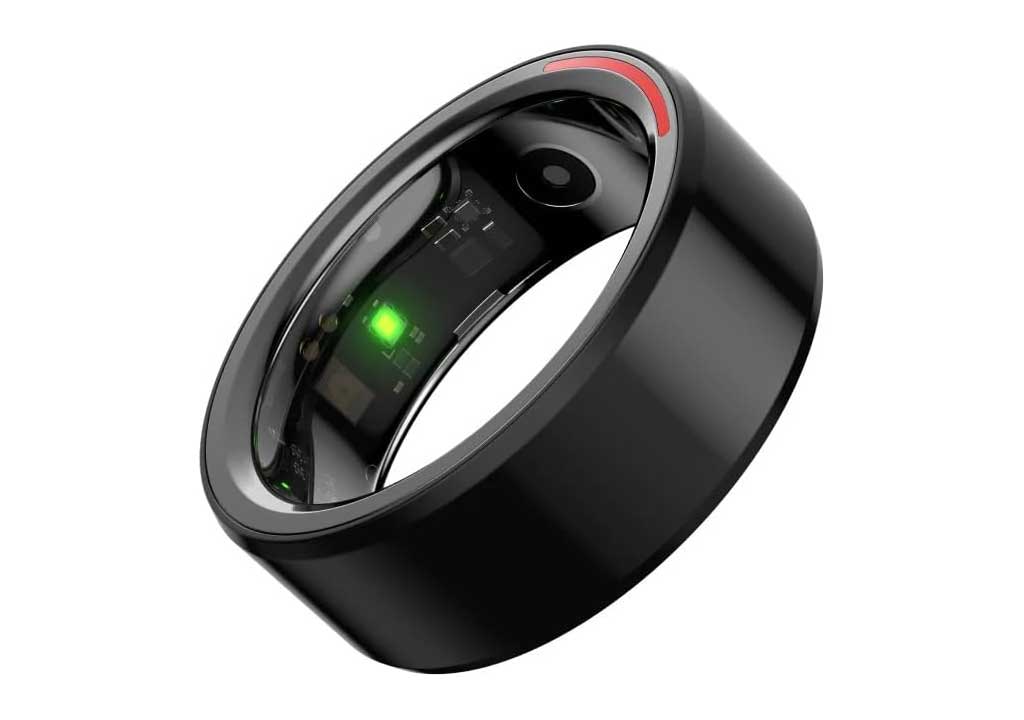
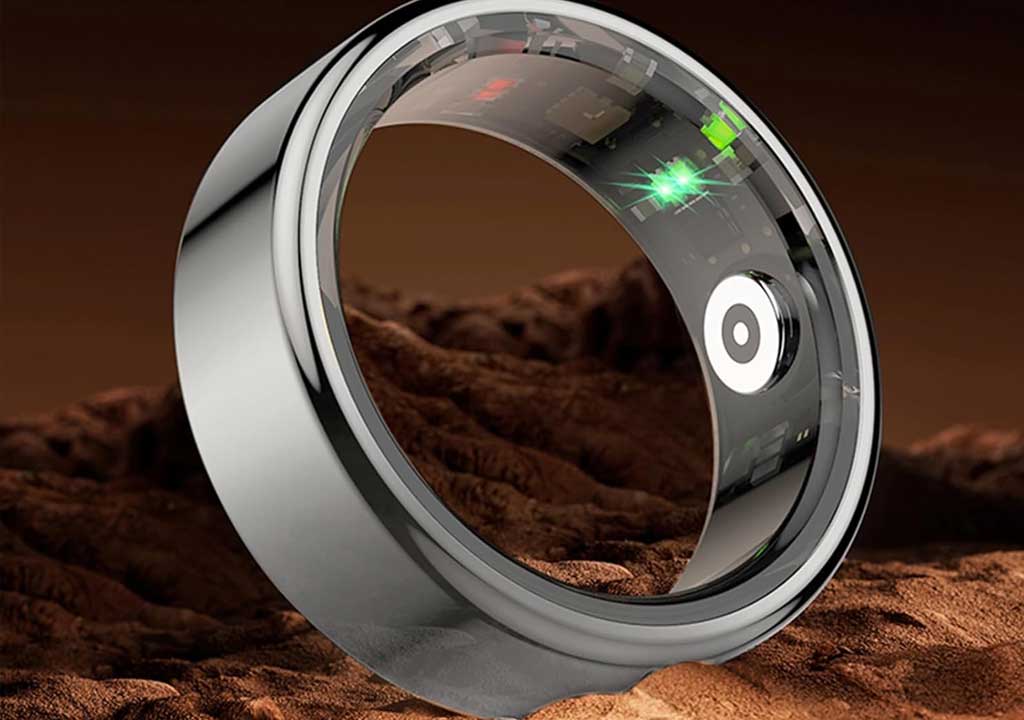
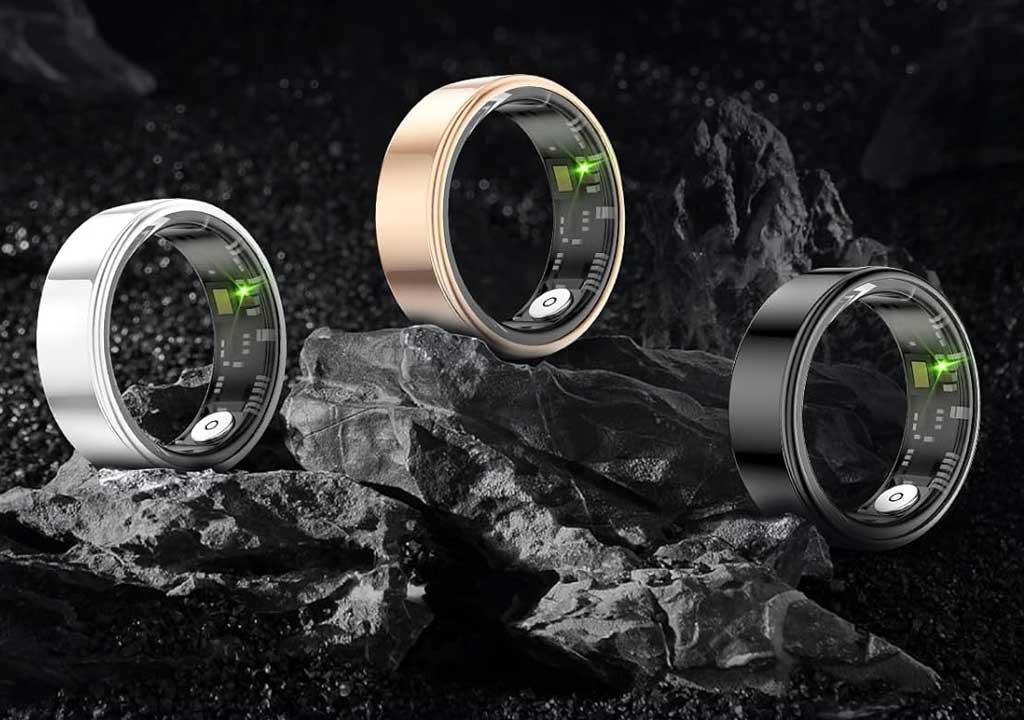
In a world crowded with wellness hacks and quick fixes, sustainable health often feels out of reach. We start with enthusiasm, lose motivation, or become overwhelmed by data that seems to contradict itself. Smart rings—compact wearable devices worn on the finger—offer a different approach. They provide continuous, personalized feedback about sleep, recovery, activity, and stress, helping you translate big wellness goals into small, repeatable actions. The real power of a smart ring isn’t a single data point; it’s the ongoing dialogue between your body and your daily routines. When used thoughtfully, ring feedback can support lasting changes in sleep, movement, stress management, and energy regulation.
In this post, you’ll learn how to turn the insights from a smart ring into sustainable habits, with practical steps, real-world examples, and a mindset you can apply week after week.
Understanding the Language Your Ring Speaks
A smart ring collects a steady stream of physiological signals, then converts them into readable metrics. The exact features vary by device, but several core measurements are common across popular models:
- Resting heart rate (RHR): baseline heartbeat when you’re at rest, often used as a rough proxy for fitness and stress.
- Heart rate variability (HRV): the fluctuation in time between heartbeats, linked to autonomic nervous system balance and recovery capacity. Higher HRV generally reflects better recovery and resilience, though context matters.
- Sleep stages and duration: total sleep time, and proportions of light, deep, and REM sleep, plus sleep onset, awakenings, and sleep efficiency.
- Sleep consistency and circadian alignment: regular bed and wake times, and how consistently your body follows a routine.
- Body temperature and skin temperature deviation: subtle shifts that can accompany illness, hormonal changes, or sleep quality.
- Respiratory rate during sleep and in waking hours: an indicator of stress, fitness, or fatigue.
- Activity data: steps, calories burned, active minutes, and sometimes training load or recovery status.
- Readiness or recovery metrics: a composite score or recommended next-day intensity based on sleep, HRV, and activity history.
All of these signals work best when you interpret them in context: a single data point means little, but a pattern over days and weeks can reveal whether your routine supports sustainable change. Your ring’s value isn’t in the numbers themselves; it’s in how those numbers align with your experiences, goals, and weekly plan. Always treat data as a guide, not a verdict. If a metric looks off for a few days (e.g., a lower HRV after a busy travel week), use it as a prompt to adjust rather than a reason to panic.
Beyond numbers, the ring acts as an accountability partner. It nudges you to maintain consistency (going to bed at roughly the same time, taking periodic movement breaks, or carving out time for restorative breathwork). The key is to translate those signals into simple, repeatable actions you can actually do—every day, even on busy days.
Why Smart Ring Feedback Helps Build Habits That Stick
Habit formation thrives on consistent cues, manageable challenges, and immediate feedback. Smart rings align with these principles in a few concrete ways:
- Low-friction data capture: Because the ring is worn continuously, you gain a longitudinal picture of your patterns without having to log manually. This reduces the friction that often derails habit formation.
- Personalization: Most rings tailor insights based on your history. Feedback becomes more relevant over time, which makes it easier to trust and follow through on recommendations.
- Coherence across life domains: Sleep, stress, and activity aren’t independent. When one area improves, others often follow. For example, better sleep quality can improve HRV and daytime energy, which in turn supports more consistent movement.
- Small, actionable prompts: Instead of broad goals like “exercise more,” you can translate data into tiny steps, such as “stand up and stretch for 2 minutes after each hour of desk work.” The micro-habits add up without feeling burdensome.
- Feedback loops that reinforce progress: Seeing a positive shift in readiness or sleep consistency creates a motivational loop that can sustain momentum. Conversely, noticing a negative trend encourages you to triage factors (hydration, caffeine, late workouts) before a larger consequence materializes.
When you combine data with a mindful approach—clear goals, simple actions, and regular reviews—you turn information into wisdom. The ring becomes less about perfection and more about adaptive habits that respond to how you actually live, day in and day out.
From Data to Doables: Turning Insights into Actions
If you want sustainable changes, you need a method that translates metrics into specific, repeatable actions. Here’s a practical framework you can use with any smart ring:
1) Establish a personal baseline
Spend 1–2 weeks simply observing your metrics without trying to change everything at once. Note your typical bedtimes, sleep duration, wake times, daily activity, and perceived energy in the afternoon. Write down a few observations: “I usually fall asleep around 11 pm, sleep ~7.5 hours, wake at 6:30 am, HRV fluctuates with workload, etc.” The goal is to understand your natural rhythms before introducing new routines.
2) Pick one or two anchor habits
Anchor habits are the non-negotiables you want to build into your daily life. They should be specific, predictable, and measurable. Examples: “Go to bed by 10:30 pm on weeknights,” “move for 20 minutes before 7 pm,” or “do 5 minutes of paced breathing after lunch.” Use your ring data to guide the timing and intensity of these anchors, not just their existence.
3) Create micro-habits that align with signals
Design tiny, doable actions that trigger when your ring’s metrics signal a particular state. For example:
- If sleep quality drops for two nights in a row, initiate a wind-down routine at least 60 minutes before bedtime (dim lights, 5–10 minutes of stretching, and a no-screen rule).
- If your HRV is trending lower than your baseline for two days, insert a 10-minute walk or easy yoga session and a 2-minute breathing practice post-work to restore balance.
4) Build habit stacks
Attach new micro-habits to existing routines. This leverages existing cues to make new behaviors stick. Example: after brushing teeth at night, perform a 3-minute body scan and 2-minute breathing exercise before lights out. The ring’s sleep data then helps you observe whether the new stack improves sleep duration or quality over the next few nights.
5) Establish a weekly review
Set aside 20–30 minutes weekly to review trends: sleep duration, sleep efficiency, HRV, resting heart rate, activity levels, and weekly readiness. Ask yourself: Which habits kept me on track? Which ones slipped? What adjustment can I make next week? This reflection helps you calibrate goals without judging yourself harshly.
6) Phase in adjustments gradually
Avoid sweeping changes. Add or adjust one micro-habit at a time. If a change doesn’t feel sustainable after a week or two, pause and reassess. The goal is persistent progress, not perfection.
7) Leverage feedback to tailor intensity
Use the ring to guide exercise intensity, rest days, and recovery strategies. A high readiness score might invite a stronger workout or longer cardio session; a low readiness score suggests lighter activity and more restorative practices. The key is not overtraining or under-recovering simply because you’re chasing a number. Listen to your body in conjunction with the ring’s readouts.
Designing a Ring-Informed 4-Week Plan
Here’s a practical, starter-friendly plan you can adapt to your life. The aim is to build sustainable habits by using ring feedback to guide decisions without overwhelming you with data.
- Sleep: Set a consistent bedtime by 10:30 pm on weekdays, with a wind-down routine starting at 9:45 pm. Track sleep duration and sleep onset latency (time to fall asleep).
- Movement: Commit to 20–30 minutes of light-to-moderate activity most days (brisk walk, cycling, or a home workout). Use the ring to confirm you hit your daily active minutes target.
- Mindfulness: Introduce a 2–5 minute breathing practice after lunch or before bed, especially on days when HRV dips. Record perceived stress levels and any correlation with HRV shifts.
- If HRV has trended down for two consecutive days, add a short recovery block: 15–20 minutes of easy movement and 5 minutes of diaphragmatic breathing post-work.
- If sleep efficiency drops under a threshold, adjust bedtime and pre-sleep routine earlier, and remove caffeine after noon. Reassess after the weekend.
- Build a morning rinse-and-read ritual: 5 minutes of mobility or stretching after waking, followed by 2–3 minutes of gratitude journaling or intention setting. Use ring data to verify morning activity levels and energy mid-day.
- Introduce a hydration cue: keep a glass of water by your bedside and log water intake in days when hydration is lower (and see its effect on HRV and sleep).
- Increase sleep routine checks to ensure a stable circadian pattern, especially on weekends.
- Review the week’s data; identify the micro-habits that produced the biggest improvements in sleep, energy, and mood. Focus on reinforcing those habits and dropping anything that didn’t deliver value.
- If readiness scores are consistently high for a few days, trial a more vigorous workout while still prioritizing recovery days. If readiness dips, dial back intensity and emphasize restorative activities like extended breathing and light walking.
Throughout these four weeks, use the ring as your primary feedback tool. The goal is not to chase every metric but to observe how specific, small changes influence your wellness over time and to adjust accordingly. By framing your plan around sensory data—sleep quality, HRV, resting heart rate, and activity—you create a trackable, repeatable system that supports long-term adherence rather than short-lived bursts of effort.
Practical Techniques: Translating Ring Feedback into Daily Routine
Below are concrete techniques you can implement right away. They’re designed to be simple, scalable, and resilient to life’s interruptions.
Technique A: The 80/20 Sleep Rule
Aim for a consistent bedtime within a 30-minute window (e.g., 10:30 pm ± 15 minutes) and prioritize at least 7.5 hours of sleep on most nights. If sleep duration falls below 7 hours for two consecutive nights, shorten evening activities and begin wind-down earlier. Track how sleep duration and sleep efficiency respond over the next few days to determine if you need to adjust your routine further.
Technique B: The 2-Minute Reset
Whenever the ring signals elevated fatigue or lower HRV, pause work and perform a 2-minute reset: deep diaphragmatic breathing (6 breaths per minute), gentle neck and shoulder stretches, and a 60-second posture reset. This brief intervention can prevent fatigue spirals and improve afternoon energy.
Technique C: Movement with Purpose
On days with lower activity, schedule two short movement windows: 10 minutes after meals and 10 minutes before dinner. Even light movement—quick walks, mobility drills, or stairs—can boost sleep quality and HRV the following night, especially when combined with good sleep hygiene and hydration.
Technique D: Hydration as a Habit Multiplier
Set a hydration goal anchored to time of day (e.g., a glass of water with every meal and a final glass before bed). The ring can help you notice whether hydration correlates with HRV and perceived energy, reinforcing the habit when you see positive data trends over a week or two.
Technique E: Sleep-Friendly Environment
Use ring insights to guide environmental adjustments: cooler room temperature, reduced lighting, quieter environment, and limiting late caffeine. When sleep metrics improve after these changes, you’ll have a concrete reason to keep them in your routine.
Psychology of Feedback: How to Use Ring Data Without Obsessing
Data-driven wellness can be addictive. The most sustainable approach balances curiosity with compassion for yourself. Here are mental frameworks to keep you grounded:
- Goal orientation over perfection: Focus on progress toward meaningful outcomes (better sleep, steadier energy) rather than chasing perfect metrics.
- Process over outcomes: Build you routines around what you can control (bedtime, movement, breathwork) rather than what you can’t (external stressors, weather).
- Short feedback loops: Favor daily or weekly check-ins that provide quick learnings, not months-long analyses that overwhelm you.
- Narrative-based interpretation: Create a simple story from the data. Example: “HRV is higher on days I walk and wind down earlier; this means I benefit from a predictable pre-sleep routine.” This turns numbers into actionable beliefs that guide behavior.
Remember that your ring is a powerful teacher when used with empathy toward yourself. If a week goes off track, don’t punish yourself. Revisit your baseline, re-choose your anchor habit, and gently resume your plan. Consistency is built in small, repeatable actions, not massive, heroic efforts.
Privacy, Data Ownership, and Ethical Use
As you lean into data-driven wellness, consider privacy and data ownership. Smart rings collect sensitive information about sleep, physiology, and daily behaviors. Here are practical tips to protect your data and keep your use of the ring ethical and comfortable:
- Review privacy settings: Understand what data is stored locally on the device, what is uploaded to the cloud, and what is shared with third-party apps.
- Limit data sharing: If you don’t need every data point, disable unnecessary synchronization or analytics sharing with other apps.
- Use strong authentication: Protect your accounts with strong passwords and two-factor authentication where available.
- Understand data retention: Check how long your provider retains data and how you can export or delete it.
- Consider data minimization: Collect only the metrics you actually use to make decisions. If you don’t refer to a metric, consider turning it off or ignoring it in your routine.
Ethics also means using data to support you, not to shame you. If a metric reveals a rough week, treat it as information, not a verdict. The ring should empower, not define, your sense of self-worth or capability.
Integrations and Convenience: Getting More from Your Ring
You don’t have to live inside a single app to benefit from smart ring feedback. Integrations with health platforms and automation tools can help you consolidate information and automate routine actions:
- Health ecosystems: Sync with Apple Health, Google Fit, or other wellness platforms to cross-reference sleep, activity, and heart-rate data with daily routines.
- Calendar triggers: Schedule gentle reminders for wind-down time or movement breaks based on your ring-derived cues.
- Automation and routines: Use automation services to start a soothing playlist, dim lights, or prepare a hydration reminder when your sleep onset window begins.
- Journaling and reflection: Push a weekly summary to a notes app or journaling tool to anchor your insights and track progress over time.
Start small with one integration you actually use. The goal isn’t to automate your life into a new source of stress, but to reduce decision fatigue by letting data-driven cues cue your routine.
Common Pitfalls and How to Avoid Them
Even with a solid plan, several pitfalls can derail progress. Here are common ones and practical countermeasures:
- Data overwhelm: Too many metrics can be paralyzing. Focus on 2–3 core metrics (sleep quality, HRV, readiness) and check in weekly on what’s working.
- Short-term spikes in activity: A fiery start can lead to burnout. Use ring data to calibrate rest days and avoid pushing through signs of fatigue.
- Travel and schedule disruption: Travel disrupts circadian rhythm. Prioritize light exposure control, consistent meal times, and a short wind-down routine to preserve sleep quality when out of your routine.
- Over-reliance on the ring: Human behavior needs intrinsic motivation. Use ring feedback as a guide, not a substitute for your inner commitment to self-care.
Real-World Scenarios: How People Use Ring Feedback
Here are a few illustrative stories to show how different routines can be supported by smart ring feedback. These are common patterns you may recognize in your own life, and they demonstrate how to translate data into practical action.
- The Busy Professional: A typical weekday includes long meetings, commuting, and late nights. The ring reveals days with reduced HRV and suboptimal sleep. The person creates a simple plan: a 7–10 minute wind-down routine before bed, a 20-minute walk during lunch breaks, and a hard stop to screens 60 minutes before sleep. By week two, HRV and sleep measures improve, and energy levels stabilize, making it easier to sustain the changes.
- The Weekend Warrior: Weekends often disrupt sleep and activity patterns. The person uses ring data to preserve consistency: a 9:30 pm bedtime even on weekends, and a 25–30 minute post-breakfast walk to maintain activity without overdoing it. The routine yields steadier frames of energy and better sleep consistency, which translates into a more reliable weekday performance.
- The Travel Enthusiast: Changing time zones challenges circadian alignment. The traveler uses the ring to track jet lag patterns via sleep timing and HRV, adjusting light exposure and caffeine strategically. They adopt a flexible bedtime window and implement short, movement-based recovery sessions during travel days to keep readiness stable.
- The Sleep-Seeker: Poor sleep triggers a cascade of fatigue and irritability. Based on ring feedback, the person implements a strict pre-sleep routine, reduces caffeine after noon, and optimizes room temperature. After a few weeks, sleep duration and sleep efficiency improve, and daytime energy follows suit.
Putting It All Together: A Mindful, Data-Informed Lifestyle
Smart rings don’t replace self-awareness; they amplify it. They give you a continuous, personalized lens into your wellness—one that you can use to shape sustainable habits. The key is to keep your approach human: set meaningful goals, design tiny, doable actions, and review your progress with curiosity rather than judgment. Use the ring to inform your decisions about sleep, movement, breathwork, hydration, and routine so that each day builds toward a healthier rhythm rather than a single heroic effort.
Over time, you’ll notice that some habits become almost automatic. You’ll start to recognize the signals your body sends—the quiet cues that tell you when to rest, when to move, and when to recalibrate. The result isn’t just better metrics; it’s a healthier relationship with your body and a sustainable path to well-being.
If you’re ready to embark on this journey, start with one anchor habit that resonates with your current life. Pair it with a tiny, verifiable action you can perform every day for the next two weeks. Use your ring’s feedback to confirm whether your change supports the outcome you care about (better sleep, more consistent energy, lower stress). Then loop back through the framework: baseline, one habit, micro-actions, rhythm, review. Small, consistent steps—and a data-informed plan—can compound into lasting wellness.
Remember: sustainable wellness is less about chasing perfect numbers and more about building a resilient daily routine that adapts to your life. With thoughtful use of smart ring feedback, you can create a practical system—one that respects your time, your goals, and your well-being—so that healthy choices become natural, not optional.
In your own words, set your intention now. What is the one habit you want to anchor this month, and how will you translate your ring’s signals into a micro-action that you can perform every day? Start there, and let the data guide you toward a healthier, more balanced life.
LIKED THIS ARTICLE? SHARE IT: