







Elevate Productivity with Smart Ring Focus Tools

Elevate Productivity with Smart Ring Focus Tools
In a world where notifications arrive at the speed of thought and multitasking has become a default mode, staying focused can feel like a superpower you need to cultivate every day. Smart ring focus tools are emerging as a wearable class dedicated to building, sustaining, and measuring focus in practical, wearable form. These tiny, finger-worn devices combine haptic feedback, intelligent notification controls, and calendar-aware routines to help you work more efficiently without sacrificing your sanity. This post dives into how smart rings can elevate productivity, what to look for when choosing one, and how to integrate it into your daily workflow for lasting results.
What exactly are smart ring focus tools?
Smart rings are compact wearable devices worn on the finger that offer some of the core capabilities you’d expect from a smartwatch but in a more discreet, accessible form factor. A focus-oriented smart ring extends this by prioritizing features that help you maintain attention on the task at hand. Typical focus-oriented capabilities include:
• Do Not Disturb and notification management that distinguish between urgent and non-urgent alerts.
• Customizable focus modes or profiles (e.g., Deep Work, Meetings, Creative Session, Learning Time) that adjust vibration patterns, LED indicators, and app notifications.
• Timers and reminders that align with established productivity methods (Pomodoro, timeboxing, etc.).
• Haptic feedback for task cues (start, pause, resume) so you don’t have to look at your screen to stay on track.
• Calendar and task manager integration to auto-activate focus modes when you have a meeting or a high-priority deadline.
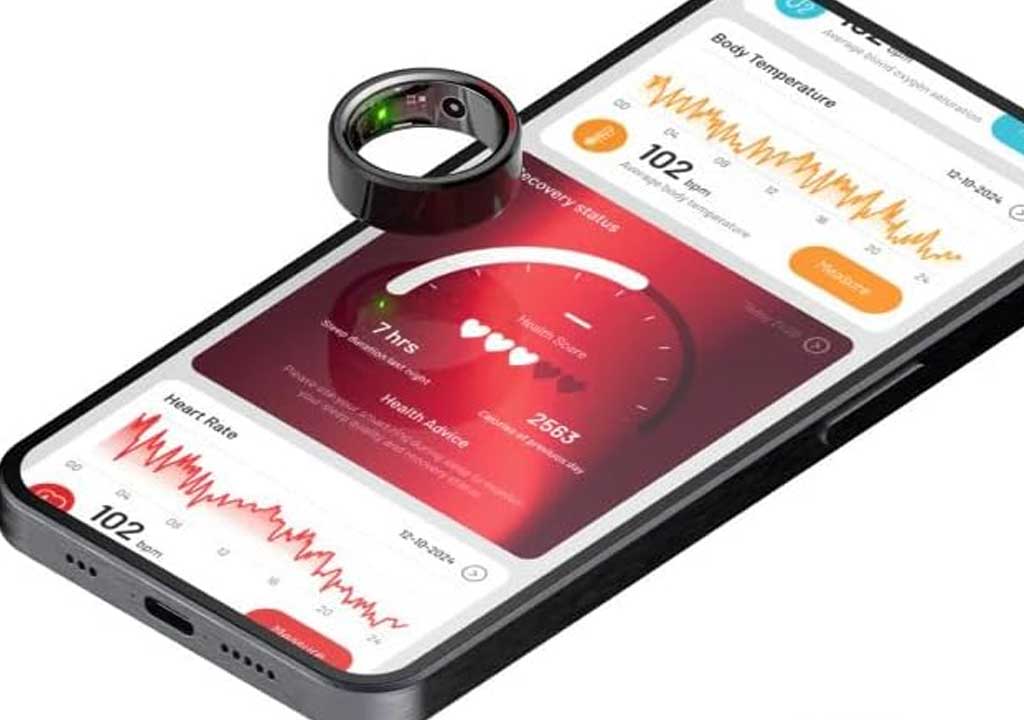
• Activity analytics that provide insights into your focus duration, interruptions, and trends over time.
Beyond these core features, many rings offer health-oriented telemetry such as sleep data and daily activity, which can indirectly support focus by ensuring you’re well-rested and balanced. The best smart ring focus tools don’t force you into a rigid routine; they adapt to your work style and offer gentle nudges to help you stay in the zone when you want to be productive.
Why focus tools matter in the age of constant distraction
Distractions aren’t just a nuisance; they erode the quality of deep work. Constant interrupts fragment attention and create cognitive overhead as you attempt to reorient yourself after each disruption. The science behind focus suggests that deep work—sustained, uninterrupted concentration—produces higher-quality output and faster progress on complex tasks. Yet in modern work cultures, interruptions are plentiful: email pings, chat messages, calendar reminders, and social feeds.
Smart ring focus tools address distraction at the source and at the margins. They help you control what reaches you, when it reaches you, and how you respond. The practical value isn’t merely about blocking interruptions; it’s about shaping a productive rhythm for your day. When you pair a ring’s tactile cues with a thoughtfully designed focus routine, you create a feedback loop that reinforces intentional work cycles and reduces cognitive fatigue.
How to use a smart ring to prime your focus
Effective use hinges on aligning hardware capabilities with a workflow that respects your attention. Here are practical patterns to put a smart ring to work:
• Start-of-day setup: review your top 3 priorities, schedule a Deep Work block, and enable a focus mode that suppresses non-essential notifications for the next 90–120 minutes.
• In-session prompts: let the ring’s haptic cues signal when it’s time to start, pause, or take a short break, without you needing to glance at a screen.
• End-of-session wrap: immediately log what you accomplished during a focus block and create a quick note for the next steps if needed.
• Break strategy: use micro-breaks to reset attention; the ring nudges you to stand, stretch, or reset your posture before resuming work.
• Sleep and recovery linkage: ensure your evening routine uses a separate focus discipline (wind-down mode) to disinvest from work talk before bedtime.
When you combine these patterns with a consistent daily routine, you begin to notice not only better output but also a healthier relationship with work. The ring isn’t a magic wand; it’s a tool that reinforces structure, reduces friction, and makes deliberate focus more automatic over time.
Key features to look for in a focus-focused smart ring
If you’re shopping for a ring specifically to boost focus, consider these essential capabilities and how they map to your work realities:
• Granular notification controls: The ring should offer easy, reliable ways to mute non-essential apps while letting urgent messages through, ideally with per-app or per-contact exception lists. The goal is to reduce what competes for your attention without isolating you completely from critical communications.
• Focus modes and automation: Look for multiple focus profiles with smart automation that triggers based on time of day, calendar events, or location. Ability to tailor duration, break lengths, and post-work routines matters a lot for sustained usage.
• Timers and task cues: Built-in timers (Pomodoro, ultradian sprints, or custom durations) and cues that guide you through work cycles help maintain rhythm when screens are off or minimized.
• Haptic feedback and subtle indicators: A gentle vibration for “start,” a stronger cue for “pause,” and optional LED cues let you stay oriented without breaking concentration to check a device or app.
• Calendar and task integration: Synchronization with your calendar and task managers enables auto-activation of focus blocks and smart nudges based on upcoming meetings, deadlines, or task due dates.
• Data and insights: A good ring should surface actionable analytics—focus duration, interruption frequency, most productive hours, and trend lines—to help you optimize your routine over time.
• Battery life and comfort: You’ll want a device that lasts through a busy workday and feels comfortable enough to wear all day. A longer battery life reduces the friction of recharging and increases consistency of data and cues.
• Privacy and security: Since rings aggregate personal data, ensure robust privacy controls, clear data usage policies, and straightforward opt-out options for data sharing with apps or services.
• Compatibility and ecosystem: Ensure the ring works smoothly with your core productivity stack (your phone OS, calendar, task apps, and any automation platforms you use). Seamless pairing reduces friction and increases adoption.
• Customization: The ability to tailor haptic patterns, notification rules, and focus mode triggers to match your work style is often what makes a tool genuinely useful rather than just novel.
By prioritizing these features, you’ll end up with a device that not only signals you to get into a focused state but also learns from your patterns to optimize when and how you work each day.
Practical use cases: turning theory into measurable productivity gains
Here are several real-world scenarios that illustrate how a smart ring with focus tools can transform daily work life. These examples assume you’ve configured focus modes, notifications, and automation to fit your job and preferences.
1) Deep Work blocks for writers, programmers, and researchers:
A 90-minute Deep Work block is scheduled in your calendar with notifications silenced for non-urgent apps. The ring vibrates softly at the start, signaling you to dive in. During the block, only essential communications come through (e.g., one trusted collaborator). When the block ends, the ring nudges you to take a brief break and log what you accomplished, so you move into the next task with clarity.
2) Meeting hygiene and distraction reduction:
Before back-to-back meetings, you enable a Meeting Focus mode. The ring handles the transition by muting non-essential notifications and providing a quick check-in cue to note the meeting’s outcomes. After a conference, you leave a short recap in your notes and set the next block focused on implementation work rather than planning.
3) Creative sessions with rhythm:
Artists, designers, and strategists often benefit from rhythm as much as silence. A Creative Focus profile allows longer intervals between interruptions, with cues to transition through ideation, sketching, and iteration phases. The ring’s gentle prompts help you stay in a flow state while signaling evaluation points to keep progress sustainable.
4) Learning sprints and skill-building:
When you’re absorbing new material, your ring encourages short, focused bursts followed by deliberate practice breaks. By tying these blocks to a course schedule or a learning plan, you maximize retention and minimize cognitive overload from continuous study.
5) End-of-day wind-down and reflection:
A dedicated wind-down focus mode reduces notifications, nudges you to review the day’s work, update your task list, and prepare for a restful night. This ritual can improve sleep quality, which in turn supports daytime focus.
6) Team collaboration with smart delegation:
For teams using shared calendars or project boards, focus tools can prompt you when a task is due and suggest the best time to review or hand off work. The ring’s subtle cues prevent you from over-committing and help you manage expectations with teammates.
Implementation guide: setting up a smart ring for maximum focus
Getting the most from a focus-focused smart ring requires thoughtful setup and ongoing maintenance. Here’s a structured approach to implementing the tool in a way that sticks.
1) Define your focus philosophy: Before you turn on any mode, articulate what “focus” means for you. Is it uninterrupted code work, creative exploration, or deep reading? Establish a few core principles—minimum viable interruption threshold, preferred break length, and the cadence of your workday. This foundation will guide your configuration choices.
2) Map your daily workflow: Create a simple map of your typical day—when you have meetings, when you work on deep tasks, when you take breaks, and when you attend to admin work. Use this map to craft 3–5 focus profiles that align with different tasks and times of day.
3) Set up automation and triggers: Link your ring to your calendar, to-do list, and communication apps. Auto-activate the appropriate focus mode when a meeting starts, a deadline approaches, or you begin a designated deep-work block. Ensure there are safe exits if an urgent issue arises.
4) Personalize cues and feedback: Choose notification rules that reduce noise but preserve critical alerts. Create distinct haptic patterns for different contexts (start/stop/pause). Consider color-coded LED indicators (if available) to convey the current mode at a glance.
5) Build a routine: Consistency is essential. Create a daily ritual that includes a morning setup, a few focused blocks, regular breaks, and a wind-down period. The ring should reinforce these rituals rather than disrupt them.
6) Review and iterate: Use the ring’s analytics to understand your focus patterns. Track metrics such as net focus time, interruption count, and the distribution of focus blocks by time of day. Use these insights to tune your profiles and schedules every week or two.
7) Privacy and data hygiene: Review which apps have access to your focus data and how it’s stored. Adjust permissions if needed and consider turning off data sharing for non-essential metrics. A privacy-conscious setup improves comfort and long-term adoption.
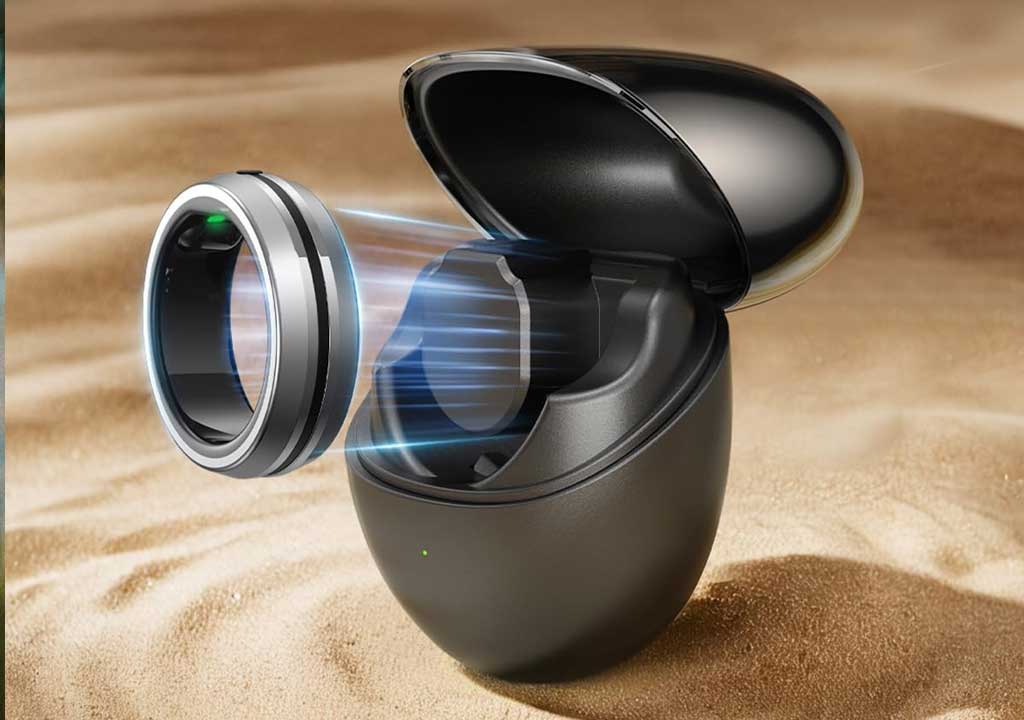
8) Battery life planning: If you find yourself recharging in the middle of a workday, adjust usage patterns or switch to lower-power modes for longer sessions. Complementary charging cases or wireless charging can help keep the ring ready during intense work cycles.
9) Pair with other devices thoughtfully: If you use a desktop environment or multiple devices, ensure your ring’s focus signals don’t become asynchronous. Favor a single, coherent focus flow across devices to prevent cognitive friction.
10) Experiment with continuous learning: Treat focus tool usage like a training program. Try different focus durations (25–60 minutes), alarm styles, or break activities (short stretch, hydration, quick walk). Observe what yields the best sustained concentration for you and adjust accordingly.
Choosing the right ring for your needs
Choosing a smart ring isn’t merely about features in isolation; it’s about how well the device integrates into your life and work. Here are practical criteria to consider when evaluating options:
• Comfort and aesthetics: The ring should feel natural to wear for extended periods. Consider size options, materials, and design that suits your style and work environment. Comfort matters because you’ll be more likely to wear it consistently if it’s unobtrusive and pleasant.
• Reliability of notifications and cues: You want immediate, consistent haptic feedback and predictable notification behavior. Read reviews and, if possible, try a demo to assess latency, misfiring cues, or unintended silencing of critical alerts.
• Customization depth: The more you can tailor modes, cues, and automation, the better you can align the ring to your unique workflow. However, balance customization with simplicity to avoid configuration fatigue.
• Ecosystem alignment: Confirm compatibility with your primary apps—calendar platforms, to-do lists, note-taking tools, and team communication apps. A seamless integration reduces friction and promotes regular usage.
• Data privacy controls: Be mindful of what data is collected, how it’s stored, and who can access it. Look for transparent policies, configurable data sharing, and straightforward deletion options to protect your privacy over time.
• Battery life and charging options: Ensure the ring supports your typical workday length without requiring frequent recharging. If you travel often, consider devices with robust battery performance and convenient charging solutions.
• Durability and water resistance: A ring that’s comfortable to wear in different environments (office, gym, or outdoor settings) should be resilient enough to handle daily wear without frequent maintenance.
• Price and value: Consider the long-term value of improved focus against the upfront cost. A device that significantly reduces interruptions and supports your best work can justify a higher price if it delivers measurable productivity gains.
• Support and updates: A device backed by regular software updates, helpful customer support, and an active user community tends to deliver a better long-term experience as needs evolve.
Productivity frameworks your ring can support
Smart ring focus tools aren’t a replacement for solid productivity frameworks; they amplify them. Here are a few popular approaches that pair well with ring-based focus management:
• Pomodoro Technique: Use the ring’s built-in timers and cues to structure 25-minute focus blocks with short breaks. The ring can automatically enable a focus mode during work intervals and pause notifications during breaks.
• Timeboxing: Schedule fixed blocks for specific tasks or projects. The ring can remind you at the start and end of each box, ensuring you stay committed to the plan and quickly transition between tasks.
• Day planning and reflection: Begin with a light planning session to map priorities and end the day with a quick review. The ring can prompt you to capture outcomes and next steps, turning planning into an actionable habit.
• Task batching: Group similar tasks together and reserve a single focus block for the entire batch. The ring’s cues help you stay on track and reduce context switching, which is a major productivity drain.
• Deep work rituals: Build consistent rituals that cue deep concentration. The ring can automate the switch to a focused state, mute distractions, and help you protect time for high-impact work.
• Reflection and learning: Use analytics to identify your peak focus periods and adjust your schedule accordingly. The ring’s data can guide you to optimize when to schedule demanding tasks versus routine work.
Common pitfalls and how to avoid them
While smart ring focus tools can be extremely helpful, there are potential pitfalls to watch for. Here are common issues and practical remedies:
• Over-reliance on automation: If everything is automated, you may stop listening to your own sense of readiness. Build in manual controls to override automatic modes when you know you’re in a good or bad cognitive state for focus at that moment.
• Focus fatigue from constant cues: Excessive notifications or overly aggressive focus modes can lead to annoyance or “ring fatigue.” Balance intensity with occasional softer cues and allow for occasional unblocked periods when appropriate.
• Poor integration with real work: If the ring disrupts your workflow more than it helps, re-evaluate its configuration. Start with a minimal setup and gradually expand, ensuring each change delivers tangible benefits.
• Inaccurate data signals: Some rings may misread activity, leading to misleading analytics. Cross-check ring data with your own notes or other tools and adjust sensitivity settings as needed.
• Privacy concerns: If data sharing is not clearly explained or you feel uncomfortable, limit data access or switch to devices with stronger privacy controls. Your comfort with the tool is a critical factor in long-term success.
Future trends: where smart ring focus tools are headed
The next waves of innovation for focus-oriented rings are likely to bring more nuanced integration, better battery performance, and smarter intelligence. Anticipated directions include:
• More seamless context awareness: Rings will become better at discerning when you’re in a meeting, in deep work, or on a routine task, then automatically adjust focus modes with minimal manual input.
• Advanced analytics with actionable coaching: Expect more sophisticated dashboards that not only show you when you focused but also offer tailored recommendations to improve your focus, such as suggested break activities or task sequencing based on your energy patterns.
• Cross-device orchestration: A more connected ecosystem that harmonizes your ring with your computer, phone, and home devices to unify your focus flow across contexts, places, and devices.
• Privacy-first design: Greater emphasis on user control over data collection, with transparent opt-in processes and robust data minimization principles baked into device software.
• Health and performance integration: Focus reliability may be linked more tightly to your sleep, stress, and physical well-being. Rings could provide tailored strategies that align with your circadian rhythms and fatigue levels to optimize focus windows.
Real-world demonstrations: case studies and anecdotes
While every person’s workflow is unique, several anecdotal patterns emerge from early adopters of focus-driven smart rings:
• A software developer reduced context switching by 40% after configuring three focus profiles synchronized with daily standups and sprint cycles. The ring’s cues helped them stay in flow during coding sessions and complete tasks with fewer mid-block interruptions.
• A freelance writer reported longer, more consistent writing sessions after adopting a 50-minute focus block with 10-minute breaks. The ring’s gentle reminders replaced the urge to check social media, which previously fractured writing momentum.
• A project manager used calendar-based automation to automatically mute non-essential apps ahead of important client meetings. The improved signal-to-noise ratio helped the team stay aligned and reduced the time spent triaging notifications post-meeting.
• An executive combined a wind-down routine with a focus ring to separate work and personal life, resulting in improved sleep quality and clearer boundaries between work and downtime.
Best practices for long-term adoption
To ensure the ring remains a helpful ally rather than a gadget you forget about, try these strategies:
• Start small: Implement 1–2 focus profiles and a clear rule set you can sustain for several weeks before expanding. Jumping into too many configurations can be overwhelming and counterproductive.
• Tie the ring to outcomes, not just activity: Define what “productive” looks like for you (e.g., X pages written, Y lines of code, Z concepts learned) and track progress toward those outcomes rather than only focusing on time spent in focus mode.
• Build rituals around resets: Use breaks to recover energy and re-energize, not just to mindlessly check devices. Short walks, stretching, or a quick mindfulness exercise can refresh your cognitive system more effectively than scrolling.
• Schedule periodic reviews: Set a recurring time to review your focus analytics, reflect on what worked, and adjust your routines. This keeps the tool aligned with changing work demands and personal growth goals.
• Keep privacy front and center: Regularly audit what data you’re sharing and with whom. When privacy feels manageable, you’re more likely to use the tool consistently.
• Share a plan with your team or family: If you rely on others for coordination, communicate how you’ll use the ring to protect focus time. A shared understanding reduces friction and reinforces rituals.
Conclusion: embracing a smarter, calmer approach to work
Smart ring focus tools offer a compact, elegant way to reshape how you work. They don’t replace good habits or strong work strategies; they reinforce them by providing precise, respectful cues that help you enter and maintain focused states. When used thoughtfully, a ring becomes less of a gadget and more of a personal productivity partner—one that respects your time, supports your attention, and helps you produce meaningful results with less stress.
To get the most from your smart ring focus tool, start with a clear understanding of what you want to achieve, map it onto a practical routine, and tune your device settings to fit your real-world workflow. Track your progress, iterate, and treat focus as a skill you refine—rather than a constant battle against distractions. With a disciplined setup and mindful usage, Elevate Productivity with Smart Ring Focus Tools isn’t just a marketing claim; it becomes a tangible, daily advantage in your professional life.
As technology continues to evolve, you can expect these rings to become even more intelligent, respectful of privacy, and seamlessly integrated into the rhythms of our work lives. The future of focus is collaborative: your habits plus smart cues working in harmony to unlock deeper work, more satisfying outcomes, and a healthier relationship with the demands of modern productivity.
If you’re curious to try a smart ring for focus, start by evaluating your priorities, test one or two focus profiles, and monitor how your day responds to targeted cues. The goal isn’t to stop thinking or to live in a perpetual “do not disturb” mode; it’s to build a toolkit that supports you in choosing when to dive deep and when to step back, so your best work surfaces with less fatigue and more clarity.
LIKED THIS ARTICLE? SHARE IT: