






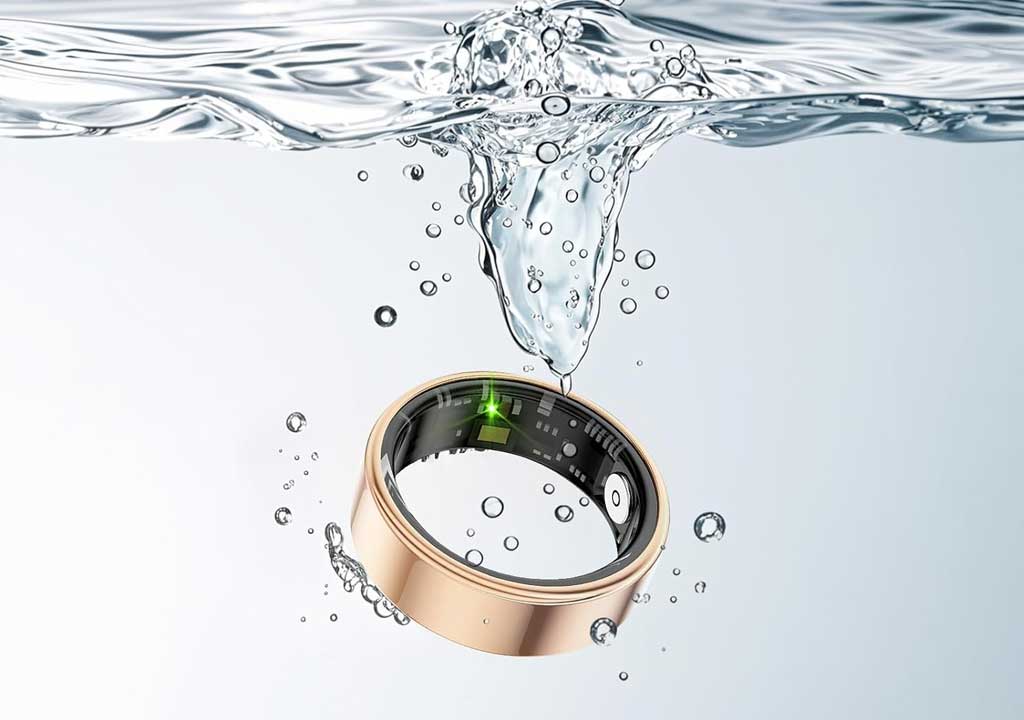
Smart Rings versus Wristbands: A Shift in Personal Health Tech

Smart Rings versus Wristbands: A Shift in Personal Health Tech
Wearable health tech has come a long way from bulky devices strapped to wrists to elegant, almost unnoticeable accessories that blend into daily life. The last few years have brought a quiet revolution: smart rings rising as credible health tools and wristbands evolving from simple step counters into sophisticated wellness companions. The result is a shift in how we monitor, understand, and act on our bodies. In this blog post, we’ll explore what smart rings and wristbands are, how they differ in design and data quality, and what this shift means for users, healthcare, and the future of personal health technology.
What they are: Smart rings and wristbands
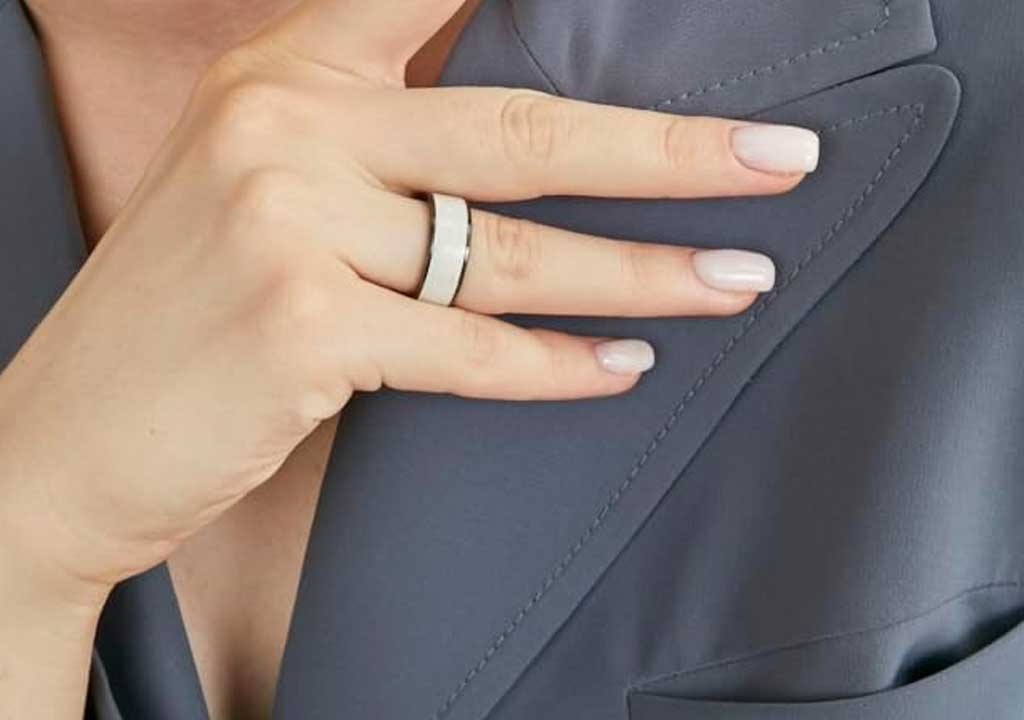
Smart rings are compact, ring-shaped devices that house sensors and connect to your phone or cloud services via Bluetooth or other wireless protocols. They look like ordinary jewelry but sport a suite of sensors—most commonly photoplethysmography (PPG) for heart rate, infrared or visible light for blood flow, temperature sensors, and sometimes skin moisture or SpO2 sensors. They’re designed to be worn around the finger for nearly 24/7 wearability, with most models emphasizing sleep, recovery, circadian timing, and overall activity patterns. Notable examples include rings from brands that have specialized in sleep and health analytics, offering in-depth insights without a visible screen on the device itself.
Wristbands, sometimes called fitness bands, are worn on the wrist and have evolved from basic pedometers to highly capable health platforms. They typically include an array of sensors such as PPG for heart rate, accelerometers and gyroscopes for motion tracking, GPS in newer models, SpO2 sensors, skin temperature, and advanced sleep tracking. Wristbands often feature a display or a companion app that presents real-time metrics, trends, and guided programs. They’re designed to be worn continuously, with a focus on hands-free activity tracking, motivation, and timely feedback during workouts, sleep, or daily routines.
Core metrics: what they measure—and what that means
Both smart rings and wristbands track core health signals, but they emphasize different aspects and offer varying levels of granularity.
- Heart rate (HR): Both devices measure HR using PPG. Rings can be highly accurate at rest and during sleep, but may be slightly more sensitive to finger movement or temperature changes. Wristbands often excel during sustained movement and workouts due to broader sensor placement and sometimes more powerful processing.
- Heart rate variability (HRV): HRV is a measure of autonomic nervous system activity and recovery. Rings are often praised for sleep- and recovery-focused HRV trends because they capture nightly baselines with minimal user intervention. Wristbands can provide continuous HRV snapshots during the day and during workouts, useful for stress and readiness assessments.
- Sleep tracking: This is where rings have made a strong impression. By staying on the finger, rings can collect high-fidelity data about sleep stages, breathing patterns, skin temperature changes, and movement. Wristbands also track sleep well, but some users report rings offer more nuanced insight into sleep cycles because of the different sensor placement and longer nightly wear.
- Temperature and SpO2: Temperature sensors help with circadian rhythm analysis and illness detection, while SpO2 (blood oxygen) sensors are valuable for identifying hypoxemia or respiratory issues. Rings are increasingly incorporating temperature sensors and SpO2; wristbands frequently offer these as well, with some models providing continuous overnight monitoring.
- Activity and circadian data: Both form factors track steps and general activity. Wristbands often provide more versatile on-device displays and real-time metrics during workouts. Rings deliver deep long-term trend data that can be crucial for understanding recovery, sleep health, and overall metabolic patterns.
In short, rings tend to skew toward sleep, recovery, and circadian health with a focus on uninterrupted wear and subtle data collection, while wristbands offer broader real-time feedback, active coaching, GPS-enabled activity tracking, and richer on-device interfaces. The choice between them depends on what you value most: quiet, continuous insight when you’re asleep or an interactive, gym-ready experience during waking hours.
Design, comfort, and social acceptability
One of the biggest shifts in personal health tech is how approachable the devices feel in everyday life. Comfort and aesthetics aren’t just fashion concerns; they influence adherence, which is the single most important factor for meaningful health data over time.
Smart rings are small, stylish, and low-profile. You can wear them under sleeves, with jewelry styles that suit your taste, and hardly notice them while working, exercising, or socializing. The minimal form factor reduces the likelihood of accidental removal and data gaps. However, rings have limitations: some people experience skin irritation or allergies to metals; ring sizing must be precise, and the ring must be worn correctly to ensure sensor contact. Water resistance varies by model, but many rings are rated for splash resistance or even swimwear use, which helps for continuous overnight wear.
Wristbands, by contrast, are more visible but also more versatile in terms of daylight usability. They sit on the wrist, making it easier to glance at data, customize the display, and interact during workouts. They often include larger batteries and more robust screens, enabling on-device coaching, workout mode toggling, and quick notifications. On the downside, the wrist is a high-activity zone—shakes, wrist movements, typing, and wearing a watch for extended periods can create nuisance data if the device isn’t calibrated well. Some users also find wristbands more prone to minor discomfort with tight bands during long sessions, especially in hot weather when moisture builds up inside the band.
In terms of social acceptability, smart rings can be far more discreet. They can blend with jewelry or be nearly invisible—an asset for people who prefer stealth health tracking in professional or social settings. Wristbands, while fashionable in their own right, are a bold statement of continuous health monitoring. The decision often comes down to lifestyle: someone who values subtlety and sleep-centric data might opt for a ring, while someone who wants a robust, on-demand workout companion may prefer a wristband.
Data quality, accuracy, and real-world reliability
The real-world performance of any wearable hinges on sensor quality, data processing, and how the user wears the device. In consumer health tech, accuracy is a spectrum rather than a fixed point, and both rings and wristbands have unique strengths and weaknesses.
Rings benefit from proximity to arteries and a steadier contact surface with finger tissue. The finger tends to provide strong PPG signals, contributing to reliable heart rate and SpO2 estimates in many cases. However, finger movement artifacts—such as when you’re typing, writing, or gesturing—can introduce noise if the ring isn’t securely fitted or if the sensor covers the finger in a way that reduces signal stability. Additionally, because rings are smaller and have less space for heat dissipation, some models may experience temperature-related drift in readings, especially during long workouts or in hot environments.
Wristbands have the advantage of larger sensor surfaces and, in many designs, more powerful processing units. They can track movement and heart rate concurrently with GPS for accurate pace, distance, and route mapping. The trade-off is that wrist-based PPG sensors are more susceptible to motion artifacts during rapid arm movements or high-intensity interval training. Fortunately, many modern bands use algorithmic filtering, multi-sensor fusion (combining PPG with accelerometer data), and on-device AI to improve signal quality, but they may still diverge from chest-strap measurements in some rapid or irregular heart rate scenarios.
Sleep staging accuracy often differs between rings and wristbands. Sleep staging (light sleep, deep sleep, REM) relies on a fusion of HRV, movement, respiratory rate, and body temperature. Rings, with their nightly wear and stable contact, can yield rich sleep pattern data. Wristbands with advanced sensors and multi-night baselines can provide comparable insights but may require more calibration and user input to refine scoring. Practically, most consumer devices offer sleep metrics that are suitable for trend analysis and personal optimization, rather than clinical-grade sleep staging.
Another aspect is calibration and personalization. Rings often emphasize deep personalization, using long-term baselines and adaptive algorithms to understand your unique circadian profile. Wristbands might offer guided coaching and routine-based improvements (like stress management routines) derived from daily historical data. The reality is that neither device replaces medical-grade diagnostics; they offer accessible, longitudinal insights that can guide healthier lifestyle choices and prompt professional consults when needed.
Battery life, charging, and maintenance
Battery life is a practical determinant of whether you’ll wear a device consistently. Smart rings typically ship with small batteries designed for longevity, often lasting several days up to a week or more on a single charge, depending on usage. The charging method—often a magnetic cradle or a small charging puck—tavors quick top-offs rather than daily charging. Because rings are small, some users forget to charge them until a day or two of data gaps appear. Yet, given their discreet nature, forgetting to charge a ring is less of a social inconvenience than forgetting a larger device worn on the wrist.
Wristbands generally offer longer battery life in some models, especially those with color displays or richer functionality that favors regular screen-on usage. Some bands can last a week or more on a single charge with typical usage, while others—particularly those with always-on displays, GPS, or music control—consume energy more quickly. The charging method is usually a cradle or magnetic dock that can be user-friendly, though some users may find the process less convenient than simply placing a ring on a charger unless you’re accustomed to the routine.
Maintenance matters as well. Rings often require periodic cleaning to maintain sensor contact and avoid material buildup that could affect readings. Wristbands, being more exposed to sweat, dirt, and physical wear, also require regular cleaning but might be easier to swap when worn out or when changing fashion styles. Both form factors benefit from software updates and careful sensor calibration to maintain accuracy over time. In practice, if your goal is near-constant wear with minimum intervention, rings offer a low-profile option with decent battery endurance, while wristbands deliver a robust platform with flexible charging and longer active display life.
Use cases: who benefits most from each form factor?
The right device often depends on your goals, day-to-day routine, and how you want to engage with health data. Here are typical use cases for smart rings and wristbands, with nuances that help explain why one might outperform the other in specific contexts.
- Sleep optimization and recovery focus: Smart rings excel here. Their ability to gather rich nighttime data, monitor HRV, body temperature, and sleep stages makes them a strong choice for users aiming to improve sleep quality, set consistent bedtimes, and fine-tune recovery strategies without needing to interact with a screen during the night.
- Active lifestyle and real-time coaching: Wristbands shine for workouts and on-the-go coaching. GPS-enabled wristbands help with distance tracking, pace analytics, and route mapping during runs or bike rides. The on-device display and quick access to guided workouts or prompts make them practical for people who want immediate feedback while exercising.
- Stress management and circadian rhythm alignment: Rings can provide a stable baseline for daily HRV and temperature trends, enabling users to time workouts and meals according to circadian patterns. Wristbands can complement this with live stress monitoring and prompts to practice breathing exercises during the day.
- Medical monitoring and clinician collaboration: Neither device should be treated as a medical-grade instrument, but rings with robust HRV, HR, SpO2, and temperature data over long periods can be a valuable source of information for clinicians when used as part of a broader health-tracking strategy. If a medical condition requires precise continuous monitoring, dedicated medical devices and professional oversight are essential.
- Fashion and everyday wear: For people who want to wear health tech as an accessory, rings offer discreet functionality that can be styled with different outfits. Wristbands prioritize a tech-forward aesthetic and may be more compatible with sportswear or gym settings.
Privacy, security, and data ownership
As with any digital health tool, privacy and data security are essential considerations. Health data is deeply personal, and wearable ecosystems accumulate a wide range of information—from heart rate and sleep patterns to location data and daily routines. Here are a few points to consider when weighing smart rings versus wristbands from a privacy perspective:
- Data collection scope: Both devices collect core health signals, but the depth of data can vary by model and brand. Rings may emphasize sleep and circadian health, while wristbands might collect more location or activity-related data due to GPS usage during workouts.
- Data storage and processing: Most brands store data in cloud environments and provide a mobile app for visualization. Review the privacy policy to understand who can access your data, what it’s used for, and whether third parties are involved.
- Control and deletion: Look for options to export or delete data, control data sharing with health apps, and manage permissions on connected services.
- Security measures: End-to-end encryption, secure authentication, and regular software updates are important. If you store sensitive health data, ensure the vendor follows robust security practices and complies with relevant regulations in your region.
Privacy is the kind of feature you rarely notice until something goes wrong. If you’re considering a health wearable for long-term use, prioritize brands with transparent privacy practices and data governance policies. In some contexts, you may also opt for devices that allow you to minimize data sharing while still receiving essential insights for your own wellness journey.
The market shift: Why rings are gaining ground
Over the past few years, the wearables market has witnessed a noticeable shift. Smart rings have moved from novelty to credible health devices, and well-established wristbands continue to compete by expanding capabilities, improving accuracy, and offering more personalized coaching. Several factors contribute to this shift:
- Form factor and adherence: Rings are less obtrusive and can be worn 24/7 without interfering with daily tasks. For people who forget to wear devices or who dislike watches, rings offer a reliable alternative that captures a continuous data stream.
- Sleep-centric insights: As interest in sleep health grows, rings with robust sleep analytics and HRV tracking have become compelling choices for those who want to understand rest quality and recovery without constant manual input.
- Fashion meets function: Rings bridge the gap between fashion and function. They can be easier to integrate into daily life, including work environments, weddings, or social occasions—whereas sport-focused wristbands may feel out of place in certain settings.
- Healthcare engagement: Clinicians and researchers increasingly acknowledge wearables as tools for longitudinal health data collection. Rings, with their promise of steady night-time data, can be attractive for long-term trends.
However, wristbands remain essential for users who want real-time feedback, GPS-based activity tracking, bright displays, and more interactive features. The market’s trajectory suggests a future in which devices are even more specialized: ultra-discreet rings for sleep and autonomic health, and robust wristbands for performance, navigation, and day-to-day coaching. A growing reality is ecosystem convergence—devices that sync with the broader digital health stack, from health apps to clinician dashboards to AI-driven wellness programs.
The future of personal health tech: what’s next
Looking ahead, several trends are likely to shape how smart rings and wristbands evolve—and how users decide between them or adopt both as complementary tools.
- Advanced multi-sensor fusion: Expect more precise health signals as devices combine data from PPG, temperature, SpO2, motion sensors, and possibly skin impedance or hydration proxies. The result could be richer sleep and stress metrics, more accurate HRV, and better detection of anomalies.
- AI-driven personalized insights: On-device and cloud-based AI will translate raw sensor data into actionable recommendations. Users may receive tailored sleep routines, circadian-aligned exercise plans, or proactive wellness nudges based on predictive models.
- Integration with broader health ecosystems: Deeper interoperability with medical records, telehealth platforms, and other digital health tools will allow users to share insights securely with clinicians, family members, or caregivers when appropriate.
- Material science and comfort innovations: More biocompatible materials, hypoallergenic metals, and skin-friendly coatings will reduce irritation and expand wearability for sensitive users.
- Wearables as early warning systems: Subtle biometric shifts could flag early signs of illness, dehydration, or fatigue, enabling people to adjust routines before problems escalate. This would be especially valuable for shift workers, travellers, and athletes.
As these devices grow more capable, the line between consumer wellness tech and medical-grade monitoring may blur further. The responsible development of wearables will require collaboration among manufacturers, regulators, clinicians, and users to ensure accuracy, safety, privacy, and ethical use of data.
Choosing between a smart ring and a wristband: practical guidelines
If you’re weighing a smart ring versus a wristband, here are practical guidelines to help you decide based on your goals, lifestyle, and priorities:
- Define your primary goal: If your focus is sleep health, recovery, and circadian alignment, a smart ring may offer deeper, less disruptive insights. If you want real-time workout metrics and on-device coaching, a wristband could be more suitable.
- Assess comfort and wearability: If you hate wearing something on your wrist for long periods or have diabetes or skin sensitivity, a ring could be the gentler option. Conversely, if you frequently wear long-sleeve tops and want quick data checks, a wristband might be easier to access.
- Consider your daily routine: For travelers and people who spend time in varied environments, a discreet ring can stay on during flights, work meetings, and social events. If you rely on GPS for navigation during runs or rides, a wristband with accurate location tracking is advantageous.
- Look at ecosystem and data goals: If you want to sync data with specific health apps, clinicians, or other devices, verify compatibility, data export capabilities, and privacy controls before purchasing.
- Budget and maintenance: Rings and wristbands come at different price points, with ongoing costs for subscriptions or premium features in some ecosystems. Consider your willingness to invest in hardware, services, and potential replacement cycles.
Finally, many users opt for a hybrid approach: wearing a ring for sleep and circadian health while using a wristband for workouts and day-to-day activity. This combination provides a comprehensive view of health without forcing a single device to do all the heavy lifting. If you must choose one, be honest about your priorities and pick the form factor that minimizes friction in your daily life while delivering data you trust and understand.
Case studies: real-world scenarios
These hypothetical case studies illustrate how smart rings and wristbands can play different roles in everyday life.
Case 1 — Maya, a busy marketing manager: Maya wants to optimize sleep and reduce daytime fatigue. She chooses a smart ring because she values unobtrusive wear and in-depth sleep analytics. Over several weeks, the ring helps her identify a delayed sleep phase and elevated nighttime skin temperature. With guidance from the app, she compounds consistent bedtime routines, reduces late-night screen time, and notices improved morning alertness. The ring’s HRV trends also reveal periods of stress that Maya can address with short, guided breathing exercises during the workday.
Case 2 — Luke, a recreational runner: Luke wants to monitor pace, distance, heart rate zones, and recovery after long runs. He selects a wristband with GPS and an on-device display. The wristband provides real-time coaching during workouts, helping him stay in targeted heart rate zones and plan easy recovery runs based on post-workout HRV. At the end of the week, Luke reviews the overall activity and sleep data to schedule rest days and optimize training load.
Case 3 — A healthcare professional in a clinic: A clinician relies on a combination of wearables for a patient with sleep-disordered breathing and circadian misalignment. The patient wears a ring at night for sleep architecture and body temperature trends, and a wristband during the day for activity and HR data. The clinician uses anonymized, consent-based data exports to monitor progress and adjust treatment plans, illustrating how wearables can support a holistic care approach without replacing clinical diagnostics.
Practical tips for getting the most from your wearable
Whether you choose a ring, a wristband, or both, these tips can help you maximize the value of wearable health tech:
- Wear consistently: The most valuable data comes from long-term, consistent wear. If your goal is deep sleep insights or recovery patterns, aim for 22-24 hours of daily wear with only brief breaks for charging if needed.
- Calibrate slowly: Give your device time to learn your baseline. Avoid over-interpreting day-to-day fluctuations; focus on weekly or monthly trends.
- Set realistic goals: Use the data to set attainable health goals, such as a consistent bedtime, a target HRV improvement range, or gradual increases in daily activity rather than dramatic, unsustainable changes.
- Protect your privacy: Review privacy settings, data-sharing options, and permissions. Export vital data when possible and delete what you don’t need stored in the cloud.
- Pair with other data sources: Consider combining wearable insights with dietary logs, stress management practices, or clinical measurements for a more complete picture of health.
Debunking myths about smart rings and wristbands
As with any emerging technology, there are myths and hype surrounding wearables. Here are a few common misconceptions and the realities behind them:
- Myth: Rings can replace all medical tests. Reality: Wearables provide powerful longitudinal wellness data but are not medical devices. They’re excellent for trend analysis and early warning signals, not diagnostic tools.
- Mysth: Wristbands always provide better accuracy. Reality: Accuracy depends on the sensor suite, placement, user activity, and the algorithms used. Both form factors can be highly accurate for certain metrics and less so for others.
- Myth: More data means better health decisions. Reality: Data is only valuable if you can translate it into actionable steps. Focus on meaningful metrics and practical goals rather than chasing every new sensor.
Conclusion: a mutual shift toward personalized, subtle health insights
The shift from wrist-worn devices to smart rings and the continued evolution of wristbands reflect a broader trend in personal health technology: the desire for meaningful, long-term insights that fit naturally into everyday life. Rings offer discreet, sleep-centric analytics and seamless daily wear that can reveal deep patterns in recovery, circadian rhythm, and autonomic balance. Wristbands provide a more visible, interactive platform for real-time feedback, performance tracking, and guided wellness programs. Both devices empower individuals to understand their bodies better, make informed decisions, and engage proactively with their health—without the friction of clunky gadgets or intrusive monitoring.
As the ecosystem around wearables matures, the boundaries between fashion and function, lifestyle and health, will continue to blur. We will likely see more hybrid models, better cross-device interoperability, and AI-driven insights that translate raw data into practical steps. For now, whether you choose a smart ring, a wristband, or a combination of both, the trajectory is clear: personal health tech is becoming more intimate, more intelligent, and more intertwined with daily life. That’s not just a technological shift; it’s a cultural one—one that invites us to listen to our bodies with greater curiosity and to act on the signals we’re finally learning to decode.
Closing thoughts: embracing a new era of personal health data
In the end, the choice between smart rings and wristbands comes down to your needs, preferences, and how you want to engage with health data. The best approach may be to start with one device that aligns with your primary goal and later layer in the other form factor if your routines or goals evolve. The shift we’re witnessing isn’t merely about choosing a tool; it’s about embracing a new way to understand ourselves—through continuous observation, gradual learning, and informed action. The future of personal health technology is not a single miracle device but a family of tools that fit inside our lives, support sustainable habits, and help transform data into healthier, more resilient living. As this field grows, we can look forward to smarter rings and smarter wristbands that become trusted partners in our journey toward better health, day by day, night after night.
LIKED THIS ARTICLE? SHARE IT: