








What a Smart Ring Can Do for Your Daily Workout

What a Smart Ring Can Do for Your Daily Workout
In the crowded world of wearables, the smart ring stands out as a discreet, everyday companion that tracks your body’s signals without getting in the way of your training. If you’ve ever wished for a device that offers meaningful insights without crossing the line into “techy bulk,” a smart ring might be the solution. These compact rings wrap around your finger and harness a suite of sensors to monitor heart rate, sleep, activity, recovery, and more. The result is a practical, near-constant stream of data you can use to optimize your workouts, recovery, and overall performance. Below, we’ll explore what a smart ring can realistically do for your daily routine, how to use it, and where it fits in alongside other gear you might already own.
Understanding the smart ring landscape
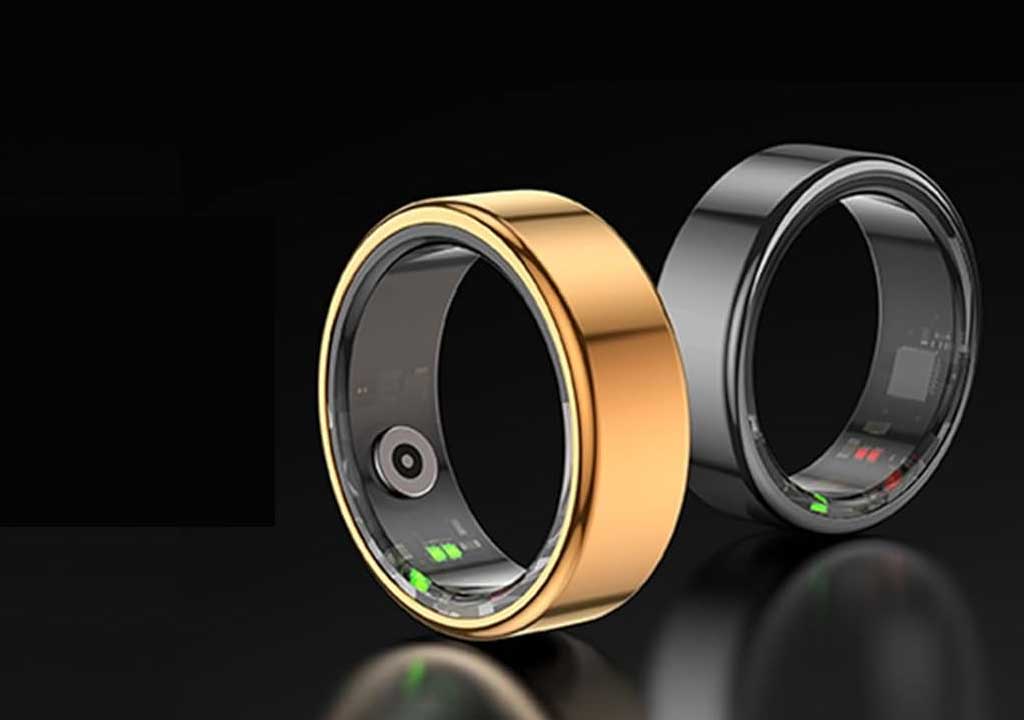
Smart rings are small, finger-worn wearables designed to be less obtrusive than wristbands and watches. They typically house a trio of core components: a pulse oximetry/PPG sensor to monitor heart rate, an accelerometer (and sometimes a gyroscope) to detect movement, and electronic hardware that processes data and communicates with a companion app on your phone. Higher-end models add skin temperature sensors, respiration rate estimates, and sometimes blood oxygen saturation (SpO2) monitoring. Some rings aim to be all-day devices that you wear 24/7, while others emphasize workout-focused metrics or sleep analysis.
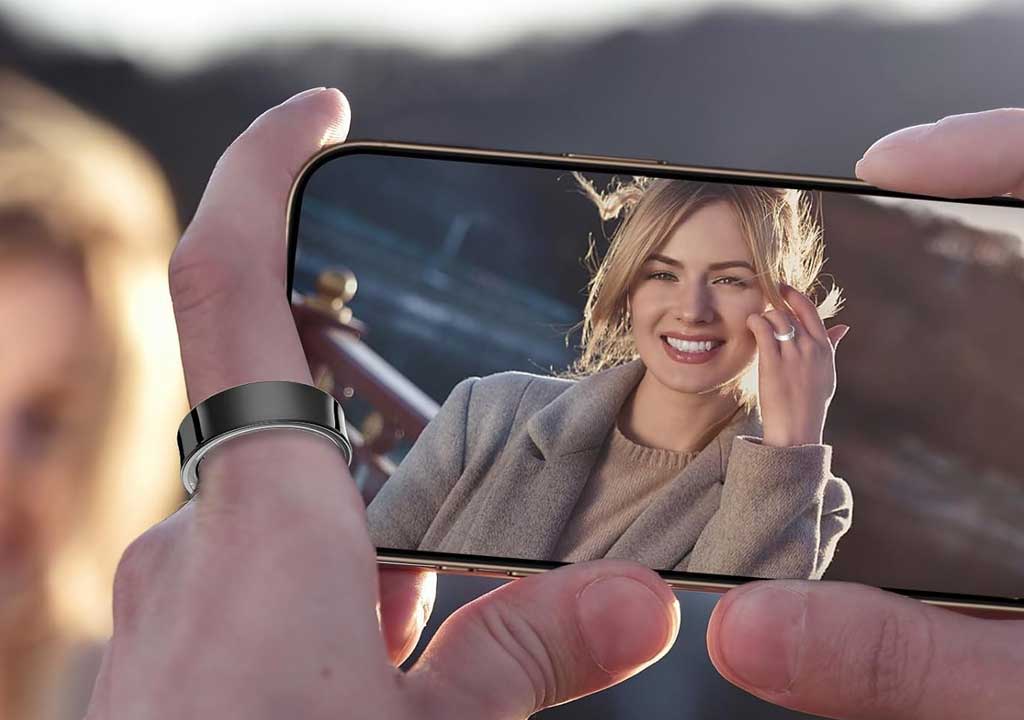
One of the biggest draws is comfort. A ring sits on your finger rather than your wrist, which some athletes find more comfortable during workouts—especially weightlifting, yoga, or activities where a bulky wrist device can feel intrusive. The trade-offs usually come in the form of battery life, GPS access, and sensor placement. Rings typically don’t have built-in GPS, so if you want route tracking or pace data for runs, you’ll rely on your phone’s GPS. Accuracy can also vary with finger size, temperature, and how tightly you wear the ring. Like any consumer wearable, the best results come from consistent wear, proper sizing, and careful interpretation of the data your ring provides.
Pre-workout insights: readiness and planning
Smart rings shine in the pre-workout phase by giving you a quick read on your body’s readiness to train. Many models offer a composite readiness score or show you key indicators that influence training decisions. Here are the main signals you might see before you lace up your shoes:
• Resting heart rate trends and heart rate variability (HRV): A rising resting heart rate or a flat/low HRV can signal fatigue, illness, or poor recovery. Conversely, a rebounding HRV after a few restful nights may indicate your nervous system is primed for a hard session.
• Sleep quality and duration: Quality sleep underpins performance. A ring that tracks sleep stages, interruptions, and total sleep time can alert you if recent sleep deficits are likely to blunt your intensity or endurance.
• Body temperature and circadian cues: Some rings monitor skin temperature changes that reflect recovery status and circadian alignment. A cooler-than-usual morning skin temperature might suggest you’re near a peak training window, while warmer readings can signal the need for lighter sessions or longer warm-ups.
• Activity baseline and daily readiness: If you’ve had a stacked week, your ring may suggest easier days to prevent overtraining. If you’ve had a dump of activity and your body seems fresh, you might be ready for a stronger effort.
Armed with these signals, you can decide between an easy jog, a tempo run, or a skill-focused session. While a smart ring cannot replace a coach’s individualized plan, it can help you align your daily effort with your longer-term goals, especially when you’re juggling work, family, and other commitments. A practical approach is to use the readiness info as a nudge: if HRV is suppressed and sleep was disrupted, consider dialing back intensity or choosing a form of recovery-oriented training instead of a high-impact workout.
During workout: real-time data on your finger
During exercise, your smart ring can provide a steady stream of metrics to help you train smarter. Here are the most commonly available data points and how to use them in real time or near real time:
• Heart rate and heart rate zones: Real-time heart rate helps you stay in specific zones for endurance, threshold, or recovery work. You may adjust pace or effort if your heart rate strays from the target zone, helping you hit your intended training stimulus with more precision than relying on pace alone.
• Calorie burn estimates: Calorie counters on rings give a ballpark figure of energy expenditure. Use them as a rough gauge to balance daily intake with activity, but remember that ring estimates vary in accuracy and are best used for relative progress over time rather than precise measurements for a single workout.
• Movement data and workout detection: An accelerometer and gyroscope enable the ring to infer the type of activity—running, cycling, strength training, HIIT, yoga, etc.—and sometimes auto-log workouts. This is particularly handy for tracking daily activity without manually starting a session.
• SpO2 and respiration (where supported): In some models, you can see SpO2 trends and breathing rate. SpO2 is more commonly used during sleep or high-intensity workouts to watch for abnormalities, while breathing rate can give clues about exertion and fatigue levels.
• Temperature trends: Some rings capture skin temperature changes that can relate to recovery status and training adaptation. Consistent deviations from your baseline can prompt you to adjust workouts or prioritize sleep and nutrition to support recovery.
One practical tip: because most rings do not have built-in GPS, you’ll likely need your phone to map your route for runs or rides. The ring’s data then complements the GPS data by adding internal signals (HR, HRV, fatigue, recovery) that GPS alone cannot provide. If you rely on a ring for workout logging, consider syncing with a broader health ecosystem (Apple Health, Google Fit, Strava, etc.) so you have both external performance signals and internal recovery signals in one place.
Another important note is sensor placement. The ring’s sensors are closest to the blood vessels in your finger, which can yield strong signals when the ring fits well. If your fingers are cold, swollen, or you have a slightly loose fit, readings can drift. To maximize accuracy, ensure a comfortable, secure fit and, if necessary, try a different finger or adjust the ring size. Some users find saliva or sweat during long sessions can temporarily affect readings, but these effects usually normalize quickly after you cool down.
Training optimization: auto-logging and data-driven planning
Smart rings excel at minimizing friction: you want to train consistently with less manual data entry. Auto-logging is a core feature that can save you time while building a longitudinal record of your workouts. Here’s how you can leverage it for daily and weekly planning:
• Automatic workout detection: The ring can identify when you begin a workout and classify the activity type. This reduces the need to manually start and stop workouts, ensuring you capture more complete data over time.
• Intensity and load tracking: Over the course of weeks, you’ll start to see patterns in training load, fatigue, and recovery. This helps you adjust weekly volume or incorporate easier sessions when you’re under fatigue or after a string of high-intensity days.
• Readiness-to-train recommendations: Some rings provide guidance on how hard to push on a given day based on current metrics. This can be especially helpful when your schedule is unpredictable or when you’re balancing multiple sports or activities.
• Recovery windows and sleep optimization: If the ring signals suboptimal sleep or a prolonged elevated heart rate, you might adjust bedtime, wind-down routines, or caffeine intake to restore readiness.
• Cross-device integration: Data from the ring can populate dashboards and export to CSV, enabling more advanced analysis in spreadsheet software or athlete platforms. When possible, syncing to a broader health ecosystem lets you view correlations between sleep, HRV, and performance across multiple devices.
Despite these benefits, remember that no single device can perfectly tailor a training plan for you. A smart ring is a data companion that helps you observe patterns and test hypotheses—but real-world tweaks should still consider how you feel, your training history, and any feedback from coaches or therapists. Keep a human element in the loop to avoid overfitting to metrics alone.
Recovery and sleep: the ring’s most powerful long-term signal
Recovery is the hidden currency of performance. Smart rings often provide some of the most valuable insights for athletes who train regularly because recovery happens largely when you’re not training. Here are the aspects to watch for in the recovery window the ring helps illuminate:
• Sleep duration and quality: Deep sleep and REM sleep contribute to physical adaptation and cognitive recovery. Rings that quantify sleep stages or sleep interruptions give you a sense of whether you’re meeting your nightly recovery needs.
• HRV trends after workouts: HRV tends to increase with good recovery and decrease with stress or overtraining. Tracking HRV day-to-day helps you identify when you’re ready for a harder session or when you should back off.
• Resting heart rate (RHR) baselines: A gradual rise in RHR can be an early warning signal of fatigue, illness, or insufficient recovery. Conversely, a lower RHR relative to your baseline often aligns with improved conditioning and recovery.
• Temperature and physiological signals during sleep: Temperature shifts can reflect hormonal cycles, illness, or recovery status. Consistent deviations can prompt adjustments to nightly routines, room temperature, or dietary timing to support recovery.
• Day-to-day recovery scores: By aggregating sleep, HRV, and activity balance, many rings provide a recovery score or readiness index that translates complex data into an actionable signal for planning workouts and rest days.
With this information, you can calibrate your training week. If last night’s sleep was poor or HRV is down, you might opt for easy cardio, mobility work, or a wellness-focused session. A few days of strong sleep and balanced training, in contrast, can reinforce the momentum you’ve built. Over weeks and months, these patterns contribute to more consistent progress, fewer injuries, and a better sense of when to push and when to back off.
Data you get and how to use it
Understanding the numbers is essential to turning the ring’s data into practical gains. Here are common metrics you’ll encounter and practical guidance on how to act on them:
• Resting heart rate (RHR): Track your baseline RHR; gradual increases can signal fatigue or illness, while steady, lower readings may indicate improved cardiovascular fitness. Use RHR as a contextual cue rather than a stand-alone verdict on your day’s training.
• Heart rate variability (HRV): Higher HRV generally suggests better autonomic balance and recovery readiness. Look for trends rather than day-to-day spikes. Compare HRV against sleep quality, stress, and recent training load to identify patterns.
• Sleep metrics: Sleep duration, interruptions, and inferred stages help you assess whether you’re meeting your recovery needs. Use this to inform when to train hard versus when to emphasize sleep hygiene or rest days.
• Activity tracking and steps: Daily movement counts and activity duration can help you schedule movement throughout the day, ensuring you meet minimum activity goals that support long-term health and performance.
• Calorie expenditure: While calorie burn data can be eye-catching, use it as a rough guide for energy balance rather than an exact accounting of daily intake. Food choices and timing still drive performance outcomes more than a single number.
• SpO2 and respiration rate: When available, these metrics can offer insight into breathing efficiency and oxygen delivery during different training phases. This data is most valuable when viewed across weeks and months to identify patterns related to endurance adaptation or training stress.
Interpreting data requires context. A ring’s numbers are most valuable when compared across multiple days or weeks rather than in isolation. Pair ring data with subjective measures, such as a daily wellness score or perceived effort, to build a more complete picture of how your body is responding to training.
Practical tips for different workouts
Different workouts demand different signals. Here’s how a smart ring can support a variety of common training modalities:
Running and cycling: Use real-time heart rate data to stay in the desired zone, and consult HRV and sleep trends to decide whether to push on a given day. If GPS data is essential, rely on your phone’s GPS for route and pace, while the ring provides internal signals to gauge fatigue and recovery. A consistent readiness signal can help you determine whether to schedule tempo runs, intervals, or easy days.
Strength training: While HR is useful, the ring’s movement data helps track time under tension in a different way than a wrist-based wearable. Temperature and HRV can indicate whether you’re recovering between sets and sessions. If you’re targeting hypertrophy, the ring’s activity classification can help you maintain consistency in weekly volume and intensity metrics.
HIIT and interval workouts: Expect rapid fluctuations in heart rate; the ring’s real-time HR can help you stay inside your target windows. HRV and sleep quality become especially important here to prevent overreaching. After sessions, the recovery signals can guide how long you should rest before the next high-intensity effort.
Yoga, mobility, and low-impact sessions: In these workouts, the ring’s breathing rate and HR stability can be insightful. Consistent breathing patterns often accompany better control and form; tracking changes over time can reveal improvements in endurance and stress resilience.
Swimming and water-based training: If your ring is water-resistant, you can wear it in the pool for post-workout recovery metrics or certain pool sessions where swimming form and tempo matter. Note that some rings are not suitable for prolonged submersion or hot tubs; check the manufacturer’s water-resistance rating before submerging.
Overall, combine the ring’s data with your training history. For example, if you’ve had a week of heavy workouts and your ring shows elevated RHR and lower HRV, prioritize active recovery or mobility work. If you’ve had a few restful nights and your metrics look favorable, you might plan a more challenging session. The key is to use the data to inform decisions, not to drive every choice blindly.
Ring vs wrist wearables: pros and cons for workouts
Choosing between a smart ring and a wrist-worn device depends on your priorities and daily routine. Here are the main considerations:
• Comfort and fit: Rings are lightweight and unobtrusive, which can make workouts feel less encumbered. For people who dislike wearing a watch during workouts, a ring can be a game changer.
• Sensor placement and signal quality: The finger can provide excellent signal quality for certain metrics (like heart rate) but can be sensitive to temperature and fit. Wrist devices have the advantage of often including more robust optical sensors and more mature GPS integration.
• Battery life and charging: Rings typically offer longer battery life between charges, but charging generally requires removing the ring and placing it on a charger. Wrist devices may require more frequent charging depending on features (display, GPS usage) but can be charged more easily on the go with strap accessories.
• GPS and route data: If you rely on precise GPS data for running or cycling routes, many rings don’t include GPS, so you’ll need a connected phone. Wrist-worn devices often include integrated GPS for standalone workouts.
• Data depth and ecosystem: Both rings and wrist wearables feed into health ecosystems. If you want rich HRV data and sleep analytics, check which platform offers the metrics you care about and how well it integrates with your preferred apps and training tools.
Ultimately, the best choice depends on what you value most: a minimal, daily-use device that still provides meaningful metrics or a more versatile device with broader GPS-based tracking and a richer display. Some athletes even adopt both—using a smart ring for continuous physiological data and a wrist wearable for GPS-guided training when needed.
Getting the most out of your smart ring: setup and best practices
To maximize your ring’s value for workouts, follow these practical steps:
• Get the right size: Sizing is critical for accuracy. A ring that’s too loose or too tight can skew readings. If you’re between sizes, try the slightly larger size or consult the manufacturer’s sizing guide and consider a temporary accommodator (some brands provide a sizing kit) to ensure a proper fit.
• Wear it consistently: The more you wear the ring, the more complete your data history becomes. Consistency helps you track trends in HRV, sleep, and readiness, enabling better interpretation of changes over time.
• Pair with a trusted app ecosystem: Connect the ring to its native app and, if possible, to health platforms you already use (like Apple Health or Google Fit). This creates a centralized data hub, making it easier to analyze performance and recovery across devices.
• Calibrate and validate: Give the ring a few days to acclimate. Some users notice readings stabilize after a short acclimation period. If you see unusual spikes or readings that don’t align with how you feel, try re-checking fit, temperature, or try wearing on a different finger to assess consistency.
• Use a consistent daily routine: Decide how you want to incorporate ring data into training. For example, you could check readiness every morning, review sleep data before deciding on the day’s intensity, and use post-workout metrics to guide recovery activities like mobility, stretching, or light cardio.
• Protect privacy: Like any wearable, your data is sensitive. Review privacy settings in the app to control what is collected, where it’s stored, and who can access it. If privacy is a concern, limit data sharing with third-party apps and services.
Limitations and privacy considerations
While smart rings offer a wealth of benefits, they have limitations worth noting. The most common caveats include sensor accuracy variability due to finger temperature, ring fit, or extreme movements. Rings may not be ideal for athletes requiring precise, real-time GPS metrics without a phone, or for those who rely on very granular data for performance optimization. Some features, such as continuous SpO2 monitoring during high-intensity workouts, may be intermittent or limited depending on the model and firmware. Battery life is generally strong, but it’s still essential to manage charging routines so you don’t lose data during critical training blocks.
Privacy is another important consideration. You’re collecting intimate health signals—heart rate, sleep, recovery—and storing them in cloud-based apps. Review the manufacturer’s privacy policy, consider opting out of data sharing with third parties, and ensure you’re comfortable with how data is used. If you’re training with a coach or medical professional, consider how you share data and what level of detail is appropriate to protect sensitive information.
The future of smart rings in workouts
The smart ring space is evolving quickly. Expect improvements in sensor fidelity, battery efficiency, and data analytics that translate raw signals into more actionable insights. Manufacturers are likely to push edge computing on the ring itself, enabling faster feedback and reduced data transfer delays. We may also see deeper integrations with training platforms, diet and sleep optimization tools, and personalized coaching programs that adapt in real time to your HRV, sleep, and recovery signals. As sensor technology becomes cheaper and more accurate, smart rings could expand beyond adult fitness to broader health monitoring, including early indicators of overtraining, stress, or illness, all while remaining unobtrusive enough to wear daily.
Putting it all together: a practical routine with a smart ring
To get the most out of a smart ring for daily workouts, try this simple, repeatable routine:
Morning: Check readiness indicators (HRV trend, resting heart rate, sleep quality). If readiness is high, plan a moderate-to-high-intensity workout; if readiness is challenged, opt for a lighter session or mobility work. Review sleep quality data from the previous night to inform your energy level going into training.
During workouts: Rely on real-time heart rate to stay in your target zone. Let the ring’s detection features remind you when a session ends or when to adjust.
Post-workout: Note how your heart rate recovers in the minutes after the workout, and log perceived exertion to compare with internal data. Use recovery signals (HRV trends, sleep quality) to plan the next day’s load.
Evening: Track daily activity and ensure you’ve met movement goals. If sleep was disrupted, implement a more structured wind-down routine (dim lights, reduced screen time, gentle stretching) to support recovery.
Weekly: Review trends in HRV, RHR, sleep, and training load. Look for patterns: are you adapting to volume, or do you need extra rest days? Use this assessment to adjust your weekly plan, not just a single hard workout on a calendar.
Conclusion: embracing the smart ring as a daily workout partner
A smart ring isn’t a magic wand, but it is a powerful, unobtrusive tool that helps you train smarter, recover better, and stay consistent with your daily routine. By delivering continuous physiological signals alongside sleep and recovery metrics, a smart ring gives you a nuanced view of how your body responds to training. The key is to interpret the data in context—combine objective metrics with subjective feel, energy levels, and lifestyle factors, and you’ll gain a meaningful edge over time. Whether you’re a casual exerciser aiming for consistency, or a serious athlete chasing steady improvement, a smart ring can be a valuable companion on your journey toward better performance, healthier habits, and more sustainable progress.
So, if you’re ready to experiment with a subtler, battery-friendly way to monitor your workouts, a smart ring could be your next reliable training partner. Put it on, let it learn your baseline, and let the data guide you toward smarter choices, day by day, rep by rep, week after week.
LIKED THIS ARTICLE? SHARE IT: