






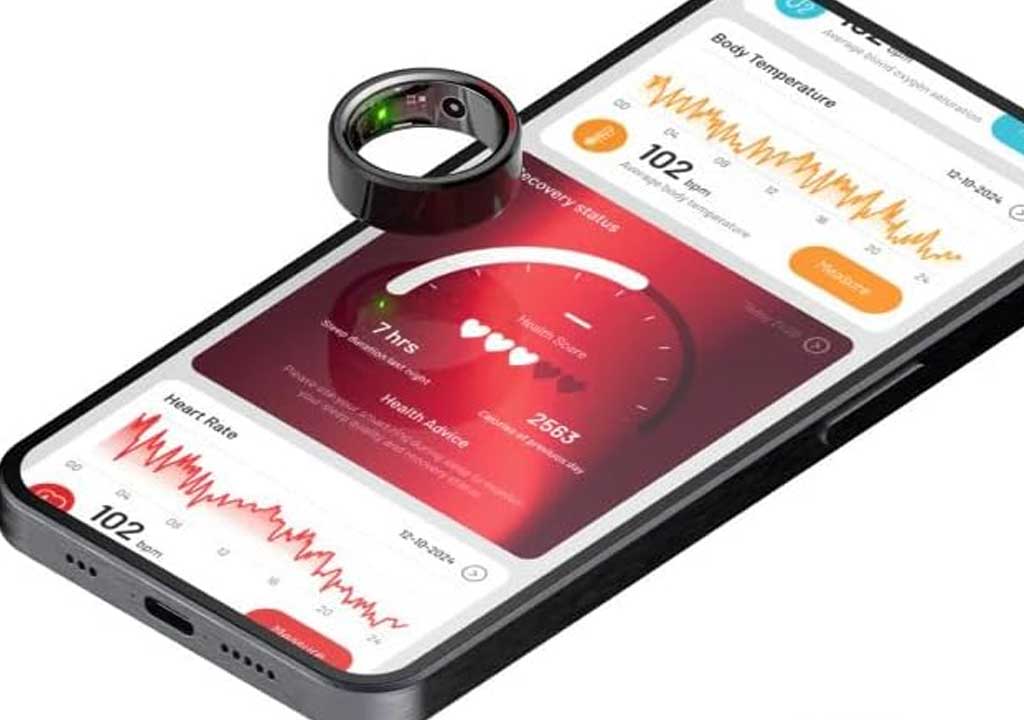
Sleep Insight Unlocked: What Your Smart Ring Reveals About Rest

Sleep Insight Unlocked: What Your Smart Ring Reveals About Rest
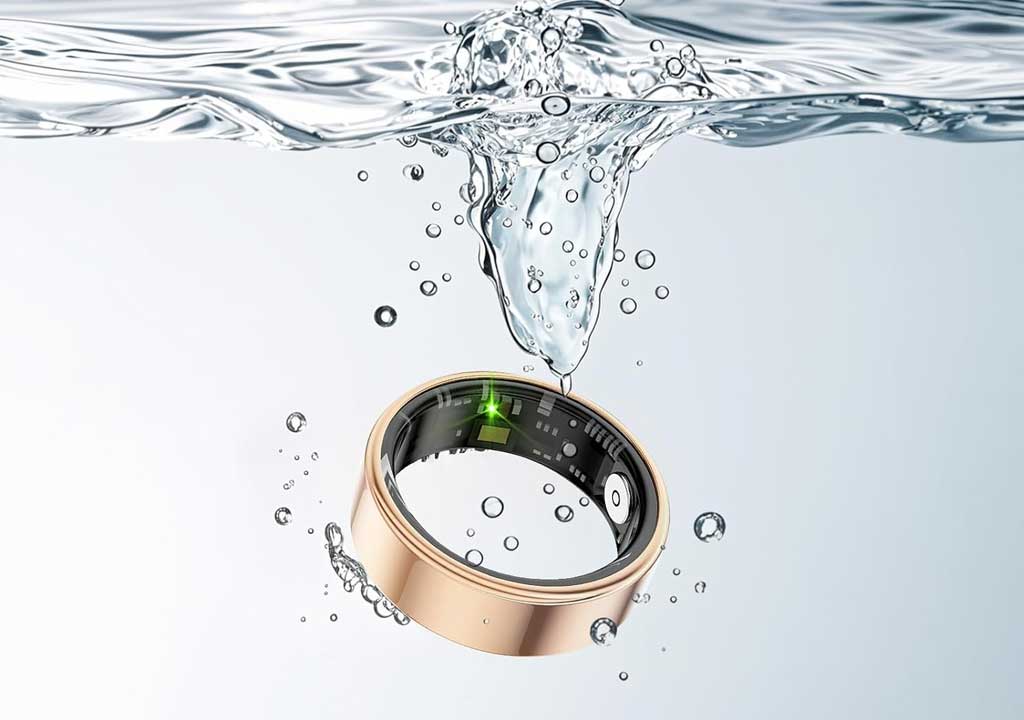
In the dead of night, as the world slows and your body leans into recovery, your smartwatch or smartphone may be staring back at you with an array of numbers. But increasingly, one tiny device on your finger—the smart ring—becomes your night’s most intimate observer. Sleek, discreet, and built for comfort, smart rings claim to track more than just steps and calories. They monitor your heart rate, breathing, skin temperature, movement, and perhaps even blood oxygen, stitching these signals into a narrative about how you slept. The result? Sleep insights that feel almost like a whispered conversation with your own biology, a way to understand not just how long you slept, but how well you rested, what held you back, and what nudges you toward better nights. If you’ve wondered what your ring can tell you about rest, you’re not alone. The data, when read with care, can help you tailor your routines, debunk myths about “good” sleep, and set the stage for longer, deeper, more restorative nights.
What Your Ring Tracks While You Sleep
Smart rings deploy a suite of sensors to capture a portrait of your slumber. The most common measurements include heart rate, heart rate variability (HRV), skin temperature, and movement. Some models also infer respiratory rate and track blood oxygen saturation (SpO2). Less tangible but equally valuable are the timing and pattern of awakenings, the total time you’re in bed versus actually asleep, and the transitions between sleep stages. While a ring can’t directly observe brain activity the way an EEG does in a lab, it uses sophisticated algorithms to translate peripheral signals into sleep stages and quality indicators.
Heart rate and HRV are central to the picture. Your resting heart rate tends to drop as you enter deeper stages of sleep, and HRV—essentially the variation in time between heartbeats—often increases during restorative phases. When your heart rate sits at a stable, lower level and HRV climbs, you’re typically in a more restful state. Conversely, irregularities or a persistently elevated heart rate through the night can signal stress, illness, or external factors like caffeine, alcohol, or a late workout.
Skin temperature offers a window into the body’s circadian rhythm. Your core temperature naturally fluctuates across the day, and a drop in skin temperature at night is associated with sleep onset and consolidation. Some rings estimate body temperature shifts, which can help explain delays in sleep or awakenings, especially when your environment—room temperature, bedding, or extra blankets—doesn’t align with your internal clock.
Motion data, captured by an accelerometer, is the most visible clue your ring has about your rest. Less tossing and turning typically signals deeper sleep, while frequent movement might indicate lighter sleep or restlessness. While movement alone isn’t a definitive measure of sleep depth, when combined with heart rate, HRV, and temperature, it becomes a powerful predictor of sleep stages and quality.
SpO2 and respiratory rate, when available, add another layer. Oxygen saturation dipping during the night or an elevated resting breathing rate can point to breathing irregularities or periods of disrupted sleep. Even if you don’t have a medical condition, occasional brief drops in SpO2 aren’t unusual, but persistent patterns deserve attention, especially if you notice daytime fatigue or loud snoring alongside data from your ring.
All this data lives in the ring’s companion app, where it’s synthesized into a nightly report and longer-term trends. The way a ring classifies sleep stages is probabilistic rather than a perfect mirror of lab-scored polysomnography. The algorithms learn from vast data, but individual variability remains. A ring can tell you you spent, say, 22% in deep sleep one night or that you had several awakenings, but it’s imperfect and should be interpreted as the personal lens it is—not a medical-grade diagnosis.
How Sleep Stages Are Estimated
In a sleep laboratory, researchers measure brain activity to define stages: light sleep, deep sleep (slow-wave sleep), REM sleep, and wakefulness. A smart ring, however, uses less invasive signals—primarily heart rate, HRV, movement, and sometimes temperature and SpO2—to infer these stages. Here’s how that translation usually works in practice:
Light sleep often correlates with moderate movement and a moderate heart rate. Deep sleep tends to align with lower heart rate and higher HRV, along with reduced movement. REM sleep can feature a relatively low muscle tone (even if you’re dreaming) but a higher respiratory rate and a more volatile heart rate pattern. Because rings don’t measure brain activity, they must infer stages by patterns that correlate with lab findings. The result is a reasonably good approximation for most people, but not a perfect map for everyone—especially for those with atypical sleep patterns, high anxiety, or shifting circadian schedules.
Variability is normal. Even within a single night, you might see stages that don’t align perfectly with what you remembered. That doesn’t mean the data is wrong; it means your body is trying to optimize rest in real time, and the ring’s model is trying to keep up with those subtler shifts. When you view a multi-week trend, you’ll often find meaningful patterns—consistent delays in REM on weekends, for instance, or a noticeable decline in deep sleep across a period of stress or illness.
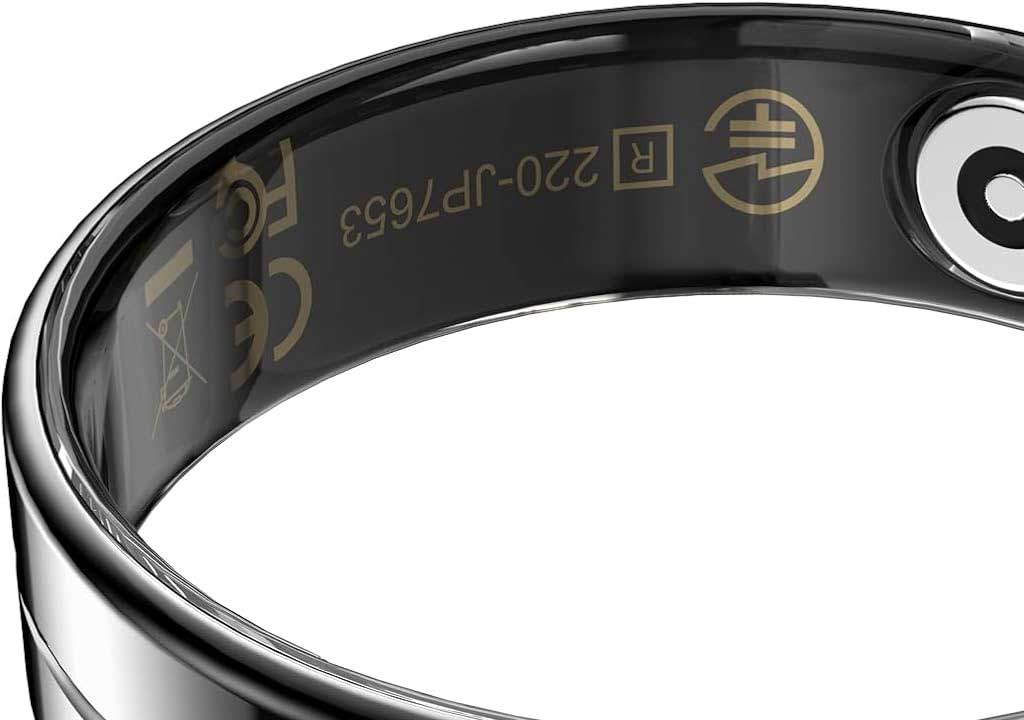
It’s also important to note that sleep stages can be influenced by how you wear the ring, how tightly you sleep, and even the position you sleep in. A snug fit, clean sensors, and minimal movement of the device during the night all contribute to cleaner data. If you’ve recently swapped rings, changed sizes, or switched hands, you might see short-term anomalies as the system recalibrates to your new baseline.
From Numbers to Insight: Interpreting Your Sleep Data
The real value of a smart ring lies in translating numbers into practical, daily decisions. Here are some guiding principles to help you read your data with clarity rather than anxiety:
Look for trends, not perfection. A single night of “poor sleep” can be a fluke—a late dinner, a large caffeinated drink, or a stressful interaction before bed. A two-week pattern is far more informative about your baseline. If your ring shows consistently late bedtimes, shorter deep sleep windows, or more awakenings on workdays, you might be experiencing a genuine pattern rather than a one-off event.
Link sleep to your daytime habits. The ring’s notes about bedtime, wake time, and time in bed can help you test hypotheses: Does exercising earlier or later change your sleep onset? Does delaying caffeine after lunch affect your ability to fall asleep? Do alcohol choices the night before correlate with more awakenings or shallower sleep? Treat the ring as a lab assistant that helps you experiment with your routine.
Distinguish sleep quantity from sleep quality. It’s possible to get eight hours in bed but feel unrested, just as you can sleep seven hours with a higher proportion of deep sleep and feel better rested. Pay attention to breathing patterns and HRV alongside duration. A night of longer sleep with too much wakefulness or an elevated heart rate can be less restorative than a shorter night with more consolidated sleep stages.
Consider circadian alignment. Your body has a natural clock. If you stay up late but wake early, you create a misalignment that can manifest as reduced deep sleep or shallower REM. Observing how your sleep metrics respond to a consistent bedtime, especially with morning light exposure, can reveal your optimal schedule. Some rings note “chronotype-friendly” recommendations, nudging you toward a wake time that aligns with your biology rather than social demands.
Use HRV as a proxy, not a verdict. HRV is sensitive to stress, caffeine, illness, and even hydration. A temporary drop in HRV isn’t a crisis; it’s a signal to check in with your caffeine intake, workout intensity, or evening wind-down routine. Conversely, a rebound in HRV after a period of stress often hints at recovery and improved sleep quality ahead.
Turning Data Into Better Sleep: Practical Tips
Knowledge is powerful, but it becomes transformative when paired with action. Here are practical strategies you can apply, using your ring data as a compass:
Set a consistent bedtime and wake time. Your ring will reward consistency with more stable sleep stages and a clearer baseline. Even on weekends, aim for a similar schedule to reinforce your circadian rhythm. If your data shows your body prefers a 7.5-hour night, honor that window rather than chasing a generic eight-hour target.
Create a pre-sleep ritual. Dim the lights, limit blue light exposure, and wind down with a relaxing activity—reading, gentle stretching, or a warm bath. Your ring’s temperature readings may respond to this, as a cooler room typically facilitates sleep onset. A predictable routine reduces physiological arousal and can improve the quality of the sleep signals your ring captures.
Mind caffeine and alcohol timing. The ring can reveal if caffeine in the afternoon or evening correlates with later bedtimes or shallower sleep. Alcohol may help you fall asleep faster, but it often disrupts deep sleep and REM. If you notice disrupted nights after a drink, consider moving consumption earlier in the day and observe whether deep sleep time improves over the next two weeks.
Optimize your sleeping environment. Temperature, bedding, and noise all influence sleep stages. If your temperature readings suggest you’re warmer or cooler than your body prefers, adjust your room accordingly. Fans or white noise machines can dampen disturbances that your ring might otherwise reflect as micro-awakenings or shifts into lighter sleep stages.
Use movement strategically. Light evening activity can promote sleep pressure, but intense workouts late in the day may elevate heart rate and delay sleep onset for some individuals. Look at your ring data to see how your late exercise session correlates with sleep latency or the proportion of deep sleep. If you notice a pattern, adjust timing or intensity rather than eliminating exercise altogether.
Hydration and meals. Eating too close to bedtime or starting a new hydration pattern can alter body temperature and heart rate dynamics during the night. Use your ring readings to notice any connections between late meals, large dinners, or nighttime thirst and suboptimal sleep metrics the following night.
Bedtime routine for screen users. If you’re constantly tempted to scroll before bed, you might be nudging your ring to interpret rising arousal. A digital curfew, paired with a wind-down routine, can improve sleep efficiency and likely reflect in more stable HRV and fewer awakenings.
Common Myths and Realities About Smart Ring Sleep Data
Mists of novelty surround wearables, and sleep data is no exception. Here are some myths you might encounter and what the data actually says:
Myth: A perfect eight hours means perfect rest. Reality: The number of hours is less important than the quality and the distribution of sleep stages. You can sleep eight hours with lots of awakenings and little deep sleep, or seven hours with robust deep sleep and REM. The ring’s composite metrics help you assess both quantity and quality, but neither alone guarantees restorative sleep.
Myth: If the ring says I slept poorly, I must fix my physiology. Reality: The ring reflects signals that can be influenced by many factors, including environment and stress. Often, small changes in routine yield meaningful improvements. It’s more productive to use the data to test hypotheses than to self-diagnose.
Myth: Sleep data is a source of anxiety. Reality: When used constructively, it’s a tool for empowerment. The ring can highlight patterns such as delayed bedtimes or inconsistent wake times, prompting gentle adjustments rather than guilt or concern. If data triggers worry, set boundaries, focusing on actionable steps and a balanced perspective on nightly variability.
Myth: You need a medical-grade device to understand sleep problems. Reality: For many people, consumer wearables provide enough signal to identify patterns that warrant professional attention. If your ring data repeatedly shows concerning signs—persistent daytime fatigue, loud snoring, breathing pauses, or other alarming symptoms—consult a clinician. The ring can then serve as a data companion to medical evaluation, not a replacement for it.
Privacy, Accuracy, and Realistic Expectations
Every device that collects intimate data carries privacy considerations. Read the privacy policy of your ring’s manufacturer, review how data is stored, shared, and who can access it. If you rely on cloud-based analytics, understand how long data is kept and what controls you have to delete it. You should also feel comfortable with the data lifecycle—whether it’s used to improve algorithms, support product development, or offer personalized insights—without compromising your personal information.
Accuracy matters, but it’s important to set realistic expectations. A ring can provide reliable trends and useful correlations, but it is not a medical device. Some users may find certain measurements—like HRV or sleep-stage estimates—more variable than others, especially during life events that stress the body or when the ring’s fit changes. If you’re training for a sport or dealing with a health condition, use the ring as a supplementary guide and consult healthcare professionals for clinical concerns.
When in doubt, cross-check with your own experience. If your ring reports an unusual dip in deep sleep, but you felt unusually rested after a particularly low-stress day, this discrepancy may be a prompt to look at other signals: mood, energy, appetite, or daytime performance. Sometimes the most valuable insight comes from noticing how you feel in daylight, not just what the numbers say at night.
The Tech Path Ahead: Future Enhancements and Possibilities
The landscape of sleep tracking is evolving rapidly. Several trends promise deeper, more actionable insights in the coming years:
Multi-modal data fusion. Wearables are moving toward integrating more signals—galvanic skin response, skin temperature, hydration indicators, and even micro-myms of respiration—to produce a more nuanced sleep map. The next generation of rings could combine more data streams with lab-grade concepts using AI to estimate sleep stages more precisely for individuals.
Personalized sleep coaching. With more data, devices can tailor suggestions to your unique biology, schedule, and goals. Instead of generic tips, expect customized routines—like precise wind-down timings, hydration reminders, or light exposure recommendations—that reflect your history and preferences.
Context-aware insights. Devices may begin to factor in environmental data (room temperature, humidity, noise levels, light exposure) and daily activity patterns to interpret sleep quality in context. A sleepless night caused by a heat wave could be distinguished from a night with legitimate sleep fragmentation, leading to more targeted guidance.
Sleep as a spectrum, not a series of stages. Some researchers and devices are exploring probabilistic measures of sleep architecture that emphasize recovery and homeostasis rather than rigid stage counting. This approach could provide a more biological view of rest, aligning consumer data with evolving scientific understanding.
Better integration with healthcare. As wearables become more accurate and trusted, data sharing with clinicians could become routine—with clear consent controls—enabling more informed discussions about sleep disorders, prescription timing, or therapy responses outside of lab settings.
Putting It All Together: A Night-by-Night Routine
Here’s a practical framework to maximize the usefulness of your smart ring data without getting overwhelmed by metrics:
1) Establish a baseline. For two to four weeks, track your regular routine and use your ring to understand your natural bedtime, wake time, and typical sleep stages. Don’t overinterpret a single night; look for patterns and deviations from your established baseline.
2) Normalize your environment. Use your ring’s readings and your own perception to optimize temperature, lighting, and noise. If you notice improved sleep metrics when the room is cooler, make a habit of a cooler bedroom during the night and monitor the impact.
3) Align activity with your goals. If your ring indicates suboptimal deep sleep, consider adjusting workout timing to earlier in the day or reducing late-evening intensity. If REM is scarce, examine stress management strategies, as REM rebound can be influenced by mental health and relaxation practices.
4) Create a digital wind-down script. A ritual—low light, breathing exercises, light stretching, and a brief journaling moment—can lower arousal and support smoother sleep onset. Use the ring’s data to see whether your wind-down duration and intensity correlate with better sleep scores in subsequent nights.
5) Track subtle but meaningful changes. When you trial a new routine—like a different bedtime, a temperature tweak, or a caffeine adjustment—watch how quickly your ring reflects the effect. Even modest improvements in HRV or reductions in awakenings can indicate meaningful recovery gains over time.
6) Share your insights, not your insecurities. If sleep data sparks stress or anxiety, step back. Use the ring as a guide, not a judgment. Celebrate small wins—an extra ten minutes of deep sleep or fewer night awakenings—without letting the data erode your self-confidence.
Conclusion: Your Ring as a Personal Sleep Partner
Your smart ring is more than a gadget; it is a private assistant for the most human of endeavors—rest. It translates the rhythms of your body into an accessible story about how you sleep, recover, and prepare for tomorrow. By understanding what the ring measures, how it interprets those signals, and how to translate insights into everyday choices, you can unlock a practical, sustainable path to better nights. It’s not about chasing perfect sleep; it’s about aligning your routines with your unique biology, one night at a time.
As you grow more comfortable with the data, you’ll find that sleep becomes less of a mysterious phenomenon and more of a skill you can cultivate. The ring helps you notice subtle shifts, test hypotheses about what helps or hinders rest, and build a personalized approach that respects your life’s tempo. In this way, sleep insights aren’t just metrics on a screen—they’re a dialogue with your own biology, inviting you to nurture rest as an essential, dynamic practice.
LIKED THIS ARTICLE? SHARE IT: