









Designing for Comfort: The Allure of Fitness Smart Rings

Designing for Comfort: The Allure of Fitness Smart Rings
In the crowded landscape of wearable technology, fitness smart rings occupy a distinctive niche: a piece of jewelry that hides a busy brain of sensors and a serious battery beneath a sleek, almost invisible silhouette. The allure is not just data or metrics; it is comfort that feels like an extension of the hand. The ring must be light enough to forget, rugged enough to survive daily life, and smart enough to deliver insights without demanding constant attention. Designing for comfort is therefore the first and most important design constraint for any fitness ring worth wearing for weeks, not minutes.
For many users, a fitness tracker becomes a trusted companion only when it disappears into routine. They want to know their heart rate, sleep quality, steps, and activity intensity, but they don’t want the device to shout back at them with discomfort, irritation, or a sense of “plugged-in-ness.” The ring has a lower profile than a wristband or a clip-on device, which means every gram, every contour, and every surface texture matters. When comfort is achieved, the ring earns the opportunity to influence behavior over long stretches of time—sleep patterns improve, training consistency rises, and health insights accumulate into meaningful, actionable knowledge. Comfort is not merely a luxury; it’s a design philosophy with real-daily-life consequences.
The comfort imperative in wearables
Why should comfort be such a central focus for fitness rings? Because human beings live with objects for long periods, and the friction between body and device often becomes the decisive factor in whether the device is used consistently or abandoned after a few days. Wrist-worn devices face a constant back-and-forth with clothing, movement, and sweat. Rings, by contrast, sit in a high-friction, moisture-prone environment that never stops changing—the finger swells and returns, temperatures drift with outdoor conditions, and the activity patterns of a day can alter how a ring settles on the skin. Comfort is a moving target, and designers must anticipate dynamic conditions rather than static assumptions.
From a user experience perspective, comfort translates into a reliable form factor that disappears when worn and re-establishes connection with the user’s daily rhythm. It means a ring that does not slip when hands are busy, does not constrict when gripping a dumbbell or a kettle, and does not irritate skin after a long run in humid environments. In practical terms, comfort touches several domains: material selection, thermal behavior, mechanical fit, weight distribution, and the tactile feel of surfaces. The most elegant rings are the ones no one notices until they aren’t there—until you catch yourself reaching for your ring to check your metrics and realize you forgot you’re wearing it at all.
Inside the ring: designing for comfort begins with form
Comfort starts with the ring’s geometry. The outer silhouette should be smooth and continuous, avoiding sharp corners that can dig into the finger during flexion. The inner surface needs to be gently curved, matching common finger contours while avoiding hotspots where skin can macerate or friction can build up. The ring’s cross-section—the way the ring’s profile changes from the outside to the inside—matters as much as the overall size. A low-profile, slightly domed interior often feels warmer and more breathable than a completely flat or hollow interior. Even small changes in the cross-section can alter the way the ring interacts with soft tissue, enabling a comfortable wear for extended periods.
Weight distribution is another subtle yet powerful lever. A ring that concentrates mass near the center of the finger can feel bulky or unbalanced during activities like gripping a smooth bar, climbing a rope, or performing yoga poses that require finger stabilization. Conversely, distributing mass toward the sides or toward the knuckle while keeping the overall mass low can yield a more balanced, neutral feel. The best rings achieve a sense of “invisibility” through even weight distribution and a balanced center of gravity that doesn’t amplify rotation or tilt during movement. In other words, comfort emerges when the ring behaves like a natural extension of the finger, not a foreign object tugging at joints or soft tissue.
Ergonomics: fit, weight, and geometry
Ergonomics for a fitness ring must address a spectrum of hand sizes and shapes. The ring should accommodate varying finger lengths, knuckle heights, and proximal joint conditions without compromising sensor performance. This often means offering multiple sizes with precise tolerances and considering left- and right-hand wearers. A ring that fits perfectly on one hand but binds on the other reduces the perceived comfort and undermines trust in the device. In addition, anthropology matters: people with different ethnicities, bone structures, or ages may experience distinct comfort thresholds. The designer’s task is to create a geometry that is inclusive—one that feels comfortable across a wide range of gestural contexts, from typing on a keyboard to gripping a boulder. It’s not enough to create a smooth interior if the exterior shape forces users into awkward finger postures during daily tasks.
From a production perspective, tolerances matter. If the interior diameter is slightly off, even a tiny difference can cause pressure points for certain users. Precision manufacturing, uniform surface finishes, and consistent radii across the ring’s inner surface help ensure a uniform feel for thousands of units. Tests with real users—including long-wear trials on different finger sizes and activities—are essential to validate the geometry before large-scale production. Comfort cannot be approximated; it must be confirmed through lived experience.
Materials: skin-friendly, thermal properties
Materials choice is one of the most consequential decisions in comfort design. Biocompatibility is not optional—it’s a safety and experience issue. The most common ring materials—titanium, stainless steel, ceramic composites, and certain high-grade polymers—each carry trade-offs in weight, rigidity, thermal conduction, and scratch resistance. Titanium is a favorite for its strength-to-weight ratio and skin-friendly properties, but it can feel cooler to the touch than other metals, which might influence user perception in cold climates. Stainless steel provides a different tactile feel and more pronounced weight, which some users prefer for a sense of “security” on the finger. Ceramic and advanced polymers can reduce weight further and improve surface feel, but may require different finishing and coating strategies to resist wear and maintain hypoallergenic performance over years of use.
Thermal management is often overlooked until the device is in the wild. The ring’s internal heat generation can become noticeable after a few hours of continuous use, especially in high-intensity activities or warm environments. A material combination that distributes heat away from the skin or uses a micro-layer of passive cooling can mitigate heat buildup. Surface finish matters too: a matte, slightly roughened interior can reduce sweating-induced slip, while a polished exterior can feel premium and comfortable against adjacent fingers. Coatings that resist corrosion, skin oils, and sweat contribute to long-term comfort by preserving the ring’s tactile feel and avoiding discoloration or roughening of the surface over time.
Sensor integration without bulk
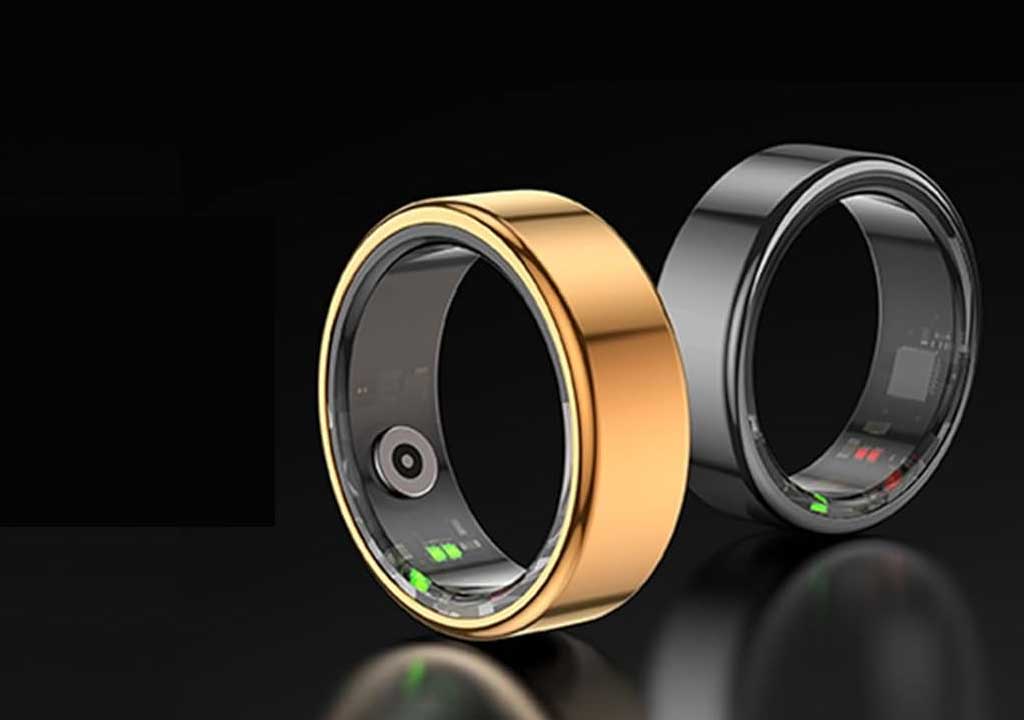
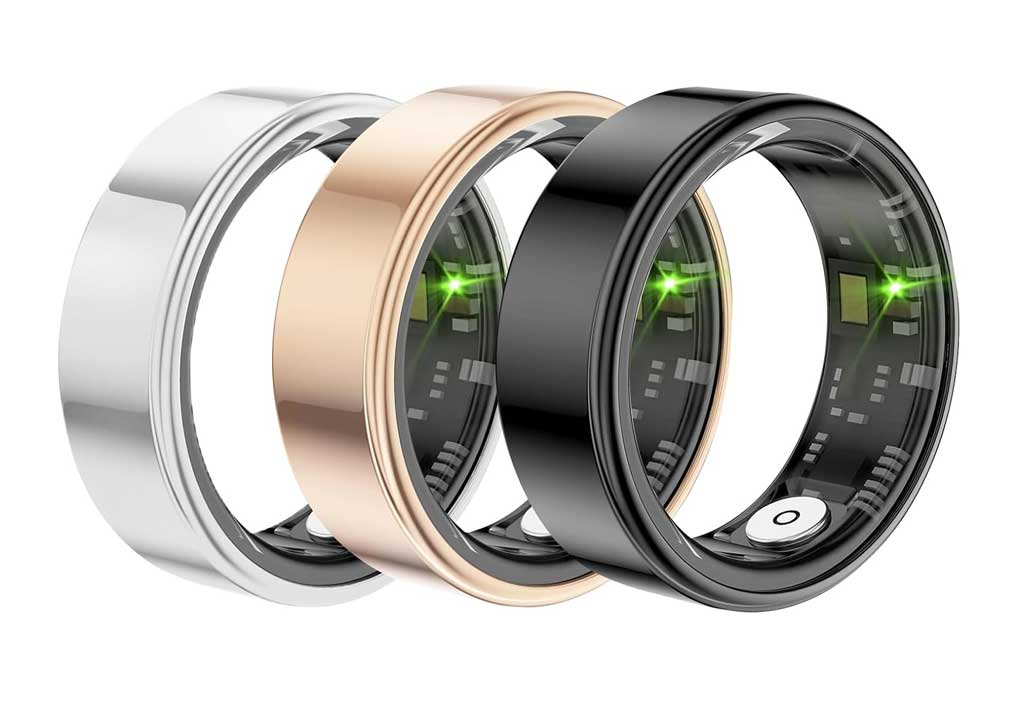
A fitness ring houses sensors that measure heart rate, temperature, sleep signals, motion, and sometimes blood oxygen. The challenge is to pack these sensors into a minimal footprint without creating a “lumpy” feel. The optical heart rate sensors (PPG) are placed on the inside surface so light can reach the skin effectively, but this also means the interior must be pristine, smooth, and non-irritating. The battery and electronics must fit in a way that keeps the ring’s profile slim yet robust enough to withstand daily wear, including accidental taps, knocks, and water exposure. Designers often adopt an enclosed, monolithic structure where the sensor modules nest within a seamless shell, minimizing seams that could trap sweat or snag on fabrics. The result is a ring that feels like a continuous piece of metal or ceramic rather than a modular set of components stuck together. The payoff is a comfortable, reliable experience with fewer points of friction to irritate the skin or snag on clothing.
The user experience: a quiet partner on your finger
Comfort is inseparable from user experience. A ring that sits beautifully on the finger but delivers a clunky or opaque UX falls short. Subtlety, predictability, and respect for user autonomy define the ideal interaction language of a fitness ring. Haptics, notifications, and data presentation must be calibrated to be meaningful yet unobtrusive. Gentle vibrations should translate critical alerts without startling the wearer. Visual indicators—when present—need to harmonize with daily activities rather than demand attention at inopportune moments. The goal is a ring that communicates with the user in a whisper, not a shout, and that respects the wearer’s preference for privacy and quiet reflection during workouts, meetings, or nighttime rest.
Edge cases matter here, too. A ring used while swimming, sweating heavily, or wearing gloves should still maintain a reliable sensor readout. In such cases, design choices like sensor calibration that adapts to moisture, or algorithms that compensate for motion noise, directly improve perceived comfort by reducing false alerts or misleading data. The UX team must test across scenarios—from a hot summer run to a late-night desk workout to a chilly morning hike—ensuring that the ring’s responses feel natural and non-intrusive. A ring that changes its behavior based on detected activity (for example, offering a dimmed notification mode during sleep and a more detailed readout during workouts) can heighten comfort by aligning the device with the wearer’s immediate context.
Durability and battery life: resilience matters
Comfort and durability go hand in hand. A ring that lasts long without frequent charging reduces friction and friction is the enemy of daily wear. Users often accept a slight decrease in battery life in exchange for lighter weight or a more refined aesthetic, but the trade-off must be transparent. A fitness ring should support at least several days of typical usage with mixed activity, sleep tracking, and occasional notifications. When battery life risks requiring daily charging, comfort can be compromised by needing to remove the ring or by the charging cradle becoming an additional daily ritual. The best designs balance energy efficiency with a compact battery that preserves the ring’s slender profile while delivering dependable performance.
Water resistance is another critical factor for comfort in the wild. Sweat, rain, splashes, and submersion during workouts demand a robust seal and rugged internals. Yet moisture resistance should not translate into a bulky exterior or a compromised ring feel. The most successful fitness rings provide reliable ingress protection (IP ratings or equivalent) while maintaining a refined surface and a smooth interior. The ring should feel the same after a shower as it did after a long run—no sticky residue, no roughening of the surface, and no change in fit due to moisture-related swelling of the finger. This requires careful material selection, gasket design, and seal placement that do not intrude on the interior comfort story.
Practical design considerations for manufacturers
For designers and manufacturers, comfort is a multi-disciplinary challenge that touches materials science, mechanical engineering, human factors, software UX, and product testing. A practical design approach begins with defining target user personas that span variations in age, geography, climate, occupation, and activity level. Next comes iterative prototyping with real users, not just lab models, to observe how the ring behaves during a typical day. The following design heuristics emerge from such work:
- Start with a modular, scalable form factor that can be produced in multiple sizes and shapes without redesigning the entire tool chain. A single platform with adjustable interior diameters reduces development risk and accelerates time-to-market.
- Prioritize a low center of gravity and even mass distribution to minimize unintended rotation on the finger during movement. This reduces discomfort and improves accuracy during wear in motion.
- Use biocompatible materials with stable long-term surface finish and coatings that resist corrosion, sweat, and oils. The interior should be smooth and slightly matte to reduce drag against skin and fabric. The exterior can be polished or textured to meet aesthetic goals without compromising comfort.
- Optimize the sensor stack to avoid redundant bulk. A compact, well-integrated sensor suite reduces thickness while preserving accuracy. Consider how the ring sits when finger joints bend and how the interior surface contacts skin under different lighting conditions for optical sensors.
- Implement adaptive software that respects user preferences for privacy and interruptions. Subtle, context-aware modes can improve perceived comfort by reducing unnecessary notifications and tailoring data resolution to the wearer’s activity.
- Plan for durability with a robust, sustainable construction that handles daily wear, cleaning, and occasional impacts without compromising comfort. A well-sealed, scratch-resistant exterior will maintain a consistent feel over time, avoiding sharp corners or roughness that could irritate skin or snag on clothing.
Market and consumer perspectives: inclusive design for everyday life
Comfort is not a luxury; it’s a universal requirement that influences adoption across diverse markets. Consumers in hot and humid climates may experience more sweating and skin sensitivity, while those in cold climates may notice different thermal sensations. People with sensitive skin or metal allergies require extra care in material choice and coating quality. People who wear rings for long workdays or nocturnal sleep sessions demand stability—rings that stay put, do not overheat, and do not provoke rashes or irritation. Inclusive design means offering multiple material options, adjustable sizing, and consistent quality across a range of price points. It also means acknowledging cultural and aesthetic preferences—some users favor minimal, almost architectural rings; others want a ring that nods to tradition with warm metals or intricate finishes. Comfort is a universal language that can bridge these preferences when designers approach it with curiosity, humility, and rigorous testing.
Within the market, the allure of comfort often translates into longer product lifecycles and stronger brand loyalty. When a ring becomes a trusted daily partner, the user’s perception of value shifts away from “a gadget” to “a reliable health companion.” In this light, comfort becomes a differentiator in a crowded field where many devices offer similar metrics. A ring that disappears into the wearer’s life—providing meaningful data without demanding attention—emerges as a preferred tool for health-minded consumers, athletes, and wellness enthusiasts alike.
Case notes: what real rings teach us about comfort
Notable examples in the fitness ring landscape illustrate how comfort is achieved through a combination of materials, form, and software polish. Consider a ring constructed from lightweight titanium with a smooth interior, a slim profile, and a snug, adjustable-fit feel that transfers well across activities. Its sensor assembly is integrated into a seamless exterior, reducing creases and seams that could irritate skin. The software emphasizes quiet, meaningful notifications, and the haptic system delivers gentle cues rather than jolting bursts. The finish resists skin oils and sweat, maintaining a comfortable feel through days of wear and repeated cleaning. In another case, a ring uses a ceramic-like exterior for a premium look while exploring a polymer interior to reduce heat buildup. The result is a featherlight, cool-to-the-touch sensation that remains comfortable during extended wear. These examples are not merely about aesthetics; they demonstrate how careful material science and human-centered design converge to deliver comfort that lasts.
What these case studies teach is simple: comfort is not accidental. It is engineered through careful decisions at every stage—from early concept sketches to final production validation. If a device feels good on the hand, it invites longer wear, better habitual data collection, and more authentic insights into daily health. If it feels awkward, the user will disengage, and the device’s data quality will suffer as a consequence. This is the cycle designers must break: comfort first, then data, then trust.
Future directions: new frontiers in comfort and form
The frontier for fitness rings lies in making comfort even more adaptive, intelligent, and personalized. Advances in flexible electronics and ultra-thin sensors may enable rings that bend slightly with finger movement, distributing stress and maximizing skin contact in a way that preserves comfort across all activities. Shape memory alloys or advanced polymers could allow rings to adjust their internal geometry on demand, providing a custom fit for swelling fingers during workouts or changes in temperature. Energy harvesting mechanisms—tiny solar cells or kinetic charging—could reduce the need for frequent charging, preserving a light footprint and a minimal user burden. In the software realm, on-device AI could tailor metric interpretation to individual baselines, environmental conditions, and daily routines, delivering insights that feel precisely calibrated to a wearer’s life.
Another exciting avenue is modular aesthetics—rings that adjust their appearance without compromising comfort. A wearer could swap in a lightweight titanium core for a more premium finish or switch to a softer polymer sleeve that remains breathable and skin-friendly. The ring would still perform at the same technical level, but the user would have more control over how it feels and looks on the finger. In essence, the future of comfort in fitness rings might hinge not only on how the ring wears but also on how it can be personalized to match context and mood, enabling a stronger emotional connection between the user and the device.
Practical designer’s checklist: designing for comfort in rings
To translate these ideas into concrete outcomes, designers can lean on a simple, practical checklist. It’s not exhaustive, but it provides a clear path from concept to customer hand:
- Define the target comfort profile: weight, interior feel, thermal behavior, and ring balance that will satisfy a broad user base.
- Prioritize skin compatibility and surface finish: choose materials and coatings that minimize irritation, discoloration, and roughness over time.
- Optimize fit for multiple sizes and activities: ensure both interior geometry and exterior shape adapt to swelling, gripping, and dynamic postures.
- Integrate sensors in a way that minimizes bulk while preserving performance: aim for a seamless shell with a high signal-to-noise ratio.
- Design for longevity: durability, water resistance, and easy cleaning support sustained comfort during years of use.
- Craft a user experience that respects quiet or private use: gentle, meaningful cues that can be customized and scheduled according to context.
- Plan for ethical data handling and privacy: users should feel in control of their biometric data, with clear opt-in choices and transparent usage policies.
- Test broadly and iteratively: real-world wear tests across a spectrum of users, environments, and activities reveal comfort pain points that lab tests might miss.
Conclusion: the elegance of comfort in wearable design
Great fitness rings achieve something deceptively simple: they disappear into your life while still delivering a chorus of meaningful insights. The comfort they offer is the platform on which durable engagement is built. It’s the difference between a device you occasionally notice and a device you rely on—quietly, consistently, and securely—every day. When designers center comfort—from geometry and materials to ergonomics and user experience—the result is not merely a gadget that tracks metrics. It’s a cooperative partner in health, a small circle that fits your world so naturally that you forget it’s there until the data speaks to you with clarity, precision, and trust.
As technology advances, the truth about fitness rings will continue to reveal itself: comfort is the most persuasive feature a wearable can offer, because it is the one metric that isn’t easily quantified yet governs all others. The most successful rings will be the ones that feel like jewelry first and innards second—every edge softened, every surface gentle, every interaction almost invisible. In that quiet space between form and function, the allure of the fitness smart ring grows stronger: not because it shouts about every data point, but because it earns a place on the finger, day after day, as a trusted companion on the journey to better health.
LIKED THIS ARTICLE? SHARE IT: