










A Practical Guide to Choosing a Smart Ring for Wellness Insights

A Practical Guide to Choosing a Smart Ring for Wellness Insights
Smart rings have moved well beyond novelty. They promise a convenient, discreet way to monitor your body’s signals and translate them into actionable wellness insights. If you’re exploring a smart ring for better sleep, stress management, activity levels, or overall health awareness, this guide will walk you through the practical considerations, the pros and cons, and a clear framework for choosing a device that fits your life.
From sensor quality and data accuracy to comfort, battery life, privacy, and app experience, there are many factors that matter. Read on to understand how to compare devices, what to expect in real-world use, and how to avoid common pitfalls when adopting a ring-based wellness tracker.
What is a smart ring, and why wellness insights matter
A smart ring is a compact wearable worn on the finger that combines sensors, microprocessors, and wireless connectivity to measure physiological signals. Typical sensors include heart rate, skin temperature, blood oxygen saturation (SpO2), movement via accelerometers, and sometimes galvanic skin response. Some rings also attempt heart rate variability (HRV) estimates and sleep staging, while others aim to infer activity intensity or stress levels.
The beauty of a ring form factor lies in its familiarity and subtlety. Unlike bulky wristbands or chest straps, a ring stays in place around the clock, potentially capturing more continuous data without drawing attention. The downside can be a smaller sensor surface, which can affect accuracy and battery life. As with any wearable, the real value comes from how you interpret the data and how you integrate it into daily habits.
Key wellness metrics smart rings commonly track
While models differ, most smart rings focus on several core wellness signals. Understanding what each metric tells you—and what it does not—helps you set realistic expectations.
Heart rate and heart rate variability (HRV): Continuous heart rate data provides a window into cardiovascular demand, recovery, and autonomic nervous system balance. HRV is a measure of the variation in time between consecutive heartbeats and is often marketed as a proxy for stress and recovery status. In practice, HRV can be affected by sleep, caffeine, illness, and even ambient temperature. Do not read it as a sole predictor of health; use it as one data point among many.
Sleep stages and sleep quality: Rings that track sleep attempt to classify light, deep, and REM sleep, along with sleep duration and interruptions. The algorithms behind sleep staging vary in accuracy, and movements during sleep can influence readings. The most useful takeaways are general patterns—whether you’re getting consistent sleep, waking energy levels, and how lifestyle changes affect sleep duration and perceived restfulness.
Activity and steps: Most rings count steps, active minutes, and occasionally calorie burn. Because rings sit on a finger, they can be quite sensitive to arm movements that aren’t meaningful exercise. It’s important to look at trends over days and weeks rather than isolated daily totals.
SpO2 and temperature trends: Some rings monitor blood oxygen saturation and skin temperature. SpO2 can be useful for detecting overnight breathing irregularities or illness onset. Temperature trends can reflect circadian patterns and inflammatory responses. These signals are supplementary and should be interpreted with caution, especially if you have a medical condition that requires monitoring.
Stress and recovery indicators: A growing subset of rings combines HRV, heart rate, sleep, and activity data to estimate recovery status or stress levels. Remember that “stress” here is a biomarker signal, not a judgment about your life circumstances. Use it as a pointer for when to adjust routines, not as a verdict of your well-being.
How to interpret the data from a smart ring
Data interpretation is where many users either gain insight or feel overwhelmed. A few practical principles help you derive value without chasing perfection.
Look for trends, not daily precision: Individual readings can fluctuate due to hydration, caffeine, screen time, or placement. Focus on weekly or monthly patterns to understand how your habits shape your metrics.
Cross-validate with your own experience: If your ring indicates elevated heart rate and you feel energized, you may have had a vigorous workout or a caffeine boost. If numbers don’t align with how you feel, reassess: maybe the device needs charging, or you slept poorly, or you simply had an occasional physiological variation.
Context matters: Metrics gain meaning when connected to your routine. For example, HRV trends during sleep can inform recovery strategies, but only if you’re consistent with bedtime, workouts, and stress management practices.
Beware over-interpretation: Some rings may claim medical-grade accuracy. Most consumer wearables are designed to provide wellness signals, not clinical diagnoses. If you have a health concern, consult a clinician and use ring data as supplementary information rather than a replacement for medical advice.
What to look for when choosing a smart ring
Choosing a smart ring is about balancing accuracy, comfort, and ecosystem compatibility with your lifestyle. The following criteria help create a practical decision framework.
Accuracy and sensor quality
Sensor quality matters more than the size of the ring. Look for devices that publish their sensor specs (e.g., photoplethysmography for heart rate, algorithms for HRV) and provide independent validation or credible third-party testing. Consider how often the device recalibrates, whether measurements are continuous or intermittent, and how the ring handles motion noise during daily activities. In practice, you want a ring that maintains reasonable heart rate tracking during sleep, HRV estimates that align with your typical recovery patterns, and stable sleep staging across multiple nights.
Sleep tracking features
Good sleep insights come from robust data and thoughtful interpretation. Look for rings that offer sleep staging, sleep duration, awakenings, and a simple night-by-night narrative. Some rings also provide sleep quality scores or actionable suggestions (e.g., “earlier bedtime helped improve sleep efficiency”). However, check whether the app explains the basis for these suggestions and whether you can customize the level of detail you receive.
HRV, stress monitoring, and recovery insights
HRV data can be a valuable lens on recovery and stress, but reliability varies. Prefer rings that present HRV in a way that’s easy to track over time (e.g., a rolling 7- or 14-day view) and that explain the limits of measurement. If a ring offers stress or resilience scores, assess how transparent the scoring is and whether the metric feels actionable rather than simply marketable.
Activity tracking and daily usability
Consider how the ring translates activity into insights. Does it distinguish between light activity and deliberate workouts? Can you export data to a health platform you already use? Some rings provide motivation features like goal setting, gentle reminders, or integration with meditation apps. If you rely on activity rings to structure your day, ensure the data export and integration quality meet your needs.
Comfort, fit, and materials
The ring should feel comfortable for long wear, including overnight use. Look for sizes, adjustable fit options, and smooth edges that won’t irritate the skin. Materials matter if you have metal allergies or sensitivity to coatings. Consider whether the ring is comfortable during sleep, gym sessions, and daily tasks, and whether it leaves room for finger swelling at different times of day or month.
Battery life and charging experience
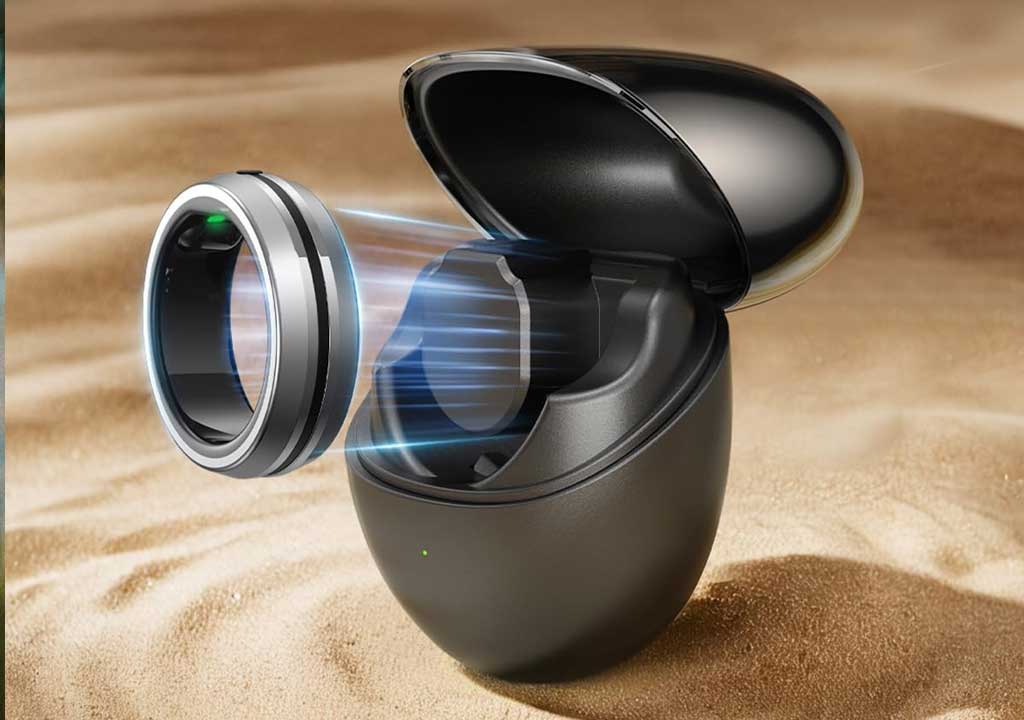
Battery life ranges from a couple of days to a week depending on features and sensor usage. Evaluate how long you typically wear the ring, how often you’re willing to charge, and how easy the charging method is (magnetic dock, wireless charging, etc.). A longer battery life reduces the friction of daily use, but charging convenience also matters—especially if you’re traveling.
App ecosystem, data visualization, and export options
A well-designed companion app makes sense of data and translates it into practical steps. Look for clear dashboards, trend charts, and the ability to annotate data (e.g., noting caffeine intake, workouts, or travel). Check whether you can export raw data or integrate with other health platforms (Apple Health, Google Fit, or Strava, for example). An intuitive interface can significantly boost your motivation and adherence.
Privacy, security, and data ownership
Privacy is essential with any wearable that collects personal physiological data. Review the company’s privacy policy for data collection, storage, retention, and whether data is shared with third parties. Consider opt-in controls for data sharing with researchers, advertisers, or insurers, and verify who owns the data. If possible, choose a device that allows you to download or delete your data—and gives you clear information about how long data is retained.
Compatibility and integration with your devices
Ensure the ring works with your smartphone and preferred ecosystem. Some rings have limited compatibility with certain operating systems or require specific app versions. If you rely on smart home devices or health platforms, check for compatibility and data sync reliability across services you already use.
Durability, water resistance, and care
Consider how well the ring stands up to daily wear, sweating during workouts, or incidental exposure to water. Most rings offer at least some water resistance, but you should confirm whether you can wear it in showers, pools, or while washing dishes. Also check cleaning recommendations, as rings can accumulate skin oils and sweat that affect sensor performance over time.
Warranty, customer support, and price
Price is a practical constraint, but also consider warranty length, return policies, and the quality of customer support. A higher-priced ring may offer longer support, better software updates, or more robust data privacy assurances. Read user reviews to gauge real-world reliability and support responsiveness beyond marketing claims.
How to test and compare devices before you buy
Hands-on evaluation saves you from buying into marketing hype. If possible, try to test a ring in a store, or buy from retailers with a solid return policy so you can assess fit, comfort, and how the data aligns with your experiences at home. Use a structured checklist during trials:
Fit and feel: Wear the ring on the expected finger for a full day, including nighttime wear if you plan to sleep with it. Check for skin irritation, warmth, or any pinch points that could worsen over hours of wear.
Yes to comfort, no to intrusion: Ensure the ring doesn’t snag on clothing, feels secure during activities, and remains comfortable in different climates.
Data sanity test: Compare one week of data against your own logs: sleep logs, workout sessions, rest days, and subjective energy levels. Do the trends make sense? Are there obvious outliers or weekends with inconsistent readings?
App experience: Assess the app’s clarity, speed, and ease of navigation. Can you quickly locate your sleep data, HRV trends, and activity summaries? Is there a clear path to export data if you need it for a clinician or coach?
Privacy settings: Explore the privacy controls during setup. Are you prompted to authorize data sharing, and can you disable it later without friction?
Support and updates: Check how frequently software updates occur and how the company communicates changes that affect data interpretation, battery life, or device compatibility.
Practical tips for getting the most out of your smart ring
Once you own a smart ring, you’ll want practical habits to maximize its value while protecting your privacy and ensuring your data remains meaningful.
Establish a routine for calibration and baseline data: Spend the first 1–2 weeks focusing on consistent sleep and waking times, regular meals, and a stable exercise pattern. This helps the ring establish meaningful baselines for HRV, sleep, and activity.
Annotate key lifestyle events: Use the app to log factors such as travel, caffeine or alcohol intake, illnesses, or changes in exercise. This makes it easier to interpret fluctuations in metrics over time.
Keep charging discipline simple: Decide on a consistent charging window (e.g., every other night or during work hours) so you never lose a beat. If you travel, bring the charger and reserve time to top up.
Synchronize with a broader health picture: If you use Apple Health, Google Fit, or similar ecosystems, enable secure data sharing where appropriate. Let the ring contribute to your overall health view rather than a siloed dataset.
Guard your privacy: Review app permissions regularly. Disable data sharing with third parties unless you truly want it. Use strong, unique passwords and enable two-factor authentication where possible.
Be realistic about outcomes: Use the insights as prompts for behavior change—consistent bedtimes, stress reduction practices, and mindful movement—rather than as a guarantee of a specific health result.
Common myths and misconceptions
Smart rings are fascinating, but myths can cloud expectations. Here are a few to dispel as you evaluate devices.
Myth: The ring provides medical-grade diagnosis.
Reality: Most consumer smart rings offer wellness signals and trend data, not clinical diagnoses. If you have medical concerns, consult a healthcare professional and use ring data as a supplementary perspective.
Myth: You’ll get perfect sleep data every night.
Reality: Sleep staging algorithms are imperfect and can be influenced by movement, lighting, and comfort. Look for consistency in general sleep patterns rather than exact stage labeling.
Myth: More sensors equal better accuracy.
Reality: More sensors can improve data richness, but calibration, software, and user context matter a lot. A well-tuned set of sensors with robust algorithms may outperform a larger sensor array in real-world use.
Myth: Data privacy isn’t a concern because it’s just wellness data.
Reality: Even wellness data can reveal sensitive patterns about health, routines, and locations. Always review privacy policies and opt-in controls.
Maintaining your smart ring for long-term use
To keep your ring accurate and comfortable, follow these maintenance practices:
Regular cleaning: Wipe the sensor areas with a soft cloth and avoid harsh cleaners that could degrade coatings. If your ring collects oils and sweat, clean it weekly or as needed.
Monitor fit as circumstances change: Fingers can swell in heat or with hydration changes. If the ring starts feeling tight or loose, consider adjusting size or trying a different finger.
Software updates: Keep the ring’s firmware and companion app up to date. Updates can improve accuracy, battery efficiency, and security.
Replace batteries or rings as recommended: Some rings are designed to be upgraded after a certain period. If your device shows diminishing battery life or sensor drift, follow manufacturer guidance for replacement.
Privacy and data security considerations
Wellness data is personal. Here are concrete steps to protect yourself while still enjoying the benefits of a smart ring:
Understand data flows: Know what data is collected, where it’s stored, and who has access. If the company offers a data export, try it to see what you can retrieve.
Control data sharing: Enable opt-in sharing for research or third-party integrations only if you’re comfortable. Disable sharing with advertisers or marketing partners unless you explicitly want the benefits of personalized content.
Choose strong authentication: Use two-factor authentication for the companion app, and avoid using simple or reused passwords.
Review retention policies: Some services retain data long-term or in de-identified forms. If you’d prefer shorter retention, look for options to limit storage or delete data.
FAQ: Common questions about smart rings for wellness
Q: Can a smart ring replace a sleep study? A: No. A ring can provide useful trends and screening clues, but it is not a substitute for clinical sleep testing. If you have significant sleep concerns, consult a healthcare professional.
Q: How accurate are HRV measurements on rings? A: HRV readings from rings can be informative for trends, but the absolute values may differ from electrocardiogram (ECG) systems. Use HRV as a comparative metric over time rather than an exact physiological snapshot.
Q: Are smart rings suitable for all skin tones? A: Sensor performance can vary with skin tone and ambient lighting. Reputable brands publish validation data and strive to minimize bias, but individual results may vary. If you notice consistently poor readings on your skin tone, try a different model or finger, and check for software calibration options.
Q: Can I wear a smart ring if I have a medical condition? A: Many people wear smart rings with conditions like sleep apnea, anxiety, or diabetes for general wellness trends. However, rings are not medical devices, and you should follow medical advice for condition-specific monitoring. Inform your clinician about any wearables you use.
Conclusion: Making an informed choice that fits your life
A smart ring can be a powerful companion on a journey toward better wellness, provided you choose a model that aligns with your data needs, lifestyle, and privacy expectations. Start by clarifying what you want to learn—sleep quality, recovery status, activity patterns, or stress management—and then map those goals to the metrics a ring provides. Prioritize comfort and battery life for sustainable daily wear, and place equal emphasis on a clear, trustworthy app experience that helps you translate numbers into meaningful actions.
Remember that data is most valuable when it informs better habits: a consistent bedtime, a mindful 10-minute breathing practice, a longer walk after meals, and hydration reminders that fit your routine. The ring should be a quiet partner—reliable enough to notice changes, simple enough not to distract you, and respectful of your privacy. With these ideas in mind, you’ll be well positioned to choose a smart ring that supports your wellness goals without becoming another source of noise or distraction.
LIKED THIS ARTICLE? SHARE IT: