










The Rise of Smart Rings in Fitness and Activity Tracking

The Rise of Smart Rings in Fitness and Activity Tracking
In the long arc of wearable technology, the ring has emerged from the shadows of novelty to become a credible, data-driven companion for fitness, health, and everyday activity. Once dominated by wrist-mounted devices, the world of wearables now includes sleek rings that pack a surprising amount of sensing power into a small, finger-sized form. The rise of smart rings reflects a simple but powerful idea: people move differently when they’re wearing a ring versus a bulky wristband, and the ring offers an often more accurate, more comfortable, and more discreet way to monitor the body around the clock. This article explores why smart rings have captured athletes, hobbyists, and wellness-minded consumers alike, how these devices work, what they measure, and what the next decade might bring to this fast-evolving niche.
From Wrist to Ring: A Shift in Wearable Design
Wearable design has long wrestled with a basic tension: deliver meaningful sensors without sacrificing comfort or style. Wrist-based devices popularized activity tracking, heart rate monitoring, and sleep analysis, but for many users, constant visibility and the feeling of being tethered to a device can be fatiguing. Smart rings address these concerns in several ways.
First, the ring is inherently low-profile. Worn on the finger rather than the wrist, it sits in closer proximity to arteries at the base of the hand, enabling robust photoplethysmography (PPG) signals with less motion interference in many activities. Second, its form factor is less intrusive during sleep, workouts, and daily life. A ring doesn’t get in the way when you type, hold a dumbbell, or practice a yoga pose, and it can stay on during showers, runs, and commutes with minimal fuss. Third, fashion matters. Consumers increasingly want devices that blend with their personal style, and rings—often crafted in titanium, ceramic, or even precious metals—offer a much broader range of aesthetics than traditional wearable bands.
This combination of comfort, convenience, and style has helped smart rings carve out a distinct niche. They may not replace all functions of a chest-worn monitor or a tough, multi-sensor wristband, but they excel at continuous, day-and-night data collection with a whisper-quiet user experience. As software ecosystems mature and battery tech improves, rings are becoming a more seriously adopted pillar in fitness tracking rather than a niche gadget.
How Smart Rings Work
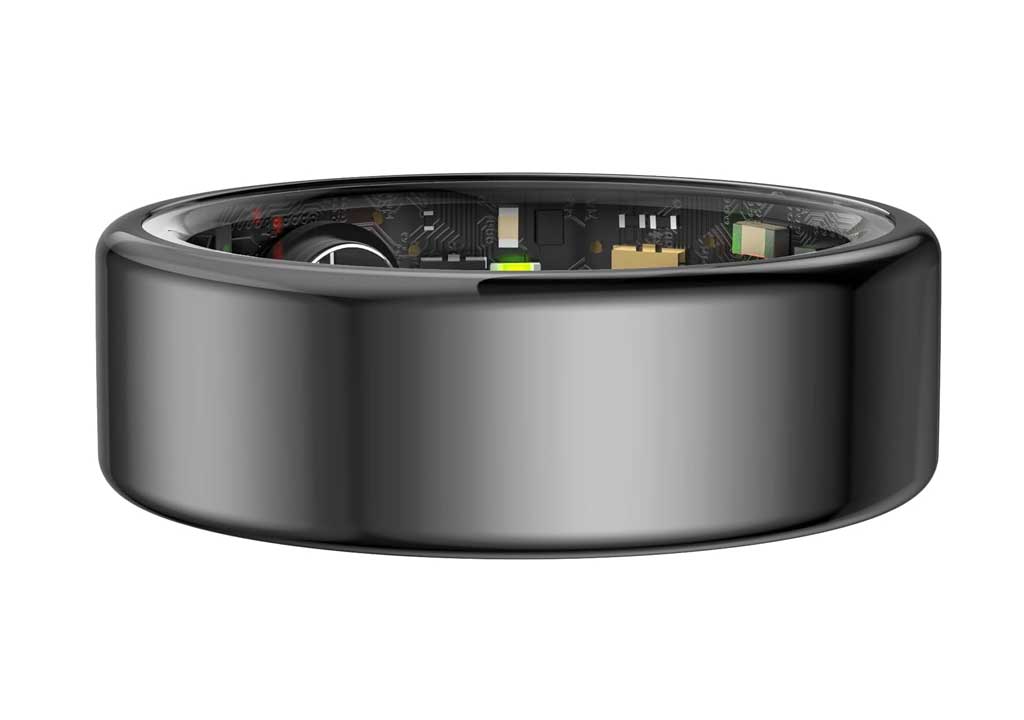
Despite their small size, smart rings rely on a carefully orchestrated suite of sensors and hardware. At the heart of most rings are a few core components: a photoplethysmography (PPG) sensor to measure heart activity, an accelerometer to gauge movement and activity, a temperature sensor, and a rechargeable battery paired with a wireless charging system. Some models add an SpO2 (blood oxygen) sensor and skin temperature sensors, expanding the range of signals available to users and researchers.
PPG works by shining light into the skin and measuring how much light is reflected back. The slight changes in blood volume with each heartbeat affect light absorption, producing a waveform that can be translated into heart rate. In many smart rings, multiple LEDs (often in different wavelengths) and a photodiode live behind the ring’s sensors, delivering a heart rate signal with excellent comfort and consistent skin contact.
The accelerometer captures motion in three axes, helping to classify activity (standing, walking, running, or resting) and to infer intensity. Temperature sensors track skin temperature trends, which—when analyzed over time—contribute to sleep staging and recovery estimates. Some rings also attempt to infer core body signals indirectly from peripheral measurements, providing a more nuanced view of recovery and stress levels.
All of these signals are processed by on-device microprocessors and then uploaded to a paired app via Bluetooth Low Energy. On-device processing allows for rapid feedback like sleep detection or activity summaries, but most advanced analytics—such as HRV (heart rate variability), overnight recovery scores, and long-term trends—are computed in the cloud or on the phone using historical data and machine learning models.
Battery life is a critical factor for rings. Most models deliver several days of typical use (often 3–7 days depending on sensor load and battery capacity) before requiring a recharge. Magnetic charging docks or wireless charging pucks are common, and many users appreciate a “set-it-and-forget-it” cadence that reduces the friction of daily charging.
What They Measure and Why It Matters
Smart rings collect a rich set of signals that matter to fitness and health—often with a higher degree of consistency than wrist-worn devices for certain metrics. Here are the core measurements that have become central to the ring-based experience.
- Heart rate (HR): The most basic metric, used to gauge exercise intensity, baseline fitness, and daily exertion. Rings can track continuous HR and provide resting HR values, which are useful for spotting fatigue or overtraining.
- Heart rate variability (HRV): A more nuanced signal that reflects autonomic nervous system balance and recovery status. HRV typically requires precise beat-to-beat interval data, which rings can provide through high-quality PPG processing. For athletes, HRV trends help tailor training loads after hard sessions or travel.
- Sleep and sleep stages: Most smart rings attempt to classify sleep into light, deep, and REM stages using a combination of HR, HRV, movement, and temperature. Sleep quality and duration are linked to performance, mood, metabolism, and long-term health, making sleep insights a key value proposition.
- SpO2 (blood oxygen saturation): Some rings measure SpO2 continuously or during sleep to detect hypoventilation, altitude adaptation, or potential sleep-disordered breathing. While not a substitute for medical devices, SpO2 trends can provide useful context for training readiness and overall health.
- Temperature trends: Skin temperature dynamics, especially when viewed as a rate of change over days or weeks, can reflect circadian rhythm shifts, illness onset, or improving recovery states.
- Activity and energy expenditure: Step counts, active minutes, and calories burned are standard metrics. The accuracy of steps and intensity estimates can vary with ring fit and the type of movement, but the form factor tends to capture low-to-moderate intensity activity with good fidelity.
- Recovery and readiness indices: By combining HR, HRV, sleep metrics, and activity data, many ring ecosystems produce composite scores that aim to reflect a user’s readiness for training, the need for recovery, and overall daily strain.
Understanding these measurements in concert—rather than in isolation—helps users interpret what the data is saying about their body, training response, and lifestyle. It also highlights the ring’s strength: it can provide a continuous, multi-night narrative about sleep and recovery without requiring a particular workout to retrieve insights.
Benefits of Smart Rings for Fitness Enthusiasts
The practical benefits of smart rings in fitness contexts are broad. They’re not just about collecting data; they’re about turning data into actionable habits, personalized training, and better self-awareness.
- Continuous, unobtrusive monitoring: The ring is always on, so you get a more complete picture of your daily energy expenditure, sleep, and recovery than you might from occasional spot-checks. This can reveal patterns that are easy to miss when you only measure during workouts.
- Improved sleep insights: Sleep is a cornerstone of athletic performance and health. Rings that track sleep with minimal disruption can reveal circadian misalignments, inconsistent sleep timing, or environmental factors affecting rest.
- Enhanced recovery planning: HRV and night-time data empower a data-driven approach to training. By seeing how recovery metrics respond to different training loads, sleep quality, and stress, athletes can tailor sessions to their current state rather than following a one-size-fits-all plan.
- Comfort and consistency during workouts: For some activities—like swimming, resistance training, or yoga—the ring’s subtle presence can reduce data gaps caused by wrist-worn devices slipping, rubbing, or being uncomfortable.
- Style and discretion: The ring’s appearance makes it easier to wear all day and into the night, including work and social occasions, without looking like a typical sport gadget. This can encourage longer-term adherence to monitoring regimes.
- Longitudinal health signals: Over months, ring data can reveal trends in resting heart rate, HRV, body temperature, and sleep architecture that might prompt lifestyle or training adjustments, potentially supporting better performance and well-being.
Smart Rings vs Other Wearables: Where They Shine and Where They Don’t
No single device is the best at everything. Smart rings offer compelling advantages in certain contexts, while wristbands, chest straps, or smart watches may exceed in others.
- Strengths of rings:
• Continuous, unobtrusive data collection with a comfortable day-and-night wear experience.
• Better data quality for some signals when measured peripherally near the finger, with less slippage and more stable readings during certain activities.
• Strong fashion-forward design that encourages consistent wearing.
- Limitations of rings:
• Some rings may be less accurate during high-intensity activities or rapid, dynamic movements where motion artifacts can affect PPG signals.
• Battery life can be shorter than expected during heavy use of multiple sensors, and charging requires dedicated time.
• Not every feature available on a flagship wrist-worn device is present on a ring, especially features relying on sensors beyond PPG, such as certain GPS functionalities (which rings typically lack) or extensive on-device mapping for workouts.
- When to choose a ring vs a wrist device:
If your priority is subtlety, sleep accuracy, recovery insight, and consistent day-and-night wear, a smart ring can be an excellent choice. If you require precise GPS tracking, bright display-based feedback during workouts, or advanced on-device workout analytics, a wrist-worn device or chest strap setup might be the better fit.
Design, Materials, and Comfort
A defining feature of smart rings is their obsession with design. Manufacturers experiment with materials such as titanium, stainless steel, ceramic composites, and even gold-plated finishes to balance durability, weight, and aesthetics. Sizing is crucial: a ring that fits loosely can drift, degrade sensor readings, and fall out of water or during vigorous movement; a ring that’s too tight can impede circulation or become uncomfortable after hours of wear.
Durability matters too. Water resistance is standard in most models, enabling wear in rain, showers, and swimming. Materials like titanium offer a strong blend of strength and lightness, while ceramic rings deliver a distinctive, premium look. The internal sensor array is engineered to fit within a compact housing that sits at the base of the finger, with careful calibration to account for skin tone, finger circumference, and ambient temperature.
Beyond hardware, the software experience is a major part of the design story. User interfaces in the companion apps are typically clean, focusing on daily and weekly trends, sleep graphs, HRV charts, and recovery prompts. The best experiences present recommended next steps—whether it’s a lighter training day after signs of overreaching or an emphasis on a wind-down routine to improve sleep quality.
Sleep, Recovery, and circadian Rhythm
Sleep tracking is a standout area where rings have gained credibility. By integrating HR, HRV, movement, and temperature data, rings can estimate sleep stages and overall sleep quality. For athletes, the implications are significant: consistent, high-quality sleep correlates with improved reaction time, memory consolidation, and training adaptation.
Recovery insights are closely tied to HRV and sleep metrics. A rising HRV over several days may signal improved recovery, while a lowered HRV could indicate fatigue, stress, or inadequate sleep. Recovery scores synthesized from multiple signals provide a practical, lightweight way to decide between pushing through a tough workout, dialing back, or prioritizing rest.
Of course, sleep signals can be noisy and influenced by factors such as caffeine intake, travel across time zones, or environmental stressors. As with any consumer-grade monitoring device, it’s wise to use sleep and recovery data as a guide rather than a deterministic predictor. The best practice is to look for consistent trends over weeks and to combine ring-derived insights with subjective measures like perceived exertion and mood.
Sports and Training: How Rings Support Performance
For athletes, data is a tool for optimization, not a verdict. Smart rings contribute to training planning, injury prevention, and performance tuning in several practical ways.
- Training load management: By tracking daily activity, HR, and HRV, rings help athletes balance stress and recovery. An elevated resting heart rate combined with lower HRV and poor sleep can signal the need for rest or lighter sessions.
- Intensity distribution and periodization: Rings enable long-term monitoring that supports coarse to fine adjustments in training blocks. Coaches and athletes may correlate HRV and sleep quality with different phases of a training plan, optimizing heavy and light days.
- Early warning signs: Subtle shifts in HRV, sleep continuity, or overnight temperature trends can flag impending fatigue or overtraining before it shows up in performance metrics or mood.
- Recovery strategies: HRV-informed insights can guide recovery modalities—such as active recovery, mobility work, or deliberate diaphragmatic breathing sessions that support autonomic balance.
- Altitude and oxygen considerations: For endurance athletes or climbers, SpO2 data and sleep quality at altitude can help gauge acclimatization progress and readiness for high-altitude training, though this should not replace medical guidance in extreme conditions.
Privacy, Security, and Data Ownership
As with any connected health device, smart rings raise questions about privacy, data ownership, and portability. Rings collect sensitive biometric data, including heart rates, sleep patterns, and activity levels. Most manufacturers implement standard protections: encrypted data transmission, user-consent frameworks, and terms that govern data sharing with third parties or researchers.
Users should examine app permissions, data export options, and options to delete data. In some cases, data can be shared with fitness platforms, trainers, or health apps. If privacy is a priority, look for rings and ecosystems that emphasize local processing, transparent data practices, and clear controls over how data is used and monetized.
Regulatory status varies by region. In many markets, consumer fitness devices sit in a gray area between wellness products and medical devices. While rings can provide meaningful health indicators, they are not a substitute for medical diagnosis or treatment. Users should consult healthcare professionals for warnings about symptoms or conditions that require medical attention.
Market Trends and Adoption
The smart ring segment has evolved rapidly over the past few years. The most prominent pioneer in consumer smart rings, a company that popularized ring-based sleep and activity tracking, helped bring the concept into mainstream conversations. Since then, a handful of competitors have emerged, offering different sensor configurations, materials, and software ecosystems. Price points typically range from a few hundred dollars to just under that for premium, fashion-forward variants, with ongoing subscription components for advanced analytics and cloud storage.
Adoption drivers include:
- Convenience and non-intrusiveness: Users who find wrist devices bothersome or who want to wear a device to bed without discomfort are drawn to rings.
- Data-driven fitness culture: More people are treating wellness data as a daily habit, not just a workout add-on. The ring’s ability to capture a near-continuous data stream supports this trend.
- Fashion-forward wearables: The growing emphasis on stylish, premium materials makes rings more appealing to a broader audience, including professionals who may be skeptical of overt fitness tech.
- Ecosystem completeness: As rings integrate with popular health and fitness platforms, users can unify data from multiple devices to form a more complete health portrait.
Challenges and Limitations
Despite rapid progress, smart rings face several challenges that shape their adoption trajectory.
- Sensor accuracy and motion sensitivity: PPG-based measurements are susceptible to motion artifacts and lighting conditions. While algorithms mitigate many artifacts, high-intensity workouts or unusual finger positions can affect data quality.
- Battery constraints: While several days of use are possible, rings still require regular charging. For power users who train multiple times per day, charging frequency can become a logistics consideration.
- Fit and sizing variability: Since rings are highly dependent on fit, sizing accuracy is crucial. Users with finger swelling, temperature changes, or jewelry preferences may need to adjust size or switch models.
- Limited raw data access: Some platforms limit access to raw signals or detailed sensor data, which can frustrate researchers or enthusiasts who want deeper analysis.
- Price and value proposition: While rings offer convenience, the cost can be nontrivial. Buyers weigh the incremental value against more established devices they already own.
The Future: What Comes Next for Smart Rings
Looking ahead, several trends are likely to shape the next era of smart rings in fitness and health.
- Deeper personalization: Advanced machine learning models will tailor insights to an individual’s physiology, schedule, and goals, delivering dynamic training plans and more precise recovery recommendations.
- Expanded multi-sensor integration: We’ll see more rings with diverse sensor suites (for example, improved SpO2, skin temperature mapping, or micro-EMG signals) to provide richer analyses of performance and fatigue.
- Open ecosystems and data portability: Greater interoperability across platforms will enable athletes to assemble a holistic health stack—ring data integrated with GPS devices, chest straps, or lab results—without friction.
- Context-aware coaching: Smart rings will increasingly serve as real-time, context-aware coaches that adjust workouts based on sleep debt, circadian alignment, and daily stressors. Expect prompts that blend physiology with behavioral nudges to improve adherence.
- Accessibility and inclusivity: As hardware costs decline and materials improve, more people will access accurate fitness tracking through rings. This could broaden participation in endurance training, sleep optimization, and preventive health behavior.
- Safety and ethics: With richer data comes greater responsibility. Manufacturers may adopt stronger privacy protections, clearer opt-in models for data sharing, and transparent notices about how insights are used for marketing or third-party partnerships.
Getting Started: How to Choose a Smart Ring for Fitness
If you’re considering adding a smart ring to your fitness toolkit, here are practical guidelines to help you decide.
- Define your primary goals: Are you chasing better sleep insights, recovery optimization, or training readiness? Rings excel in sleep and recovery analytics, while you may still want a wrist device for GPS-based workouts.
- Check sensor set and metrics: Review which sensors are included (HR, HRV, SpO2, temperature) and which metrics you care about most. Some rings emphasize sleep, others emphasize overall recovery.
- Try the fit: If possible, try rings in various sizes and ensure the fit is comfortable for all-day wear, including nighttime. A ring that is too loose or too tight can degrade signal quality and comfort.
- Consider the ecosystem: Look at the companion app’s user experience, data visualization, and ability to export data or sync with other services you already use (like a health platform, running app, or coaching service).
- Budget for ongoing costs: Some rings require subscription plans for premium analytics or cloud storage. Make sure you factor these into the total cost of ownership.
Conclusion: A Small Device with Big Impacts
Smart rings are more than a clever gimmick; they represent a mature shift in how we collect, interpret, and act on biometric data. The ring’s quiet efficiency, combined with a design-forward approach and robust analytics, makes it plausible that many people will wear one every day for years to come. While they won’t replace all the capabilities of larger wearables or medical devices, smart rings fill a unique niche: a comfortable, stylish, and reliable source of continuous insights into heart health, sleep, recovery, and daily activity.
As the technology matures, we can expect smarter coaching that respects boundaries between resting and training, more accurate signals during real-world activities, and richer integrations with health ecosystems. The rise of smart rings signals a broader trend: wearables that prioritize not only what we can measure, but how easily we can incorporate measurement into our lives. In that sense, the ring might be small in size, but its impact on fitness and personal health could be disproportionately large.
If you’re curious about stepping into this space, start with one of the established rings, wear it for a few weeks, compare its insights with your current training and sleep experience, and let the data nudge you toward smarter choices. The ring won’t do the work for you, but it can illuminate patterns you might otherwise miss—patterns that, when understood, can lead to better training, deeper rest, and a healthier, more mindful daily rhythm.
LIKED THIS ARTICLE? SHARE IT: