








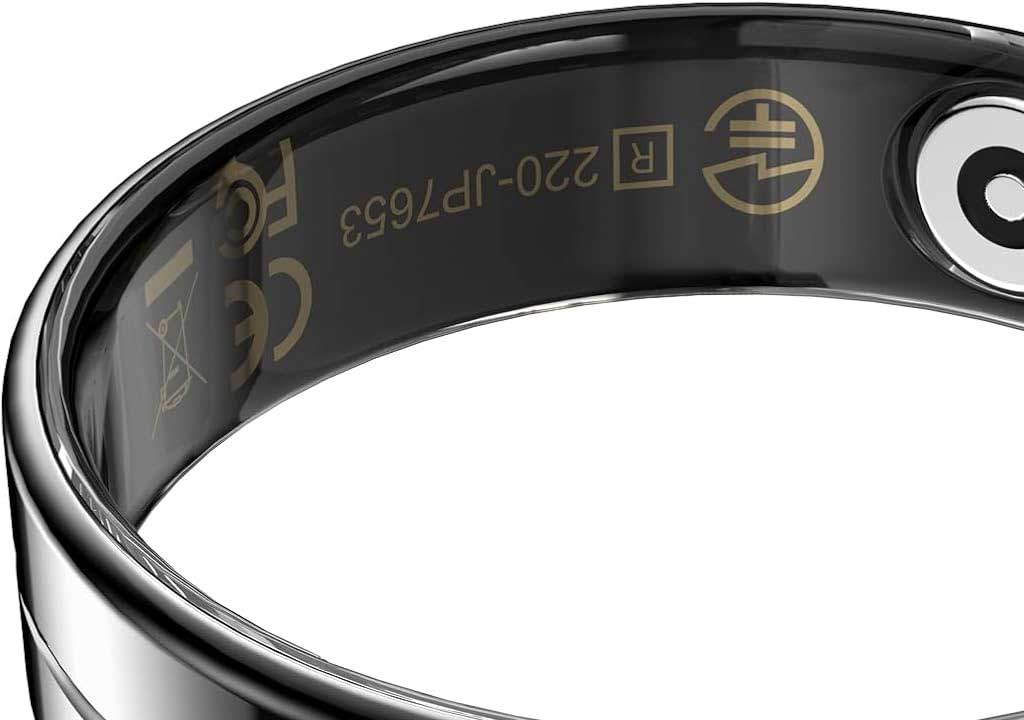


Using Smart Rings for Habit Change and Consistency in Training

Using Smart Rings for Habit Change and Consistency in Training
In recent years, smart rings have emerged as a discreet yet powerful tool for athletes and everyday fitness enthusiasts alike. Worn on the finger, these compact devices can monitor sleep quality, heart rate variability (HRV), resting heart rate, body temperature, and daily activity. More than just a gadget, a smart ring can serve as a personal coach, nudging you toward better habits and more consistent training—even when life gets busy. In this post, we’ll explore how to harness smart rings for genuine habit change and sustained training consistency. You’ll find practical strategies, a clear framework you can apply immediately, and real?world examples showing how data from a ring can translate into better workouts and healthier routines.
What a Smart Ring Can Measure and Why It Matters
Smart rings pack a surprising array of sensors into a form that’s small enough to wear 24/7. Most devices in this category offer:
- Sleep metrics: total sleep time, sleep stages, awakenings, and sleep efficiency.
- Heart rate metrics: resting heart rate and HRV, which reflect autonomic nervous system balance and recovery status.
- Activity metrics: steps, calories burned, and sometimes more granular movement data that can infer training intensity.
- Body temperature and other subtle physiological signals that can hint at recovery status and readiness.
How these data points translate into training decisions is where the real value lies. For example, elevated resting heart rate or a dip in HRV compared to baseline may indicate fatigue or insufficient recovery. If you’re planning a high?intensity session, a ring’s readiness cues can help you decide whether to push hard, back off, or substitute a different stimulus. Sleep quality matters too: consistently poor sleep can blunt adaptation, reduce motivation, and increase the risk of injury. By tracking these signals over time, you build a personal data narrative—one that helps you connect day?to?day habits with longer?term training outcomes.
Habit Change Theory: What Makes Habits Stick
Before we translate ring data into action, it helps to ground our approach in well?established habit science. A classic model is the habit loop: cue ? routine ? reward. The cue signals you to act, the routine is the behavior itself, and the reward reinforces the loop, increasing the likelihood you’ll repeat the behavior. Over time, with enough repetition, the cue becomes automatic and the routine becomes a default response to that cue.
When training is involved, this loop can become more effective if you:
- Design clear, specific cues that trigger the intended routine (for example, “immediately after waking, I do a 5?minute mobility sequence”).
- Keep the routine small and achievable (micro?habits, such as a 5?minute warm?up or 50?meter strides).
- Make the reward immediate and meaningful (a short cooldown stretch, a quick reflection on how you felt during the session, or a post?workout playlist you love).
Two other concepts help increase habit durability: implementation intentions and identity?based habits. Implementation intentions are about planning exactly when, where, and how you’ll execute a behavior (e.g., “If it’s 6:30 a.m., I will put on my training ring, drink water, and start my 10?minute mobility routine”). Identity?based habits focus on who you want to become (e.g., “I am someone who trains consistently and respects recovery”). When you combine precise cues with a clear identity, you’re more likely to persevere even when motivation wanes.
How Smart Rings Support Consistency in Training
Smart rings are particularly well suited to habit formation and training consistency for several reasons:
- Non?intrusive feedback: Rings are comfortable to wear and rarely interrupt daily life, making it easier to maintain long?term monitoring.
- Objective data that complements feel: Your subjective sense of fatigue or motivation can be cross?checked against ring metrics like HRV and sleep quality, helping you calibrate your effort more accurately.
- Automatic routine nudges: Many rings provide notifications or summaries that prompt you to move, stretch, or practice wind?down rituals at strategic times.
- Baseline development: Tracking over weeks builds a personal baseline, enabling you to detect meaningful deviations and respond promptly.
- Recovery?aware training: Readiness scores or derived metrics can inform how you structure sessions, potentially reducing overtraining and injury risk.
When used deliberately, ring data becomes a mirror for your habits. If you see a trend of poor sleep during a particular work period, you can implement a pre?sleep routine or adjust training timing. If HRV is consistently high after a certain type of workout, you may choose to maintain that stimulus while refining other variables like volume, intensity, or recovery practices. The key is to let the data inform decisions rather than dictate them, and to pair objective signals with subjective checks such as perceived exertion, mood, and motivation.
A Practical Framework: 5 Steps to Use Smart Rings for Habit Change
Use the following framework to translate ring data into durable habits and consistent training outcomes.
- Define a clear training habit: Start with a single, specific habit that reinforces your broader goal. Examples:
- Endurance focus: “Perform a 10?minute mobility and light cardio routine every morning.”
- Strength focus: “Complete a 15?minute warm?up and two compound movements three times per week.”
- Recovery focus: “Integrate a 20?minute wind?down routine and head to bed by 10:30 p.m.”
- Align ring metrics with your goals: Decide which ring signals will guide your decisions. Common pairings include:
- Sleep quality and duration to assess recovery readiness for the next day’s session.
- HRV and resting heart rate to gauge autonomic balance and fatigue levels.
- Activity and movement data to verify consistency of training volume.
- Create cues and micro?habits: Build a cue?driven routine that’s easy to start and repeat. Example cues:
- “After I brush my teeth, I put on the ring and start the 10?minute mobility block.”
- “If readiness score is in the green, do the planned workout; if not, do a lighter session and focus on recovery.”
- Use data to calibrate training load: Let ring data inform weekly planning. A simple approach:
- Green readiness = proceed with the planned session or push the workout 5–10%.
- Yellow readiness = reduce intensity by 10–20% or swap to a lower?impact workout.
- Red readiness = prioritize recovery and optional light activity like walking or mobility.
- Review and adjust weekly: Dedicate time to review trends. Look for:
- Patterns in sleep and wake times and their relation to training days.
- HRV/heart rate trends across different workouts and intensities.
- Whether the micro?habits are being executed consistently and what changes they produced in your readiness or mood.
Daily Routine Examples: Putting the Framework into Practice
Two practical daily routines illustrate how this framework can be applied to different training goals. You can adapt them to your schedule, goals, and ring metrics.
Example A — Endurance Runner Focus
Goal: Increase weekly mileage with consistent recovery and mobility work.
Morning routine (cue: after waking):
- Check ring readouts for sleep quality and HRV from the previous night.
- If readiness looks solid, complete a 10?minute mobility warm?up and 20–30 minutes of easy running or run/walk as planned.
- Record a quick note in a training journal about how you felt during the run and any niggles.
Evening routine (cue: before bed):
- Wind?down protocol including 15–20 minutes of light stretches and deep breathing, guided by a ring’s cues if available.
- Set a consistent bed time and prepare sleeping environment (dark room, cool temperature).
Example B — Strength Trainer Focus
Goal: Build consistent weekly strength work while avoiding fatigue?driven plateaus.
Weekly plan example: three strength sessions (squat emphasis, push/pull, and optional accessory work).
Pre?session cues (cue: right before the workout window):
- Review readiness score; if it’s green, proceed with the planned weight and volume.
- If yellow or red, scale back the load, substitute a lighter accessory circuit, or skip to prioritize recovery.
Post?session cues:
- Record perceived exertion and any fatigue signals; compare with HRV changes to refine future sessions.
- Hydration and nutrition notes that support recovery, aligned with sleep and activity data.
Case Studies: How People Used Smart Rings to Build Habits
Here are three concise, plausible scenarios that illustrate how smart rings contribute to better habits and training consistency.
Case 1: The Busy Executive
Alex manages a demanding job with unpredictable hours. By setting a simple cue—“after waking, I perform a 5?minute mobility routine”—and using ring data to verify improvements in sleep quality over a two?week period, Alex began to see gradual gains in daily energy. The ring’s readiness indicators helped him decide when to push a workout and when to prioritize rest, reducing days when fatigue sabotaged performance. The habit became automatic within a month, and weekly reviews highlighted a steady improvement in sleep consistency and training adherence even during busy weeks.
Case 2: The Plateau Breaker
Priya hit a plateau in lower?body strength. She created a habit loop focused on a brief warm?up plus a targeted movement pattern before every leg day. The ring’s HRV and resting heart rate trends guided load adjustments, and Priya used the data to time recovery days after harder efforts. Within six weeks, she noticed improved perceived exertion matching objective signs of recovery, and the plateau began to lift as training volume and quality improved.
Case 3: The Rebound from Injury
When an ankle issue prevented heavy loading, Marcus used the ring to track mobility work and controlled cardio as a bridge. The habit of daily mobility became non?negotiable, reinforced by a simple cue, and the ring’s sleep data helped ensure adequate recovery. Over time, Marcus rebuilt fitness with confidence, avoiding re?injury by listening to readiness signals and reframing training around sustainable stress management.
Potential Pitfalls and How to Avoid Them
Like any tool, smart rings come with caveats. Being aware of common pitfalls can help you use the device more effectively and avoid undermining your goals.
- Overemphasis on numbers: Metrics are useful signals, not verdicts. Always combine quantitative data with subjective feelings and professional judgment when appropriate.
- Data interpretation errors: Patterns can be subtle or misleading. Take time to understand baseline variability and avoid reacting to every single fluctuation.
- Alarm fatigue: Frequent notifications can become noise. Customize alerts to only the most meaningful cues (e.g., readiness thresholds, sleep consistency, or a weekly trend that requires attention).
- Inaccurate fitting: A loose or tight ring can distort readings. Ensure a comfortable, consistent fit and follow manufacturer guidelines for wear position and maintenance.
- Privacy and data security: Be mindful of where data is stored and who can access it. Use strong passwords, review app permissions, and understand the platform’s privacy settings.
- Replacement of professional guidance: Wearables supplement, not replace, medical or coaching advice. If you have injuries or health concerns, consult professionals in addition to tracking data.
Best Practices: Getting the Most from Your Ring for Habit and Training
To maximize the value of a smart ring for habit change and training consistency, consider these practical best practices:
- Establish a clear baseline: Use the ring for at least 2–4 weeks to establish typical sleep, readiness, and activity patterns before making sweeping changes.
- Set actionable, micro?habits: Focus on small, repeatable habits with obvious next steps. “Do 5 minutes of mobility after waking” is more effective than “improve my flexibility.”
- Pair data with intention: Tie metrics to explicit decisions (e.g., “If HRV is below baseline by 10%, reduce tomorrow’s intensity by 20%”).
- Regularly review trends: Schedule a weekly review to spot rising recovery needs or consistent sleep gaps. Adjust goals accordingly.
- Integrate with broader routines: Align ring data with a broader plan—nutrition, hydration, stress management, and sleep hygiene—to support overall adaptation.
- Protect consistency over perfection: Some days won’t go as planned. Recommit the next day with minimal friction, rather than abandoning the habit entirely.
Advanced Tips for Power Users
If you’re already familiar with habit formation and want to squeeze even more value from your ring, try these advanced tips:
- Habit stacking with a ring cue: Attach a new habit to an existing morning routine (for example, after brushing teeth, start a 6?minute cooldown). The ring’s data confirms completion and builds momentum for the next habit.
- Contextual training planning: Use circadian signals from the ring (or your own routine) to schedule workouts at times when sleep, mood, and body temperature suggest optimal performance windows.
- Recovery dashboards: Build a weekly recovery dashboard that visualizes sleep debt, HRV trends, training load, and perceived exertion. A visual summary makes it easier to spot when to push or pull back.
- Seasonal or cycle adjustments: If you have cyclical workloads (e.g., macrocycles, competition season), use the ring to gauge how well you rebound between phases and adjust your micro?habits for continuity.
A Note on Privacy and Ethical Use
As with any personal data, consider how you store and share information from a smart ring. Be mindful of who has access, especially if you share devices with family or teammates. When possible, use privacy settings, local data storage, and opt out of sharing data unless you consciously choose to participate in research or collaborative programs. The goal is to empower you, not to create pressure or surveillance?like stress that undermines your wellbeing.
Closing Thoughts: The Ring as a Coach, Not a Crutch
A smart ring isn’t a magic wand that ensures instant results. It’s a tool that can illuminate your habits, reveal subtle patterns, and guide you toward more consistent training—and ultimately better outcomes. The real work remains in how you design cues, routines, and rewards, and how you translate ring?generated insights into meaningful daily actions. When used thoughtfully, a ring helps you align your daily habits with long?term training goals, turning small, repeatable actions into durable progress.
So, if you’re ready to experiment, start small. Pick one habit that clearly supports your current training focus. Connect that habit to a specific cue, and decide which ring metric will guide your decision on the day. Commit to a two?to four?week trial, and schedule a weekly review to assess what’s working and what’s not. With patience and consistency, the ring becomes a quiet, reliable partner in your pursuit of better training, healthier routines, and a stronger sense of personal momentum.
Final Reflection: Why This Approach Works
The combination of habit science and wearable data taps into two fundamental human faculties: our tendency to repeat behaviors that feel easy and rewarding, and our desire to improve and optimize our performance. Smart rings reduce friction, offering immediate, observable feedback about how our day?to?day choices influence recovery, readiness, and training quality. By shaping cues, simplifying routines into bite?size steps, and rewarding small wins with clear, interpretable data, we instantiate repeatable patterns that compound over time. The result is not a perfect, error?free journey, but a sustainable one—where habit change and training consistency become less about brute willpower and more about structured, informed choices guided by your own personal signals.
Ready to Begin?
If you’re new to smart rings, start by choosing a few metrics you care about most—sleep quality, HRV/resting heart rate, and daily activity. Set a simple one?habit goal for the next two weeks, pair it with a clear cue, and decide on a small reward that reinforces completion. Use the ring’s insights to decide whether to push, back off, or maintain momentum. After two weeks, review your trends and adjust your plan. With curiosity, consistency, and a little data?driven discipline, your ring can become a powerful ally in cultivating enduring habits and driving meaningful progress in training.
LIKED THIS ARTICLE? SHARE IT: