








Smart Ring Metrics for Heart Rate Sleep and Recovery

Smart Ring Metrics for Heart Rate, Sleep, and Recovery
In the past few years, smart rings have evolved from simple step counters to sophisticated health companions that continuously monitor what your body is doing, even while you sleep. These compact devices carry sensors and algorithms designed to capture a picture of your cardiovascular health, sleep quality, and how well you recover from daily stress and workouts. If you’re trying to optimize training, improve recovery, or simply understand your body better, the metrics from a smart ring can be incredibly useful. The trick is knowing which numbers matter, how to interpret them in context, and how to translate insights into real-world habits. This guide dives into the core metrics for heart rate, sleep, and recovery that smart rings offer, what they mean, and how to use them to make smarter daily choices.
What a Smart Ring Measures
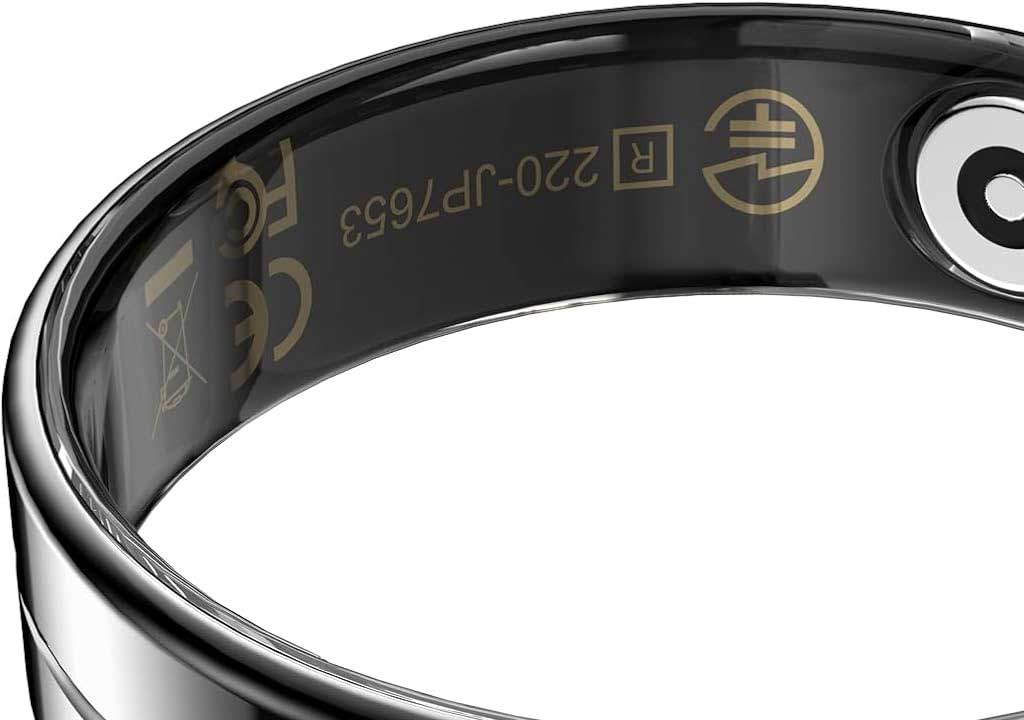
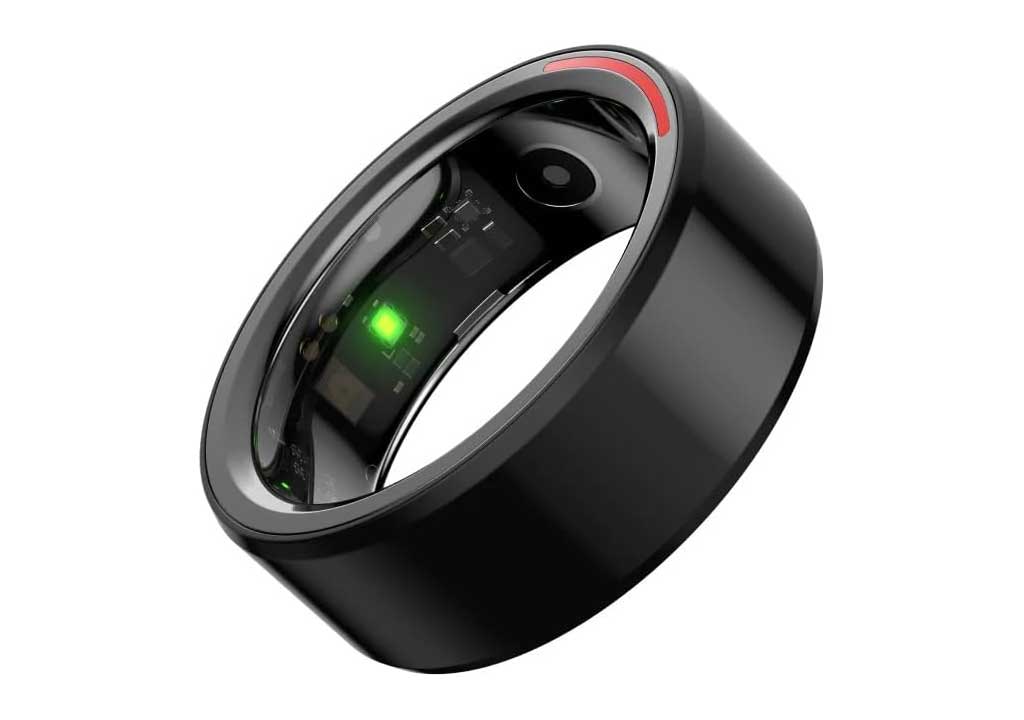
Smart rings combine photoplethysmography (PPG), motion sensing, temperature sensing, and sometimes oxygen saturation measurements to build a daily health picture. PPG uses light to estimate blood flow and heart rate, while the accelerometer and gyroscope track movements, posture, and activity levels. A temperature sensor (often a surface skin thermometer) helps capture subtle shifts in skin temperature that coincide with sleep stages and circadian changes. Some rings also estimate blood oxygen saturation (SpO2), which can reveal breathing irregularities during sleep. All of these signals feed into algorithms that generate meaningful metrics for heart rate, sleep, and recovery.
Because rings sit on a finger rather than a chest strap, they trade some precision for comfort and continuous wear. That means ring data is exceptionally useful for tracking trends, patterns, and relative changes over time, but it may be noisier than clinical-grade devices for moment-to-moment measurements. The key is to focus on changes over days and weeks, rather than fixating on a single data point. With consistent wear and good sensor contact, smart rings can deliver reliable insights that help you tune training loads, bedtime routines, and recovery strategies.
Always pair ring data with how you feel—fatigue, mood, motivation—and, when in doubt, consult a clinician for medical concerns.
Key Heart Rate Metrics
Heart rate (HR) is the most straightforward signal a smart ring captures, and it serves as a baseline indicator of cardiovascular stress and recovery status. The most practical HR metric is resting heart rate (RHR). Measured during periods of inactivity, typically first thing in the morning or during deep sleep, RHR provides a snapshot of how your body is handling daily stress and training load. A rising resting heart rate over several days can indicate fatigue, insufficient sleep, or overtraining, whereas a stable or gradually decreasing RHR often signals improved fitness and recovery. Tracking RHR over weeks helps you identify your personal baselines and recognize meaningful deviations rather than reacting to random day-to-day fluctuations.
Beyond resting heart rate, you’ll encounter heart rate during wakeful activity, peak heart rate during workouts, and heart rate variability (HRV), which is a separate but related metric that reflects autonomic nervous system balance. HRV is not a single number but a family of metrics that quantify how much your heart rate varies from beat to beat. Higher HRV generally indicates greater parasympathetic (rest-and-digest) activity and better resilience to stress, while lower HRV can signal sympathetic (fight-or-flight) dominance, fatigue, or insufficient recovery. The ring typically reports simple time-domain HRV metrics such as RMSSD (root mean square of successive differences) and sometimes SDNN (standard deviation of normal-to-normal intervals). These are derived from the inter-beat intervals detected by the sensor and are best interpreted in the context of your own baseline.
Another common metric is heart rate recovery (HRR), which measures how quickly your heart rate declines after peak exertion. A fast HRR is associated with good cardiovascular fitness and efficient autonomic regulation, while a slow HRR can indicate fatigue, stress, or incomplete recovery. Some smart rings estimate HRR by comparing heart rate in the minutes after a workout or by tracking nocturnal heart rate variability as a proxy for daily recovery. Interpreting HRR alongside RHR and HRV can give you a more complete picture of your recovery status.
Finally, nocturnal heart rate and HRV provide rich insight into how you recover during sleep. Consistent sleep with a lower nocturnal HR and higher HRV generally points to effective recovery, while deviations can flag suboptimal sleep, illness, or accumulated fatigue. When you review these metrics, it helps to consider your sleep duration, sleep quality, and the presence of any awakenings or disturbances that may affect nocturnal physiology.
Sleep Metrics: Why Sleep Data Matters for Recovery
Sleep is the cornerstone of recovery. Smart rings measure several sleep-related parameters that are tightly linked to performance, mood, and long-term health. The most important sleep metrics typically include sleep stages (light sleep, deep sleep, and REM sleep), total sleep time, sleep efficiency, sleep onset latency, and awakenings. Some rings also track breathing rate, movement during sleep, and nocturnal SpO2, all of which can provide additional context about sleep quality and oxygenation during the night.
Sleep stages reflect different physiological processes. Deep sleep (often called slow-wave sleep) is thought to be crucial for physical recovery, tissue repair, and immune function. REM sleep is associated with memory consolidation and cognitive restoration. Light sleep is a transitional stage that occurs in between and often reflects easier transitions in and out of deeper sleep. A healthy sleep architecture typically includes a balance of these stages across the night, with adequate total sleep time for an individual’s age, lifestyle, and training load.
Sleep efficiency—defined as the percentage of time in bed actually spent asleep—offers a practical read of how well you sleep. Low sleep efficiency can indicate trouble falling asleep or frequent awakenings, both of which can reduce the restorative benefits of rest. Sleep onset latency, the time it takes to fall asleep after getting into bed, also matters: longer latencies generally reduce total sleep opportunity and may be tied to caffeine intake, screen exposure, or stress.
Breathing rate and SpO2 during sleep add additional layers of insight, especially for athletes or people with sleep-disordered breathing tendencies. A slightly elevated breathing rate or occasional dips in SpO2 can be normal under certain conditions, but persistent deviations warrant attention. Temperature trends across the night can also give clues about circadian alignment and the quality of the sleep environment. Taken together, these sleep metrics help you understand not just how long you slept, but how well your body recovered while you slept.
Interpreting sleep data is most reliable when you examine patterns over weeks rather than focusing on a single night. A single night of poor sleep may be due to a temporary factor (late workout, caffeine, noise). Consistent patterns—such as recurring awakenings, reduced deep sleep, or lower nocturnal HRV—offer stronger signals about your recovery status and the effectiveness of your sleep routine.
Recovery Metrics: Turning Data into Action
Recovery metrics translate physiological signals into actionable indicators that help you decide when to push hard and when to back off. Many smart rings provide a composite recovery or readiness score that blends nocturnal HRV, resting HR, sleep quality, activity data from the day, and sometimes subjective inputs (like perceived effort). The exact formula varies by brand, but the principle remains the same: a higher recovery score suggests your body is primed for training, while a lower score signals the need for lighter work, extra sleep, or better stress management.
HRV-based recovery is a particularly powerful concept. If your HRV is high and resting HR is low, you’re likely in a favorable state for higher training loads. If HRV is depressed and RHR is elevated, your body may be in a fatigued or stressed state, even if you feel fine. In these situations, you might opt for fewer reps, longer easy sessions, or more focus on sleep hygiene and inflammation-reducing strategies. It’s important to remember that HRV is highly sensitive to many factors—hydration, caffeine, illness, travel, alcohol, and even hydration levels can influence it. The goal is to observe trends and use them to guide your training plan rather than making one-off decisions.
Recovery metrics also benefit from looking at daily training load in conjunction with sleep and HRV. A well-rested athlete may tolerate higher training volumes, while a day with poor sleep or elevated RHR should prompt a lighter session or an emphasis on recovery modalities such as mobility work, light aerobic activity, or stretching. Sleep consistency, particularly in wake-up and bedtimes, tends to support better autonomic balance and faster HRV recovery after workouts. In short, recovery metrics help you align training stress with your body’s actual readiness rather than relying on a fixed schedule.
Interpreting the Data: Context Is King
All wearable data is most valuable when interpreted in context. A single metric rarely tells the whole story; trends, seasonality, and the interaction between metrics are what reveal meaningful insights. Here are practical guidelines for interpretation:
- Establish a personal baseline. Your “normal” HR, HRV, and sleep patterns will be unique. What matters most is how your metrics drift over days and weeks relative to your own baseline.
- Look for consistent patterns, not outliers. One night of poor sleep or a brief spike in resting HR may reflect a temporary factor (late-night work, caffeine, heat). Repeated deviations are more informative about recovery and readiness.
- Consider the entire picture. A higher recovery score on a day when you slept poorly might indicate your body is bouncing back, but it could also caution against pushing hard if the trend reverses in the following days. Always integrate HRV, RHR, sleep metrics, and subjective well-being for a holistic view.
- Be mindful of measurement quality. Rings can be affected by finger movement, temperature, and sensor adhesion. If a sensor shift or a cold environment undermines data quality, note it and review the data with a grain of salt. Consistent wear, proper fit, and daily calibration (as recommended by the manufacturer) improve reliability.
- Distinguish training adaptation from illness. A multi-day decline in HRV combined with elevated RHR, fatigue, and disturbed sleep can indicate overreaching or an incipient illness. In such cases, prioritize rest, hydration, nutrition, and recovery strategies, and consider medical advice if symptoms persist.
Putting It Together: A Practical Guide to Using Ring Metrics
Turning data into better habits requires a practical plan. Here’s a step-by-step approach to making smart ring metrics actionable in daily life:
- Start with a baseline window. Track metrics for 2–4 weeks with consistent wear, then review your typical ranges for RHR, HRV (RMSSD/SDNN), sleep duration, sleep efficiency, and nocturnal HR. Use this as your personal reference point.
- Build a weekly narrative. Examine how your sleep quality and HRV correlate with your training week. Did a hard workout Monday precede a dip in HRV? Was a poor-night sleep Tuesday followed by lower training volume on Wednesday? A weekly review helps you identify patterns and adjust plans.
- Set simple, measurable goals. For example, target a minimum sleep duration of 7.5 hours most nights, or aim for a HRV baseline increase of a few milliseconds over a four-week period. Tie goals to concrete actions: earlier bedtimes, wind-down routines, or reduced evening caffeine.
- Use readiness to guide workout selection. On days when the readiness or recovery score is high, schedule higher-intensity sessions or key workouts. When scores are low, favor easy aerobic work, mobility, or rest. Align your training blocks with your body’s recovery signals rather than a fixed calendar.
- Optimize sleep environment and routines. Sleep metrics respond well to consistent bedtimes, pre-sleep wind-down activities, and a cool, dark room. If nocturnal HRV is consistently low or sleep efficiency dips, experiment with lighting, room temperature, and pre-sleep routines to improve sleep quality.
- Pay attention to hydration and nutrition timing. Dehydration can reduce HRV and raise resting HR, while caffeinated intake in the hours before sleep can disrupt sleep architecture. Plan meals and fluids to support recovery and minimize sleep disturbances.
Case Studies: Hypothetical Scenarios to Illustrate Use of Ring Metrics
Case Study 1: The Busy Professional with a Busy Mind. An athlete in a normal week shows a stable RHR around 55–58 bpm, HRV in the high RMSSD range, and consistent sleep duration of 7.5–8 hours, with good sleep efficiency. One week, RHR nudges up to 62 bpm, HRV drops, and sleep efficiency falls to 84%. This combination suggests increased stress or insufficient recovery. Action steps: schedule two lighter workout days, prioritize a longer wind-down routine, and adjust caffeine timing. After a few days, RHR returns toward baseline, HRV stabilizes, and sleep efficiency improves, confirming the decision to reduce training stress temporarily.
Case Study 2: The Weekend Warrior. A recreational runner notices excellent HRV during weekdays, but a Saturday long run followed by a Sunday rest day yields a spike in RHR and a temporary dip in HRV the next morning. Despite feeling fine, the data suggests a heavier-than-usual training load. Action steps: incorporate a more gradual cooldown after the long run, consider an extra recovery day, and ensure Sunday sleep duration remains sufficient. Over time, the routine maintains high readiness on race week as HRV and sleep metrics normalize.
Case Study 3: The Early Morning Sleeper. A shift in circadian alignment, perhaps due to travel or a new work schedule, leads to delayed sleep onset and fragmented sleep. The ring shows longer sleep onset latency, lower deep sleep percentage, and a mild decline in nocturnal HRV. Even if daily activity remains stable, recovery capacity diminishes. Action steps: adjust bedtime by 60–90 minutes earlier, create a consistent pre-sleep routine, and minimize late-night screen exposure and alcohol. Monitor for several nights to see if sleep quality improves and HRV recovers.
Tips for Getting the Most from Your Smart Ring
To maximize the usefulness of smart ring data, keep these practical tips in mind:
- Wear consistently and correctly. A snug, stable fit without gaps or movement improves signal quality. Avoid wearing the ring too tightly, which can affect circulation and comfort.
- Calibrate and understand your baseline. Run a baseline phase of at least two to four weeks, and document any factors that might skew data (illness, travel, new medication). The more stable your baseline, the more meaningful the deviations.
- Use the same time window for comparisons. For heart rate and sleep, compare similar times of day (e.g., nocturnal HRV during sleep, morning resting HR) to reduce variability due to daily routines.
- Be mindful of environment and lifestyle factors. Temperature, hydration, caffeine, alcohol, and physical stress all influence HRV and heart rate. While rings capture many signals automatically, your decisions should consider these factors.
- Don’t rely on a single metric for decisions. Recovery, readiness, sleep quality, and training load are interdependent. Make decisions based on the combination of metrics, your subjective well-being, and your goals.
- Protect your data and understand privacy settings. Review who can access your health data, how it’s stored, and how to export or delete it if needed.
Putting It All Together: A Simple Weekly Routine
Here's a practical weekly workflow to integrate smart ring metrics into your routine:
- Monday-to-Saturday: Track HR, HRV, sleep duration and quality, and any workouts. Note how you feel physically and mentally.
- Sunday: Review the week’s data. Identify patterns (e.g., lower HRV after intense sessions, poor sleep following high stress periods). Create a plan to optimize the coming week: adjust training sessions, tweak sleep schedule, and set recovery targets.
- Daily actions: Based on the readouts, decide if you’ll push, maintain, or recover. For example, schedule an easy run on high-readiness days and reserve hard intervals for days with favorable HRV and sleep metrics.
- Monthly reflection: Look for longer-term trends in RHR, HRV, and sleep. Are you gradually improving fitness and recovery, or is there a need to adjust training blocks or sleep strategies?
Limitations and Considerations
While smart rings offer valuable insights, they are not medical devices for diagnosing health conditions. Their measurements are influenced by many factors and can be less precise than clinical equipment in some contexts. If you have cardiovascular disease, sleep apnea, or other medical concerns, rely on your healthcare provider for guidance and use wearable data as a supplementary tool rather than a definitive diagnosis. If you experience unexplained, persistent symptoms such as chest pain, severe shortness of breath, or fainting, seek urgent medical attention.
Conclusion: Embracing Data Without Obsessing Over It
Smart rings bring a practical, noninvasive way to monitor heart rate, sleep, and recovery metrics across days, weeks, and months. By focusing on baselines, recognizing meaningful trends, and translating data into simple daily actions, you can optimize training, improve sleep quality, and support a balanced lifestyle. The most valuable aspect of ring metrics is not a single number but the narrative they tell about how your body responds to stress, rest, and activity. Use the data to inform your decisions, but also trust your own sensations—fatigue, motivation, and mood—to guide how you train, sleep, and recover. With thoughtful use, a smart ring can become a reliable companion on your journey toward better health and peak performance.
LIKED THIS ARTICLE? SHARE IT: