







From Sleep to Steps: How Smart Rings Transform Fitness

From Sleep to Steps: How Smart Rings Transform Fitness
In the last decade, wearable technology has moved from bulky wristbands to sleek, discreet devices that weave themselves into daily life. Among these, smart rings have emerged as a quietly powerful way to monitor health, routine, and performance without the daily reminder that you’re wearing a gadget. The idea is deceptively simple: put sensors on your finger, where they maintain constant contact with blood flow, skin temperature, and motion, and let algorithms translate data into meaningful insights. The result is a ring that learns your sleep patterns, tracks your activity, and nudges you toward smarter choices—often without you needing to actively log a thing. From sleep quality to daily steps, smart rings promise a holistic, intimate view of fitness that fits like a second skin.
What is a smart ring?
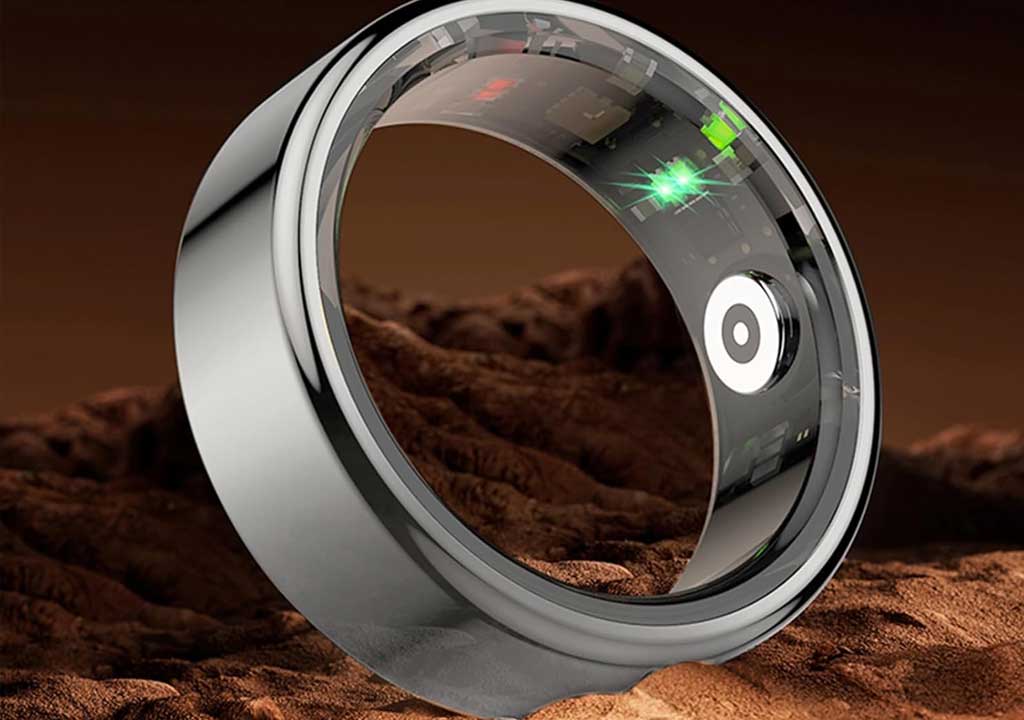
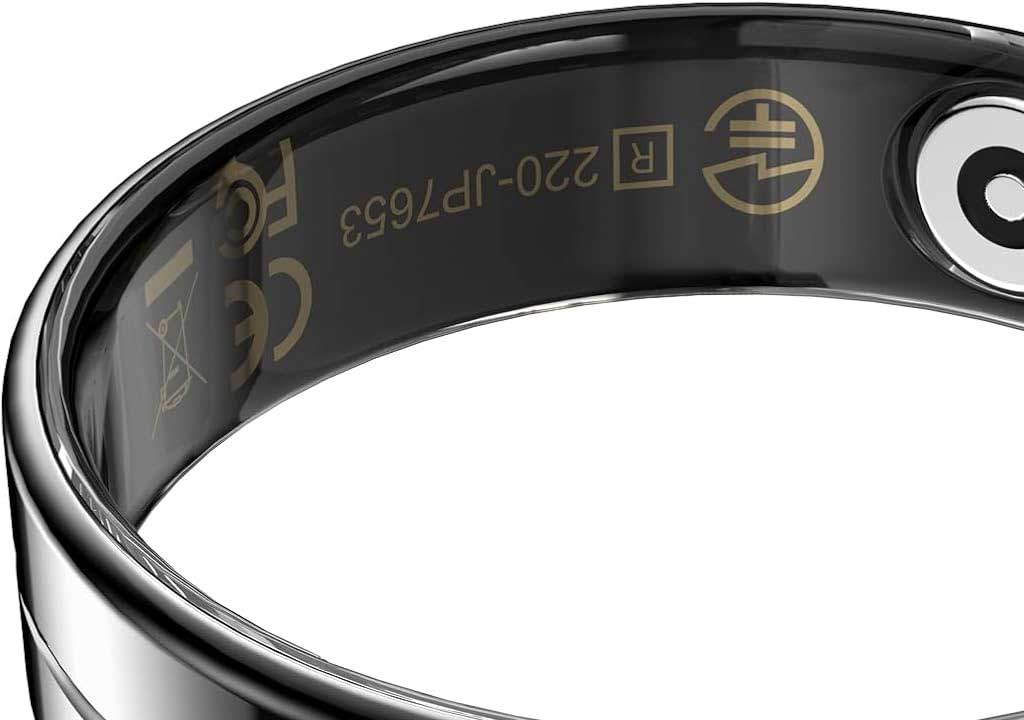
A smart ring is a wearable device designed to be worn on the finger, typically made from lightweight materials with a combination of sensors, microchips, and a battery small enough to live inside the ring. Inside many popular models you’ll find photoplethysmography (PPG) sensors to measure heart rate, accelerometers to detect motion, and sometimes sensors for skin temperature or body composition. The ring’s form factor is oriented toward constant contact with the skin, which translates to more continuous data collection than some wrist-worn devices that might shift during sleep or intense movement. The result is a compact, clever tool that captures a broad spectrum of metrics: sleep duration and stages, heart rate, heart rate variability (HRV), skin temperature, and daily activity such as steps and calories burned. The value isn’t in any single metric alone but in the patterns and trends that emerge when data paints a fuller picture over weeks and months.
Sleep tracking: the gateway to better fitness
Many fitness myths center on activity alone, but sleep is the foundation of performance, recovery, and long-term health. Smart rings approach sleep with a holistic mindset, monitoring total sleep time, sleep efficiency, and stages such as light, deep, and rapid eye movement (REM) sleep. Deep sleep is associated with physical restoration and memory consolidation, REM sleep with learning and mood regulation, and light sleep with transition states that prepare the body for the day ahead. By aggregating nightly data, the ring helps you see not just how long you slept, but how well you slept, which nights you recovered better, and how your routines influence those patterns. Over time, you begin to identify causal links: caffeine late in the day often correlates with unsettled sleep; a consistent wind-down routine can reduce time to sleep onset; exposure to bright screens after sundown may shift circadian rhythms. With actionable insights, you can adjust bedtime, pre-sleep activities, and environmental factors to optimize recovery and readiness for training.
From steps to stride: tracking daily activity
Step counting and activity tracking have long been staples of wearables, but smart rings bring a refined approach to how movement is captured and interpreted. The accelerometer in the ring detects wrist and finger motion, translating micro-movements into meaningful activity categories: sedentary, light activity, moderate activity, and vigorous activity. Because the ring is worn on the finger, it can provide a nuanced view of proximal upper-body movement that complements arm-worn devices. The result is a more accurate picture of daily activity, especially for activities like finger-tlicking tasks, typing, or delicate sports that don’t always register well on wrist-based sensors. More advanced rings also estimate calories burned and energy expenditure by combining motion data with heart rate, skin temperature, and user-specific factors such as age, weight, and height. For many users, this yields a realistic daily narrative: how often they moved, how intense their exertion was, and where to improve in a typical day.
Heart rate and HRV: living data you can feel in your body
Heart rate is a staple metric across wearables, but smart rings often push it further by prioritizing heart rate variability (HRV). HRV measures the variation in time between heartbeats and serves as a proxy for autonomic nervous system balance, stress, and recovery status. A rising HRV typically indicates improved recovery, while a persistently low HRV can signal fatigue or overtraining. When combined with resting heart rate and sleep data, HRV helps construct a nuanced story about training readiness. For instance, if your HRV dips after a heavy workout or a poor night’s sleep, the ring may prompt you to scale back intensity or schedule a lighter workout to optimize adaptation. This approach shifts training from a purely clock-based program to a data-informed system that respects your body’s signals.
Recovery and training optimization: AI as your personal coach
Recovery is where the magic happens in fitness. Smart rings leverage sleep metrics, HRV, resting heart rate, and daily activity to estimate recovery status and suggest adjustments to your plan. Some rings provide daily readiness scores, while others offer more granular guidance, such as recommended exercise intensity (easy, moderate, or hard), suggested rest days, or specific recovery activities (stretching, mobility work, or meditation). The beauty of this approach is that it treats recovery as an active variable, not a passive outcome. It recognizes that two people with the same step count may respond differently depending on sleep quality, stress, and your recent training history. Over weeks, the ring’s feedback helps you tune your program, minimizing injury risk and maximizing adaptation. The ring becomes less about chasing numbers and more about sustaining progress through smart, responsive training decisions.
Design and comfort: why form matters for function
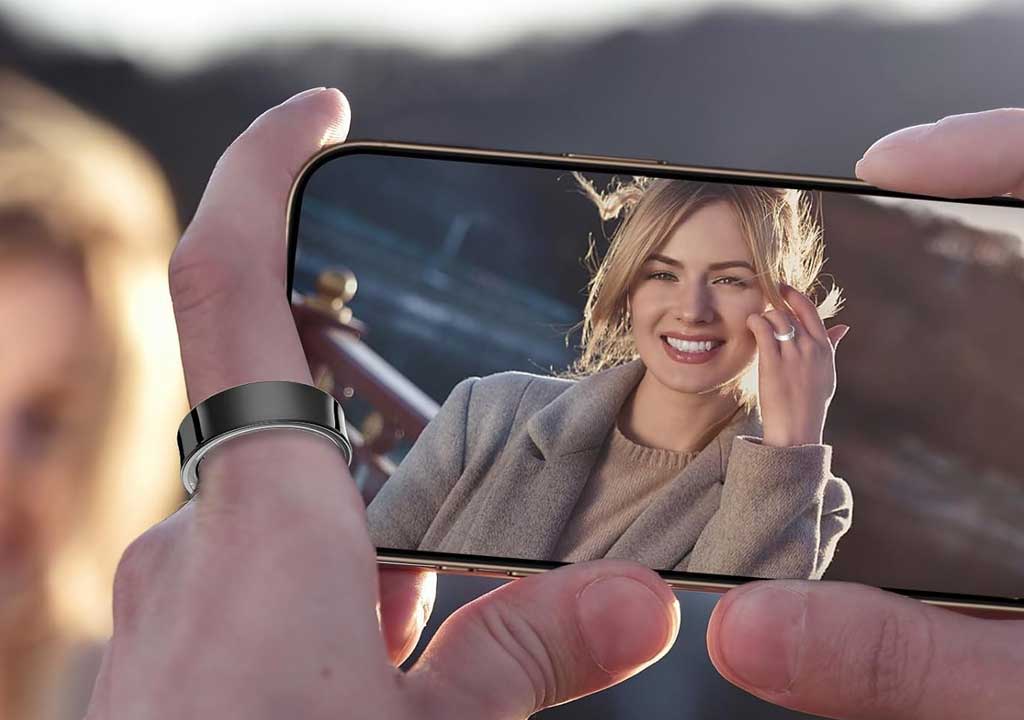
One of the most compelling advantages of smart rings is wearability. Rings are less conspicuous than bulky wrist devices, reducing the social friction often associated with tracking gadgets. The comfort factor is crucial because the data quality from sleep and continuous monitoring hinges on a device that stays in place and maintains skin contact all day and night. Designers prioritize smooth profiles, adjustable ring sizes, hypoallergenic materials, and water resistance for swimmers and travelers. Battery life is another critical design consideration: many smart rings offer multiple days of use on a single charge, or in some cases a week or more with lighter logging. This longevity is essential because inconsistent charging translates to data gaps, which muddy insights about trends. While rings have advanced significantly, they still require proper sizing and occasional maintenance (like cleaning sensors) to keep performance high.
Accuracy and limitations: reading the signal, not just the numbers
No device is perfect, and smart rings are no exception. The accuracy of sleep staging, heart rate, and activity detection can vary based on factors such as skin tone, temperature, moisture, and how the ring sits on the finger. For sleep, movement, ambient noise, and irregular sleep schedules can introduce noise into the data. For cardio metrics, factors like peripheral circulation, wrist-to-ring distance, and the ring’s contact with the skin affect signal quality. Users may notice occasional mismatches between perceived exertion during workouts and the ring’s readings, particularly in high-intensity or dynamic activities such as sprinting or weightlifting where rapid arm movements can momentarily disrupt sensors. The key is to view data as directional and trend-based: look for consistent patterns across nights and weeks rather than overreacting to a single day’s values.
Privacy and data security: your health data deserves protection
Health data is deeply personal, so privacy should be a central feature of any wearable. Smart ring platforms typically include cloud-backed data storage, synchronization across devices, and options for exporting raw data. It’s important to review how data is collected, stored, and shared, including third-party integrations, app permissions, and whether the data can be de-identified for research or algorithm improvements. Users should look for robust encryption, local storage options, and transparent privacy policies. If you’re especially concerned about privacy, consider disabling certain features, limiting cloud backups, or choosing devices with clear data retention controls. A well-designed ring respects user autonomy and provides clear, user-friendly controls to manage who can see what, and when.
Choosing a smart ring: what to look for
As you shop for a smart ring, several criteria help distinguish the right fit. First, consider sensor suite and accuracy: HR, HRV, sleep staging, movement tracking, temperature, and sometimes skin moisture. Second, examine battery life and charging convenience; longer life reduces data gaps. Third, assess comfort and sizing options; a snug fit with multiple size choices improves reliability, especially for sleep monitoring. Fourth, review app experience and data accessibility: intuitive dashboards, actionable insights, and the ability to export data can be decisive for motivated athletes or data enthusiasts. Fifth, check water resistance and durability, especially if you swim or engage in outdoor sports. Finally, think about privacy and ecosystem: some rings pair with specific platforms or health ecosystems; ensure compatibility with your existing apps and devices to avoid friction.
Who benefits most from smart rings?
Smart rings have broad appeal, but several groups tend to benefit particularly well. Athletes and fitness enthusiasts who want a non-intrusive, 24/7 view of their recovery, training load, and sleep quality will find rings valuable for fine-tuning performance. Busy professionals who struggle with sleep hygiene or irregular schedules can use the insights to establish routines that protect health and productivity. People with sleep issues—whether due to shift work, stress, or circadian misalignment—may discover patterns that help them reclaim restorative sleep. Finally, those who value privacy and subtlety in wearable tech will appreciate the ring’s discreet form factor, which makes continuous tracking feel less conspicuous and more integrated into daily life. Importantly, the ring is a tool to support healthier habits rather than a magic solution, so consistent use and mindful interpretation of data drive the best outcomes.
Mistakes to avoid and myths debunked
There are a few common missteps when embracing smart rings. One is treating the numbers as gospel rather than guidance; context matters, and data should inform decisions rather than dictate them. Another is over-relying on a single metric—such as steps or sleep duration—without considering broader patterns like HRV and resting heart rate, which together paint a more complete picture of recovery. A popular myth is that rings are only for athletes; in reality, even casual exercisers can gain meaningful insights by observing trends in sleep, activity, and energy levels. Finally, some users assume the ring will replace other forms of self-observation; instead, it complements journaling, listening to your body, and paying attention to mood and performance. The goal is to use data to support better decisions, not to become a slave to metrics.
The future of smart rings: AI, personalization, and precision
The trajectory of smart rings points toward deeper personalization and smarter coaching. Advances in machine learning will allow rings to tailor insights to an individual’s physiology, routines, and goals. Expect more granular sleep staging that aligns with specific training cycles, more accurate HRV-based recovery windows, and predictive alerts that anticipate fatigue before it shows up as poor performance. Some rings may integrate with broader health platforms to deliver cross-domain insights—balancing sleep, nutrition, stress management, and exercise into cohesive plans. As rings become increasingly capable, they could become a central hub for preventive health, catching subtle signals that precede health issues and offering early guidance to protect long-term well-being. The overarching trend is toward proactive, data-informed wellness that respects privacy, fits into daily life, and empowers people to move with intention.
Recommendations for maximizing the value of your smart ring
To get the most from a smart ring, start with a healthy baseline. Wear the ring regularly for two to four weeks to establish patterns in sleep, activity, and recovery. Review the readiness or recovery scores in the app, but don’t let a single night dictate your plan; look for multi-day trends. Use sleep insights to adjust your evening routines: limit caffeine late in the day, dim the lights earlier, and keep a consistent wake time. Let HRV and resting heart rate guide your training intensity—on days when recovery looks strong, you can push a little harder; when it’s lagging, opt for lower intensity or an extra rest day. Finally, combine ring data with a simple wellness journal: note mood, stress, meals, and significant life events to interpret how external factors shift your physiology. The ring amplifies what you already know about your body, turning subjective feelings into objective, trackable patterns.
Conclusion: a practical companion for modern fitness
Smart rings represent a quiet revolution in fitness technology. They merge comfort with depth, providing a continuous stream of data that spans sleep, activity, and physiological signals like heart rate and HRV. Rather than forcing you to choose between a dozen gadgets, a ring offers a coherent narrative that helps you understand how your sleep, recovery, and daily movement interact to shape performance and well-being. In practice, this means fewer missed workouts, smarter recovery, and more informed decisions about daily routines. The most successful users don’t chase every metric; they cultivate an understanding of how sleep quality, stress, and activity accumulate over days and weeks to influence how they feel and perform. If you’re ready to move from sleep to steps in a more intentional way, a smart ring can be a powerful ally on your fitness journey.
LIKED THIS ARTICLE? SHARE IT: