









Style and Silicon: The Modern Smart Ring Fusion

Style and Silicon: The Modern Smart Ring Fusion
The smart ring is not merely a gadget tucked onto a fingertip; it is the intersection of fashion philosophy and silicon engineering. Across designers’ benches and engineering labs, the modern smart ring represents a delicate balance: it should be unobtrusive enough to vanish into daily life, yet expressive enough to carry personality, status, and intention. In the span of a few short years, rings that once looked like jewelry with electronics hidden in the depth have evolved into purpose-built devices that can unlock doors, track sleep, pay for coffee, and translate mood into micro-interactions with the world. This post surveys how the fusion of style and silicon is redefining wearable technology, shaping consumer expectations, and nudging the industry toward a future where smart rings are as much a fashion statement as a health or productivity tool.
To understand the allure of the modern smart ring, we should start with its lineage. Rings have long been symbols—signets of power, tokens of love, markers of individual identity. The digit—our fingers—was historically the most intimate interface we had with tools: we turn, we twist, we press, we sign. When technology began to miniaturize, the ring became a natural candidate for discreet, always-on tech. The first prototypes emphasized function over form: chunky devices, limited battery life, and a clear mandate to prove utility before aesthetics. Today, design studios collaborate with engineering teams to deliver something different: a ring that can be worn all day, every day, with minimal maintenance, while still signaling taste, craftsmanship, and character. That is the essence of style and silicon fused into a single wearable object.
Origins: From Signet to Sensor
Historical signet rings carried authority and identity, a tactile badge of belonging. In the mid-to-late 20th century, electronics began slipping into more overtly functional jewelry—timers embedded in bracelets, tiny LEDs in cufflinks—but the ring remained stubbornly underexplored. The 2010s saw a shift: sensors—accelerometers, gyroscopes, optical heart-rate monitors—could fit into compact housings with precision engineering. Venture-backed startups and established consumer electronics brands began to experiment with ring form factors because the architecture of a ring is inherently different from a wristband or a necklace. Where a watch encircles the wrist and sits at a fixed angle, a ring sits at the tip of the finger, a point of leverage that translates to precise gesture detection, fast authentication, and a subtler ritual of interaction.
The first commercially successful rings demonstrated the core thesis: you could do more with less. A ring could unlock a phone with a simple twist, log you into secure services via biometric authentication, or initiate a payment with a tap—without pulling a device from your pocket. That ethos—high utility with low user friction—drove ongoing miniaturization, better battery management, and more thoughtful industrial design. As software matured and ecosystems expanded, the smart ring evolved from a novelty into a reliable daily companion. The modern iterations embrace both fashion-forward aesthetics and engineering rigor, signaling a shift from “tech gizmo” to “tech-enabled jewelry.”
Sensor Suite: What a Ring Can Do
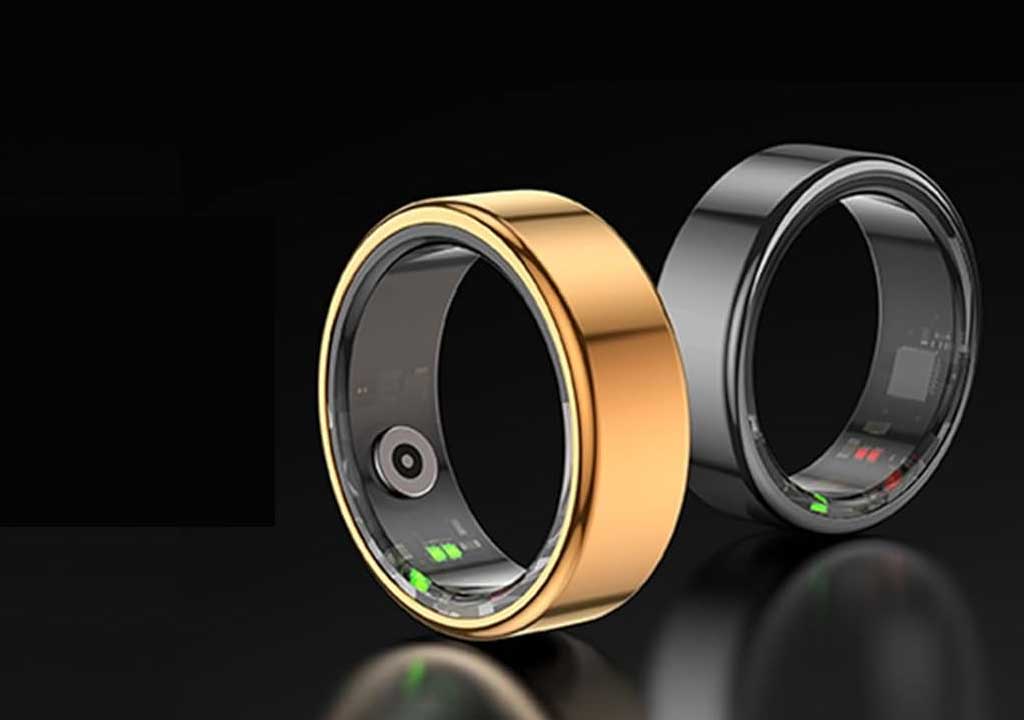
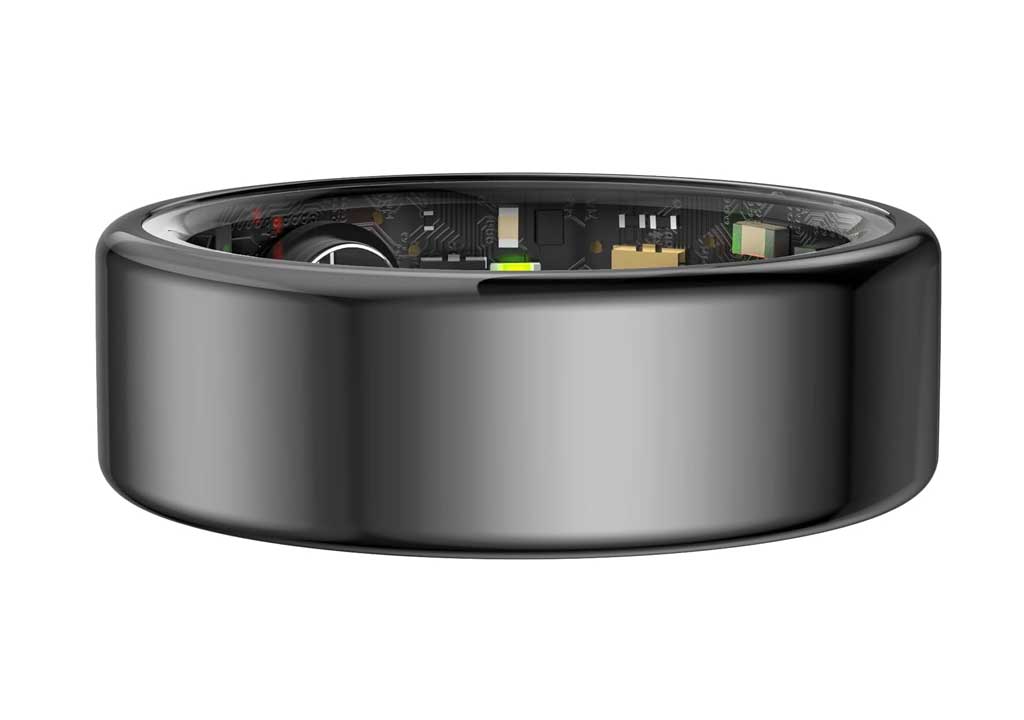
At the heart of the smart ring is a carefully curated sensor suite that must be compact enough to live in a ring while robust enough to deliver meaningful data. Common components today include a photoplethysmography (PPG) sensor to monitor heart rate and blood oxygen levels, an accelerometer to track movement, a gyroscope for orientation, and sometimes a skin-temperature sensor. Boolean features—tap detection, wake gestures, and finger-based controls—are increasingly supported by refined haptic feedback and micro-mcreens or subtle LEDs that communicate status without shouting for attention.
Beyond health metrics, rings excel at authentication and interaction patterns. A ring can act as a secure key—unlocking doors, devices, and apps with a simple wave or a proximity-based handshake. NFC-enabled payment functionality allows quick, contactless transactions, a natural extension given how easily a ring can sit against a payment terminal. Gesture control—twist to switch, rotate to navigate, pinch to confirm—invites a new vocabulary of on-body interactions that feel immediate and intimate. The most compelling experiences are those that disappear into routine: you don’t have to think about paying; the ring makes it seamless.
Data privacy and security are as important as data collection. Rings leverage biometric authentication (often fingerprint or vein-like recognition on some models) along with tokenization for payments and account access. Best-in-class designs minimize data exposure, perform most processing on-device, and offer transparent controls to users. In the best examples, data is encrypted, access is auditable, and the model of use aligns with user consent and developer governance. As the ecosystem grows, interoperability with other devices and platforms remains a foundational challenge—and an opportunity to build trust through strong security practices.
Materials, Manufacturing, and Longevity
The physical presence of a smart ring matters as much as what it can do. Ring materials must be biocompatible for extended skin contact, comfortable in wear, and durable enough to withstand daily life. Common choices include high-grade stainless steel, titanium, ceramic composites, and precious metals bonded to protective coatings. Some premium models employ sapphire crystal, which resists scratches and supports subtle, jewel-like displays or indicators. A key design constraint is thermal management; rings can heat up with electronics, so engineers balance power use, sensor duty cycles, and thermal dissipation to avoid discomfort.
Ergonomics plays a crucial role. The inner surface—often slightly curved to match finger anatomy—needs a consistent fit across finger shapes and sizes. Manufacturers increasingly offer customizable finishes: brushed metals, polished wraps, matte ceramics, or bi-tone combinations, so the ring becomes a personal statement rather than a generic gadget. Manufacturing philosophy matters, too. Some brands emphasize artisanal techniques, small-batch production, and lifetime service; others lean into scalable, automated processes to offer broad availability and lower price points.
Sustainability is no longer optional in the smart-ring category. Repairability—replacing a battery, swapping out modules, or upgrading components—extends product life and minimizes waste. Materials sourcing increasingly prioritizes responsible mining practices and recycled content where feasible. Packaging and logistics are designed to reduce footprint, with options for refurbished devices and trade-in programs shaping a circular economy around wearable tech.
Design Language: Craft Meets Circuit
The aesthetic language of modern smart rings is as diverse as the people who wear them. A ring can read as understated elegance or bold futurism, depending on the context and the finish. Some designs lean into the minimal approach: a continuous loop with a discreet sensor bridge, clean geometry, and no visible seams. Others embrace high-contrast accents, gemstone inlays, or enamel colors that echo seasonal fashion palettes. The challenge for designers is to ensure that the ring remains legible as a piece of jewelry—stones, metals, and textures—while accommodating sensors and micro-interfaces beneath the surface.
A successful smart ring also respects finger ergonomics and daily rituals. The size, weight, balance, and even the audible or tactile feedback influence how often a wearer chooses to interact with it. A ring that feels like a forced obligation—uncomfortable, heavy, or prone to misreads—will be set aside. Brands experiment with modular components, removable bezels, and adjustable shanks to amplify personalization without compromising durability.
Brand collaborations illustrate a broader cultural shift: fashion houses, luxury retailers, and consumer electronics players cross-pollinating ideas to create products that feel both intimate and aspirational. We see limited-edition finishes inspired by couture collections, partnerships with renowned designers for unique textures, and even co-branded ecosystems that encourage cross-category use—think a ring that pairs with a fashion collection, a wellness program, and a travel app in a single coherent experience.
UX and Interaction: How It Feels to Wear One
User experience in smart rings hinges on a few core principles: immediacy, subtlety, and reliability. Interactions should be effortless and predictable. When you extend a finger, the ring should be ready to wake or confirm an action with minimal friction. Haptic feedback—tiny vibrations—provides a non-intrusive cue that an operation succeeded or failed, which is essential in contexts like payments or door unlocks where silence or discretion is valued.
Battery life remains a critical constraint. Rings offer smaller batteries than watches, which means engineers optimize the duty cycle—doing essential sensing and processing while the user is not actively interacting with the device, then delivering a responsive experience when the user engages. Charging solutions are evolving: some rings use magnetic charging docks that hold the ring steady, while others embrace wireless charging plates designed to minimize wear and tear on the ring’s surface. To keep wearability high, manufacturers aim for multi-day life in typical use, with power-saving modes that kick in when sensors are briefly idle.
Privacy-oriented design is also central to UX. Avoiding unnecessary data collection in the eye of the user is the default, with clear indicators of what is being measured and stored. Transparency about data sharing, easy-to-find permission toggles, and on-device processing all contribute to a sense of trust. As with any connected device, users should feel empowered to review, delete, or export their data without friction.
A noteworthy trend is the emergence of ambient notifications—non-intrusive cues that inform without demanding attention. A ring might nudge you with a gentle vibration when your health metric crosses a safe threshold, or prompt a payment approval with a soft tap on the finger. This design ethos aligns with broader user experience goals: reduce cognitive load, respect attention, and integrate electronics into the fabric of daily life rather than forcing it into the foreground.
The Business of Style: Market, Pricing, and Ecosystems
The smart-ring market sits at an alluring crossroads: it is both a fashion-forward accessory and a functional tech device. Pricing spans a spectrum from accessible everyday wearables to premium luxury pieces, with features and materials justifying the difference. In the competitive landscape, brands differentiate through sensor accuracy, battery longevity, design language, and the storytelling around the product. A ring that carries a sense of heritage—hand-finished metalwork, gemstones, or artisanal engraving—can command a premium even as its core technology keeps pace with mass-market devices.
Ecosystem strategy matters as much as hardware. A ring that works with a broad, open platform will feel more valuable to a consumer, because it unlocks a wider set of use cases. But openness must be balanced with security and quality control; a robust developer program can invite third-party apps and services while preserving a high standard of privacy and performance. Brand partnerships—credit cards, ticketing services, health apps, and smart home ecosystems—create network effects that make a ring more useful over time.
Retail models are evolving as well. Direct-to-consumer approaches optimize pricing and support, while luxury brands often emphasize the humanity of service: careful sizing, meticulous fittings, and aftercare. Repairability and lifetime support programs help build loyalty in a space where hardware turnarounds can be rapid and consumer expectations for updates high. As the category matures, we expect to see richer customization options, from finishes and bands to modular hardware, allowing customers to refresh a ring’s look or functional emphasis without replacing the entire device.
Social and Cultural Dimensions: Identity, Privacy, and Sustainability
Smart rings sit at an interesting social inflection point. They are visible enough to signal status and tech-savviness, yet discreet enough to blend into formal attire or casual wear. The ring’s small footprint makes it less intimidating than larger wearables, which can democratize access to wellness data, digital payments, and secure access for a broader audience.
At the same time, the mining and manufacturing infrastructure behind sophisticated rings raises questions about sustainability, labor standards, and e-waste. Consumers are increasingly savvy about how a product is made, where its components come from, and how long it will last. Repairability, upgrade paths, and recycled materials are not merely footnotes; they are expectations that shape brand reputation and market viability.
Privacy is another social axis. A ring that can log sensitive health data or unlock doors requires user trust. Clear consent mechanisms, transparent data policies, on-device data processing, and the ability to opt out of sharing are essential to maintaining consumer confidence. As with all wearables, social norms around data sharing will continue to evolve, influenced by regulatory guidance, platform governance, and the experiential realities of everyday use.
From a cultural standpoint, the smart ring invites new expressions of identity. Some users may wear a ring for fitness, others for luxury, and many blend both. The ring becomes a personal talisman—a device that mediates the interface between self, technology, and the world. In this sense, the fusion of style and silicon mirrors broader shifts in how we experience service design, fashion, and digital relationships: time-saving, context-aware, and intimately personal.
Future Prospects: What Comes Next for Style and Silicon
Looking ahead, the smart-ring category will likely push the boundaries of material science, electronics, and human-centered design. Several trajectories seem probable and compelling:
- Modularity and upgradeability: Rings with swappable sensors or bands could let users tailor the device to new activities or aesthetics without replacing the whole ring.
- Open ecosystems with strong privacy guardrails: A thriving developer community paired with robust security standards will unlock diverse use cases while protecting user data.
- Advanced materials and finishes: Ceramic- and metal-composite rings with color-shifting coatings, micro-engraving, or gemstone accents can blur the line between jewelry and gadgetry.
- Ambient, discreet interfaces: Improvements in haptics, micro-LEDs, or even flexible displays could enable subtle notifications that feel like part of the ring’s natural language.
- Context-aware intelligence: On-device AI that adapts to daily routines—recognizing when you’re traveling, asleep, or working—could optimize sensing and power usage without compromising privacy.
- Emergent fashion collaborations: Haute-couture and streetwear collabs may produce limited runs that elevate the ring to a collectible, wearable art form.
- Ethical and sustainable pathways: Circular economy strategies, repair networks, and longer product lifespans will become competitive differentiators in a market that must balance convenience with responsibility.
However, there are potential challenges to watch. Security remains paramount; as rings become more capable, the incentives for malicious actors also rise. Regulatory landscapes around biometric data, payments, and device interoperability will shape product roadmaps. User education will be essential so people understand what data is collected, how it is used, and how to manage permissions effectively. In addition, the industry must navigate a constant tension between sleek aesthetics and rugged durability—especially for users who wear rings during sports, outdoor activities, or occupational tasks that demand resilience.
Ultimately, the modern smart ring is about flattening friction without sacrificing identity. It is about creating objects that people want to wear because they feel right—physically comfortable, emotionally resonant, and technically reliable. When design, materials, sensors, software, and ecosystem strategy align, the ring becomes more than a device: it becomes a trusted companion in a connected lifestyle.
Practical Considerations for Prospective Buyers
If you’re considering joining the smart-ring movement, here are some practical factors to weigh:
- Comfort: Try rings in multiple sizes. A subtle shift in ring shape can dramatically affect comfort across a normal day’s wear. If possible, test with your typical tasks—typing, driving, typing on a phone—to gauge fit and heat generation.
- Battery and charging: Compare on-paper battery life, charging time, and the durability of the charging mechanism. A ring should feel like a natural extension, not a burden to charge every day.
- Ecosystem: Consider how the ring fits into your existing devices and apps. Do you rely on a particular health platform, payment service, or smart-home system? An open, well-supported ecosystem offers the greatest long-term value.
- Privacy controls: Look for clear, accessible privacy settings and the ability to control what data the ring collects, how long it is stored, and where it is transmitted.
- Style and customization: If fashion is a priority, explore finishes, bands, and optional embellishments. A ring that aligns with your style is more likely to be worn consistently.
- Durability and repair: Assess whether the ring is designed for repairability, how easy it is to replace parts, and whether the brand offers lifetime or extended service programs.
Conclusion: The Era of Subtle Tech — Ring-First, People-First
Style and silicon have found a natural resting place in the smart ring. What began as a niche intersection—tiny electronics tucked into a sleek ring—has matured into a design-driven category that emphasizes comfort, elegance, and meaningful utility. The modern smart ring speaks to our desire for technology that respects rhythm and privacy, that integrates with our social lives and professional routines, and that remains loyal to the tactile, human experience of wearing something close to the skin.
As we move forward, the most enduring smart rings will be those engineered with a simple premise: remove barriers to use, elevate what matters long-term, and offer a sense of personal continuity. The fusion of fashion and function will not be a gimmick but a standard—a reminder that the best wearable technology is the one you hardly notice until you need it. When design teams, material scientists, security engineers, and fashion houses collaborate, the ring becomes not just a device to be owned, but a statement to be worn. In this fusion of style and silicon, the future isn’t a hard edge of tech—it’s a soft, continuous circle that mirrors how we live, move, and connect.
LIKED THIS ARTICLE? SHARE IT: